
Discovering Asian Supermarket Shopping in Naperville
Ask any Naperville local where to find the most vibrant groceries, and you will quickly hear stories about Asian markets that turn an everyday errand into a culinary field trip. What keeps me coming back is the easy blend of comfort and discovery: you can fill your basket with familiar staples while picking up a new sauce, a fragrant herb, or a seasonal fruit that changes the way dinner tastes at home. If you are mapping out your visit for the week ahead, I always start by browsing the weekly deals, because it nudges my menu planning in a practical direction and helps me decide which neighborhood stop will be first on the route.
Asian supermarket shopping in Naperville fits naturally into our rhythms, whether you’re grabbing lunchbox snacks for the kids or assembling ingredients for a weekend feast. The stores in and around town reflect the rich diversity of our community. You will see South Asian spice aisles curving into East Asian noodle walls, while nearby freezers carry filled buns, dumplings, and contemporary plant-based options that riff on traditional flavors. That variety means you can shop for an intimate weeknight dinner or a generous celebration spread without leaving the area.
Where to Begin: Aisles That Tell a Story
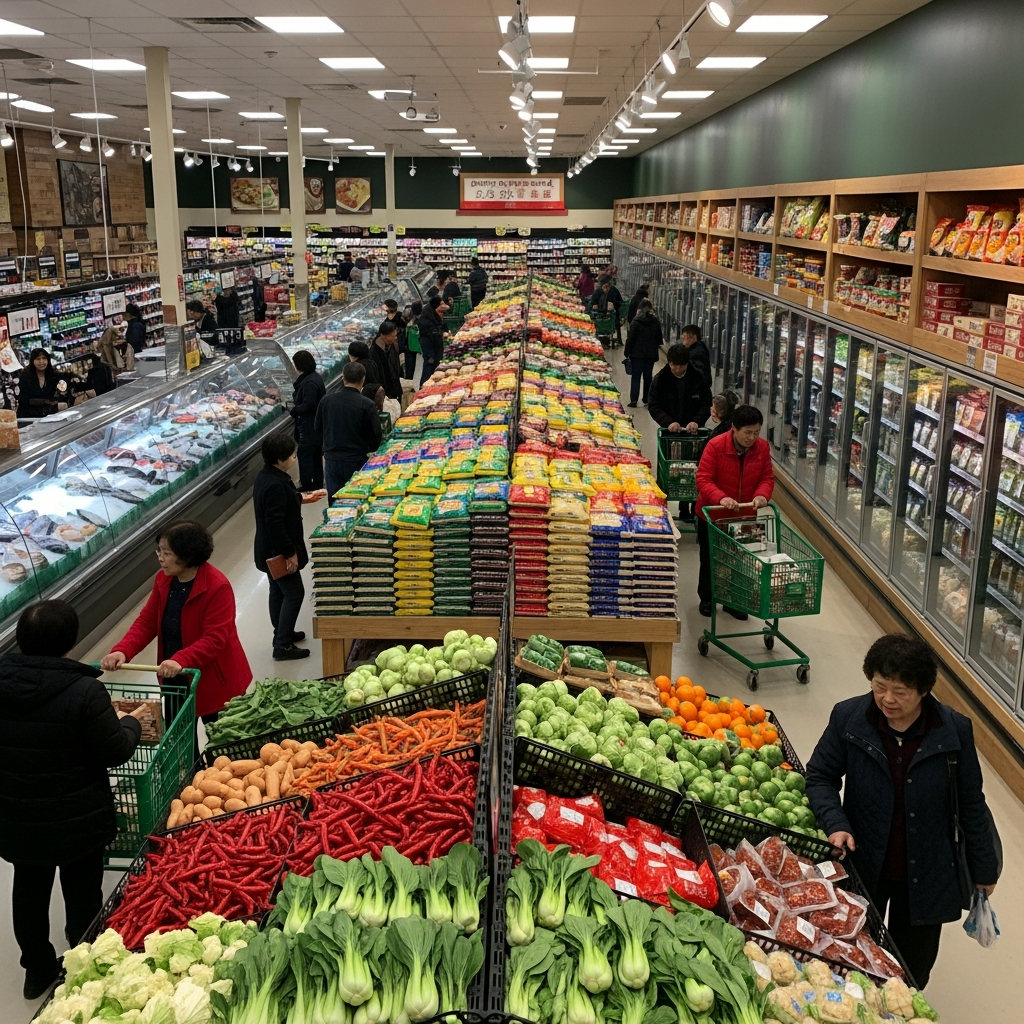
I like to begin in produce because it sets the tone for everything else. The freshness of leafy greens such as mustard greens, bok choy, gai lan, and fenugreek leaves speaks for itself, and the displays of long beans, Thai basil, bird’s eye chilies, and galangal hint at meals full of fragrance and bright heat. Nearby, crates of Asian pears, persimmons when in season, and young coconuts mark the shifts in the calendar more reliably than any weather forecast. When the produce is this vivid, I plan the rest of my basket around it, choosing proteins and pantry items that complement what looks best that day.
Turn a corner and you’ll meet the rice aisle, a section that rewards curiosity. Bags range from jasmine to basmati to sticky rice meant for sweets or savory wraps, and each variety brings its own texture and aroma to the table. If you’re new to cooking rice beyond the usual, try a small bag of something distinctive and keep notes on water ratios, rinse habits, and resting times; you’ll quickly build an instinct for matching rice to recipe, whether it’s a delicate fish dish or a boldly spiced curry.
Seafood, Butcher, and Tofu: Building a Centerpiece
Seafood counters in Asian-focused supermarkets are a local treasure. Whole fish displayed on ice alongside fillets and shellfish invite you to ask questions, and the staff are usually happy to talk about which fish holds up in the steamer versus the grill. If you prefer less prep, you can look for cleaned, ready-to-cook options and pair them with a ginger-scallion sauce from the condiments section. The butcher counter also tells its own story: thinly sliced beef for hotpot or bulgogi, marinated chicken ready for the skillet, and cuts ideal for slow-cooked stews that perfume the house on a chilly Naperville evening.
Tofu deserves its own mention because it genuinely varies. Silken tofu slips seamlessly into soups and desserts, while firm and extra-firm versions can be pan-seared until golden and crisp. Specialty items like five-spice pressed tofu or tofu puffs transform quick stir-fries into satisfying meals. Match them with a handful of bright greens and a spoonful of chili crisp, and you can have dinner on the table before a podcast episode ends.
The Pantry Palette: Sauces, Noodles, and Aromatics
One of the joys of shopping these stores is watching your pantry become a flavor library. Soy sauces alone can send you down a delicious rabbit hole: light soy for seasoning, dark soy for depth and color, and mushroom-infused soy for a subtle savoriness that pairs with stir-fried greens. Bottles of fish sauce from different regions bring unique salinity and sweetness, while rice vinegars and black vinegars add balance to marinades and dressings. Keep sesame oil close by for finishing soups and noodles, and stock a couple of chili oils to suit your mood on any given night.
Noodles add speed and comfort. Wheat noodles, buckwheat soba, springy udon, and rice sticks each lend their own texture and character. I like having more than one type on hand, because the right noodle can make leftovers feel intentional. Even instant noodle sections have become a canvas for quality and creativity, with regional broths and garnish packets that go far beyond the basics. Pair them with a soft-boiled egg, some flash-cooked greens, and you have a warming bowl that’s far better than takeout on a busy weekday.
Snacks, Sweets, and Everyday Joy
It is impossible to pass the snack aisles without a smile. Crispy seaweed sheets for lunchboxes, rice crackers seasoned with soy and nori, wasabi peas that bring a quick kick, and mochi treats that make an easy dessert—all of these add festive touches to everyday eating. If you’re hosting friends, I like to build a small tasting tray: a couple of different cracker textures, something sweet and chewy, and a tea or sparkling drink from the beverage aisle. It brings the market’s spirit right to your living room.
Prepared Foods and Hot Bar Comforts
Not every trip needs to end with a full cooking project. Many Asian supermarkets keep a rotation of prepared foods that rival local restaurants for convenience and flavor. Braised meats and roasted duck, stir-fried vegetables, savory pancakes, and sushi made throughout the day can turn a late-afternoon run into a relaxed dinner. I also keep an eye on the bakeries tucked inside some stores, where buns fill with red bean, custard, or barbecue pork and loaves showcase delicate crumb and a hint of sweetness. These are perfect for breakfasts or midweek treats.
Shopping Strategy: Timing, Storage, and Exploration
In Naperville, a bit of timing helps. Early in the day, produce tends to be plentiful and the counters are calm, which makes it easier to ask questions and try something new. Once you’re home, keep herbs like cilantro and Thai basil lively by trimming the stems and standing them in water, covered loosely. For sauces and condiments, label opened bottles with the date and rotate them into your cooking plan to discover fresh pairings before the flavors fade. If you find a noodle, paste, or spice blend you love, buy a second and store it in a cool, dark cabinet so you never run short mid-recipe.
Midweek shopping is also a smart moment to scan the store’s circulars and digital offerings. I’ll often check the store’s site or an aggregator and, when it applies, glance again at the weekly deals to knit together a flexible plan. That way, if I see a basket of beautiful long beans or an unexpected shipment of lychees, I know exactly what else I need to complete the meal.
Cooking with Community in Mind
One thing that sets Asian supermarket shopping in our area apart is the community energy. You can learn as much in a short conversation at the sauce aisle as you will from a cookbook chapter. People share family techniques for making dumpling fillings juicy, for coaxing maximum aroma from pandan, or for toasting spices before grinding them into a masala. Those tips turn a simple cart of groceries into a springboard for skill building, and they remind me that local food culture grows through these everyday exchanges.
Seasonal Highlights and Festive Shopping
Seasonality plays a big role. Around Lunar New Year, you’ll find displays organized around good-luck foods, sweets meant for sharing, and pantry items that support festive family recipes. Spring often ushers in tender greens and a wider selection of herbs. In the summer, tropical fruits arrive in waves, and it becomes a joy just to walk the aisles and imagine chilled desserts or light noodle salads. Come fall, heartier staples and warming spices take center stage, inviting braises and stews that fit our cooler evenings in Naperville.
From Market to Table: Quick Meal Ideas
Once you get home, you can turn a short list into dinner quickly. A simple noodle bowl might start with sautéed garlic and ginger, add mushrooms and bok choy, then finish with broth, noodles, and a spoonful of soy and sesame oil. For something cozier, steam fish over ginger and scallions and spoon a hot oil and soy mixture over the top just before serving. If you picked up tofu puffs, toss them into a coconut curry with eggplant and bell pepper; they soak up the sauce beautifully. Build a small habit of trying one new ingredient per week, and you’ll keep your cooking both grounded and adventurous.
Respectful Shopping and Label Literacy
Reading labels in multiple languages can feel intimidating at first, but product groupings and familiar brand cues will get you oriented quickly. Stores are accustomed to questions, so don’t hesitate to ask staff for guidance on allergens, heat levels, or substitutions. Respectful shopping is also part of the culture: use the provided tongs for bakery cases, choose produce gently, and return unwanted items to their original shelves to help maintain those tidy aisles we all appreciate.
Frequently Asked Questions
What are the best times to shop for the freshest selection?
Early in the day often brings newly stocked produce and a calm pace at the seafood and butcher counters, which makes it easy to pick thoughtfully and chat with staff about preparation tips. Midweek mornings can be especially comfortable if you prefer quieter aisles.
How can I choose between different soy sauces and vinegars?
Match the bottle to the role you want it to play. Use light soy sauce for seasoning during cooking, dark soy for deeper color and a hint of sweetness, and mushroom or double-fermented soy when you want layered savoriness. Rice vinegar keeps things bright and clean, while black vinegar adds depth to dumpling dips and braises.
What should I try if I’m new to Asian produce?
Start with a leafy green like bok choy or gai lan and pair it with garlic, ginger, and a drizzle of sesame oil. Add an aromatic herb such as Thai basil to a simple stir-fry, or slice an Asian pear into salads for sweetness and crunch. Working one new item into a familiar dish builds confidence quickly.
Are there kid-friendly options beyond snacks?
Yes. Steamed buns with mild fillings, lightly seasoned fried rice, miso soup with tofu, and pan-fried dumplings please a wide range of palates. Many sauces come in gentle versions, so you can add heat at the table for those who want it while keeping the base dish family-friendly.
How do I store herbs and specialty greens after shopping?
Trim stems, tuck the bunches into a glass of water like a bouquet, and place a loose bag over the top before refrigerating. For hardy greens, wrap them in a slightly damp towel inside a breathable bag. Label jars and bottles once opened to help you rotate flavors into meals while they’re at their peak.
Can I find gluten-free or plant-based choices?
Absolutely. Rice noodles, tamari-style soy sauces, tofu and tempeh varieties, and a wide range of bean pastes and miso open doors to flavorful gluten-free and plant-based cooking. Check labels, as formulations vary by brand, and don’t hesitate to ask staff for suggestions that fit your needs.
If you’re ready to explore or restock favorites, make a simple plan, bring an open mind, and let the aisles guide you. For a little strategic nudge as you map out the week, check the weekly deals, set your route, and enjoy turning a local errand into a culinary adventure.