
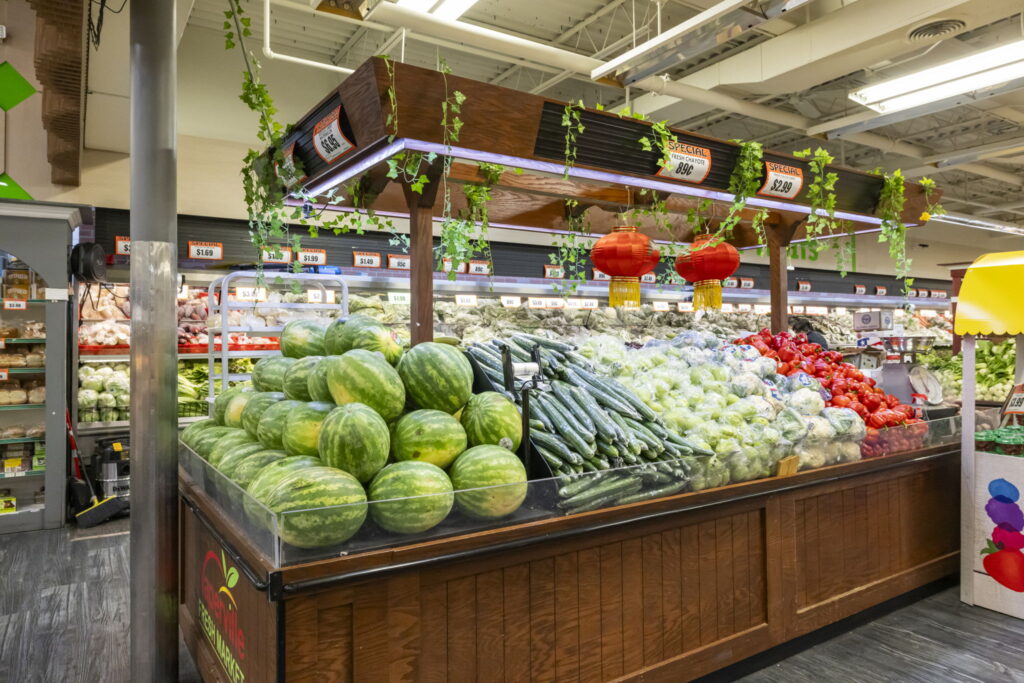
Health in Naperville is not just about annual checkups or miles logged on the Riverwalk; it’s built every day in kitchens from East Highlands to Tall Grass. As a nutrition educator working with families, athletes, and seniors across our city, I’ve watched a simple pattern repeat: when people choose thoughtfully grown food, they tend to cook more, eat more plants, and discover steadier energy. That’s where organic choices come in. For anyone getting started, I often recommend exploring curated sections of organic foods to see how a few strategic swaps can support digestion, immunity, and long-term wellness without complicating your routine.
Fewer Question Marks, More Real Food
Organic standards restrict many synthetic pesticides and fertilizers, limit certain processing aids, and emphasize soil health and biodiversity. What that means for your day-to-day is simpler labels and flavors that taste like themselves. When berries taste like summer, carrots snap with sweetness, and greens are fresh and lively, you naturally eat more vegetables and fewer fillers. In homes I visit, this shift often leads to steadier appetites and less reliance on ultra-processed snacks. That’s not a moral victory; it’s a practical outcome of surrounding yourself with food that invites you to cook and eat it.
Digestive Wellness Starts in the Kitchen
So many of the people I see in Naperville struggle with bloating, irregularity, or a sense that their meals don’t “sit right.” A routine built around organic vegetables, beans, whole grains, and cultured dairy or plant-based alternatives tends to increase fiber and beneficial bacteria. Cooking with onion, garlic, and leafy greens, and pairing them with fermented foods like yogurt or sauerkraut, supports a healthy gut environment. Over time, that can make meals feel lighter and more satisfying. The key is consistency: a salad at lunch and a vegetable-heavy dinner most nights will do more for your digestion than any short-term cleanse.
Immunity: Less Drama, More Daylight
We all want to spend more afternoons outside and fewer afternoons on the couch nursing a scratchy throat. While there is no magic shield, a plate built from organic produce and high-quality proteins offers vitamins, minerals, and antioxidants that help your body do its job. Think of it as removing friction. When your everyday meals are rich in colorful vegetables, citrus, berries, beans, nuts, and seeds, your body has what it needs to repair and defend. I encourage families to rotate their produce to capture different nutrients across the week—dark leafy greens one night, orange vegetables the next, and crucifers like broccoli or cauliflower after that.
Energy That Lasts Beyond 3 p.m.
Naperville’s afternoons can be demanding—back-to-back meetings, school pick-ups, and a rush to activities. Many people reach for quick fixes and crash later. Meals centered on organic whole foods, balanced with complex carbohydrates, protein, and healthy fats, keep energy steadier. Oats with fruit and yogurt in the morning, a bean-and-greens bowl at lunch, and roasted vegetables with quinoa and salmon or tofu at dinner create a calm, reliable rhythm. You’ll notice the difference at four o’clock when you can think clearly and still feel ready for a workout or a walk along the trail.
Kids, Teens, and the Taste Advantage
For children and teens in District 203 and 204, taste matters as much as nutrition. When strawberries are fragrant and cucumbers are crisp, kids eat them. Repeating that experience week after week trains their palates toward freshness and away from hyper-sweet or hyper-salty packaged snacks. Parents tell me that switching to organic apples, carrots, and yogurt led to fewer battles and more lunchbox wins. It’s not about perfection; it’s about creating dozens of small moments in which good choices are the easiest and most appealing ones.
Athletes and Active Lifestyles
From high school teams to weekend cyclists, local athletes benefit from meals high in nutrient density and low in unnecessary additives. Organic staples deliver dependable flavor and texture that make fueling easier. A pre-practice snack of a banana with organic peanut butter, or a post-workout bowl of brown rice, black beans, and roasted vegetables, supports performance without needing complicated products. Hydration matters too: add citrus slices and a pinch of salt to water and pair it with a snack built from real food. The most successful athletes I work with treat meals as training—reliable, repeatable, and tuned to their bodies.
Healthy Aging for Parents and Grandparents
Naperville’s multi-generational households remind me that food is a bridge between life stages. For older adults, organic options can simplify choices and reduce exposure to certain synthetic inputs. More importantly, meals built around vegetables, beans, whole grains, and high-quality dairy or alternatives support heart health, mobility, and cognitive function. I often encourage batch-cooking soups, stews, and baked vegetable dishes that reheat beautifully and make it easy for everyone to eat the same nourishing food. Sharing a pot of minestrone with organic tomatoes, carrots, celery, and greens is as practical as it is comforting.
Stress, Sleep, and the Evening Plate
It’s easy to underestimate how dinner shapes sleep. Meals centered on organic whole foods—especially leafy greens, sweet potatoes, beans, and nuts—provide magnesium, potassium, and B vitamins associated with relaxation and recovery. A calm digestive system and steady blood sugar make it easier to fall asleep and wake up refreshed. If evenings are chaotic, simplify. Roast a tray of vegetables, cook a grain, and add a protein. Turn off screens at the table and take ten quiet minutes to eat together. These small rituals cue your body to slow down.
Naperville’s Food Culture and Community Health
Health is contagious when it becomes part of the neighborhood conversation. When families swap recipes at the park, when teens post their smoothie bowls, and when Sunday dinners highlight seasonal produce, habits spread. Organic purchasing also supports growers who invest in healthy soils and biodiversity, which ultimately anchor the resilience of our region’s food system. That resilience shows up on your plate—consistent quality, dependable flavor, and availability through the seasons—even when the weather throws curveballs.
Making It Practical in Busy Weeks
My advice is to build a default week that you can repeat with small variations. Choose three breakfasts, three lunches, and three dinners that rely on organic staples you enjoy. Rotate fruits and vegetables by color and season, and keep your pantry stocked with beans, tomatoes, broth, and grains. When time is tight, a pot of lentils with sautéed kale and garlic or a quick stir-fry with peppers, onions, and tofu becomes dinner in minutes. To explore staples and discover what your palate loves, spend a few minutes in a well-organized section for organic foods and pick one new ingredient to try each week. The experiment keeps meals exciting.
Dealing with Dietary Restrictions
Whether you’re navigating gluten-free needs, dairy sensitivities, or specific allergies, organic options often simplify labels and reduce additives, making it easier to find products that fit your household. Combine that with whole-food cooking—rice, potatoes, beans, vegetables, eggs, or plant proteins—and you control what goes into each meal. Over time, the kitchen becomes a place of confidence instead of concern, because you develop a short list of reliable, great-tasting meals that everyone enjoys.
When Motivation Dips
No one eats perfectly all the time, and motivation naturally ebbs and flows. When cooking feels heavy, I fall back on a batch of roasted vegetables, a pot of grains, and a simple soup. Add a bright element—lemon, herbs, or a crunchy salad—and call it good. Health is not a test you pass or fail; it’s a dialogue with your body. Naperville’s pace can be intense, but steady routines make it easier to care for yourself even on the busiest weeks.
Frequently Asked Questions
How do I know which organic items to prioritize first?
Start with the items you and your family eat most often. If apples, berries, milk, or leafy greens are daily staples, switch those first. You’ll feel the impact quickly in taste and enjoyment, which tends to encourage more home cooking and better snacking. As you gain momentum, expand to pantry staples like oats, beans, and tomatoes that support many meals.
Does organic automatically mean healthier?
Organic certification addresses how food is grown and processed, not its calorie or nutrient content. The health advantage usually comes from what organic encourages you to do—eat more whole foods, cook more often, and rely less on ultra-processed products. Those behaviors, practiced consistently, move the needle for energy, digestion, and long-term wellness.
Is it harder to meal prep with organic ingredients?
No. In fact, consistent flavor and texture make prep easier. Roast a tray of vegetables, cook a pot of grains, and prepare a protein. Store them in clear containers and assemble bowls, salads, or wraps through the week. The predictability of organic produce often means fewer surprises and better results from simple techniques.
How can I help my kids embrace healthier choices?
Give them a vote. Let children choose one new fruit or vegetable each week and help prepare it. Keep snacks simple and visible—apples, carrots, cucumbers, yogurt. When the kitchen offers colorful, fresh options, kids gravitate toward them naturally. Regular exposure without pressure is the secret.
What about athletes or very active adults?
Active people thrive on reliable, nutrient-dense meals. Build around complex carbs, protein, and produce: oats or toast with nut butter and fruit in the morning, hearty salads or grain bowls at lunch, and vegetables with beans, fish, or tofu at dinner. Keep snacks practical—bananas, nuts, yogurt—and drink water throughout the day.
How can I stay consistent when my schedule changes?
Create a short list of “any night” meals you can make with pantry staples and one or two fresh items: vegetable omelets, lentil soup, sheet-pan vegetables with beans, or pasta with tomato sauce and a salad. Keep those ingredients on hand. Consistency is about removing friction, not following a perfect plan.
Take the Next Step for Your Health
If you’re ready to feel steadier energy, calmer digestion, and more joy at the table, start with one or two organic swaps this week and cook a simple, colorful dinner. Invite your household to help choose ingredients, and pay attention to how you feel the next day. When you want new ideas, wander a well-stocked selection of organic foods, bring home something vibrant, and let your next meal be the proof. Your healthiest routines can start tonight, right here in Naperville.