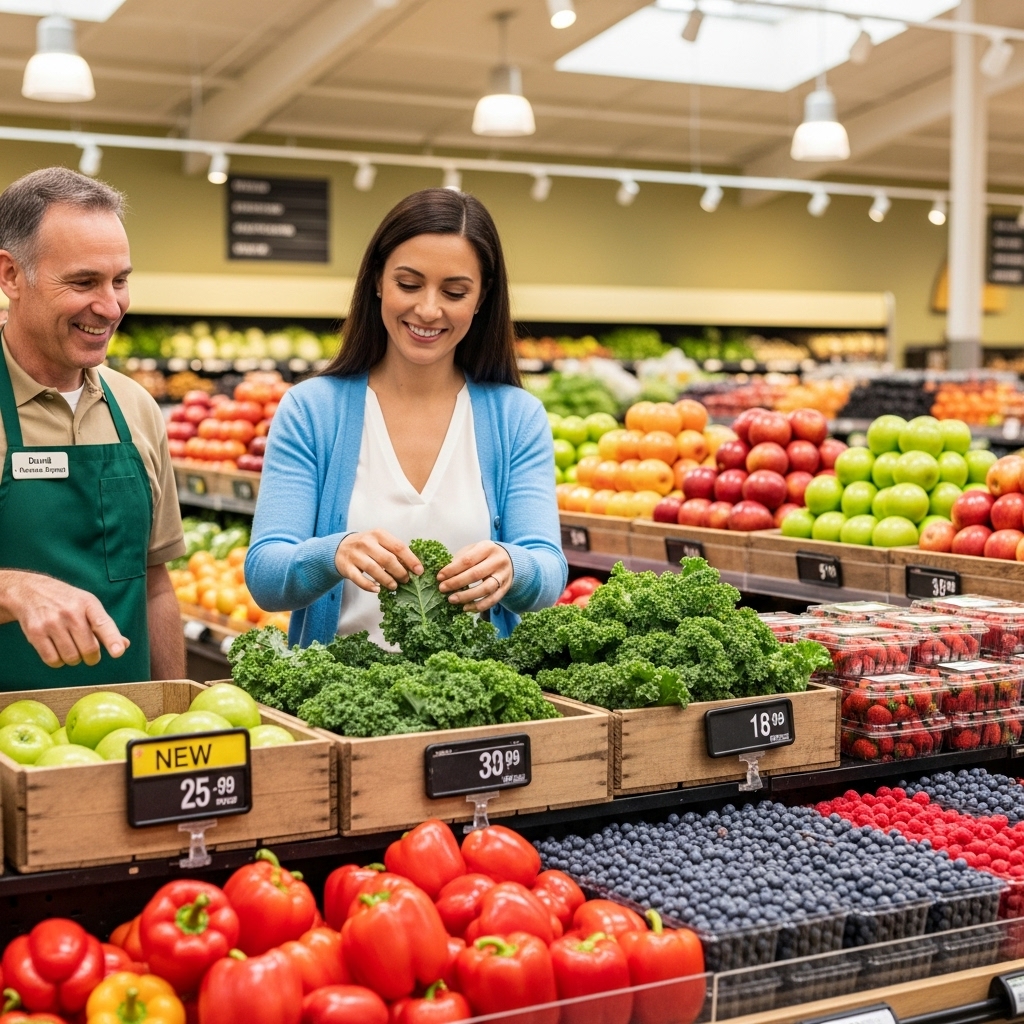
When neighbors in Naperville ask where to find organic food nearby, I usually smile because the answer is both simple and layered. Simple, because we’re fortunate to live in a city with genuine pride in wholesome eating; layered, because “organic” means different things to different households, and the best places for you will depend on whether you want everyday staples, specialty items, local produce, or a mix of all three. On any given week, I might start my search along familiar corridors like Ogden Avenue, 75th Street, and Route 59, where a blend of independent markets and full-line grocers make it easy to build an entire cart from organic choices alone. Before I map my route, I think about what’s in season, what’s on the family menu, and whether I’ll cook today or stock up for later. Often, that begins with checking a store’s organic foods selection to see which items are especially fresh and abundant.
How Naperville Shops Organic Week to Week
Living here, you learn the rhythms of shopping. Early in the week is often best for planning, midweek is perfect for quick replenishing trips, and weekends are when many families turn grocery errands into a mini outing. If you frequent the same markets, employees will recognize you and point out a crate of just-arrived apples, a local honey harvest, or a case of yogurt made a few towns away. That friendly familiarity matters because organic inventory can swing with the seasons and weather, and you’ll occasionally find a gem—like the sweetest cherry tomatoes—on a random Wednesday afternoon. Naperville’s shopping culture rewards curiosity: walk a little slower, peek at the signage, and ask the produce lead what came off the truck that morning. You’ll not only shop smarter, you’ll build a week of meals around what’s at its best today.
What “Organic” Means for Your Cart
The term “organic” covers farming practices that avoid synthetic pesticides and fertilizers and rely on natural processes for soil health and pest control. For meat, eggs, and dairy, certifications typically require organic feed and humane, pasture-forward standards. While labels help, the feel of the produce and the aroma as you pick it up tell a story, too. In Naperville’s better produce departments, you can literally see the difference when you spot leafy greens that stand tall and crisp or strawberries with a deep, fragrant sweetness. Still, organic is not a monolith. Some households choose organic for the items they use every day—like milk, salad greens, and fruit for school lunches—while going conventional for pantry goods. Others go all-in, stocking everything from spices to snack bars in organic varieties. Knowing your priorities helps you find the right stores and keeps you from driving all over town chasing a single item.
Mapping the City: From Downtown to the Neighborhoods
Because Naperville stretches from the Riverwalk to neighborhoods near the Plainfield and Aurora borders, the ideal place to shop often depends on which side of town you call home. If you’re near downtown, it’s easy to combine errands with a quick grocery run, especially if you crave fresh produce to eat that day. Residents along the Route 59 corridor often plan bigger weekly trips, thanks to spacious stores that carry an expansive range of organic staples, specialty flours, and dairy alternatives. South Naperville shoppers tend to keep an eye out for seasonal favorites—berries in early summer, squash in the fall—and pair those with organic proteins and grains. No matter where you are, consider timing: early mornings tend to be calmer, and you’ll have more space to assess what’s ripe and what needs another day on the counter.
Seasonality and Freshness: The Naperville Advantage
One of the benefits of shopping organic in Naperville is access to regionally grown produce when the Midwest growing season hits full stride. Summer is the headline act, with sweet corn, tomatoes, cucumbers, peppers, and stone fruit rotating through displays that change from week to week. In fall, you’ll see apples in varieties you may never have tried, winter squash that roasts into velvet, and hearty greens that respond well to cool nights. During winter and early spring, you’ll rely more on organic imports and well-managed cold storage, but even then, the best departments curate for flavor and texture. They’ll carry citrus that tastes like sunshine and root vegetables perfect for stews. Get to know the staff who order produce; they’ll tip you off about which pears to eat now and which to leave on your counter for two days.
Building a Pantry That Makes Organic Easier
Shopping organic becomes simpler when your pantry does some of the work. Keep organic staples—dried beans, whole grains, tomato puree, broths, spices—on hand, and you can turn a basket of fresh vegetables into dinner without making a second trip. Naperville’s better markets will classify organic pantry items clearly, which reduces decision fatigue. If you follow a particular eating style—gluten-free, vegetarian, or dairy-light—you’ll find organic options that align with your needs, from oat milks to chickpea pastas and seed butters. For families, stocking a small rotation of reliable breakfast and snack items helps the week run smoothly: organic oats, granola, nut or seed milks, and fruit spreads become the base for quick, nourishing meals. The trick is to buy a few things you love consistently so you don’t feel like you’re reinventing the wheel every Tuesday morning.
Produce, Proteins, and the Little Details
When people say they can taste the difference with organic, they’re often talking about produce, eggs, and dairy. Good organic greens stay crisp in the fridge, berries hold their shape, and carrots actually taste like carrots. With eggs, the yolks are typically richer in color, and with dairy you’ll notice a clean, full flavor that’s a little more satisfying in coffee or oatmeal. For meat and poultry, look for clear labeling on feed and certification, and don’t be shy about asking staff for guidance. In a city like Naperville, where shoppers are engaged and curious, store teams are used to explaining the finer points of grass-fed versus pasture-raised or guiding you to the right cut for a slow-cooker recipe. Those small conversations help you shop confidently and avoid buying something that won’t match your meal plan.
Smart Routes and Time-Saving Habits
One of my favorite Naperville tricks is creating a loop that includes a reliable organic-heavy grocer, a quick-stop market for specialty items, and, when in season, a farm stand or market pickup. If you shop on a Saturday morning, start with produce and proteins, then swing by a second stop for pantry items or any missing ingredients. On weekdays, consider a fast evening visit after the commuter crunch winds down; you’ll often find shelves nicely restocked. When you’re shopping with kids, keep it simple: plan a meal around a few colorful organic vegetables and one protein, and let them help pick the fruit. If you like to preview options from home, it helps to browse a store’s organic foods department online first, then walk in with a short list and the flexibility to pivot if something looks phenomenal.
Local Taste, Local Community
Organic shopping is about more than ingredients; it is a way of connecting to place. In Naperville, that connection shows up in subtle ways. When the weather turns, displays shift. When a nearby orchard has a particularly good year, everyone seems to be snacking on the same variety of apple. You’ll see neighbors chatting about recipes in the produce aisle and exchanging ideas about how to roast Brussels sprouts so they turn sweet and nutty. There’s a conversation here about sustainability, too. Many households choose organic not only for their plates but for the environmental ripple effects, and grocers respond by bringing in compostable packaging, refill options for household goods, and transparency on sourcing. The more you engage, the more your favorite market becomes a hub of information, not just a place to buy food.
Finding the Hidden Gems
The fun of shopping organic in Naperville is discovering items that weren’t on your list. Maybe it’s a small-batch salsa made to a family recipe, an heirloom tomato variety with ridges like a pumpkin, or a yogurt sweetened with organic fruit instead of syrups. Don’t be afraid to ask for samples or recommendations; the best departments encourage tasting and learning. Keep an eye on the ends of aisles and near the deli or bakery for seasonal specialties. Pair organic pantry items with fresh finds—imagine roasted organic cauliflower swirled into hummus, or a simple pasta tossed with organic olive oil, garlic, and a handful of blistered cherry tomatoes. When the right ingredients land in your cart, dinner practically writes itself, and you’ll feel more motivated to cook at home during the busy week.
Meal Planning the Naperville Way
If the week looks hectic, plan dinners around one or two anchor ingredients. An organic rotisserie chicken can feed a family for days: first as dinner with roasted vegetables, then in a grain bowl with greens and a citrusy dressing, and finally as a soup with carrots and celery. If you’re vegetarian or plant-forward, a tray of roasted organic vegetables and a pot of quinoa can become tacos, salad toppings, and a quick lunch with tahini dressing. Naperville’s markets make it easy to grab what you need, but meal planning pays dividends by reducing food waste and simplifying nights when you walk through the door later than expected. Keep sauces and condiments simple yet powerful—mustard, vinegar, olive oil, and herbs—and you’ll transform basic organic staples into meals with real character.
For Special Diets and Family Allergies
Families managing allergies or dietary preferences will appreciate how many organic options exist today. From gluten-free breads to nut-free snacks, you can usually find an organic version that fits your needs without compromise. If you’re shopping with young kids, choose one new option at a time so you can see how they respond; sometimes a plain, well-made organic yogurt becomes a favorite, especially when paired with local fruit or a drizzle of honey. If you’re cooking for company, a flexible spread—roasted vegetables, grains, a hearty salad, and some citrus—lets everyone build a plate that works for them. Naperville’s grocers keep these items well labeled, and store teams are good at suggesting substitutes when a particular brand is out of stock.
Storing and Handling for Peak Flavor
Even the best organic produce needs a little care once you bring it home. Wash greens just before you use them, not immediately, to keep them crisp. Store herbs with their stems in a jar of water in the fridge, loosely covered, and they’ll last longer. Keep tomatoes on the counter so they don’t lose flavor, and let pears and stone fruit ripen at room temperature before chilling. With proteins, give yourself time to marinate or season; even a quick rub with olive oil, salt, and pepper makes a difference. These small practices can be the difference between a so-so dinner and one that tastes like a treat. Over time, you’ll build your own rhythm: which vegetables go straight into the crisper, which sit in a bowl on the counter, and which deserve a spot front and center so you remember to use them first.
Staying Flexible When the Shelf Is Empty
No matter how carefully you plan, there will be days when your preferred organic item isn’t in stock. That’s when flexibility becomes your best tool. If your recipe calls for kale but you only find gorgeous organic chard, make the swap and adjust cooking time. Can’t get the berries you had in mind? Choose pears or apples and change the dessert plan. The beauty of cooking with organic ingredients is that quality shines through; a simple sauté becomes special when the vegetables are fresh and flavorful. If you’re not sure how to adapt, ask at the service counter. In Naperville, you’ll find people who cook at home themselves and enjoy sharing tips. They’ll steer you toward a smart alternative so you can keep dinner on track.
Online Previews and In-Store Wins
While I love to shop in person, I also appreciate the efficiency of previewing what’s likely to be available. It’s helpful to check the featured items in a store’s organic foods department online, then walk the aisles for what looks best. Pictures and lists help you plan, but seeing the color and firmness of produce in person tells you what to cook first and what to save for a few days later. Many Naperville households mix approaches: order pantry staples for pickup, then browse produce and proteins in-store so you can choose with your senses. That balance saves time without sacrificing quality, and it turns grocery shopping back into something enjoyable rather than a chore to conquer.
FAQ: Your Naperville Organic Questions Answered
Q: What are the best days to shop for organic produce in Naperville?
A: Early in the week is great for planning, and midweek afternoons can be surprisingly strong for restocks. Weekends bring energy and larger selections, but mornings are calmer. If you want first pick, arrive soon after opening; if you want to browse, go later when crowds thin.
Q: How do I know if an organic label is trustworthy?
A: Look for recognized certifications and ask staff about sourcing. Naperville’s reputable grocers train teams to explain labels, and you’ll quickly learn which farms and brands align with your values. When in doubt, choose produce that looks, smells, and feels vibrant.
Q: Is organic worth it for every item?
A: Many households prioritize organic for high-consumption items like greens, fruit, dairy, and eggs. Pantry goods can be a mix, depending on availability and preference. Start with the items you eat daily, then expand as you discover new favorites.
Q: Can I shop organic on a tight schedule?
A: Absolutely. Keep a short list of go-to items, shop during calmer hours, and let the season guide you. Combining a quick in-store visit with planned pickups for staples can cut your time in half.
Q: How do I keep organic produce fresh longer?
A: Store items based on their needs: greens in a breathable container, herbs upright in water, tomatoes on the counter, and fruits that ripen at room temperature before chilling. Wash right before eating or cooking, not far in advance.
Q: Where can I find specialty organic items like gluten-free flours or dairy alternatives?
A: Naperville’s larger markets and well-curated independent grocers stock robust selections of specialty organic items. If you don’t see what you need, ask; many stores can point you to a nearby location or suggest an equivalent product.
The best part about shopping for organic food near you in Naperville is that it becomes a pleasant ritual rather than a box to check. You move through familiar aisles, swap ideas with staff, and head home with ingredients that taste like themselves. If you’re ready to make your next grocery run something you look forward to, start by exploring a trusted store’s organic foods selection, then build a week of meals that feel seasonal, satisfying, and uniquely Naperville.