
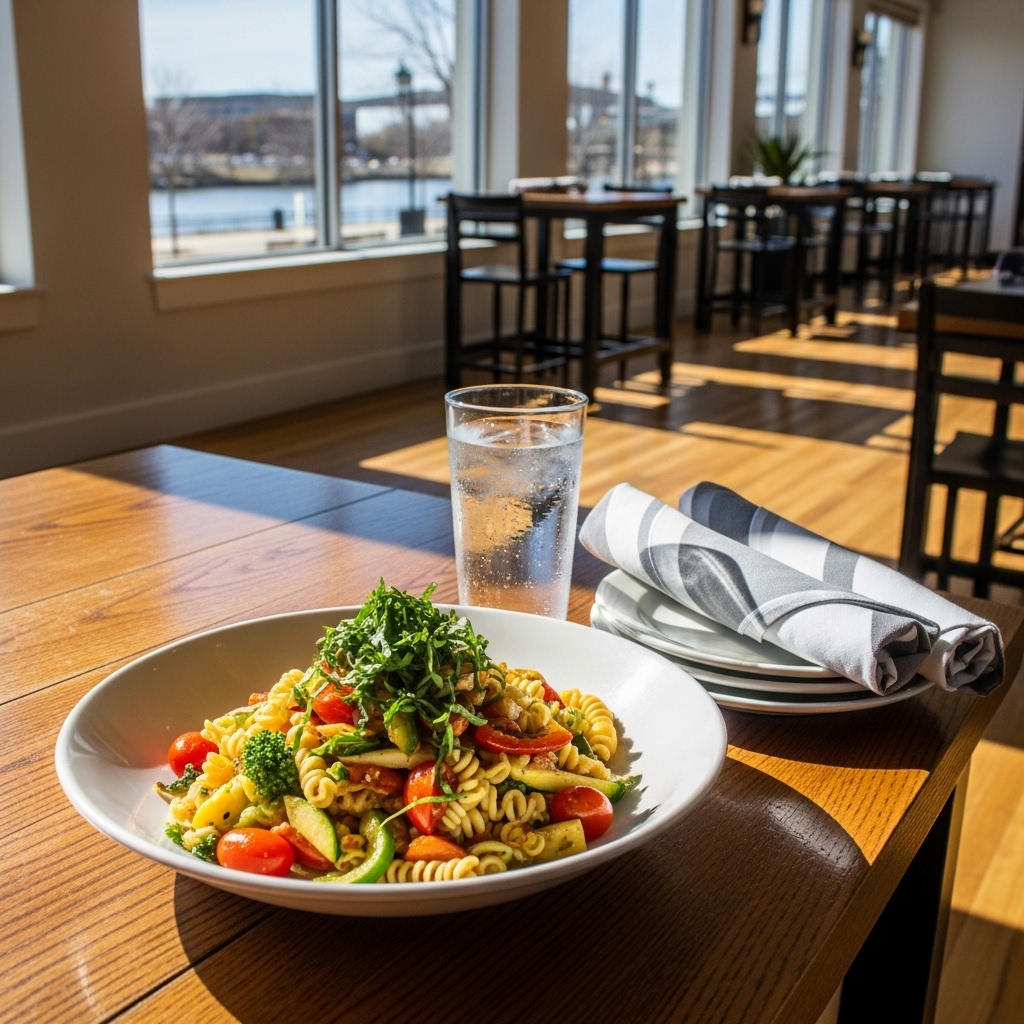
Dining out in Naperville has its own rhythm: a stroll along the Riverwalk, a table that catches the afternoon light, and a menu that respects the season. When you are hunting for organic-minded restaurants around town, you do not need a list of buzzwords so much as a sense of how to read the cues—how a kitchen writes its specials, how servers talk about sourcing, and how the food tastes on a Tuesday, not just Saturday night. The good news is that Naperville’s scene, especially Downtown and along the Water Street corridor, has embraced fresher, cleaner cooking. If your household toggles between dining out and cooking in, it helps to know where to sit down for a wholesome meal and where to stock up on staples like organic foods for the nights you stay home.
How to spot organic-minded menus
Restaurants that take ingredients seriously tend to speak clearly on the page. Look for menus that identify farm partners by name during peak Midwestern seasons, or that at least note when produce is certified organic. The kitchen’s attitude shows up in the specials, too. In late summer, a salad might celebrate heirloom tomatoes and basil; in winter, you might see roasted root vegetables with citrus and herbs. A sincere approach also spills over into small touches—the olive oil on the table, the bread baked without unnecessary additives, the way servers can explain the difference between pasture-raised and conventional eggs when you ask.
Downtown Naperville’s walkability helps. You can scan menus along Jefferson Avenue or Main Street, look for dishes centered on vegetables and whole grains, and pick a spot that suits the mood: lingering brunch, quick work lunch, or a family dinner after a game at Knoch Park. On busier nights, a reservation can smooth the experience, but you can still eat well spontaneously if you know where to go midweek.
What to expect from the kitchen
Places that make organics a priority tend to simplify their plates rather than overcomplicate them. That is not code for plain—it means letting ripe produce speak. A vegetable-forward pasta with seasonal greens, a grilled fish paired with an herb salsa, or a hearty grain bowl with pickled accents can carry a meal without heavy sauces. The result is food that feels good right away and even better an hour later, which is how you can tell the kitchen is cooking for your body as much as your palate.
If you are dining with kids, look for a menu that extends those values to smaller appetites. Baked chicken with vegetables instead of fried nuggets, or fruit-forward desserts with sensible portion sizes, make it easier to keep everyone happy without compromising. The friendliest places can modify for allergies without drama, and they keep cross-contact in mind when prepping gluten-free or nut-free dishes.
Neighborhood vibes and occasions
Naperville offers a spectrum: cozy cafes near the Riverwalk for slow breakfasts, date-night bistros with thoughtful wine lists, and casual spots along Ogden Avenue for quick weeknight dinners when you do not want to cook. In warm weather, patio tables are coveted; in winter, dining rooms glow with a hum of conversation that makes even a salad feel like a treat. The secret is to match the venue to your occasion. A leisurely brunch might mean poached eggs over seasonal greens; a post-practice dinner calls for something fast, balanced, and filling, like a grain bowl with roasted vegetables and a bright dressing.
Do not be surprised if the best meals are the simplest. A good tomato in August needs little more than sea salt and olive oil, and a January carrot is at its best when roasted until sweet. Chefs who cherish organics know this, and their menus change accordingly. That is the kind of place that will remember your preference for a lighter dressing and pour you water before you have to ask.
Pairing dining out with cooking in
One of the nicest parts of living here is how effortlessly you can transition from restaurant inspiration to home cooking. Have a standout kale salad on a Friday night? Recreate it on Sunday with a quick shop and a little prep. Many locals mix nights out with a well-timed grocery run that keeps weekday dinners on track. It is a rhythm that protects both your budget and your sanity: savor the evening out, then stock up on the basics—greens, grains, eggs, fruit—so Monday does not catch you flat-footed. For that, a dependable selection of organic foods is invaluable.
Seasonality and the Midwestern calendar
Our region dictates what tastes best and when. Tomato and corn season brings vibrant plates that practically assemble themselves. Fall ushers in squash, apples, and hearty greens that stand up to roasting and braising. Winter asks for comfort: broths, root vegetables, and citrus to brighten the table. Spring arrives with asparagus, peas, and the herbal notes that remind you warmth is coming back. Restaurants that cook with this cadence become easy regulars; you trust them because their food tracks what nature wants to give.
That seasonal logic also helps when you are choosing across the table. If a menu leans into winter citrus and grains in January, order there. If it reads like a summer picnic in February, you might ask a few questions about sourcing. Curiosity is welcomed by good teams; they enjoy talking about their ingredients, and your interest keeps that culture thriving.
Service as part of the experience
Thoughtful service is not an afterthought; it is the delivery system for a kitchen’s intentions. You know you are in good hands when a server checks on dietary restrictions without making you feel singled out, refills your water before you ask, and can guide you toward a dish that matches your mood. In Naperville’s busiest rooms, that grace under pressure is worth its weight in gold. It turns a crowded Saturday into a pleasant one and a quick weeknight bite into a small respite from a packed schedule.
Little rituals that make dining out better
Have a plan for leftovers so they become tomorrow’s lunch rather than a forgotten box. Order a vegetable side for the center of the table to balance richer plates. Take a short walk after your meal if the weather allows; a loop by the DuPage River makes dinner feel like a mini-vacation. When eating with kids, consider splitting a main and adding an extra side so everyone gets a taste of what the kitchen does best without overwhelming small appetites.
FAQs
Q: How can I tell if a restaurant uses organic ingredients? A: Look for clear notes on the menu, seasonal specials, and staff who can answer sourcing questions. Transparency is a good sign.
Q: Are there organic-friendly choices for picky kids? A: Yes. Seek menus with simply prepared proteins, roasted vegetables, and fruit-forward desserts. Many kitchens can adapt dishes to suit young eaters.
Q: Is brunch a good bet for organic eggs and dairy? A: Often. Weekend menus highlight eggs, greens, and breads that let quality shine, making it easier to spot careful sourcing.
Q: Can I eat well without a reservation? A: Midweek is your friend. You can usually find a table, and the kitchen has more time to chat about ingredients.
Q: How do I balance dining out with a healthy home routine? A: Use restaurant inspiration to plan a simple grocery run so weekday meals stay easy and nourishing. Stocking a few essentials after a night out keeps momentum going.
When you are ready to enjoy the best of Naperville’s tables and your own, let the city’s seasonal rhythm guide you. Dine where the menu changes with the weather, ask questions, and savor the straightforward pleasure of well-prepared food. And when it is time to cook at home, keep your kitchen stocked with the staples you love by sourcing reliable organic foods. That balance—part restaurant glow, part home-cooked calm—is the sweet spot.