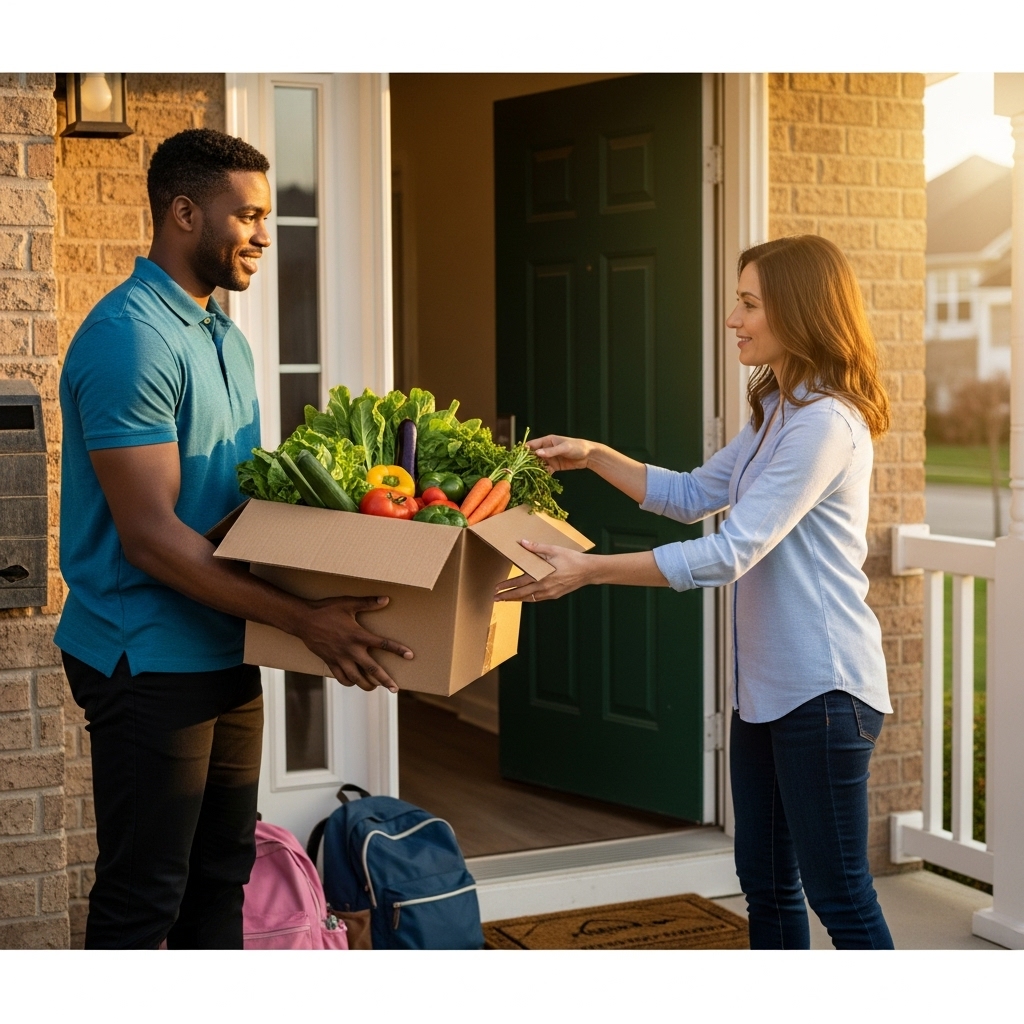
On school-day mornings in Naperville, when backpacks are by the door and a traffic report is humming in the background, having a plan for dinner can feel like the difference between a calm evening and chaos. That is why organic food delivery has become such a lifeline for local families. When your essentials arrive at your doorstep, you can preserve energy for the moments that matter—homework check-ins, a walk on the Riverwalk, or a quick detour past Centennial Beach. If you are just getting started, it helps to anchor your routine with a trusted place to source staples and seasonal produce, including the full selection of organic foods that fit your family’s tastes and routines.
What busy families in Naperville really need from delivery
The first thing that matters is reliability. Between bell times at schools like Kingsley and Ranch View, piano lessons, and soccer at Commissioners Park, you need a delivery window that actually works with your schedule. Many Naperville households opt for weekday evening drop-offs, while others prefer early morning so they can unpack before the day gets rolling. Clear communication—texts when the driver is on the way, a photo confirmation, and simple notes about substitutions—takes the stress out of it. Families tell me they appreciate drivers who understand Naperville’s neighborhoods, from Cress Creek to Tall Grass, and know the quirks of townhomes versus single-family front porches.
Quality is the second essential. Delivery is supposed to save time, not hand you bruised fruit or greens that wilt before dinner. In practice, that means cold packs tucked properly around dairy, sturdy boxes that don’t tip into the landscaping, and careful handling when the snow piles up along Washington Street. The best services think about how your items spend those last 15 minutes before you bring them inside, which matters a lot on windy March afternoons and humid July evenings alike.
Planning a week’s meals without the overwhelm
For most families I work with, the goal is not gourmet every night—it’s dependable, nourishing meals that slide into busy routines. A weekly delivery makes that easier because you decide the plan once and then shift into autopilot. Imagine a rhythm built around staples you know your family loves: greens for smoothies before school, sturdy apples for lunchboxes, whole grains for quick sides, and one or two special items that keep everyone excited. If your fourth grader is eager to help, they can check off the order against the pantry. A short ritual like that on Sunday night often prevents midweek dashes down Ogden Avenue for a forgotten ingredient.
The smartest way to use delivery is to anchor three to four dinners with flexible items. A bag of organic carrots can become a snack with hummus, a roasted side with thyme, or the base of a comforting soup. A carton of eggs can serve breakfast-for-dinner on the night you get home late from practice at Nike Park. With an order that brings you what you actually cook, you are less likely to waste food and more likely to feel in control when the calendar gets crowded.
Kid-friendly options that travel well
Parents in Naperville often ask how to keep after-school snacks both wholesome and ready-to-go. The trick is keeping a shelf or drawer stocked with grab-and-go choices that arrived fresh and were portioned right after delivery. Think crisp cucumbers and cherry tomatoes washed and tucked into reusable containers, or yogurt ready with a drizzle of local honey. When Saturday brings a picnic by the DuPage River, you can assemble a quick spread from the fridge in minutes. Delivery makes it easier to keep those options on hand without additional errands.
Quality and safety right on the doorstep
It’s easy to underestimate how much our Midwestern weather affects food safety. On subzero mornings, you need packing that protects delicate produce from freeze damage; in August heat, you want insulated liners and ice packs to hold the cold chain. Drivers who set boxes in the shade, away from direct sun or drifting snow, make a real difference. If you receive meat or seafood, check that the items are cold to the touch when you bring them in. The best local services include time-stamped notifications, so you know exactly when orders landed on your stoop and can plan around the school pickup line or a quick detour to the 95th Street Library.
Substitutions are inevitable now and then, especially in shoulder seasons when the market swings wildly. A thoughtful provider will suggest swaps that make culinary sense—spinach for kale in a pasta toss, or a different apple variety for a lunchbox favorite—rather than random replacements. Clear labels are essential too, particularly for families juggling gluten-free flours, nut allergies, or vegan options alongside omnivore choices.
Fitting delivery into Naperville’s rhythms
Naperville sprawls more than many newcomers realize. Deliveries that loop from Downtown up toward Aurora Avenue, then down to White Eagle and out toward Plainfield-Naperville Road, face very different traffic patterns depending on time of day. That is why some households request early windows to avoid an item sitting on a sunny stoop, while others choose post-dinner slots that match bedtime routines. If your kids have back-to-back activities—lacrosse in the late afternoon followed by a school concert—choose a window on the front or back end of that block to keep perishables safe.
One trick I recommend is paring your weekly order down to the items you use most quickly and setting a biweekly cadence for pantry staples. That way, you always have what you need for the next two or three dinners without crowding the fridge. Build in one wildcard item for fun, like a new kind of squash or a spice blend you’ve been curious about. Keeping the focus on fresh, reliable organic foods makes the whole routine feel both healthy and manageable.
Making your delivery routine more sustainable
If you care about sustainability—and many Naperville families do—you can make an impact with a few simple choices. Flatten and return cardboard when your service offers pickup, or designate a bin in the garage for clean packing materials to reuse on school projects. Rinse and reuse glass jars for pantry storage. Ask about consolidated routes that reduce emissions and consider opting for fewer, larger deliveries instead of multiple small ones. You will notice the difference in your recycling bin by week two.
You can also support local producers through delivery. Many services partner with nearby farms in Kane and Kendall counties when the season allows. During Illinois’ long winters, they supplement with regional growers who still meet rigorous standards. Read the item notes inside your order summary; they often tell you exactly where the beets or eggs came from. That transparency helps you feel connected to the farms sustaining your table, even when you are not strolling the Saturday market.
From pantry to plate: a calm week in practice
Here’s what a smooth week might look like. On Sunday, you accept a morning delivery, put away cold items first, and set a few carrots and celery sticks to soak crisp in the fridge. Monday brings a quick stir-fry before a late meeting, using prewashed greens and tofu you had delivered. Tuesday’s dinner is sheet-pan roasted chicken with sweet potatoes and broccoli, all on one tray so cleanup is minimal. Wednesday becomes soup night, perfect after a chilly walk along the Riverwalk. Thursday you lean on leftovers and make a fresh salad with avocado and citrus. Friday’s movie night calls for a simple pasta tossed with sautéed vegetables. None of it is fussy, all of it is realistic, and you do it with what is already on hand.
Couple that routine with small rituals—kids unpacking the fruit into a bowl on the counter, a quick scan of expiration dates as you put items away—and you cultivate a household rhythm where good food feels easy. By the time the weekend rolls around and you are considering brunch or a backyard grill, you will have a few staples left and the energy to be spontaneous.
Handling hiccups gracefully
Delivery rarely goes perfectly forever. Snowstorms slow down routes; a substitution misses the mark; a carton leaks. The measure of a good provider is how quickly they make it right. Keep photos handy when you report an issue, and note order numbers so support staff can see the same screen you do. Request credit or replacement rather than simply shrugging and absorbing the loss. Over time, you will learn which items travel best to your particular doorstep and which you prefer to pick up in person.
Another common snag is overordering. The convenience of a full catalog can tempt you into too many perishable items. Counter this with a family rule: only order what you can place into a meal on your calendar. If you do end up with extra spinach, blend it into smoothies; if berries are abundant, freeze them on a sheet pan and bag them for weekend pancakes. A little flexibility goes a long way.
FAQs
Q: How do I choose a delivery window that fits our family’s schedule? A: Look at your recurring commitments first—school pickups, lessons, practices—and choose a window that leaves at least an hour buffer on either side. In summer, earlier windows help beat the heat; in winter, midday can avoid subzero mornings and evening darkness.
Q: What should I do the moment the order arrives? A: Bring in perishables first, check any items packed in ice, and scan for substitutions. Set aside five minutes to wash berries and prep a few snack containers while you are already in the kitchen.
Q: How can I reduce packaging waste? A: Consolidate deliveries, return boxes when possible, and reuse jars and sturdy containers. Designate a space in the garage or mudroom to keep everything tidy between pickups.
Q: Can delivery still support local farms? A: Yes. Many services work with nearby growers when crops are in season and are transparent about sourcing in item notes. You can nudge your orders toward seasonal produce to amplify that support.
Q: What if I receive an item that seems warm or damaged? A: Photograph it immediately, contact customer support with the timestamp of delivery, and request a replacement or credit. Then adjust your unpacking flow to prioritize similar items next time.
Q: How do I manage special diets with delivery? A: Create saved lists labeled for dietary needs—gluten-free baking items, vegan proteins, nut-free snacks—so you can re-order confidently and avoid last-minute surprises.
Q: How can I involve my kids so delivery becomes a family habit? A: Assign small jobs: unpack fruit, place herbs in a glass of water, or stick date labels on leftovers. When kids participate, they are more likely to try what you cook.
When you are ready to take the guesswork out of weeknights and bring calm back to your kitchen, lean on a service that knows Naperville and keeps quality front and center. Start by stocking up on the essentials your family loves, and let the right partner do the heavy lifting. If you need a dependable place to begin, explore a robust selection of organic foods and set your first delivery to match your schedule. Your week will thank you.