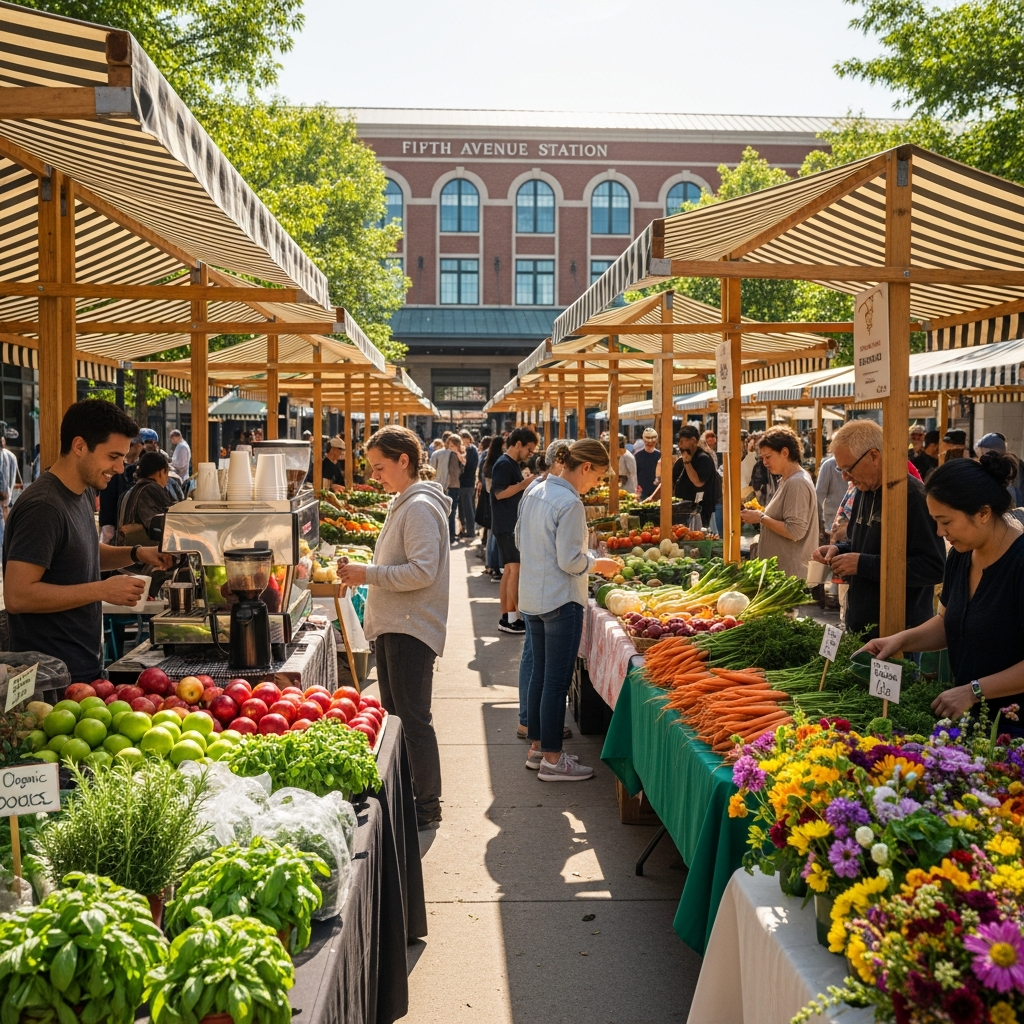
On Saturday mornings in Naperville, the energy around the farmers market hums like a well-tuned string section. You can feel it in the air near the Fifth Avenue Station: the mix of coffee steam, cut flowers, and the crisp scent of apples or herbs depending on the season. For many of us, this weekly ritual is more than a shopping trip—it is where we reconnect with the land that feeds our city and with neighbors who share a love of honest food. If you are seeking organic options, the market rewards attention and curiosity. Before you head out, it is smart to bolster your market game by scanning a local grocer’s organic foods department online to note what is in season and to plan how market finds will complement the rest of your week.
The beauty of our market is the conversation. Growers explain how spring frosts nudged planting dates, how soil health shows up in the sweetness of carrots, and why a particular tomato resists cracking after heavy rains. You taste the answers as much as hear them. That education, repeated week after week, helps Naperville cooks become more intuitive: we choose by scent and feel, not by marketing claims.
Reading the Market Like a Local
Arrive with an open mind. The stand you loved in July will shift in September; lettuces give way to hearty roots, peaches yield to pears. Walking a full loop first lets you compare quality and imagine meals. The best organic stalls display their certifications, but more important is the farmer’s fluency when you ask about rotations, pest management, and harvest timing. Look for produce that still holds morning cool, bunches that are firm at the stems, and fruit that feels dense for its size.
Bring your own bags and a couple of containers for delicate items. A good egg carton or a small tin for berries can spare you heartbreak on the walk back to the car. Most vendors appreciate gentle handling, and you will appreciate arriving home with pristine goods ready to cook.
Seasonal Highlights Through the Year
Spring announces itself with shoots and snips—green garlic, tender lettuces, radishes that taste like sunshine waking up the soil. By early summer, strawberries arrive, and with them, the irresistible call to make shortcakes or quick jams. Mid-summer can feel like a parade: tomatoes in every hue, basil bunches perfuming the air, cucumbers ready for cool salads, peppers begging for the grill. As fall settles, the palette warms—squash, beets, carrots, and kale taking their turn in the spotlight. Each phase invites different cooking methods: raw and bright in spring, fast and flame-kissed in summer, slow and caramelized in autumn.
Knowing these waves keeps waste low and excitement high. When you shop with seasonal maps in mind, you buy what wants to be eaten now, and your meals snap into focus without overthinking.
Pairing Market Finds with Pantry Staples
Great market hauls rely on a supportive pantry. Whole grains, good oils, broths, and a few condiments turn produce into dinner. When I spot a deal on herbs, I plan sauces and dressings for the week; when stone fruit is perfect, I build breakfasts around them. A fast way to stay inspired is to skim a store’s organic foods selection midweek and plot out which staples will amplify the next market run—perhaps farro for a tomato salad or tahini for roasted carrots.
Having that scaffolding prevents the Sunday-night stare into the fridge and turns the market from impulse buying into genuinely strategic cooking.
Talking with Growers and Makers
One of the best parts of the Naperville market is the access to the people who grew or crafted what you are buying. Ask about varietals; ask how they prefer to cook something; ask how long you can expect peak flavor. They will likely answer with stories—about a dry spell that intensified sweetness or a cooler morning that tightened the crunch on lettuces. These details help you decide what to eat first and what can wait until Tuesday or Wednesday.
For meats, eggs, and dairy, do the same. Ask about pasture access, feed, and handling. You are not interrogating; you are learning. And that learning builds meals that taste of care.
Storing and Prepping for the Week
When you get home, give produce a little attention. Trim radish greens so bulbs do not wilt. Wrap herbs in slightly damp towels and tuck them in the crisper. Rinse greens only when you are close to eating them unless they arrived sandy, in which case a spin and dry will extend their life. Prepping a few items right away—roasting beets, washing lettuce, slicing melon—makes weekday cooking breezier and ensures nothing languishes unnoticed.
Think in pairings: roast extra vegetables for grain bowls; save stems for stock; turn bruised fruit into sauce or a quick compote. These habits stretch your haul and keep waste low.
Market Manners and Flow
The market’s charm depends on calm, even when it is busy. Vendors appreciate patient lines, gentle handling, and exact change when you can manage it. Fellow shoppers appreciate a clear path through stalls and a quick step aside when you need to pause. Move with the rhythm of the morning and you will find the experience as restorative as it is practical.
Parking near Fifth Avenue Station usually works if you arrive early, but even if you walk in from a few blocks away, the stroll sets the tone. As you head back to the car with full bags, it is hard not to feel like you are bringing home a bit of Naperville’s heart.
Cooking Locally, Eating Joyfully
Markets sharpen your senses. After a few visits, you will begin to trust touch and scent as guides, and your cooking will respond. Salads need less dressing when greens are vivid; soups need fewer ingredients when squash is dense and sweet; a peach can carry dessert all on its own. It is a reminder that recipes are suggestions, not rules, and that great food in our town starts with listening to the season.
Keep notes on what you loved and what you want to try again. Swap tips with neighbors and share extras when you can. Food becomes a conversation, not a chore.
Frequently Asked Questions
Q: How do I confirm whether a vendor’s produce is certified organic?
Ask directly and look for signage. Many vendors post certification details, and most are happy to discuss their growing practices and paperwork. The clarity of their answers is a strong indicator of integrity.
Q: What time should I arrive for the best selection?
Early morning offers the widest choice and the coolest temperatures. It also gives you more time to stroll, compare, and chat without crowd pressure.
Q: How can I keep leafy greens fresh after market day?
Dry them well, wrap them in a damp towel, and store in a breathable bag in the crisper. Avoid crushing by keeping them on top of heavier items.
Q: Is it okay to taste before buying?
Many vendors offer samples when feasible. Always ask before touching and use the sample cups or slices they provide. When in doubt, ask for a small taste and they will guide you.
Q: What if I buy too much?
Prioritize the most perishable items first, cook and freeze extras, and share with neighbors. Some produce can be pickled or quick-fermented for extended enjoyment.
Ready to make market mornings fuel your whole week? Pair those just-picked treasures with a grocer’s well-stocked organic foods department, and you will have everything you need for vibrant, local meals that taste like Naperville at its best.