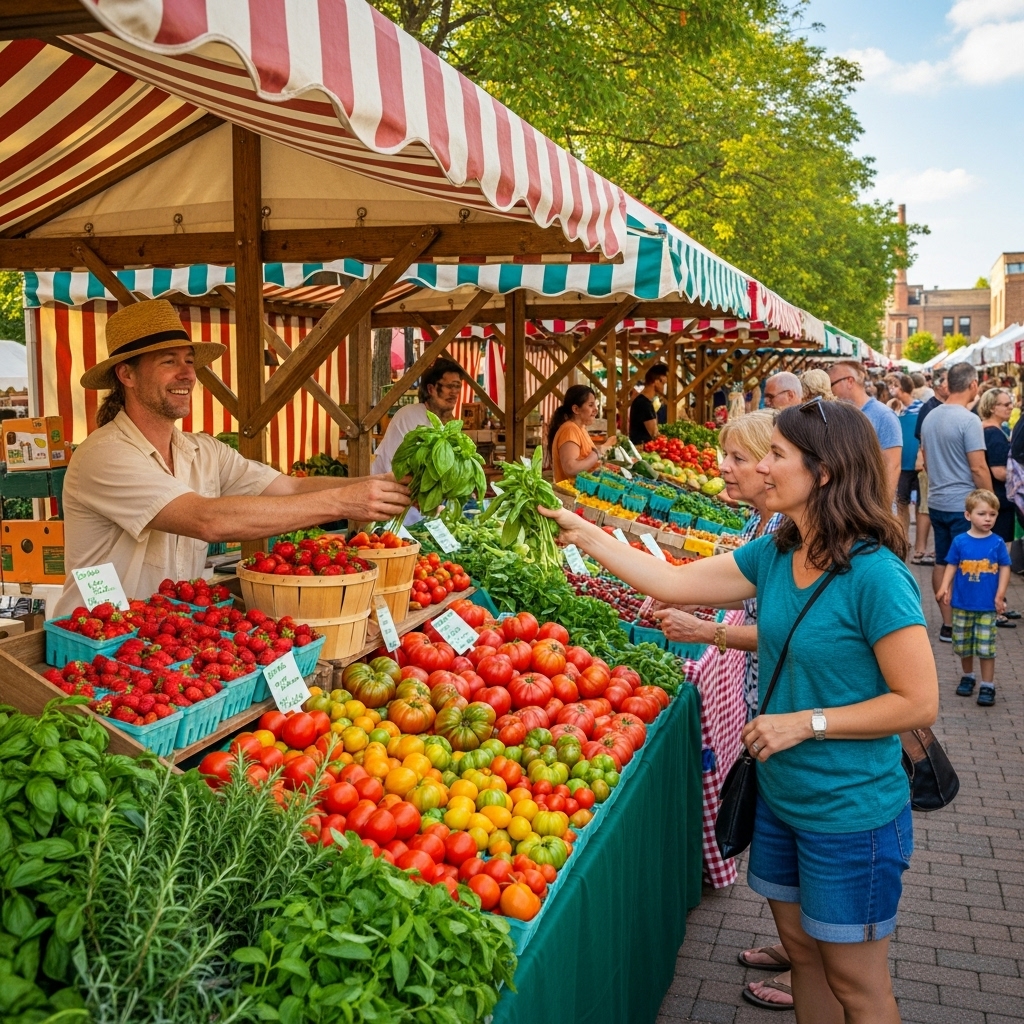
On a sunny Saturday in Naperville, there’s nothing quite like the first glance down a farmers market aisle. The colors are brighter than you remembered, the air carries the scent of herbs and warm bread, and the conversations are equal parts cooking tips and gardening lore. For organic food lovers, the market is where eating well becomes wonderfully tangible: you can hear how the week’s weather shaped the spinach, smell the sweetness in a basket of strawberries, and learn exactly which field produced the carrots you’re holding. When I plan a market day, I often start by scanning what’s in season across local shops and the online listings for a store’s organic foods selection so I know which staples I’ll skip at the market and which I’ll hunt down from growers instead.
Why the Farmers Market Matters for Organic Shoppers
Markets bridge the space between label and landscape. You’re not just trusting a certification; you’re meeting the people who coax flavor from soil and time. For Naperville shoppers, this matters because it shapes how we cook for the rest of the week. A good market haul reframes dinner plans. Maybe the tomatoes are so fragrant that pasta turns into a caprese-inspired salad with organic mozzarella. Perhaps you find an unusual variety of cucumber and decide to make a chilled soup. The market isn’t only about what you buy; it’s about what those ingredients inspire you to do. And because selection changes fast, arriving with a flexible mindset means you’ll leave with food that’s at its best right now.
Early Hours, Fresh Picks
Arriving early gives you the quiet minutes needed to choose well. You’ll see which stands overflow with greens that stand tall rather than slump, which berries hold their shape, and which herbs release a bloom of fragrance as soon as you touch them. These details guide your choices more reliably than any list, and they help you build a week of meals that feel vibrant instead of dutiful. If you’re new to the market, ask vendors about their growing practices; they’ll gladly explain their approach to soil health, pest management, and harvest timing. Those conversations will sharpen your eye and make you a better shopper, whether you’re buying radishes or rutabagas.
Seasonality as a Naperville Rhythm
Our market is a living calendar. Spring eases in with tender greens, asparagus, and the first herbs. Summer bursts with tomatoes, cucumbers, peppers, corn, and stone fruit that seems to glow from within. Fall brings apples in a dozen personalities, winter squash that roasts into velvet, and hardy greens that hold up to braising. Even in late season when the weather turns, you’ll find surprises—cold-hardy lettuces that taste like the last bright day of autumn or jars of preserved produce that carry summer forward. Shopping with the seasons isn’t just a romantic idea; it’s a practical way to maximize flavor, nutrition, and value. The market teaches you to listen to the calendar with your senses.
Talking to Growers: Your Best Shopping Tool
One of the joys of farmers markets is the steady flow of conversation. Ask growers how they recommend using a particular vegetable, and you’ll collect a handful of kitchen tricks. They’ll tell you which cucumbers stay crisp in a salad and which are better for quick pickles, or how to roast carrots with just enough heat to caramelize their edges. When you handle the produce while listening to the person who grew it, you start to cook more intuitively. You’ll also learn how weather shaped flavor—how a cool week amplified sweetness in lettuce or a stretch of heat coaxed a tomato into full ripeness. These stories carry home with your haul and show up on the plate.
Building Meals From Market to Table
I like to build a market meal around a few anchors. A basket of tomatoes and basil becomes a fresh sauce for pasta or a salad with good olive oil and a splash of vinegar. Greens and eggs from a neighboring stand make a frittata that slips into two dinners and a lunch. Stone fruit finds its way into yogurt in the morning and a simple dessert at night. The trick is to let the produce lead and then fill gaps with pantry staples. If you’ve previewed a local store’s shelves, you’ll know which organic items—broth, grains, olive oil—you already have at home, and which you’ll pick up later. Thinking this way makes the market feel like the creative center of your week rather than a one-off splurge.
Preserving the Peak
Sometimes the market overwhelms your plans in the best way. You taste a berry that feels like July itself and decide to buy an extra box. When that happens, you can preserve the moment with simple methods. Roast extra tomatoes and freeze them flat in bags; they’ll become a winter sauce that tastes like summer. Make a quick refrigerator pickle with cucumbers, vinegar, salt, and herbs. Freeze cut peaches on a sheet tray, then bag them for smoothies and cobblers. You don’t need elaborate equipment to stretch the season—just attention and a few basic containers. Naperville cooks have been doing this quietly for years, and it’s a tradition worth adopting.
Choosing With Your Senses
Labels matter, but your senses are your most reliable guides at the market. A ripe melon will smell sweet near the stem end. A good tomato will feel full without being hard. Herbs should be perky and aromatic, not limp. Carrots tell you their story through their tops—if they’re fresh and green, the roots likely hold moisture and sweetness. Taste when invited, and trust your tongue. With a few weeks of practice, you’ll make faster, better choices, and your kitchen will reflect that confidence. The joy of organic shopping is that the quality is visible and tangible; you won’t need to debate every item when the produce itself makes the case.
What to Pair From the Grocery Store
Even the most devoted market-goers round out their haul with grocery store staples. After a morning among the stands, I’ll swing by a familiar shop to pick up grains, olive oil, vinegar, and a few proteins if I didn’t find what I needed at the market. A quick look at a store’s organic foods section ahead of time lets me avoid backtracking later. The goal is to keep momentum and preserve the mood the market creates. When you walk in with basil in your bag and tomatoes in your mind, you shop differently—you reach for ingredients that support what’s freshest rather than forcing a plan that doesn’t match the season.
Storing Your Finds So They Shine
The right storage turns a great market morning into a great week of meals. Treat greens gently: spin them dry and store in a breathable container. Stand herbs in a jar with a bit of water, loosely covered. Keep stone fruit on the counter until fragrant, then chill to hold. Tomatoes belong at room temperature. Fragile berries prefer to be eaten soon; if you must wash them early, dry thoroughly and store on a paper towel to wick moisture. With roots, trim the tops to keep the moisture in the vegetable. These small habits protect the flavor you fell in love with at the stall and reduce the chance of waste.
Cooking Simply and Well
The best market meals are simple. Roast vegetables hot and fast so they caramelize. Dress salads with good oil, a bright acid, and a pinch of salt. Cook eggs gently so they stay tender. When the ingredients are this good, you don’t need complexity. In fact, complexity can get in the way. Let a tomato be a tomato; give it a platform to shine. The same goes for squash, peppers, cucumbers, and herbs. Each wants a method that highlights its strengths. You’ll find that dinners come together quickly, and the flavors feel larger than the effort required.
Market Etiquette and Enjoyment
Farmers markets work best when we treat them as living neighborhoods. Step aside when you need a moment, give kids the job of choosing fruit, and bring bags so vendors don’t run short. Ask questions, but read the crowd; if a line is building, circle back when things ease. Most of all, be curious. If you don’t recognize a vegetable, ask what to do with it. You’ll collect a small encyclopedia of techniques over a season, and your cooking will expand in easy, natural ways.
FAQ: Naperville Farmers Market, Organic Edition
Q: How early should I arrive for the best organic selection?
A: Earlier is better, especially for delicate items like berries and herbs. The first hour offers calm browsing and peak choices before the day warms or crowds build.
Q: How do I verify organic practices at a market?
A: Ask vendors about certification and methods. Many growers will share details about soil care, pest control, and crop rotation. Your senses help, too—fresh, perky produce often reflects careful, organic-friendly practices.
Q: What should I buy at the market versus the grocery store?
A: Buy what’s fragile and flavor-driven at the market—greens, herbs, tomatoes, fruit. Pick up pantry staples, grains, and proteins at a trusted grocery so you can round out meals efficiently.
Q: How can I keep produce fresh through the week?
A: Store thoughtfully: dry greens, water for herbs, room temperature for tomatoes and stone fruit until ripe. Plan to eat delicate items first and save sturdier vegetables for later in the week.
Q: What if it rains or the weather is extreme?
A: Markets adapt, but selection may shift. Rain can make greens even fresher; heat can move berries quickly. Arrive early, buy what looks vibrant, and adjust your plan accordingly.
When the market morning winds down and you head home, you’re carrying more than groceries—you’re carrying momentum. Keep it going by pairing your haul with a few smart staples and cooking what wants to be eaten now. If you need a quick companion stop, preview a store’s organic foods lineup, then let your market treasures lead the way to dinner.