
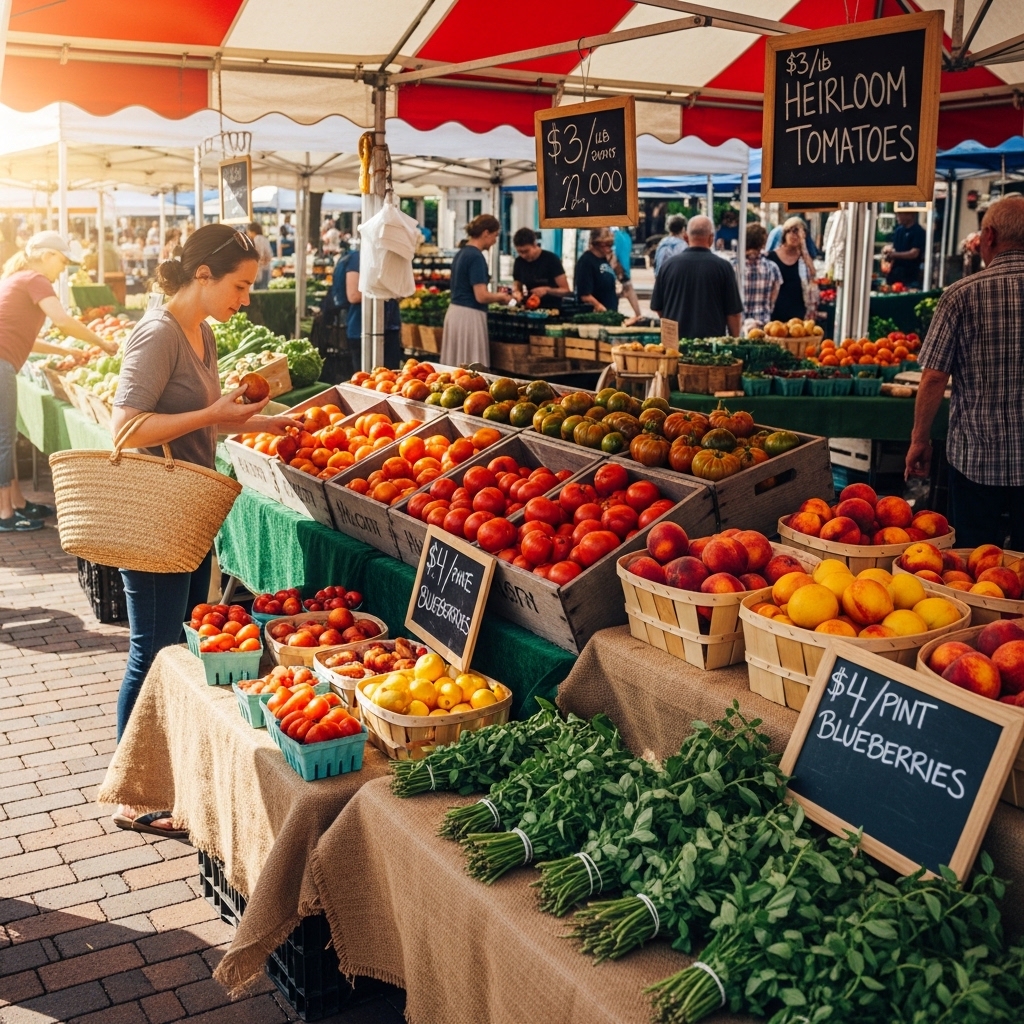
Saturday mornings in Naperville carry a special energy when the farmers markets are in full swing. The air smells like herbs and peaches, musicians tune up along the sidewalks, and shoppers move between stalls with a purpose: to bring home food that tastes like it was just pulled from the earth. For those who value organics, the market is a chance to meet the people who grow your food, to ask questions about soil and seed, and to see what the season is truly offering right now. If you are mapping out your weekends and want a dependable home base, consider visiting a local grocer’s organic foods department as a complement to your market haul—what you can’t find at the stalls, you can often round out there with equal care.
Why markets matter for organic shoppers
At a farmers market, transparency is immediate. You can talk to growers about how they manage pests, how they feed the soil, and which varieties they plant for flavor over shelf life. Many farms maintain organic certification, and others follow the principles closely while working toward certification. What you gain by speaking directly is context: why one stand’s tomatoes are especially sweet this week, how the recent rainfall affected greens, or which apples hold their snap better in a lunchbox. Those details shape how you cook and how long your food lasts at home.
Markets also offer a sense of momentum. You feel the shift from spring to summer as the first strawberries appear, then cherries, tomatoes, and sweet corn. Fall carries the scent of apples and squash, and winter markets keep you cooking with storage crops, local grains, meats, and preserved goods. This rhythm aligns with how many Naperville families cook—lighter, raw preparations in summer; roasts, soups, and stews as the days cool—which means the market can become your meal plan in real time.
Choosing stands and reading the season
As you move through the market, look for displays that are tidy but not overstyled, with produce that looks recently harvested. Greens should stand upright as if they still remember the field. Root vegetables feel firm and cool to the touch; apples are heavy for their size. Ask what’s tasting best and what will be fleeting. Some items arrive for just a week or two—delicate greens, early cherries—and a quick conversation helps you plan when to buy and how much.
One of the gifts of market shopping is trying varieties you won’t always see in stores: unusual tomatoes, heirloom beans, small apples with concentrated flavor, or peppers that roast to a soft sweetness in minutes. You can ask farmers which variety suits a particular dish and how they prefer to cook it at home. When a vendor gets excited, pay attention; it usually means the flavor will reward your curiosity.
Organic standards and practical choices
Certification signals that a farm follows specific rules, but trust also grows through conversation. Farmers who practice organic methods will talk about cover crops, crop rotation, compost, and beneficial insects with an ease that comes from daily work. If a stand isn’t certified, ask how they approach soil health and pest management. Many will be candid about the tradeoffs they make and the steps they take to protect both the ecosystem and your plate. That candor helps you make confident choices even when labels aren’t present.
It’s also wise to pair the market with a reliable store. On weeks when a storm limits selection or a heat wave shortens shelf life, you can fill gaps at a grocer that holds high standards. Think of the two as partners: the market provides what’s at peak right now, and the store rounds out pantry goods, dairy, and items that travel better from a controlled environment. This partnership keeps you cooking organically without interruption.
Carrying the market home
Bringing produce from open-air stalls to a cool kitchen is its own skill. Carry a soft-sided cooler in summer for berries and greens, and keep a few towels in your bag to separate tender herbs from heavier roots. At home, triage quickly. Rinse and spin greens, trim herb stems and set them in water, and leave tomatoes and stone fruit on the counter to ripen if needed. Root vegetables and apples can go straight to the crisper. If you cook later in the week, roast a tray of vegetables on market day so you have a head start; they rewarm beautifully and turn salads and bowls into full meals in minutes.
Preserving even a little extends the market into the next week. Quick pickles make cucumbers last and lend brightness to grain bowls; slow-roasted tomatoes hold their sweetness for sandwiches and sauces; extra herbs blitz into a simple oil you can drizzle over everything. These small acts mean that the energy of Saturday morning carries into Tuesday and beyond.
Cooking with confidence and restraint
Market cooking rewards simplicity. When an ingredient is vibrant, you don’t need much—good oil, salt, and maybe a squeeze of lemon. A salad of ripe tomatoes and basil is complete with just a little attention to seasoning. Sweet corn becomes dinner when shaved off the cob into a skillet with butter and herbs. In cooler months, squash and onions roast into caramelized comfort, and greens wilt silkily in a pan with garlic. The skill is in knowing when to stop. Let the flavors be themselves, and you’ll find that even the quickest meals feel generous.
For families, the market can be a classroom. Kids who pick out their own apples or tomatoes are more likely to eat them, and they learn without lectures that food has seasons. When they meet the people who grow their food, they connect taste with effort, and that respect tends to spill over into the kitchen at home. A child who saw the first purple carrots of the season will often ask for them again, and suddenly your weeknight sides have more color.
Blending market finds with a trusted store
Most Naperville cooks do not rely on the market alone, and that’s part of the practicality. After you stroll the stalls, stop into a grocer with strong standards to fill in yogurt, grains, broths, and specialty items. During the middle of the week, when the crisper is thinning out, a quick visit keeps you on track until Saturday returns. If you haven’t in a while, check the store’s organic foods aisle to see what pairs well with your market haul. You might discover a new whole grain for salads, a cheese that flatters roasted peppers, or a dairy alternative that blends beautifully into smoothies.
Weather, season, and smart timing
Naperville weather shapes market strategy. On warm days, arrive early for the liveliest greens and berries, and on cool mornings linger to taste apples and chat with growers. If rain is in the forecast, pack an extra bag and be flexible; sometimes a storm changes what appears, and a surprise can become the best part of your basket. Ask vendors about their schedules and what’s coming soon. Knowing when peaches will peak or when the first winter squash will arrive lets you plan with anticipation rather than impulse.
Time your market visit with your cooking windows. If Sunday afternoon is meal prep, shop Saturday for the week’s base and hold a few slots open for a midweek refresh at a nearby store. When you shop with intention—one eye on what’s gorgeous now, another on when you’ll cook—you waste less and enjoy more.
Frequently Asked Questions
Here are answers to common questions from Naperville market-goers who want to make the most of organic options without overcomplicating their week.
How do I verify that a vendor is truly organic?
Ask directly about certification and farming practices. Many vendors will display certificates, and most will happily explain how they manage soil, pests, and crop rotation. The conversation is as important as the label; you’ll learn how a farm aligns with your values.
What should I do first when I get home from the market?
Wash and spin greens, stand herbs in water, and keep delicate fruits on top in the refrigerator. Roast or blanch some vegetables right away if you plan to cook later in the week. Quick organization preserves quality and makes weeknight meals easier.
Can I rely on the market for all my groceries?
Most families blend market shopping with a trusted store. Markets excel at peak-season produce and specialty finds, while stores provide pantry staples, dairy, and items that benefit from controlled storage. The combination keeps your meals both inspired and steady.
How do I keep berries from spoiling before midweek?
Buy berries dry, keep them chilled, and rinse only before eating. If you see moisture accumulate, transfer them to a shallow, lined container to reduce humidity. Eat the softest ones first and reserve the firmest for later in the week.
Are there good options in colder months?
Yes. Winter markets and reliable stores carry storage crops like squash, carrots, and potatoes, along with citrus and pantry goods. Use these foundations to build soups, roasts, and salads with hearty greens so you stay in season even when fields are resting.
What’s the best way to carry fragile market items?
Use a soft-sided cooler with small containers for berries and a towel to cushion greens. Keep heavy roots at the bottom of your bag and delicate herbs on top. At home, triage immediately so items don’t wilt in a pile.
Make market mornings part of your Naperville routine
When you combine the spontaneity of the market with the reliability of a strong organic selection at a trusted store, your kitchen benefits week after week. Let the stalls guide what’s for dinner, then round out the rest by visiting a grocer’s organic foods department. With a little planning and a lot of enjoyment, you’ll eat in step with the seasons and bring home flavors that feel like Naperville at its best.