
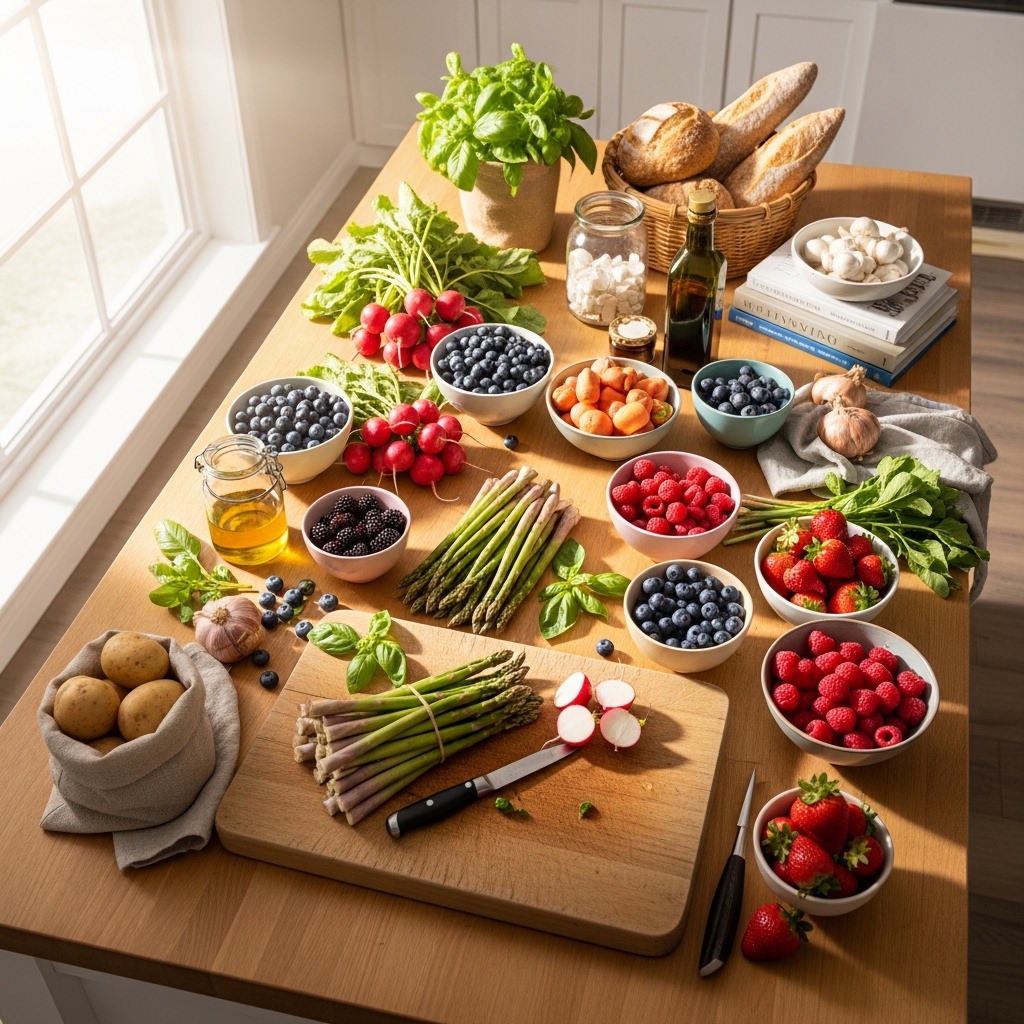
Freshness is both a science and a feeling, and in Naperville we learn to read it through the seasons. On Saturday mornings by the Riverwalk or on hurried weeknights along 75th Street, the best meals start with ingredients that look alive and taste like the moment they were harvested. When you step into a good produce section, you can sense the care that went into each display: herbs that still breathe, greens that spring back, fruit that glows with natural color. If you are shaping a routine that keeps your kitchen stocked with vibrant ingredients, consider beginning with a reliable store’s organic foods department and use the seasons as your guide.
The rhythm of Midwest seasons on your plate
In spring, Naperville kitchens wake up to tender greens, asparagus, radishes, and herbs. The first warm days inspire simple salads, lightly dressed to let the flavors speak. By summer, the palette expands to tomatoes, sweet corn, cucumbers, peppers, peaches, and berries—ingredients that taste best when touched as little as possible. Autumn brings apples, squash, hearty greens, and roots that shine in roasts and braises. Winter shifts toward storage vegetables, citrus, and pantry staples that help soups, stews, and casseroles carry you through the cold. Knowing this rhythm not only helps you shop, it helps you cook, because each season invites techniques—raw and chilled in summer, roasted and simmered in fall and winter—that reveal the best of what you bring home.
Within that rhythm, trust your senses. Spring asparagus should snap cleanly and smell faintly green. A summer tomato carries a gentle perfume even before you slice it. Apples are firm and heavy for their size, their skins tight and unblemished. With practice, you begin to find small cues: the way a cucumber’s skin reflects light, the lively texture of cilantro stems, the sheen on a bell pepper that suggests crunch. These signs are universal, but you learn them locally, noticing which stores consistently deliver those qualities and which days of the week bring the liveliest shipments.
How to choose produce that lasts and tastes great
The art of choosing organic produce is partly about ripeness for the day you plan to cook. If you’re making a salad tonight, go for tomatoes with a soft give and the aroma of summer; for later in the week, pick firmer fruit and leave it to ripen at room temperature. Select avocados in stages—one ready now, one for midweek, another for Friday night tacos. Berries should be dry and plump, with no juice stains in the container. Leafy greens look pert, not limp, and their edges should be free of darkening. When buying herbs, favor bundles with sturdy stems and leaves that release a light fragrance when you rub them gently.
Storage begins at the cart. Keep delicate items on top, away from weighty roots and jars, and separate aromatic foods like onions and garlic from berries and greens. Once home, wash and dry greens immediately, then store them in breathable containers with a clean towel to absorb moisture. Herbs last longer when treated like flowers—trim the stems and stand them in a jar of water in the refrigerator, loosely covered. Tomatoes prefer the counter; cucumbers and peppers are happiest in the crisper. These small habits compound into better flavor throughout the week.
Pantry partnerships for fresh produce
Fresh produce performs best with the right supporting cast. Good olive oil, citrus, vinegars, and thoughtfully chosen salts can elevate simple vegetables into memorable meals. Whole grains, beans, and broths turn salads into dinners and soups into satisfying lunches. In Naperville, where weeknights can be hectic, a reliable pantry allows produce to shine without elaborate recipes. A box of organic pasta meets blistered cherry tomatoes and basil; a pot of beans welcomes chopped greens and a squeeze of lemon; roasted squash becomes a creamy base with a ladle of warm broth. When the pantry is ready, fresh ingredients become less perishable and more versatile.
Dairy and plant-based proteins also play a role. A tangy yogurt can double as a sauce for roasted vegetables, and a crumbly cheese adds lift to leafy salads. Tofu or tempeh brings substance alongside stir-fried peppers and snow peas. If you eat meat, well-sourced chicken or a small cut for the grill can stretch across multiple meals when paired with abundant vegetables. As with produce, quality matters more than quantity. Buy what you need, treat it with care, and let flavor guide you.
Cooking techniques that honor freshness
Technique is the bridge between what you buy and what you taste. Searing, roasting, and quick sautéing coax sweetness from vegetables; steaming preserves color and tenderness; grilling adds smoke that flatters summer produce. For greens, a quick wilt in olive oil with garlic keeps texture intact and turns a side into a main when spooned over grains. Berries ask for a light hand—rinsed only before eating, scattered over yogurt or blended with ice and citrus for a cool drink. Apples welcome both raw crunch and slow heat, taking on spice when simmered into sauce.
Seasonings and dressings are a way to showcase produce without overwhelming it. A simple vinaigrette—lemon, oil, salt—can wake up a bowl of greens. Fresh herbs tie the room together; mint adds brightness to cucumbers, basil sweetens tomatoes, and dill brings life to roasted carrots. When you salt thoughtfully and allow a rest after dressing, flavors have time to settle, and the difference is striking.
Navigating the market with a local’s eye
Naperville shoppers learn to map the store like a familiar route. Start with produce, where you’ll get a read on the season, then pass the dairy case to see what pairs well—a kefir for smoothies, a yogurt for sauces, a cheese to finish roasted vegetables. As you move through the aisles, stick to core pantry items you trust and add one or two new ingredients for inspiration. Talk to the staff. Ask which berries are showing best this week or whether a particular green cooks down silkier than another. These conversations deepen your understanding of what’s fresh now and how to treat it.
Midweek visits can be useful, especially for delicate items. If you shop heavy on Sunday, plan a quick stop on Wednesday for herbs and salad basics. That simple split keeps meals bright without requiring a full second trip. Over time, you’ll notice the store’s rhythm—when the crispest greens are out, when berries are at their best—and you can sync your visits to those peaks.
When freshness travels: meals for busy days
Fresh, organic meals don’t have to be elaborate to be memorable. Think of salads with substance, grain bowls that welcome a jumble of vegetables, and sheet pan roasts that caramelize roots and brassicas while you set the table. On the go, sliced apples with nut butter, cucumbers with yogurt dip, or carrot sticks with hummus keep energy steady without weighing you down. If you prep components on Sunday—roasted vegetables, cooked grains, washed greens—you can assemble quick dinners after work that still feel like a treat.
Kids often respond to freshness when it’s visible. A small platter of vibrant vegetables or fruit on the counter tends to disappear as family members pass by. Keep a rotation of what’s exciting now—berries in summer, citrus in winter, crisp apples in fall—so the kitchen always has something bright within reach. The best part is that these habits quietly teach a sense of season, a lesson that lasts.
Connecting selection with standards
Periodically, take stock of your staples. Are the greens consistently perky? Do apples hold their snap through the week? Does the yogurt you like remain thick and tangy? If you mostly shop online, pop into the store now and then to see how the displays look and to talk with staff about what’s peaking. Use that visit to revisit the store’s organic foods selection and see if new items fit your routine. You might find a grain that cooks faster on weeknights or a new variety of apple that holds its shape in the skillet.
Naperville flavors at the table
Cooking in Naperville is an invitation to bring the outdoors in. Summer dinners practically make themselves—sliced tomatoes layered with basil, grilled zucchini finished with a squeeze of lemon, berries tossed with a spoon of honey. Fall leans cozy with roasted squash, kale sautéed with garlic, and apples tucked into savory dishes as readily as they are into pies. In winter, soups simmer while you unwind, built on onions, carrots, celery, and beans, with a flourish of greens at the end. Spring returns with bright salads and brothy bowls that match the longer light. With good ingredients, even the simplest plates feel generous.
Don’t underestimate the power of a garnish. A shower of chopped herbs or a twist of citrus peel turns a familiar dish into something that feels new. Toasted nuts add texture to salads; a dollop of tangy yogurt brings balance to roasted roots. When you begin to think in these small, finishing touches, you make the most of produce even on nights when time is short.
Frequently Asked Questions
These are the questions Naperville cooks often ask when they want their kitchens to run on freshness without fuss.
How do I keep greens lively all week?
Wash, dry, and store them in a breathable container with a clean towel to absorb moisture. Avoid crushing them in the crisper, and dress salads just before serving so the leaves keep their texture. A midweek refresh—spinning and replacing the towel—can extend life even further.
What’s the best way to judge a tomato out of season?
Look for a gentle scent and some give near the stem, then set it on the counter for a day to develop flavor. In deep winter, consider roasting tomatoes to concentrate sweetness or pivot to citrus-based salads until the peak months return.
How should I handle berries so they don’t collapse?
Buy them dry and uncrushed, keep them chilled, and rinse only before eating. If you notice condensation in the container, transfer the berries to a shallow, paper towel–lined box to reduce moisture. Eat the softest ones first and save the firmest for later in the week.
Do herbs belong in water like flowers?
Many benefit from it. Trim the stems, place in a small jar with an inch of water, and loosely cover with a bag in the refrigerator. Basil is the exception; it prefers room temperature on the counter away from direct sun.
Which vegetables are most forgiving for busy weeks?
Roots like carrots and beets, hearty greens such as kale, and dense squash tend to last. Pair them with a few quick-cooking companions—cherry tomatoes, cucumbers, or prewashed salad mixes—so you can balance durability with immediacy.
How can I speed up weeknight cooking without sacrificing freshness?
Prep components ahead. Roast a tray of vegetables, cook a pot of grains, and wash greens on Sunday. With a few jars of simple dressings and sauces ready, you can combine elements in minutes and still taste the season.
Bring home what’s fresh and cook like a local
Freshness thrives when you shop attentively and cook simply. Start with a quick walk through a trusted store’s organic foods department, follow the seasons, and keep your pantry ready to support what you find. With a few steady habits and a willingness to let ingredients lead, your Naperville kitchen will feel alive year-round, and every meal will taste like the best of the moment.