Finding the right organic food store in Naperville is a bit like choosing a favorite path along the Riverwalk: there are many good options, but the best one is the one that fits your routine and reflects your values. Here, grocery shopping is not just about crossing items off a list; it is about freshness, relationships, and knowing that each purchase lines up with how you want to eat. I often suggest beginning the search online, where you can learn how a store defines its standards and see the breadth of its selection. A quick look at a shop’s dedicated organic foods department can tell you a lot about sourcing, seasonal priorities, and how they communicate with customers who care deeply about ingredients.
In Naperville, we cook to suit busy lives—after-school pickups at Washington Junior High, rehearsals at North Central College, Sunday family dinners that stretch into long conversations. A store becomes “yours” when it can keep pace with that life. That means produce with vitality, staples that are reliable, and a staff that can point you toward the ripest tomatoes without hesitation. It means clean aisles, thoughtful displays, and cold cases that do not fog with overwork. It also means clear signage so you can get in and out efficiently when a thunderstorm is rolling over Knoch Knolls and you promised tacos by six.
What Sets Great Organic Stores Apart
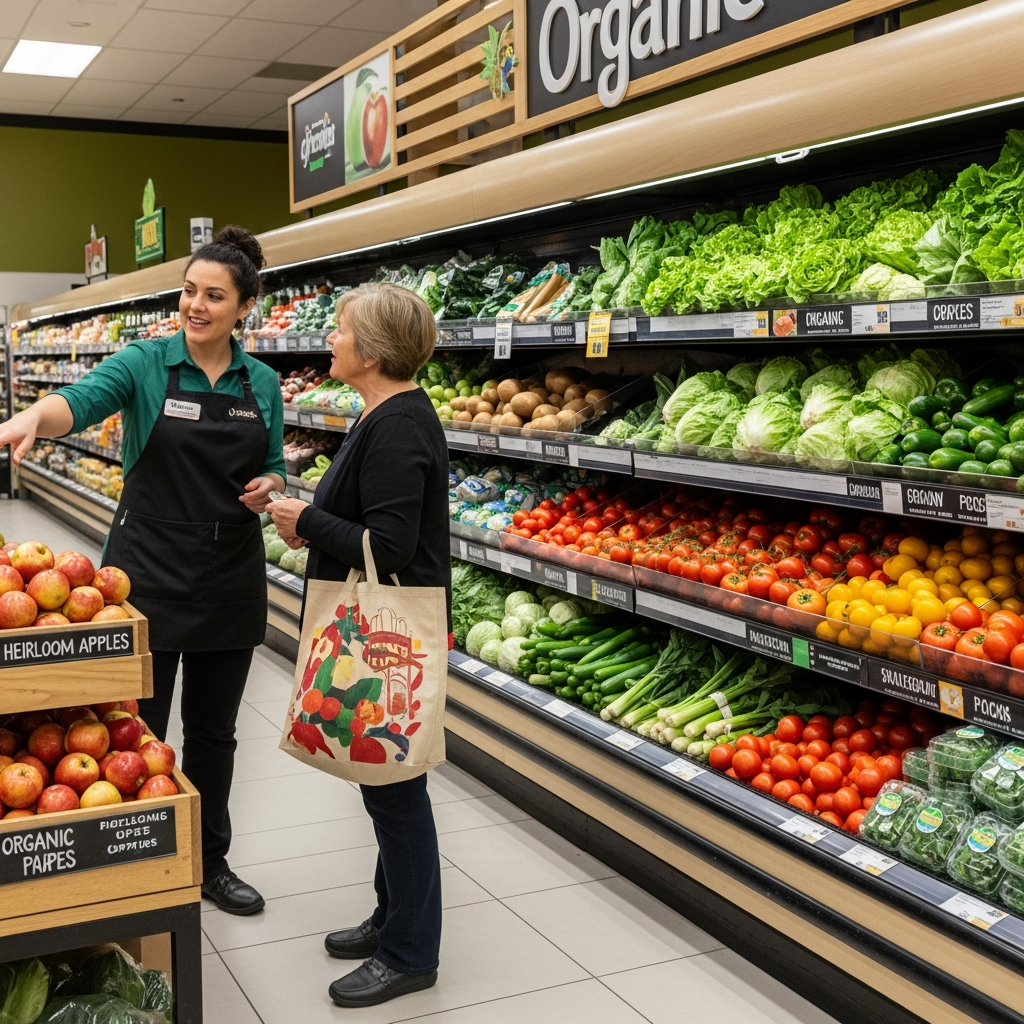
Quality is visible the moment you step in. Greens should look newly harvested, not tired; herbs should perfume the air from a few feet away; fruit should feel heavy with juice. The best stores arrange items with purpose, keeping ethylene-sensitive produce away from fast-ripening fruits and protecting delicate leaves from gusts when doors swing open. These stores build their reputation by choosing suppliers they trust and by never compromising on handling.
Service is another marker. When a clerk can explain why one apple variety crunches louder than another or how to store mushrooms so they stay meaty instead of mushy, you know you have found a place that thinks like a cook. Ask about storage tips and you will hear advice grounded in practical experience, not guesswork.
Certifications, Labels, and Real-World Meaning
Labels should help you, not confuse you. Stores that care make their signage readable and their shelf talkers educational, explaining the difference between organic, non-GMO, fair trade, and regenerative practices. Transparency shines in how they discuss the off-season—are strawberries coming from far away this month, and if so, how are they tested and handled to meet your standards? Clarity builds trust, and trust keeps you coming back.
Many Naperville shoppers also look for allergen-friendly notes, clean ingredient lists, and minimal packaging. A strong store anticipates those needs with dedicated sections and staff who can double-check an ingredient for you without delay.
Produce, Pantry, and Prepared Foods That Earn a Second Trip
Produce is the heartbeat, but the surrounding departments determine whether you can complete an entire week’s plan in one stop. Pantry shelves should offer whole-grain staples, quality oils, and a thoughtful range of beans and grains. Cold cases matter, too: dairy alternatives that behave well in coffee and baking, fermented foods with live cultures, and proteins that align with your ethics and taste. Prepared foods, when offered, should respect the same standards—no mystery ingredients, just simple recipes with organic building blocks.
When a storm surprises you or schedules tighten, prepared soups, salads, and entrées that mirror your cooking values can be a lifesaver. The key is consistency: a store that nails freshness and seasoning every time is worth its weight in weeknight calm.
Seasonality and Menu Planning
Naperville cooks are savvy about Midwestern seasons. We know when asparagus signals spring, when tomatoes hit their stride, and when apples flood the markets. The right store leans into that rhythm, forward-promoting what is about to peak and offering recipes that make it easy to pivot. In late summer, that might mean a salsa bar of peppers and heirlooms; in winter, suggestions for roasting roots until they caramelize. If you are ever unsure what to cook, browsing a store’s online organic foods selection can spark ideas that translate into a shorter, smarter in-person trip.
Seasonal cooking is not restrictive; it is liberating. It cuts down on decision fatigue and reminds you that great meals start with simple, perfect ingredients. A store aligned with that philosophy will help you cook better with less effort.
Layout, Flow, and the Art of a Good Shop
Navigation matters. In a well-designed Naperville store, you should be able to sweep from produce to proteins to pantry without backtracking. Cold items live near the end of the loop so they stay chilled. Bulk sections are clearly labeled and tidy, avoiding the spill-prone chaos that can plague lesser shops. Checkout lines move, but never feel rushed; baggers pack with care so tomatoes do not bear the weight of potatoes, and greens are protected on top.
Parking and entry flow are part of the experience, too. When a store manages its lot well, keeps carts clean, and offers covered cart returns for winter snow or summer storms, it shows they think about your entire visit, not just the seconds you spend in an aisle.
Staff Knowledge and Community Connection
Many of the best tips come from brief conversations. Ask a produce team member which melon is sweetest and you will likely get a confident answer and a quick cut sample if policy permits. Chat with someone at the cheese case and you may leave with pairings you had not considered. These small moments, repeated over time, create a sense of belonging. You are not just a shopper; you are a participant in a local food conversation that stretches from Fifth Avenue Station’s weekend buzz to Tuesday night at your kitchen island.
Stores that nurture that conversation often support local schools and gardens, host seasonal tastings, and collaborate with area farms. That civic-mindedness tends to show up in the food itself—fresher, more intentional, and proudly rooted in place.
Frequently Asked Questions
Q: How can I tell if a store’s produce turnover is fast enough?
Look for lively displays, minimal bruising, and crisp greens. Ask when deliveries arrive and which days are best for specific items. Quick, confident answers are a good sign that turnover is healthy.
Q: Do organic stores in Naperville offer good options for special diets?
Yes. Most carry a strong range of gluten-free, dairy-free, and plant-forward items, often grouped for easy shopping. Staff can typically point you to items that fit your preferences.
Q: Is it better to shop once a week or make smaller trips?
Both can work. Many families do a big weekend shop for staples and a smaller midweek stop for produce at peak ripeness. Adjust to your cooking habits and storage space.
Q: How do I evaluate an organic label beyond the marketing?
Ask about sourcing, certification, and handling. Stores that take integrity seriously will explain clearly, pointing to growers, seasons, and storage practices rather than buzzwords.
Q: What time of day is best for the freshest selection?
Early is often best, especially after delivery days. In Naperville, mornings also mean easier parking and a calmer pace, making it more enjoyable to linger over choices.
When you are ready to make one store your trusted partner, start with a visit, ask your questions, and pay attention to how the team handles food and conversation. If it feels right, let that relationship grow—and keep inspiration flowing by exploring their curated organic foods department so you always have flavorful, wholesome ingredients ready for your next Naperville dinner.