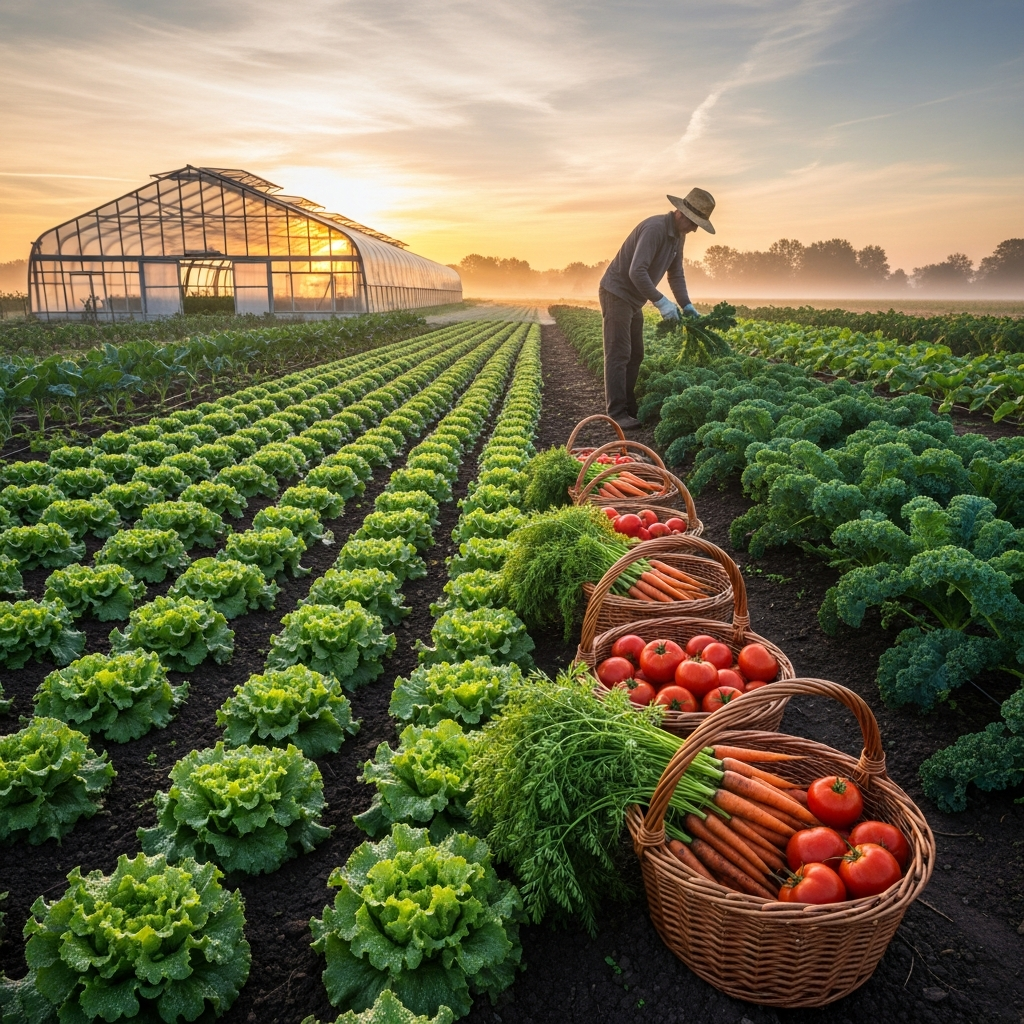
When people ask me where the best organic food in Naperville comes from, I point to the fields and greenhouses that rim our community, and to the growers who treat every harvest as a promise. You can taste it in the snap of a sugar snap pea from a farm day in June, in the scent of a tomato that practically perfumes your car on the ride home, and in the gentle sweetness of winter carrots pulled after the first frost. The easiest way to keep these treasures in your kitchen consistently is to blend farm-direct opportunities with the curated reach of a trusted retailer’s organic foods department, so your weekly meals reflect both what the land is offering and what your recipes demand.
Our local landscape shapes these flavors. The prairie soils south near Springbrook and the slightly sandier loams out toward the Fox River create distinct personalities in the same crops. Growers talk about rain timing the way bakers talk about oven spring. A gentle shower can swell a blueberry just right; a heat wave might ask a farmer to shade tender lettuces. These decisions, made row by row, produce the kind of food that makes simple cooking feel like a celebration.
Farms, Practices, and the Taste of Place
Organic farming here rests on a few pillars: building soil health with compost and cover crops, encouraging beneficial insects, rotating fields to prevent disease, and harvesting at the right moment. When you bite into a Naperville-area strawberry picked that morning, you experience those practices as flavor and texture. It is not a theory; it is the snap of a bean, the juiciness of a peach, the silk of a lettuce leaf that never saw a harsh spray.
Many local farms also extend seasons with hoop houses and greenhouses, which is why you can enjoy greens long after frost or get a jump on spring with early radishes. These structures do not replace the sun; they shape and protect it, allowing for gentler growth that keeps leaves tender and sugars balanced.
CSA Shares and Weekly Rhythm
Community Supported Agriculture connects households to fields with a steady cadence. Every week, a box appears with what is most beautiful. Some weeks, you feel spoiled by tomatoes; other weeks, you build meals around zucchini, beans, or greens. The joy is in the surprise and in the conversations that follow—recipes traded with neighbors, storage tips from farmers, and the confidence that your food was chosen with care. For families in Naperville, CSAs fit the calendar well: pick up on a Saturday after the Farmers Market or on a weekday that dovetails with kids’ schedules.
Not every week needs to be a mystery, though. Pairing a CSA with a quick stop for pantry items and proteins ensures your meals stay balanced. This is where a grocer’s curation shines, helping you round out a farm box with staples so dinner plans are set without multiple stops.
Seasonal Flavor, Simple Cooking
The best organic food rarely needs complicated recipes. Spring wants lemon and herbs; summer craves olive oil and salt; fall asks for heat and time; winter invites broths and roasts. When corn is peak-sweet, cut kernels straight into a bowl with tomatoes and basil, add a splash of vinegar, and call it perfect. When kale is crisp from cold nights, massage it with oil and toss with roasted squash. Let the season lead, and you will cook in a way that feels both effortless and deeply satisfying.
Teaching kids to taste seasonality is a gift. Ask them to smell a peach and guess if it is ready. Have them snap green beans and listen for the clean break. These small rituals make dinner a family project and help everyone appreciate what farmers do to make these moments possible.
Choosing With Confidence at Stands and Stores
At farm stands, look for signs of steady harvest: bins refilled gradually through the morning, greens kept shaded, and polite “sold out” notes when a crop ends for the day. Questions are welcome. Ask when the beans were picked, how to store beets, or which apple variety is eating best this week.
In stores, quality shows up in the handling. Misters should be tuned, not soaking. Tomatoes should not be chilled. Herbs should be bouncy and fragrant. Staff who can talk about where something came from and why it tastes good now are your best guides. A quick glance at a retailer’s organic foods page can preview what you will find on shelves before you arrive.
From DuPage to Neighboring Counties: A Regional Table
Naperville sits at a crossroads of rich agricultural areas. Farms in neighboring counties contribute berries, greens, eggs, and honey that round out our local table. Instead of worrying about strict borders, think in terms of the foodshed: the ring of land that regularly feeds our kitchens. When we support those producers, we are investing in a resilient, flavorful future in which kids learn that carrots come from soil, not plastic bags.
That wider network also keeps variety humming. When one farm’s peppers are late after a wet spring, another’s may be early on higher ground. The shared goal is steady, delicious food that respects the planet we all depend on.
Storage and Zero-Waste Habits
Bringing the best home is only half the equation; keeping it at its best is the other half. Trim greens from roots, store them separately, and revive tired leaves with a cool water soak. Save herb stems for stock. Turn extra tomatoes into a quick sauce. Freeze berries on a sheet pan, then bag them for smoothies. These simple practices stretch value and reduce waste, honoring the effort that went into growing each ingredient.
Composting, even on a small scale, closes the loop. It returns nutrients to the soil—your planter boxes, a community garden, or a neighbor’s plot—completing the story that began on a farm row at dawn.
Community, Education, and the Joy of Sharing
One of the quiet pleasures of living in Naperville is how quickly conversations about food become conversations about place. Swap recipes at a park, share extra zucchini with a neighbor, or invite friends for a simple meal that shows off what is thriving this week. Kids learn generosity and gratitude at the same table where they learn to love vegetables.
Farm tours, market chats, and school gardens all contribute to a food culture in which the distance from soil to supper is short and proudly visible.
Frequently Asked Questions
Q: How do I know which local farms follow organic practices?
Ask directly at stands or check farm materials for certifications and stated practices. Most growers are eager to explain their methods, from soil building to pest control, and welcome informed questions.
Q: What if a favorite item is out of season locally?
Shift to what is shining now and use a trusted store for high-quality alternatives. Many retailers balance local sourcing with broader networks to keep your meals varied without compromising standards.
Q: How can I keep produce fresh longer once I get home?
Handle items promptly: dry leafy greens, store herbs with stems in water, and keep tomatoes at room temperature. Label containers and plan a midweek meal that uses the most perishable items first.
Q: Are CSAs a good fit for picky eaters?
They can be. The surprise element introduces new foods in small, regular doses. Pair the box with a list of family favorites to ensure comfort alongside discovery.
Q: What is the simplest way to start cooking more locally?
Pick a seasonal anchor each week—like tomatoes, squash, or greens—and build two or three meals around it. Keep the rest of the ingredients simple so the anchor shines.
If you are ready to fill your Naperville kitchen with the kind of flavors only nearby fields can grow, blend farm-direct finds with a retailer’s well-curated organic foods department. That simple habit keeps your table joyful, your cooking grounded in season, and your support flowing to the farmers who make our food scene exceptional.