On any given weekend in Naperville, you can hear the town breathing in rhythm with its kitchens. There’s the early clatter of coffee mugs, the chatter of neighbors at the farmers market, and the hum of families making a grocery run before afternoon sports. Tucked within this routine is a place that quietly anchors our culinary life: the international market. It matters not just because it stocks shelves with far-flung flavors, but because it reflects who we are—curious, welcoming, and proud of the tapestry that makes Naperville home.
Walk through the doors and you’ll see familiar staples set alongside discoveries that nudge you to try something new. The market becomes a crossroads where longtime residents swap tips with new arrivals, where a grandmother’s recipe meets a college student’s first attempt at kimchi, and where everyday cooking gets elevated into something memorable. If you like planning your meals with a little inspiration from what’s fresh and exciting, peeking at current weekly deals is an easy way to jump-start your list before you step inside.
In a city framed by the Riverwalk, busy corridors like Route 59, and the family neighborhoods near 95th Street, convenience matters. But so does community. The international market sits at that intersection, helping us eat well while keeping our town stitched together by shared tastes and stories.
A Living Map of Our Community
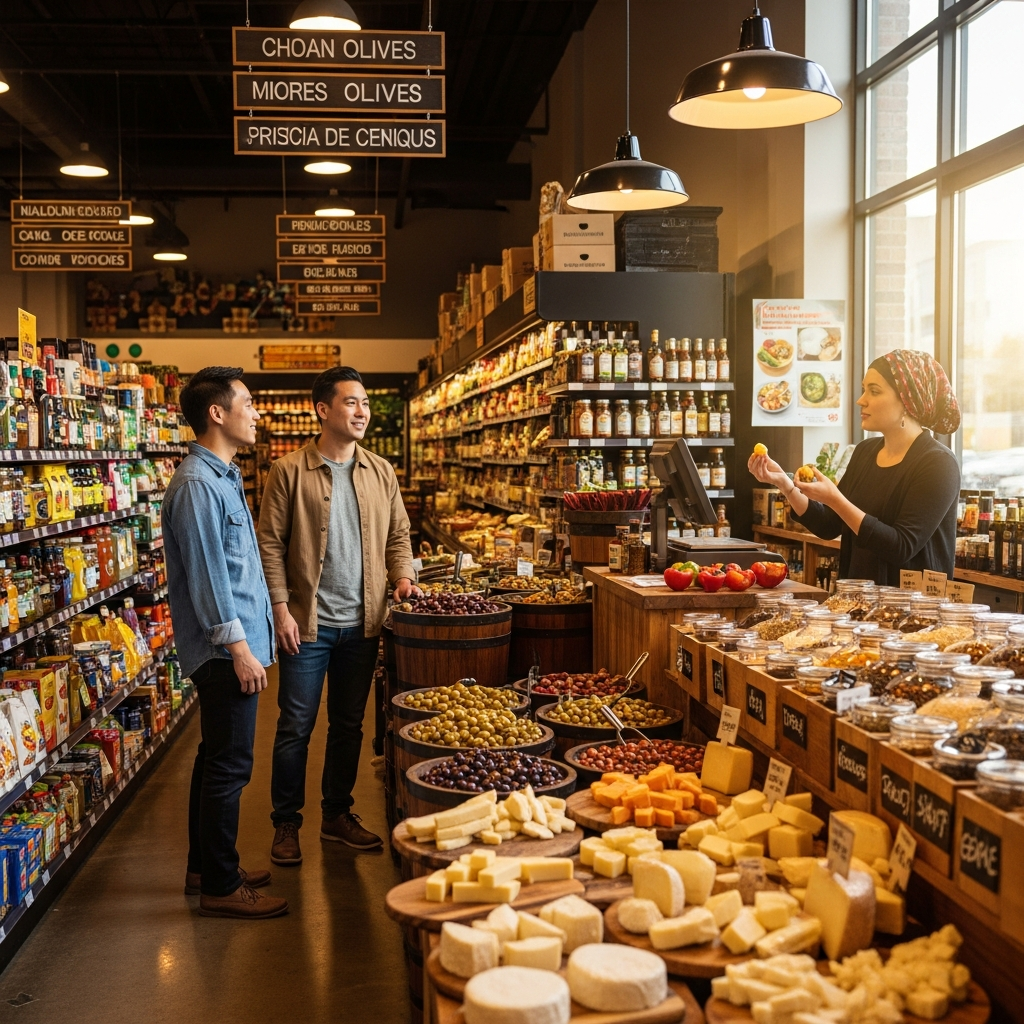
Spend a few minutes in the spice aisle and you’ll overhear language, laughter, and advice traded freely. It’s a scene that mirrors our schools, workplaces, and parks. The market is one of the few places where cultural exchange happens as naturally as tossing a bunch of cilantro in your basket. That matters in ways big and small. Kids taste something new and begin to understand a world bigger than their block. Neighbors from different backgrounds connect over a favorite brand of noodles or a technique for toasting spices. Food becomes the common ground we all stand on.
This everyday diplomacy deepens our sense of belonging. When a city’s pantry is global, its residents learn to celebrate difference without fear. We translate tradition into supper, and in the process we become more adept at hospitality, at listening, and at delighting in each other’s stories. That energy spills into block parties, school potlucks, and the way we welcome newcomers.
Resilience Through Variety
The past few years have taught us that adaptability is essential. International markets bolster resilience by widening our choices. Different grains, legumes, and spice blends open up alternate cooking paths when routine items are scarce or when you want to diversify your meals. A pantry built from multiple culinary traditions is a pantry that can pivot—toward soups and stews that stretch, toward bright salads that refresh, toward breads that comfort.
For local restaurants and home-based food businesses, the market is infrastructure. Chefs and bakers source specialty items that would otherwise mean long drives or online orders. That support helps our food scene thrive, whether you’re dining out near Downtown Naperville or inviting friends for a backyard meal in South Naperville. Variety feeds creativity, and creativity keeps a city’s palate lively.
Everyday Health, Elevated by Flavor
Eating well doesn’t happen by accident. It’s a set of small decisions repeated over time. The international market makes good choices more interesting. When produce mounds are stacked with herbs that scent your cart and fruit that begs to be sliced, it’s easier to build meals around color and crunch. When the spice section tempts you with warming blends and citrusy notes, it becomes second nature to layer flavor into vegetables, grains, and lean proteins.
Health experts often talk about sustainable habits. In practice, that means you’ll stick with what tastes good. A squeeze of yuzu or a dash of sumac can transform the familiar, and that kind of transformation turns a good intention into a routine you look forward to. Over time, your plate reflects your curiosity and care, and your weeknight dinners start to feel like a reward rather than a task.
Local Economy, Local Pride
Markets matter because they keep money moving through local channels. Jobs for young people getting their start, opportunities for vendors who supply baked goods and produce, and a platform for entrepreneurs testing new products—all of this spins out from a storefront we might otherwise take for granted. Naperville’s identity includes a strong backbone of small businesses, and the international market strengthens that backbone by attracting shoppers from across the region who appreciate selection and service.
There’s also an intangible pride that settles in when a store knows your name, your go-to grains, and your holiday traditions. Those relationships make errands feel personal. We sometimes underestimate how much that matters until we walk into a place that greets us like neighbors instead of transactions. Over years, those connections add up to a city that feels more like a village, in the best possible way.
Convenience Without Compromise
We’re all balancing calendars full of work, school, and community life. One of the core reasons the international market matters is that it delivers breadth without sending you on a scavenger hunt across town. You can pick up pantry staples, global specialties, and a few items you didn’t know you needed, then get back to your day. That convenience frees up mental space to cook, to host, and to linger at the table with family.
For home cooks building confidence, the market also lowers the stakes. It’s easier to experiment when the right ingredients are in one place, clearly labeled, and supported by friendly advice. A weeknight can hold a new curry or a rustic loaf because the path to get there feels straightforward.
Education in the Aisles
Think of the store as a classroom without desks. Labels become lesson plans, staff become teachers, and your basket is the exam you always pass. You learn how different rices behave, why certain chilies are fruity while others are smoky, and which vinegars lift a dressing without overpowering it. That learning keeps cooking joyful. It also empowers teenagers and young adults to step into the kitchen with less hesitation, building life skills that travel well beyond Naperville.
Local clubs, school groups, and neighbors often organize food-focused gatherings, and the market is fuel for those moments. A tasting of regional chocolates, a dumpling night where everyone folds a different shape, a spice swap that sends friends home with recipe cards—these are the social sparks that keep a community vibrant.
Mid-Trip Momentum
Halfway through your shopping, it helps to pause and look for inspiration. Check signs for new arrivals, ask what’s fresh at the deli counter, and take a quick look at current weekly deals to align what you’re craving with what’s shining today. That little recalibration keeps your cart balanced between the practical and the exciting, so you can cook to your mood throughout the week.
You might discover a citrus you’ve never tried, a spice blend that becomes your house favorite, or a noodle that turns a simple broth into a destination. Those finds become the stories you share, the gifts you bring to potlucks, and the reasons you return.
Tradition, Adapted With Care
Holidays and milestones carry flavors that anchor our memories. The international market matters because it protects those traditions while inviting thoughtful adaptation. Maybe you’re making a family stew with a new pepper variety that adds gentle warmth, or baking a sweet that absorbs a local honey’s floral notes. Tradition evolves gracefully when you have the tools to honor it.
And when you’re new to a tradition—trying your first Diwali sweet, baking your first challah, or learning to wrap tamales—the market meets you with what you need, plus the reassurance that comes from talking to someone who has made the dish a hundred times before.
Frequently Asked Questions
Why is an international market important to a city like Naperville? It reflects and supports our diversity, strengthens local businesses, and gives residents access to ingredients that expand home cooking into a richer, more connected experience.
Do I need to be an experienced cook to shop there?
Not at all. Beginners thrive here because staff offer suggestions and the aisles are organized to help you find what you need. Start with one dish and build from there.
How can I make the most of a quick visit?
Arrive with a short list, then allow one or two spontaneous picks. Ask a clerk what’s especially good that day, and plan a simple meal around that item.
Are there options for different dietary preferences?
Yes. You’ll find ingredients to support many dietary approaches, and knowledgeable staff can point you to brands and products that fit your needs while keeping flavor front and center.
Is it a good place to shop with kids?
Definitely. It can be a mini field trip where children choose a new fruit or spice to explore, then help cook at home. The sensory experience keeps them engaged and curious.
How does the market connect to local events?
Many residents shop before community gatherings, school events, and weekend cookouts. The market’s variety helps hosts accommodate guests and showcase a little of everything that Naperville loves to eat.
Bring It Home
If you’ve been meaning to refresh your routine or add a little adventure to your table, now’s the moment. Stop by with an open mind, ask a few questions, and let flavor lead the way. For a head start on what to cook this week, take a look at the latest weekly deals, pick a theme for dinner, and enjoy how easily the international market helps every night feel a little more special.