
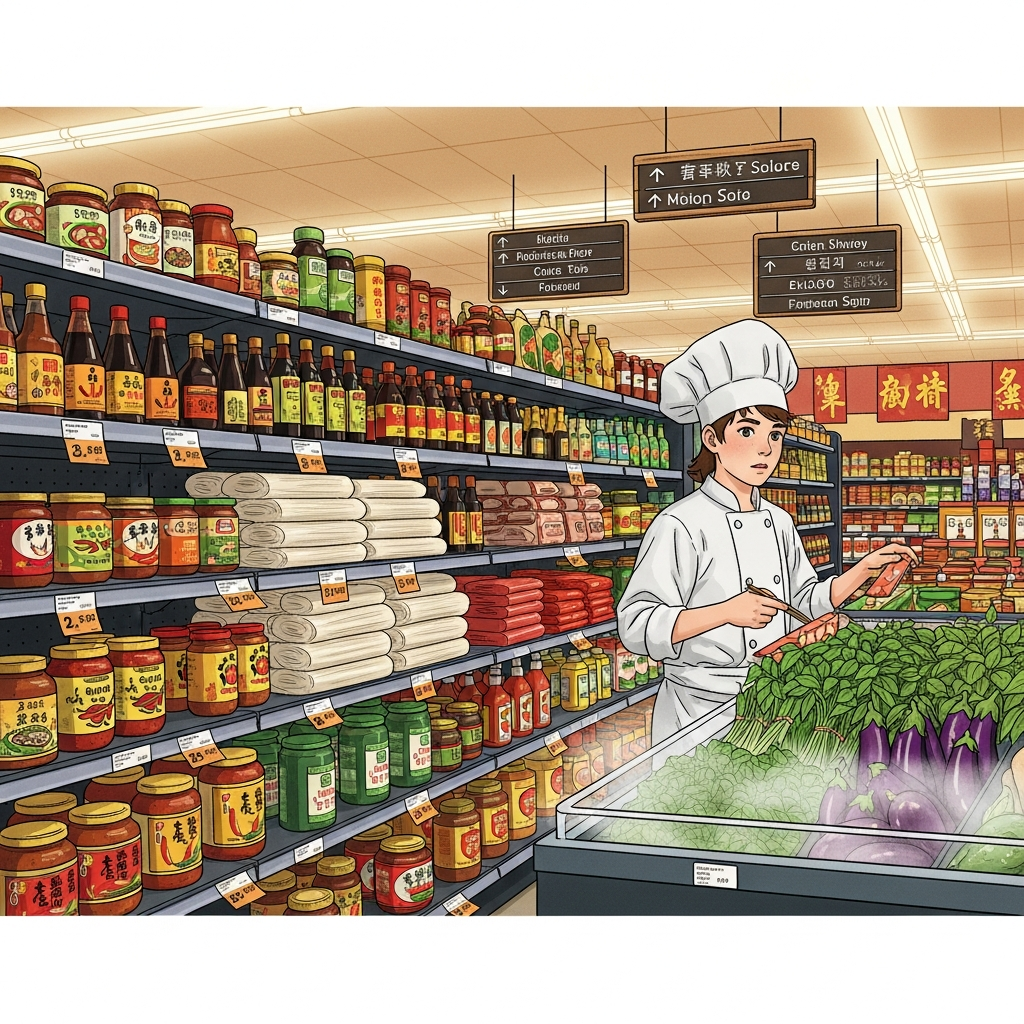
Walking into an Asian grocery store in Naperville is like stepping into a world of color, fragrance, and possibility. The aisles hum with new ideas for dinner, and the produce section sparkles with herbs, fruits, and vegetables that transform ordinary meals into something special. From leafy bunches of Thai basil to glossy Japanese eggplants and the satisfying crackle of fresh rice crackers, these markets invite you to cook boldly and eat with curiosity. A strong selection begins, as always, with a clear layout and a reliable grocery department that helps you find pantry staples and discover ingredients you did not know you needed until you saw them.
What sets a neighborhood Asian grocery apart is the sense of hospitality and guidance. Even if you are new to certain ingredients, the best stores make you feel like a friend who has been invited into a family kitchen. Staff can steer you toward the right noodle for a stir-fry, the best soy sauce for sashimi, or the precise chili paste that gives a dish its authentic backbone. Over time, those conversations become part of your cooking vocabulary, and your pantry evolves into a joyful toolkit.
Produce: Freshness and Fragrance
The produce section is your compass. Look for vibrant greens like bok choy, gai lan, and mustard leaves, each with its own texture and bite. Fresh herbs—Thai basil, cilantro, mint, perilla—signal the store’s attention to turnover and storage. Citrus such as yuzu or calamansi might appear seasonally, while staples like limes, ginger, lemongrass, and garlic anchor many recipes. When mists keep leaves crisp and bins stay tidy, you know the team respects both the ingredients and the cooks who will use them.
Do not overlook the roots and gourds. Daikon radish slices into crisp salads or simmers into gentle soups. Kabocha squash roasts to a sweet, nutty softness that pairs beautifully with coconut milk. Long beans, Chinese eggplant, and bitter melon open doors to textures you simply cannot replicate with standard Western produce.
Rice, Noodles, and the Grains that Shape Dishes
The backbone of many Asian cuisines lies in the grain aisle. You will find jasmine rice for fragrant weeknights, sticky rice for dumplings and desserts, and short-grain rice for sushi and onigiri. Noodles offer another universe—silky rice noodles for pho, bouncy wheat noodles for ramen, springy udon, and chewy soba. Each type carries its own cooking time and texture, and staff can explain how to rinse, soak, or parboil for perfect results.
When you stock a few versatile options at home, you unlock spontaneous meals. A bundle of rice noodles, a can of coconut milk, and a couple of limes can become dinner with minimal planning. Swapping in soba for a salad or tossing udon with a quick miso dressing turns ordinary produce into something you will crave again next week.
Sauces, Pastes, and Ferments: Flavor’s Essential Tools
This is where the magic happens. Soy sauces range from light and briny to deeply aged and complex. Fish sauce adds savory depth that disappears into the background yet makes everything taste more alive. Fermented soybean pastes, gochujang, miso, and doubanjiang deliver heat and umami in different registers. Chili oils, black vinegar, and toasted sesame oil let you dial flavors with a flick of the wrist.
If you are experimenting, begin with a few anchors: a balanced soy sauce, a mild fish sauce, a tub of white miso, and a chili crisp that matches your heat tolerance. From there, try regional specialties—yuzu kosho for a citrusy spark, Indonesian kecap manis for a molasses-like sweetness, or Thai oyster sauce for wok-seared greens. A good store explains how these bottles and jars work together rather than overwhelming you with choices.
Seafood and Butcher Counters
Freshness defines these departments. Whole fish on ice with clear eyes, fillets trimmed cleanly, and shellfish that smell like the ocean are baseline expectations. Staff who can clean, butterfly, or steak fish on request make weeknight dinners faster. At the butcher counter, thinly sliced beef for hot pot, marinated bulgogi, or pork belly cut for braising reflect regional techniques and the care of skilled hands.
Do not hesitate to ask for cooking advice—steaming times for clams, the best marinade for kalbi, or how to crisp tofu without sticking. When the team gladly shares methods, you feel ready to try something new with confidence.
Ready-to-Eat and Bakery Finds
For busy Naperville evenings, prepared foods are a gift. Freshly rolled sushi trays, steamed buns, roasted meats, and bento boxes make it easy to put together a meal that tastes homemade. In the bakery cases, you might spot pandan cakes, red bean pastries, or sesame balls that turn a Tuesday into a small celebration. These offerings also help you learn by tasting—once you fall for a particular bun or roll, you can ask for the ingredients that would let you recreate it at home.
Pairing prepared items with produce or pantry staples stretches both your budget of time and your imagination. A roast duck alongside stir-fried greens and hot rice becomes a feast with minimal prep and maximum reward.
Regional Diversity, Right Here in Naperville
Asian groceries are not monolithic, and that is part of the joy. The shelves might lean Chinese in one aisle, Japanese in another, Korean and Vietnamese in the next, and then surprise you with Filipino condiments or Indian staples. This diversity mirrors the community that shops there. You will hear languages mixing in the aisles and see families sharing tips about which brand of noodles holds up in soup or which rice cooker is their standby.
For newcomers, a bit of curiosity goes a long way. Pick one cuisine to explore for a month—say, Korean home cooking—and ask staff to point you to gochugaru, sesame oil, and kimchi. The following month, pivot to Vietnamese broths and herbs. Before long, your kitchen will feel like a passport.
Center Aisles with Intention
While produce and proteins grab attention, the center aisles quietly power your cooking life. A well-organized selection of teas, seaweeds, dried mushrooms, and pickles expands your daily options. You might find roasted barley tea, jasmine pearls, or genmaicha to anchor a calm morning. Nori sheets, kombu, and bonito flakes lay the groundwork for soups and sauces with layers of umami.
This is also where the better stores show their thoughtfulness. Shelf talkers suggest pairings, highlight lesser-known brands that deliver big flavor, and keep sizes practical for home cooks. When the aisles reflect a carefully tended grocery department, you move confidently rather than hesitating in front of unfamiliar labels.
Cooking Support and Community
One reason local shoppers love their neighborhood Asian markets is the welcoming, educational spirit. You might learn how to balance salty, sweet, sour, bitter, and spicy elements by chatting with a team member stocking sauces. You might trade dumpling-folding techniques with another shopper while waiting at the seafood counter. These communities turn shopping into a shared classroom where everyone, from beginners to seasoned cooks, keeps learning.
Seasonal events—mid-autumn mooncakes, Lunar New Year sweets, or summer grilling marinades—give you reasons to try new things and invite friends over. The store becomes not just a place to buy food, but a spark for connection at your table.
FAQ
I am new to Asian cooking. Where should I start? Begin with a few versatile staples: soy sauce, sesame oil, rice vinegar, chili paste, and a favorite noodle. Pair them with fresh greens, tofu or a simple protein, and rice. Add one new ingredient each visit to grow your repertoire.
How do I choose the right rice? Match rice to the dish. Jasmine is aromatic and fluffy, short-grain is sticky for sushi, and glutinous rice works in dumplings and sweets. Staff can help you compare textures and cooking times.
What is the best way to store fresh herbs? Treat tender herbs like basil and cilantro like cut flowers—trim stems and keep them in a small jar of water in the fridge, loosely covered. Heartier herbs like rosemary prefer a damp towel in a breathable bag.
Are there good options for vegetarians and vegans? Absolutely. Tofu, tempeh, seitan, a range of mushrooms, seaweeds, and fermented sauces offer deep flavor without meat. Ask for recommendations tailored to your cooking style.
How can I avoid buying too much when I am exploring? Choose smaller bottles and packages at first, and plan two recipes that share the same ingredient. As you discover favorites, size up confidently.
Bring Global Flavor to Your Naperville Table
When you find a neighborhood Asian grocery that welcomes questions and stocks thoughtfully, your kitchen opens up in the best way. Start with a simple plan—one noodle dish, one soup, and one stir-fry—and let the store guide your choices. With each visit, you will gain new flavors and reliable go-tos that fit weeknight time frames and weekend gatherings alike.
If you would like to preview what is in stock and map out a few meals, scan the breadth of a well-organized grocery department, then stop in to smell the herbs, check the fish on ice, and chat with the team. You will head home excited to cook and happy to share the results with friends and family.