Naperville has grown into a place where organic shopping is not a trend but a steady habit, woven into weekday routines and weekend plans. When neighbors ask me about the best organic grocery store options in town, I think about the breadth of certified produce, the trustworthiness of the dairy case, and the thought put into pantry staples that line the shelves. In our community, organic means more than a label; it is a promise to reduce synthetic inputs, support soil health, and prioritize transparent sourcing. The real measure is how a store makes it easy to shop this way without turning your list into a scavenger hunt, which is why I pay attention to signage, staff knowledge, and the reliability of the core grocery department that connects fresh, frozen, and pantry goods into a cohesive organic experience.
What sets Naperville apart is the expectation that an organic selection should cover the full arc of a meal. You want greens and herbs that taste alive, eggs from responsibly managed farms, and proteins that align with your values. You also want sauces, stocks, and snacks that keep the rest of your week simple. The most satisfying stores make organic shopping feel intuitive. They group products logically, clearly label when something is certified, and ensure that staple items—oats, beans, flours, pastas, oils—are easy to spot and consistently stocked.
Understanding Organic Beyond the Label
Organic certification is a helpful signpost, but Naperville shoppers often look one step further, asking how items are grown, raised, or processed. That curiosity shows up in the produce section, where ripe berries sit beside hearty greens, and in the dairy case, where the real test is taste and consistency. The best stores back up those labels with knowledgeable staff who explain differences in varieties and guide you to what is in its prime.
Spices and baking staples are an overlooked part of the organic conversation. A high-quality cinnamon or a well-sourced vanilla extract elevates simple recipes, and finding those ingredients in an easy-to-navigate aisle means you are more likely to cook with them often. When the pantry supports your cooking, organic eating stops feeling like a special project and becomes your normal routine.
Produce: The Pulse of an Organic Program
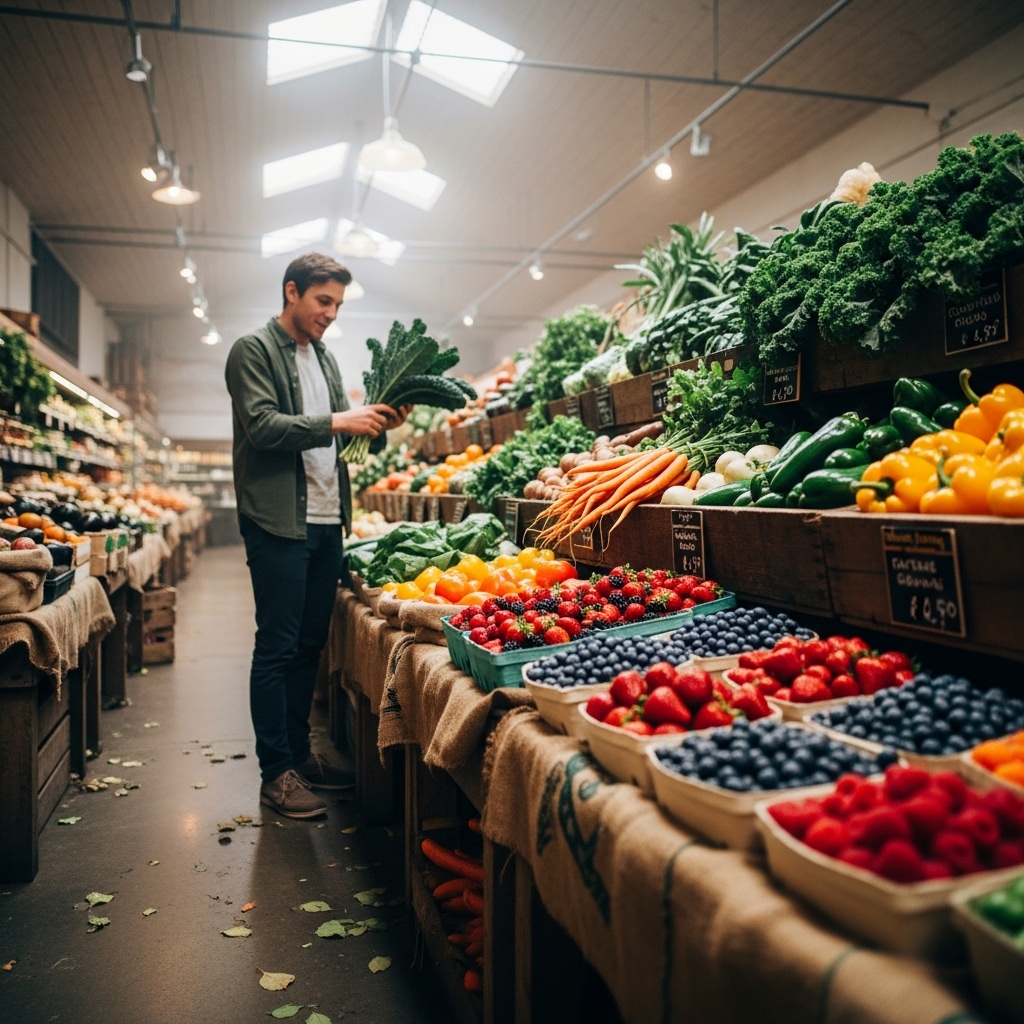
You can sense a store’s commitment to organics by the way the produce department feels. Organic greens should be crisp and fragrant, not wilted. Fruits should show off the season, not fight it. In spring, shoppers reach for leafy herbs and tender asparagus; in summer, it is a contest between juicy stone fruits and tomatoes that actually smell like tomatoes; in fall, apples and squash earn star billing; and in winter, citrus and root vegetables keep flavors bright. The stores that do this well rotate stock frequently, train staff to answer detailed questions, and make it easy to compare organic and conventional options without confusion.
Presentation matters too. Clear signage, clean misters, and tidy bins help you build trust. If you see staff actively tending to displays and talking with customers, you are in the right place. That human touch tells you the store is invested in quality, not just checking a box.
Dairy, Eggs, and the Integrity of Everyday Essentials
Dairy is where organic choices often become daily habits. Milk, yogurt, and cheese carry the conversation about animal welfare and minimal processing. A strong selection respects flavor and function: whole-milk yogurts that stand up in a simple parfait, cheeses with character for both sandwiches and boards, and milk that tastes clean and consistent. Egg quality is another signpost. When the yolks look rich and the cartons show thoughtful sourcing, you know the store has done its homework.
It is not just about choices; it is about consistency. If you find a favorite organic yogurt or cheese, it should be there next week. The most dependable stores treat organic staples not as specialty items but as everyday essentials.
Pantry Staples and Global Cooking
An organic pantry should invite exploration. Beans and lentils, rices and ancient grains, broths, tomatoes, and cooking oils form the backbone of weekly meals. Look for clear labels and a sensible layout that groups items so you can compare quality and choose confidently. Naperville’s diverse community also means the best stores bring organic options into globally inspired shelves—soy sauces, coconut milks, spice blends, and pastas that let you travel the world without leaving your kitchen.
This is where the right grocery department matters. It ties together the fresh items you grabbed in produce with the building blocks you need for soups, stews, and quick dinners. When the center aisles support your organic priorities, weeknight meals become easier and more satisfying.
Frozen, Prepared, and Real-Life Convenience
Even the most committed home cooks appreciate an organic shortcut now and then. Frozen vegetables, fruit for smoothies, and carefully crafted prepared items help you stick to your goals on busy days. The best stores treat these categories as essential tools rather than afterthoughts, curating options that balance quality with convenience. When you can lean on a prepared soup or frozen grain blend without sacrificing your standards, you are more likely to keep eating the way you prefer.
Prepared foods carry another benefit: they introduce you to flavors and combinations you might recreate at home later. A good coconut curry or roasted vegetable medley can be the inspiration that nudges your next weeknight meal into new territory.
Tips for Shopping Organic in Naperville
Start with a short list of priorities—produce, dairy, and a few pantry essentials—and build from there. Shop earlier in the week if you want maximum choice in leafy greens and berries. Ask questions; staff are often eager to share what just arrived or which varieties are tasting best. Make a habit of comparing labels for clarity about ingredients, not just organic status. And give yourself room to experiment. Trying a new grain or spice blend can turn a routine dinner into a small discovery.
FAQs
How can I tell if organic produce is truly fresh?
Look for vibrancy and firmness, but also pay attention to how the section is maintained. Clear signage, frequent rotation, and engaged staff suggest strong quality control and fresher items.
Are organic pantry staples worth prioritizing?
Yes, especially for items you use often—oils, grains, beans, and broths. Consistently choosing organic for the building blocks of meals supports your goals without complicating your routine.
When is the best time to shop for organic greens and berries?
Early in the week or early in the day tends to offer the best selection. That is when displays are full and staff can point you toward what arrived most recently.
Can organic and globally inspired cooking go together?
Absolutely. Many stores now carry organic versions of staple sauces, noodles, and spices used in cuisines around the world, making it easy to cook diversely while staying aligned with your preferences.
How do I keep organics affordable and practical?
Focus on the items you eat most, plan simple meals that stretch ingredients, and use frozen organic vegetables and fruits as a flexible backup for busy nights.
If you are ready to make organic shopping part of your weekly routine, choose a store that aligns with your values and makes exploration easy. Anchor your list with a well-stocked grocery department, add fresh produce that tastes like the season, and enjoy the confidence that comes from cooking with ingredients you trust.