How Naperville Shops Organic Today
In Naperville, the move toward organics has matured from a trend into a rhythm of everyday life. Shoppers who once dabbled with a carton of organic eggs or a bag of salad greens now weave organic choices through an entire week’s menu. The reasons vary—some focus on soil health and farming practices, others on flavor and freshness—but the result is the same: a deeper attention to how food is grown and where it comes from. If you’re just beginning to explore organic options, anchoring your shopping around a dependable grocery department that treats organic items as everyday staples, not specialty afterthoughts, will set you up for success.
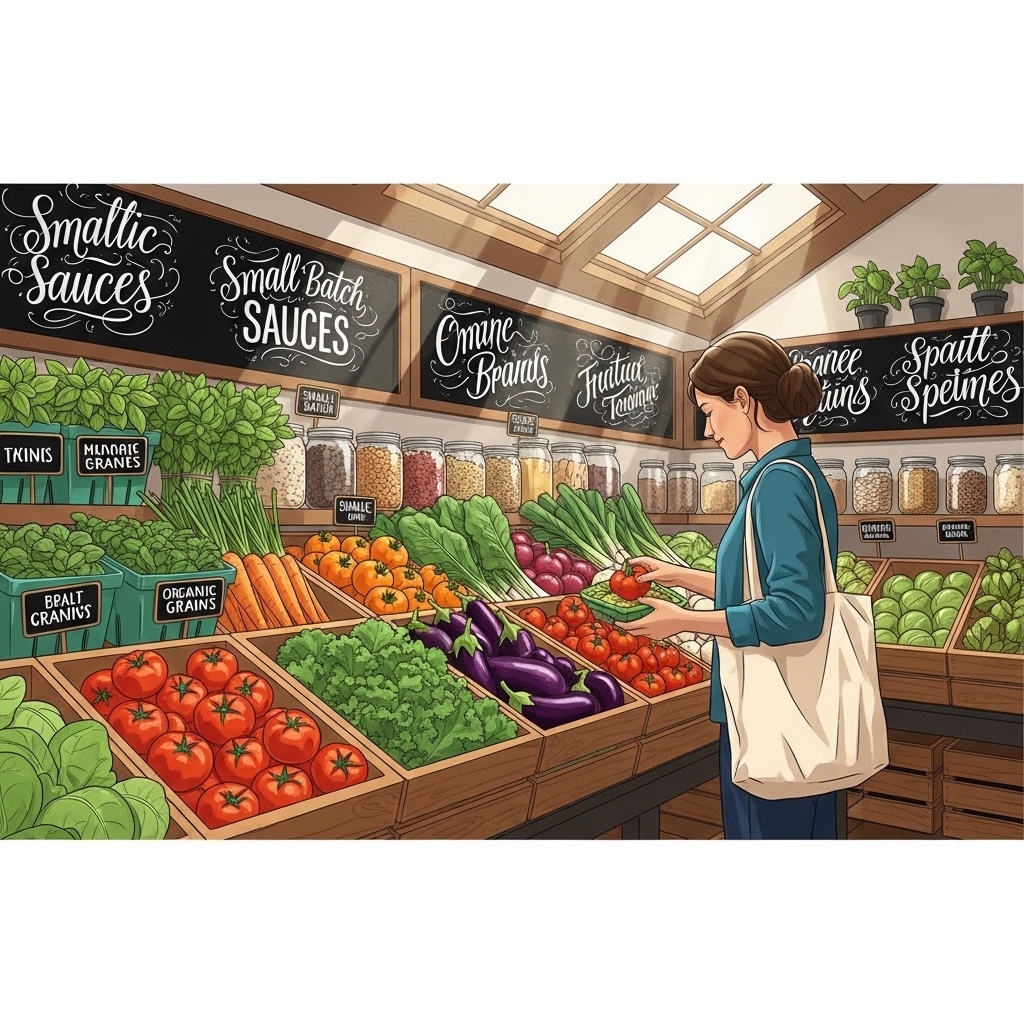
What’s unique in Naperville is how organic shopping blends with the city’s family rhythms. You’ll see parents comparing snack labels between school pickup and sports practice, young professionals scanning ingredient lists for plant-based dinner ideas, and weekend hosts filling carts with vibrant produce for relaxed gatherings. The city’s stores, from larger footprints to boutique markets, reflect that balance by keeping organic essentials easy to find while reserving corners for discovery—heritage grains, small-batch sauces, and frozen items that make weeknights simpler without sacrificing values.
Understanding Organic Labels and What They Mean for You
Before diving into the aisles, it helps to decode the labels. Certified organic standards limit synthetic pesticides, emphasize soil and ecosystem health, and prohibit certain additives. For many Naperville shoppers, the label functions as a shortcut to those practices, but it’s still worth reading the ingredient list. The cleanest organic items often pair certification with short, recognizable components, which can help you avoid hidden sweeteners or fillers you don’t want.
For produce, organic labels can lead you toward varieties that highlight seasonality. Organic berries often taste intensely of summer, and organic root vegetables in cooler months can deliver sweetness that makes roasting almost effortless. In the dairy case, organic milk and yogurt frequently come from farms that prioritize pasture access, and the difference in flavor can be striking, especially if you gravitate toward whole-fat or cream-top styles.
Seasonal Produce: Flavor at Its Peak
Naperville’s organic produce scene thrives on seasonality. In spring, you’ll notice delicate greens, asparagus, and herbs that invite quick sautés and bright salads. Summer is a cascade of color—berries that stain your fingertips, tomatoes that perfume your kitchen, and zucchini that makes everything from fritters to pasta light and lively. When autumn arrives, organic apples and pears take center stage, while winter welcomes citrus that slices through the cold with fragrant oils and a burst of sunshine in every segment.
If you plan your cart around a few seasonal anchors, the rest falls into place. A pint of organic cherry tomatoes pairs with mozzarella and basil for a weeknight caprese; a bag of organic carrots can be ribboned into slaws or roasted with cumin and lemon; and a medley of organic greens turns any grain bowl into a full, satisfying meal. The real trick is to shop with your senses—choose produce that looks lively, smells inviting, and feels right in the hand. Over time, you’ll learn which days your favorite store gets deliveries and which mornings yield the crispest, most fragrant picks.
Pantry Staples That Pull Their Weight
Beyond produce, a strong organic pantry helps you cook more intuitively. Grains like quinoa, farro, and brown rice make satisfying foundations for roasted vegetables and proteins. Organic beans—chickpeas, black beans, cannellini—switch from pantry backup to starring roles when you season them with good olive oil, garlic, and herbs. Nut butters, broths, and tomato sauces form a quiet backbone for countless meals. When you keep these items on hand, weekday cooking becomes less about recipes and more about assembly, which frees you to focus on flavor and texture.
Naperville’s better stores make these staples easy to locate. Look for tidy shelves where organics are integrated with conventional options but clearly labeled. That integration matters when you’re shopping with family or friends who mix and match; it keeps the store experience unified rather than forcing you to zigzag to distant corners for basics.
Dairy, Eggs, and Plant-Based Choices
The dairy aisle tells a nuanced story about organic shopping in Naperville. Organic milk and yogurt can be richer, and many shoppers find the flavors more pronounced. Eggs from hens with outdoor access often have yolks with deeper color, and the texture lends itself to baking and custards. If you’re leaning plant-based, the city’s stores offer oat, almond, and soy milks with pared-down ingredient lists, along with plant-based yogurts and cheeses that perform well in everyday cooking. The key is to try a few brands and note which ones deliver the texture you want in coffee, sauces, or baking.
Cheese counters, too, increasingly highlight organic producers. From soft-ripened rounds that beg to be paired with fruit to sharp, aged wedges that make a salad sing, you can find organic options that hold their own in a cheese board. Ask the counter for a taste when possible, and let the conversation guide you. Those small interactions often lead to your next favorite staple.
Prepared Foods with Organic Flair
Busy Naperville households often rely on prepared foods to bridge the gap between ambition and time. The best stores incorporate organic ingredients into salads, soups, and hot entrées, allowing you to keep standards high even on a night when the stove stays off. A roasted vegetable medley, a quinoa salad scattered with herbs, or a tomato-basil soup made with organic tomatoes can deliver dinner with minimal effort. If you’re feeding a mix of eaters, pairing a prepared item with a simple homemade addition—like a pan-seared fish fillet or a skillet of garlicky greens—creates balance while keeping cleanup manageable.
Check rotation and freshness in the case. Stores that refresh throughout the day signal pride in the program, and you’ll notice the difference in texture and flavor. Naperville’s prepared foods teams are also used to questions, so don’t hesitate to ask what’s new, what just came out of the kitchen, and what pairs well with what you already have in your cart.
Local Producers and Regional Goodness
One of Naperville’s strengths is its access to regional producers who value organic practices. You’ll see this in honey, jam, and sauces that carry the signature of small-batch care, as well as in eggs and dairy that travel a shorter distance to the shelf. While certification can be a deciding factor, don’t overlook the brands that publish transparent farming practices even if they’re still on the path to a formal seal. Talking to staff can help you distinguish between authentic stewardship and marketing; most teams are proud to champion producers whose values align with yours.
As you cook more with organic ingredients, you’ll likely find that flavor itself becomes a guiding principle. Rather than checking boxes, you chase what tastes great. That instinct is a good one, and in Naperville’s stores, it’s easy to follow. Seasonal produce offers a steady parade of flavor highs, and a steadily improving pantry means you can pivot on a weeknight without stress.
Smart Shopping Habits That Keep It Simple
To keep organic shopping sustainable for your routine, build a simple habit loop. Start with produce and one or two proteins you’re eager to cook. Add pantry anchors you’re low on, then snag one new item that catches your eye—maybe a different grain or a sauce you’ve never tried. Back at home, prep a couple of components when you unload: wash greens, roast a tray of vegetables, or simmer a pot of beans. These small investments pay off midweek when you’re tired but still want to eat well.
Halfway through your cart, pause and check: do you have a foundation for a couple of lunches, a quick breakfast, and two dinners? If not, add what’s missing. This mid-shop reflection pairs well with a steady, familiar aisle for essentials. A well-organized grocery selection can be the difference between an aimless wander and a confident trip that respects your time.
Cooking with Confidence at Home
Once you’re home, keep cooking relaxed. Organic ingredients often shine with minimal fuss. Roast vegetables at high heat with olive oil and salt; finish with lemon or vinegar for lift. Build bowls from a grain, a protein, and a crunchy, fresh element, then vary the sauce to keep things interesting. Save herb stems for stocks, citrus peels for infusing, and leftover roasted vegetables for omelets or wraps. The more you lean on these simple patterns, the easier it becomes to eat with intention throughout the week.
Don’t forget the small joys: a piece of ripe fruit after a meal, a square of dark chocolate, or a mid-afternoon yogurt with a swirl of honey. Organic shopping isn’t just about rules; it’s about inviting better flavor into your life, one bite at a time.
FAQs
Q: How do I know which organic items are worth prioritizing?
A: Start with what you eat most frequently—produce you serve daily, dairy you buy weekly, and pantry staples you reach for constantly. Upgrading those items has the biggest impact on your overall diet.
Q: Are organic prepared foods a good option for busy nights?
A: Yes. Many Naperville stores build prepared foods around organic ingredients, which lets you keep quality high even when you need dinner fast. Ask which dishes were made most recently to get the best texture and flavor.
Q: How can I stretch my organic produce through the week?
A: Wash and dry greens as soon as you get home, store herbs with stems in a jar of water, and roast sturdier vegetables early in the week so they’re ready to reheat or toss into salads.
Q: What about organic options for kids’ snacks and school lunches?
A: Look for short ingredient lists and balanced textures that hold up in lunchboxes. Many stores stock organic crackers, yogurts, and fruit sauces that satisfy without relying on artificial flavors or colors.
Q: Can I mix organic and conventional items?
A: Absolutely. Many Naperville shoppers combine both, focusing on organic for the foods they eat most and filling in elsewhere as needed. The goal is a pattern that works for your taste and routine.
When you’re ready to make organics feel effortless, begin with a trusted source that keeps the basics stocked and the seasonal highlights front and center. Explore a local hub for thoughtful grocery choices, and let each week’s fresh picks guide what lands on your table. Naperville’s shelves are full of inspiration—bring it home tonight.