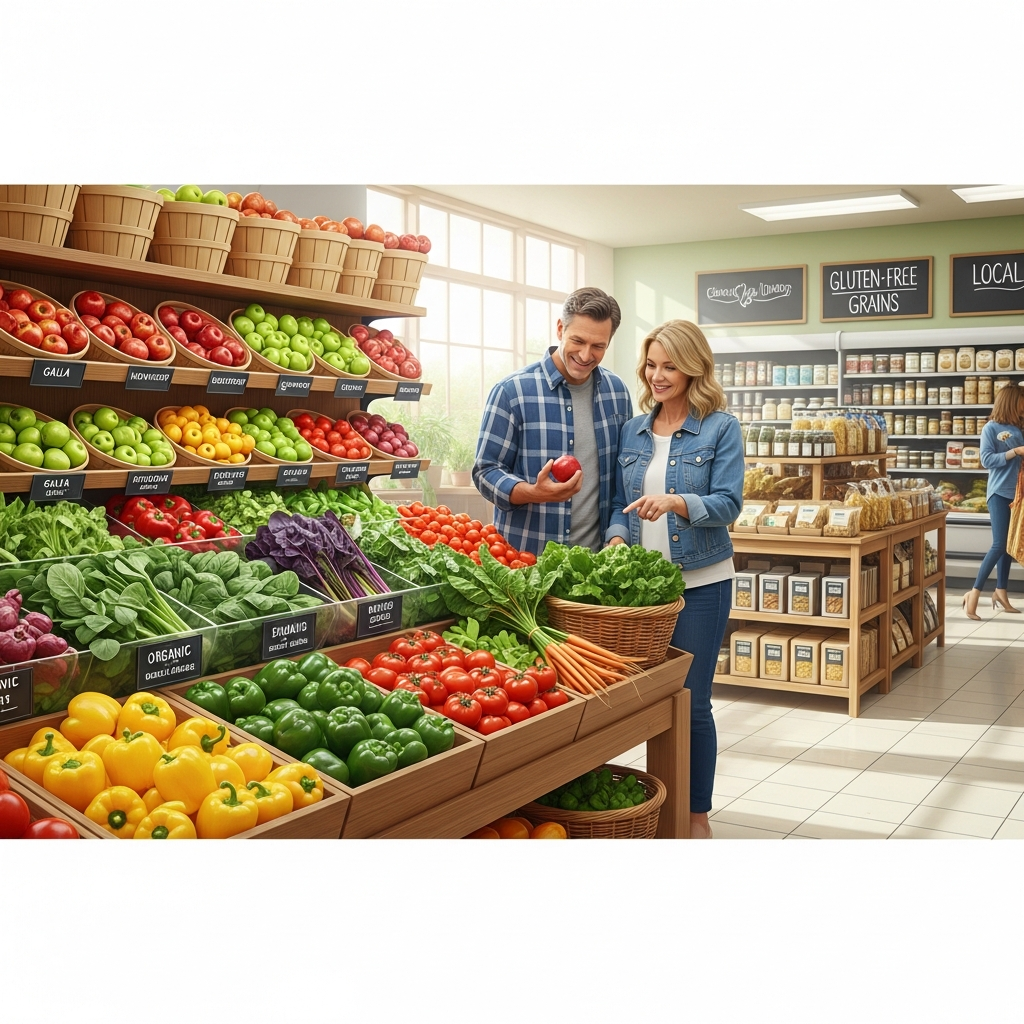
Choosing organic in Naperville is about more than checking a box on a label. It is a way of aligning everyday meals with the values many of us hold—respect for the land, care for our families, and a genuine love of food that tastes like it should. When you shop locally, the right store makes organic choices straightforward, inspiring, and dependable, from the moment you pick up a basket to the second you set dinner on the table. In those first steps through the door, the foundation is simple: a vibrant produce section, clear signage, and a thoughtfully curated grocery department where organic options live side by side with your favorite staples, not hidden in a corner.
In our neighborhoods around downtown and the surrounding corridors, organic shopping has matured from a trend into a steady habit. Families who once dabbled now buy organic milk weekly, choose pasture-focused eggs by default, and plan meals around in-season fruits and vegetables. Meanwhile, home cooks who love exploring global flavors expect organic pantry items—from coconut milk to miso paste—that let them build authentic recipes with better sourcing. The best local stores anticipate those needs with a selection that is broad, well-labeled, and genuinely fresh.
Understanding What “Organic” Really Means
At its core, organic certification sets standards for how food is grown and processed. For produce, that means no synthetic pesticides or fertilizers and careful stewardship of soil health. For animal products, it speaks to feed quality, living conditions, and the avoidance of certain routine medications. When you pick up a head of organic lettuce or a carton of organic yogurt, you are buying a process as much as a product—a way of bringing food to your table that values natural systems and long-term resilience.
But shoppers do not need a degree in agronomy to make smart choices. A good store does the work of translating labels and accreditations into easy decisions. Clear tags that separate certified organic from “made with organic ingredients,” staff who can explain the difference between a domestic organic apple and an organic apple from overseas, and guidance on seasonality together make the experience straightforward rather than confusing.
Fresh Organic Produce: Seasonality as Your Guide
Organic produce shines brightest when it is in season. In Naperville, that rhythm feels familiar—cool-weather greens in spring, berries and stone fruit in summer, hearty squashes and apples in fall. Stores that lean into seasonality deliver better flavor and a better value story, even if we are not quoting numbers. They also minimize the travel time from farm to shelf, meaning crisper greens and juicier fruit by the time you get home.
Walking the produce aisles, you should see organic options presented confidently, not as afterthoughts. Misting systems should keep lettuces perky without drowning them, and rotation should be frequent enough that you rarely encounter wilt or bruising. Storage tips printed on small signs—like refrigerating herbs in a jar of water or leaving tomatoes at room temperature—help reduce waste and extend peak flavor.
Organic Dairy and Eggs: Everyday Staples that Matter
For many households, organic begins with milk, yogurt, cheese, and eggs. These are the items you reach for daily, and their quality has an outsized impact on both taste and peace of mind. A well-run dairy case keeps temperatures steady and inventory fresh, while offering a range that respects different needs: lactose-free organic milks, grass-fed yogurts, and butter options suited to baking and spreading.
Eggs deserve special attention. Look for cartons that share details about feed and living conditions in addition to the organic seal. You can taste the difference in a simple scramble, especially when paired with sautéed organic greens and a piece of toast from the bakery. Stores that train staff to talk about those distinctions help you pick the right carton for the way you cook.
Organic Meats and Seafood: Clarity and Care
When you shop the meat and seafood counters, the most reassuring sign is a team that communicates transparently. For organic poultry and beef, that means discussing feed and certifications clearly; for seafood, it means explaining catch methods, regions, and sustainability markers alongside organic or natural designations when applicable. If you are roasting a chicken for Sunday dinner or grilling burgers on a sunny afternoon, you want to know that what goes on the plate fits your standards for both flavor and farming practices.
Great counters also provide practical tips—cooking temperatures, resting times, marinades that let clean ingredients shine—so dinner feels doable even when you are juggling a busy Naperville schedule. Vacuum-sealed options for later in the week and small-portion packs for one or two help minimize waste and keep mealtime flexible.
Pantry Power: Building an Organic Kitchen
The pantry is where an organic kitchen comes to life day after day. Grains, beans, flours, oils, vinegars, spices, sauces—these are your building blocks. The right store makes it easy to spot organic versions of your favorites while also introducing new staples. A thick, well-sourced olive oil for dressings, a mellow apple cider vinegar for quick pickles, and a reliable whole-grain pasta are the kinds of items that move dinner from acceptable to memorable without extra effort.
Naperville cooks love to travel the world from their kitchens, and so an international selection matters. Organic coconut milk that does not separate into watery layers, organic tamari with balanced salinity, and organic curry pastes with aromatic depth all expand what is possible on a Tuesday night. Endcaps that pair organic staples with fresh produce ideas—think chickpeas with kale and lemon, or farro with roasted carrots—help you envision the whole meal before you reach the checkout.
For Families and Special Diets
Organic shopping dovetails naturally with many dietary paths. Parents hunting for cleaner baby foods and snacks appreciate short ingredient lists without mysterious additives. Those following gluten-free or dairy-free routines want clearly labeled options that taste like regular food, not compromises. A great store integrates these items into the main aisles so you do not have to shop in silos. Cross-merchandising—like placing a dairy-free yogurt near a fruit display or stocking gluten-free crackers by a superb organic hummus—nudges all of us toward delicious combinations that happen to meet our needs.
For plant-forward households, organic tofu, tempeh, legumes, and grains provide the protein backbone of meals that cook fast and taste great. Pair these with fresh organic herbs and citrus, and you can transform simple staples into bright dinners that satisfy.
Minimizing Waste, Maximizing Flavor
One of the quiet superpowers of organic shopping is the way it encourages mindful cooking. When you value how food is raised, you tend to treat it with more care. That can mean buying greens you know you will use within a few days, or choosing root vegetables that hold well if your week gets complicated. Stores can help by offering split bundles of herbs, smaller portions of delicate items, and clear storage advice. You take home what you can truly enjoy, and less ends up forgotten in the crisper.
Leftovers become an ally rather than an obligation. A pot of organic brown rice can anchor grain bowls for lunch, while roasted organic vegetables transform easily with a new dressing or a handful of fresh herbs. When ingredients are high quality, yesterday’s dinner feels like a head start rather than a rerun.
The Middle of the Store Matters for Organics Too
It is easy to focus on fresh departments when thinking organic, but the center aisles are a treasure trove. Cereals with whole ingredients, snack options that skip artificial dyes, and baking supplies that make weekend projects more rewarding all live here. A well-organized center store uses shelf tags and short notes to introduce you to lesser-known brands that might become new favorites. This is also where the breadth of a thoughtful grocery department shines—when you can find everything from organic broth to seed crackers without detouring into a specialty shop, weeknight cooking gets easier.
Balance matters. Nobody needs eight different versions of the same item, but having a few well-vetted choices lets you match products to recipes and preferences. The sweet spot is curation with room to explore.
Staff Knowledge and Friendly Guidance
Organic shelves are only as good as the guidance that surrounds them. The best teams can field questions about the difference between organic and biodynamic, why certain berries are not in season, or how to cook farro so it stays pleasantly chewy. They will also help you compare labels, understand storage, and plan substitutions if something is temporarily unavailable. That kind of easy conversation at the shelf turns a routine trip into a learning moment you carry into your kitchen.
When staff share little hacks—like saving herb stems for stocks, or massaging kale with a pinch of salt to soften it—you start to think differently about ingredients you already buy. Those tips build confidence and reduce the friction that keeps good intentions from becoming great dinners.
Community, Events, and Inspiration
Naperville is a community that values connection, and organic food fits naturally into that spirit. Cooking demos, seasonal tastings, and weekend features give you a chance to taste before you commit. Shoppers swap recipe ideas in the aisles and chat about what worked well last week. Kids sampling a new organic apple variety become enthusiastic helpers when you get home, and neighbors compare notes on which tomatoes sing on a BLT. These small interactions turn shopping into a shared experience.
Seasonal spotlights also help you reimagine familiar ingredients. A display that pairs organic sweet potatoes with tahini and pomegranate seeds might spark a new favorite side dish. A cooler featuring organic kefir next to fresh berries could inspire smoothies for hectic mornings. Curiosity meets practicality when the store acts like a friendly guide rather than a warehouse.
FAQ
Is organic always the best choice? Organic is a strong standard that many shoppers prefer, but seasonality and freshness matter too. A just-picked conventional item may outperform an older organic one. Balance your choices by thinking about both source and timing.
How do I start buying more organic without overhauling everything? Begin with the items you use daily—milk, eggs, greens, and fruit for snacks. As you get comfortable, add pantry staples you reach for frequently, like olive oil or beans. Small, consistent changes add up.
What should I look for on organic labels? Seek clear certification marks and short ingredient lists. For animal products, look for details about feed and handling. When labels feel confusing, ask a staff member for a quick breakdown.
Can organic pantry items support global recipes? Absolutely. Many sauces, spices, and grains are available in organic versions that retain authentic flavor. A good store will stock these alongside traditional options so you can build any recipe you like.
How can I keep organic produce fresh longer? Store greens in breathable containers, keep herbs like flowers in a small jar of water, and avoid refrigerating tomatoes. Use citrus and onions to anchor flavor, and refresh tired veggies with an ice-water bath when needed.
Bring Organic Home with Confidence
If you have been meaning to lean into organic but were not sure where to begin, now is the perfect time. Picture your week—workdays, school lunches, weekend breakfasts—and choose a few anchor items to set the tone. From there, let curiosity lead you to a new grain, a bright vinegar, or a seasonal fruit that makes meals feel fresh again. The right local store makes those choices easy, welcoming, and consistently delicious.
When you are ready to map out meals or check availability, browse a well-rounded grocery department for inspiration, then stop in and let your senses do the rest. With good guidance and honest ingredients, you will bring home food that tastes like it should—and feels like Naperville at its best.