
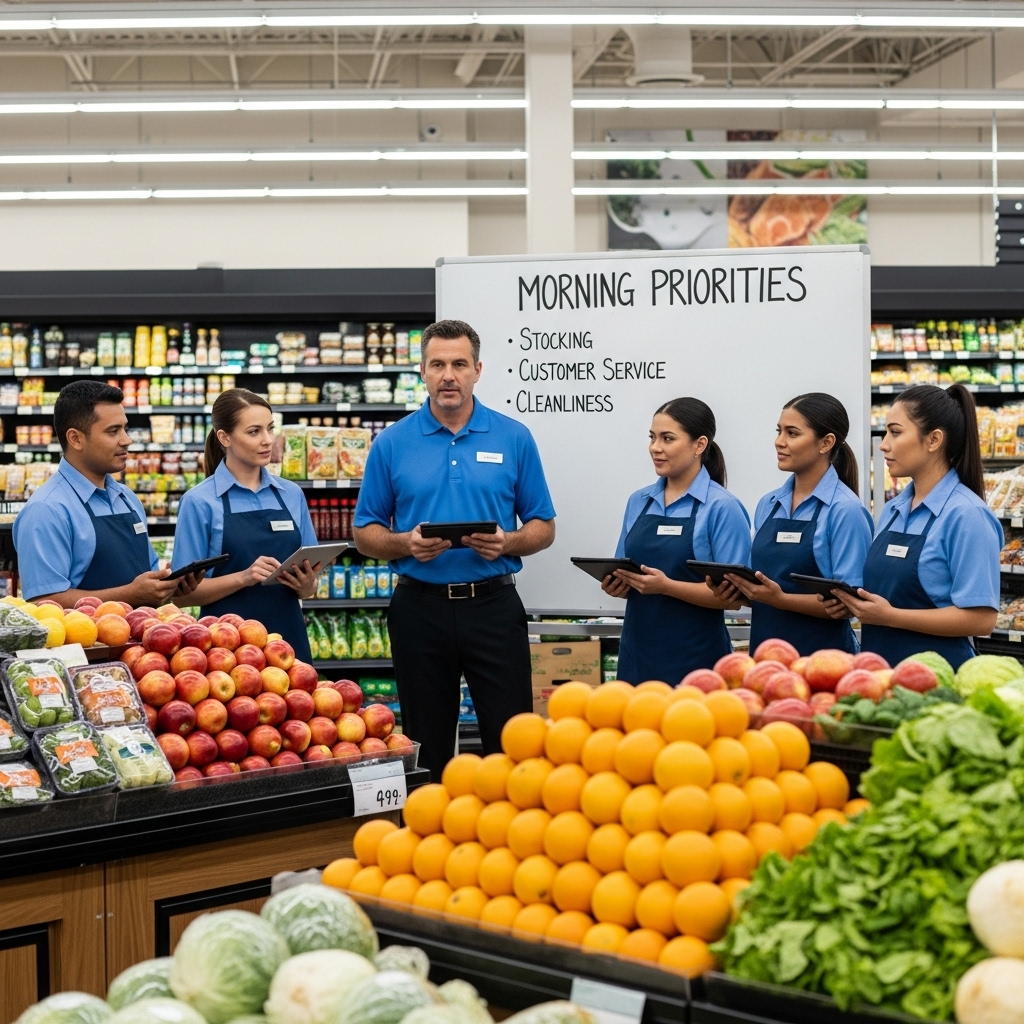
Running a grocery store well in Naperville is like conducting an orchestra. The beat is set by school schedules, the brass comes in with weekend sports, and a surprise solo might arrive in the form of a snow forecast. When everything works, customers feel it immediately: steady shelves, quick lines, fresh displays, and employees who move with quiet purpose. The secret is not a single innovation but a thousand thoughtful habits practiced every day, guided by a deep understanding of how this community actually shops.
The most effective managers start with a simple principle: anticipate the neighborhood. Naperville’s tempo shifts by season, by day of the week, and even by hour. The morning crowd moves quickly after drop-off at Ranch View or Longwood, lunchtime shoppers look for grab-and-go options, and the evening rush blends full-basket trips with last-minute pickups before practice. Keeping pace means building systems that flex without breaking, from ordering to staffing to floor resets. It also means having a strong, dependable grocery department that anchors the store’s daily performance.
Forecasting with Local Insight
Inventory planning starts with data but succeeds with intuition. Historical sales tell you what to expect, but local knowledge—school calendars, park district events, and weather patterns—refines the forecast. Managers who walk the floor and talk to customers pick up clues that spreadsheets miss, like an uptick in gluten-free snacks during club seasons or an early surge in grilling supplies when the first warm weekend hits. Layering these signals onto ordering cycles reduces out-of-stocks and keeps overstocks from clogging backrooms.
Staging matters, too. High-velocity items should have nearby backstock and clear replenishment notes so associates can refill quickly during peaks. A simple visual system—colored tags or shelf flags—helps teams identify priority items at a glance. The goal is to make the right action the easiest action, especially when the store is humming.
Staffing for the Real Day, Not the Ideal Day
Schedules built around the community’s true rhythm pay dividends at checkout and in customer service. That means heavier coverage from 4–7 p.m. on weekdays, deeper weekend mornings, and flexible midday support when retirees, remote workers, and parents of little ones often shop. Cross-training turns scheduling into a safety net: if a line forms, someone from produce can jump in to bag; if a display needs attention, a trained cashier can assist between rushes. Teams that understand each other’s roles collaborate naturally and keep the store moving.
Training is more than orientation; it is ongoing. Short, frequent huddles at the start of shifts—covering daily priorities, promotions, and likely hotspots—set a shared focus. Associates who know exactly what success looks like that day will notice problems early and solve them quickly.
Freshness as a Daily Promise
Customers judge a store by its freshness long before they reach the register. Daily quality walks through produce, meat, seafood, and bakery prevent disappointments and build trust. Associates should know what peak ripeness looks like, how to rotate stock, and when to pull items proactively. Clear standards posted in back rooms keep expectations consistent across shifts, ensuring that the 6 p.m. shopper enjoys the same quality as the 9 a.m. shopper.
Freshness is also about storytelling. When a display highlights the best of the season—late-summer peaches, early-fall apples, winter greens—it gives customers a reason to cook. Pairing suggestions or a simple sign with cooking tips adds value without slowing anyone down. These touches turn good operations into great experiences.
Store Layout That Respects Real Paths
In Naperville, carts often include a toddler, a backpack, or hockey gear. A layout that acknowledges those realities removes friction immediately. Keep staples in predictable locations near the front, group complementary items together, and use endcaps to create meaningful pairings that solve dinner. Seasonal resets should enhance, not disrupt. If a layout change forces regulars to hunt for basics, it is not serving the customer or the team.
Wayfinding is part of the layout conversation. Large, legible signs and consistent aisle numbering reduce questions and speed trips. This is especially important for seniors and new residents still mapping the store, and it reduces the number of “where is…?” interruptions associates handle during peak hours.
Checkout as a Performance Moment
However well the rest of the visit goes, the register is the memory a customer takes home. Smooth checkouts require adequate staffing, well-maintained equipment, and clear role definitions. Assign a dedicated attendant to self-checkout during peaks and keep a floor manager near lanes to open or close as needed. Small touches—extra baggers during rushes, bagging stands at the right height, and ready-to-go paper for scale labels—keep lines fluid.
Associates make the magic here. Polite greetings, quick problem-solving, and confident product handling make customers feel cared for. These skills are teachable and should be reinforced regularly, with shout-outs for exceptional service to set team norms.
Communication that Calms and Informs
Operational excellence is visible when communication is clear. If an item is temporarily unavailable, a friendly sign offers an estimated restock and a suggested alternative. If a display features a new ingredient, a short description suggests how to use it. These micro-messages reduce friction and create a sense of partnership. Internally, whiteboards or digital dashboards that track priorities, tasks, and progress keep teams aligned, especially across shifts.
Customer feedback is a strategic asset, not a chore. Simple channels—a suggestion notebook at the service desk, QR codes for comments, or quick post-visit surveys—surface patterns quickly. When customers see their suggestions turn into visible changes, loyalty deepens.
Safety and Cleanliness as Non-Negotiables
Families notice cleanliness immediately: shining produce misters, tidy displays, and restrooms that are maintained throughout the day. Safety checks for floors, coolers, and backroom areas prevent accidents and protect product quality. In winter, consistent snow and ice removal in the parking lot and entryways is as important as anything happening inside the building. These practices are the quiet backbone of a store’s credibility.
Food safety thrives on routines. Temperature logs, rotation schedules, and clear dating practices keep perishable sections reliable. Associates need quick access to sanitizing supplies and clear processes for spills, ensuring that the store stays welcoming from open to close.
Midweek Strength is the True Test
Weekends get attention, but Wednesday and Thursday reveal operational health. If the prepared foods case still looks inviting after dinner time, if produce remains crisp, and if lines move quickly even as schedules tighten, customers sense that the store is run with care. Treat these days as anchors with full staffing and deep replenishment, and you will win the loyalty that sustains the business.
Consistency builds reputation. Families plan around stores they can trust to be steady in the middle of real life, not just on picture-perfect Saturdays.
Continuous Improvement Without the Jargon
Great managers simplify the pursuit of better. They rotate associates through departments to spot blind spots, hold brief weekly reviews of wins and misses, and test small changes—like moving a high-demand item closer to the front or adjusting a display based on customer questions. When experiments are small and frequent, teams learn quickly and adopt what works.
Recognition fuels momentum. Public praise for smart problem-solving, peer-to-peer shout-outs, and clear pathways for advancement keep morale high. Happy teams run smoother stores, and customers feel that energy in every interaction.
Community Partnerships That Matter
Naperville is a city of joiners—PTAs, service clubs, youth leagues—and stores that collaborate with these groups build meaningful goodwill. Whether it is supporting a local food drive, providing water for a charity run, or preparing easy team snacks, the outreach should be practical and responsive. These partnerships turn a store into a civic partner and make the aisles feel like an extension of the neighborhood.
Inside the building, community shows up as well. Carrying products from regional producers, highlighting global ingredients that reflect our residents, and listening to cultural holiday needs all signal that the store sees and serves the whole city.
FAQ
What is the single most important habit for smooth operations? Proactive planning informed by local insight. When ordering, staffing, and merchandising reflect Naperville’s real schedule, everything else gets easier.
How can stores reduce out-of-stocks without overloading backrooms? Forecast with a blend of sales data and local calendars, stage backstock for high-velocity items near the floor, and empower associates to trigger replenishment before gaps appear.
What training makes the biggest difference at checkout? Consistent coaching on greeting, bagging, and quick troubleshooting. A confident presence at self-checkout and a floor manager who flexes lanes keep lines moving.
How do you keep produce looking great into the evening? Schedule quality sweeps later in the day, rotate diligently, and give associates authority to cull and refresh as needed, not just at opening.
What signals to customers that a store is well-run? Predictable locations for staples, friendly and informed staff, clean aisles, and a prepared foods case that still looks inviting at dinnertime—even on Wednesdays.
When you are ready to feel the difference that purposeful operations make, shop where a strong, reliable grocery department anchors the experience. You will notice it in the calm aisles, the fresh displays, and the confidence you carry home with every bag.