Walking into a grocery store in Naperville, Illinois, you can feel the design nudging you along a thoughtful path—from the freshness of produce to the reliability of dairy and the discovery that waits in center aisles. While every store has its quirks, most share a logic that helps you shop faster once you learn to read it. The perimeter tends to carry perishables and signature departments, while the center holds the long-term staples and specialty finds that round out your meals. In our city, layouts also reflect local life: roomy aisles for family carts, clear signage for busy weeknights, and smart endcaps that highlight seasonal flavors. Whether you shop the Route 59 giants or the cozier markets tucked along Ogden Avenue, the same principles apply—plan your path, organize your list by zones, and keep your eye on the items that anchor your week. If you want to shave minutes off your errands without sacrificing discovery, start with a quick orientation and a calm first pass through the grocery department.
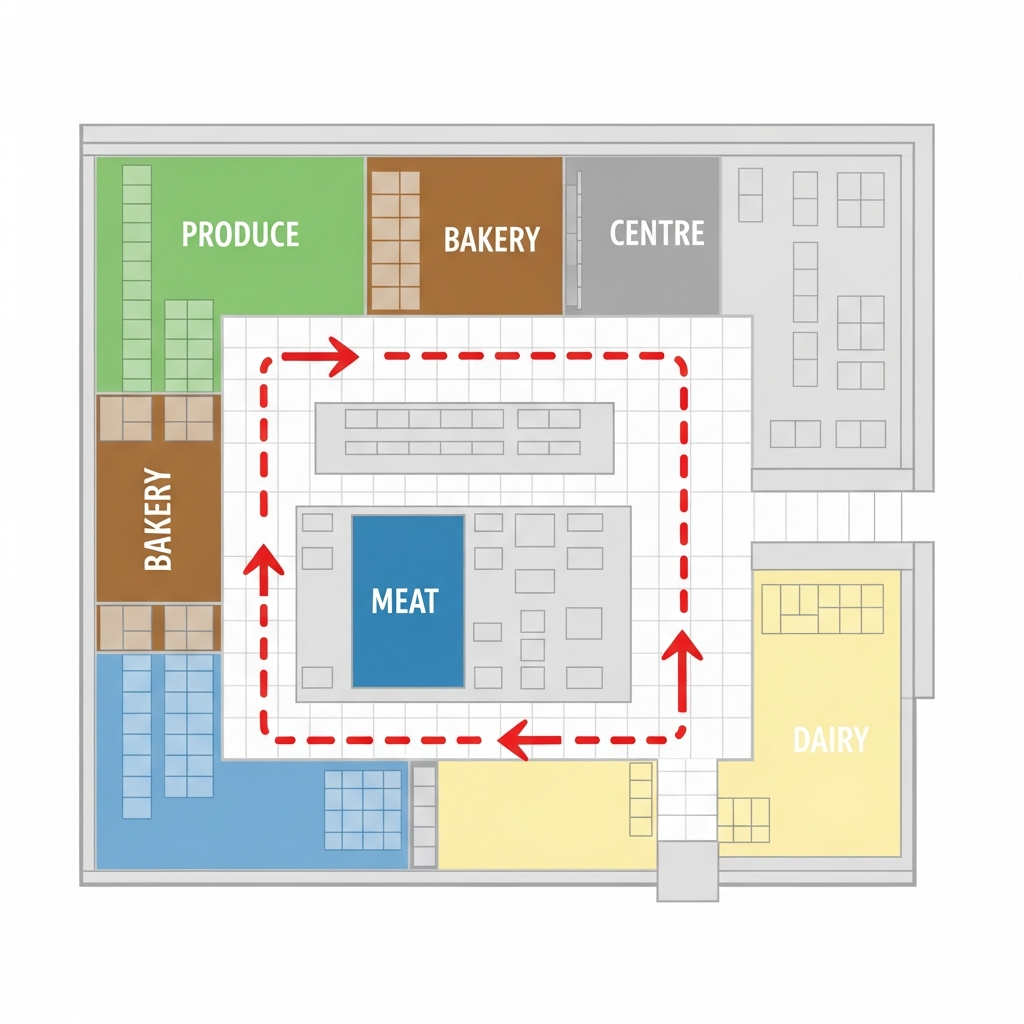
Think perimeter first. In most Naperville stores, you enter near produce. This is intentional: the color, crunch, and fragrance set the tone for the trip and help you build meals around freshness. Begin by choosing the week’s anchors—greens, a few vegetables that multitask, and fruit that suits breakfasts and snacks. As you move, glance at signage for local or seasonal features. The best stores make these displays easy to spot and easy to reach, and they are often placed near recipe cards or complementary items that save you time later.
Finding Momentum Through Departments
Past produce, the bakery draws you into the rhythm of the day. Early morning brings crusty loaves and everyday sandwich bread, while afternoons tilt toward pastries and sweets. A good strategy is to decide on one bread that carries multiple meals—toast, sandwiches, maybe a quick crostini for soup night—so you do not double back. From there, the deli and prepared foods counter invite a decision: do you want a shortcut for a midweek dinner or a protein sliced to order? If your week looks packed, let prepared foods do a little lifting. If you are cooking, grab sliced meats and cheeses for lunches and keep moving.
Meat and seafood departments typically live along the back wall, adjacent to dairy. This positioning keeps cold-chain integrity and encourages a loop that returns you to the front once your cart is nearly complete. If you are buying proteins, plan them around your produce picks; this keeps your meals coherent and reduces waste. For example, if bell peppers and greens are in the cart, choose proteins that work for stir-fries, fajitas, or hearty salads. The layout is on your side here—the path from produce to protein is short and obvious in many Naperville stores, so you are not zigzagging.
Mastering the Center Aisles
The center aisles are where time can either vanish or be saved. Organize your list by zones—breakfast and baking, canned goods and grains, snacks and beverages—so that you move in a clean S-shaped pattern without backtracking. Endcaps deserve a quick glance; they spotlight seasonal themes and local brands. But before you grab that exciting new item, ask whether it matches your plan for the week. If it does, add it with confidence. If not, keep your momentum and revisit it once the basics are in the cart.
Navigation is smoother when you trust the signage. In Naperville’s larger stores, aisle markers tend to be clear and tall, making wayfinding easy even when you are in a hurry. Smaller markets rely on thoughtful grouping—oils near vinegar and pasta, baking staples near sweeteners—so once you learn the pattern, your pace increases naturally. A quick scan from endcap to endcap helps you map the aisle before you commit to a path, saving steps and seconds.
Checkout as Part of the Layout
The front end is a design choice just like produce placement. Express lanes, self-checkout, and traditional lanes each serve different needs. If you have a small basket and a clear path, self-checkout can be lightning-fast; scan heavy items first, then bag as you go to minimize fumbling. For full carts, a traditional lane with an experienced cashier can outpace self-checkout, especially if baggers are available. Glance at the belt lengths and how quickly items are moving to choose wisely.
Parking and entry points tie into layout efficiency. In big plazas, park near the cart corrals and choose the entrance closest to produce so your trip begins with clarity. In winter, aim for a spot that avoids pushing a heavy cart against wind. In summer, shade matters for items waiting while you load the trunk. These micro-decisions stack up into noticeable time savings.
Adapting the Layout to Your Life
Families with kids often do best with a two-loop method: a quick pass around the perimeter for essentials, then a focused second loop through the two or three center aisles you truly need. This limits wandering and keeps little ones engaged. Solo shoppers may prefer a single, fast perimeter pass, then a surgical dip into select aisles for pantry and specialty items. If you are coming after work, a minimalist list and a firm order—produce, protein, dairy, then pantry—prevent decision fatigue and get you home on time.
When your list includes specialty or international ingredients, check the store map near the entrance or ask a clerk early. Naperville stores often group global items smartly—spices near grains and sauces, noodles near broths—so you can gather everything for a recipe in one lane. Learning this layout once can save you minutes every week.
Mid-Trip Adjustments
In the middle of a shop, it is useful to pause and confirm you have the anchors: greens, fruit, a starch, a protein, and something for breakfast or lunches. If you are light on any of these, correct the course right then. A quick step back through the grocery department to grab a basic—rice, beans, broth, or pasta—can unlock two or three additional meals without more time in the store.
For those who thrive on discovery, give yourself a small window at the end to wander one new aisle. This keeps the trip fresh without derailing your efficiency. It also introduces you to local brands and seasonal features you might have missed.
Bagging, Loading, and the Walk Out
Efficient bagging is an extension of the layout. Group like items together on the belt—cold with cold, heavy with heavy, fragile breads and produce last—so your bags stack into the cart cleanly and load into the car without juggling. Keep a couple of sturdy totes in the trunk and a small insulated bag for long summer drives home. At the car, place cold items in the shade of the backseat if possible, then load pantry items into the trunk’s deeper space.
Once you are home, put perishables away first. A consistent order—fridge, freezer, pantry—prevents overlooked items and clarifies what is left for quick snacks or a spontaneous dinner. The small discipline of a tidy put-away completes the loop that the store layout began.
FAQ: Layout and Faster Shopping
What is the fastest route through most stores? A perimeter-first loop—produce, bakery, deli, meat and seafood, dairy—followed by two or three targeted center aisles is usually quickest. Finish by scanning the front for the best checkout option.
How can I organize my list to match the layout?
Sort items by zones: perimeter perishables first, then center staples in clusters (baking, canned goods, snacks). This avoids backtracking and shortens your time in the aisles.
Where do stores hide specialty and international items?
They are typically grouped in a dedicated aisle with logical neighbors—spices near grains and sauces, noodles near broths. Learn that lane once and you will shop faster every visit.
What is the best strategy for a quick after-work trip?
Enter with a short, zoned list and follow a strict loop: produce to protein to dairy, then one or two center aisles. Choose self-checkout if your basket is small and lines are short.
How do I keep cold items safe on the drive home?
Bag cold with cold, place them in an insulated tote if you have one, and load those bags last so they come into the house first. In summer, keep them out of direct sun in the car.
Any tips for shopping with kids?
Use a two-loop approach: perimeter essentials first, then only the few center aisles you need. Give kids a small task—picking fruit or finding a label—to keep them engaged and moving.
If you are ready to turn grocery runs into smooth, predictable errands, lean into the logic of the layout and move with intent. A clear route, a zoned list, and a moment for discovery are all it takes to shop faster without missing what matters. For a streamlined start to your next trip, begin with a confident pass through a well-organized local grocery department and let the store’s design do some of the work for you.