Home delivery and curbside pickup have reshaped grocery shopping in Naperville, and for many of us, they’ve gone from occasional conveniences to weekly rituals. Between school schedules, commutes, and the Midwestern weather curveballs that arrive just when you think you’ve planned it all, the ability to order online and choose how your groceries come home is a game changer. I’ve tested different approaches across town and learned that a smooth experience begins where it always has: with a smart list and a clear path through the store’s grocery department, even when someone else is doing the walking.
Online ordering starts with clarity. I keep a running list that mirrors the way stores are organized—produce first, then pantry staples, refrigerated items, and frozen goods. The better your list matches how a picker moves through the aisles, the more efficient the process becomes. In Naperville, shoppers working the floor tend to be quick, and a tidy list helps them find exactly what you want without calling or guessing. I add notes for ripeness on avocados, firmness for peaches, or the thickness of deli-sliced items; those details translate into better results at the doorstep or curb.
Substitutions are the art and science of online grocery. The key is to decide where you’re flexible and where you’re not. I often mark items like pasta shapes or snack flavors as flexible while keeping certain ingredients—gluten-free breads, a specific yogurt, or a spice blend—as “no substitutes.” If you’re building a recipe around a particular item, a swap can derail dinner plans; it’s better to decline the substitution and have a back-up idea in mind. Naperville stores are good about clear communication around subs, and courteous notes in your order go a long way.
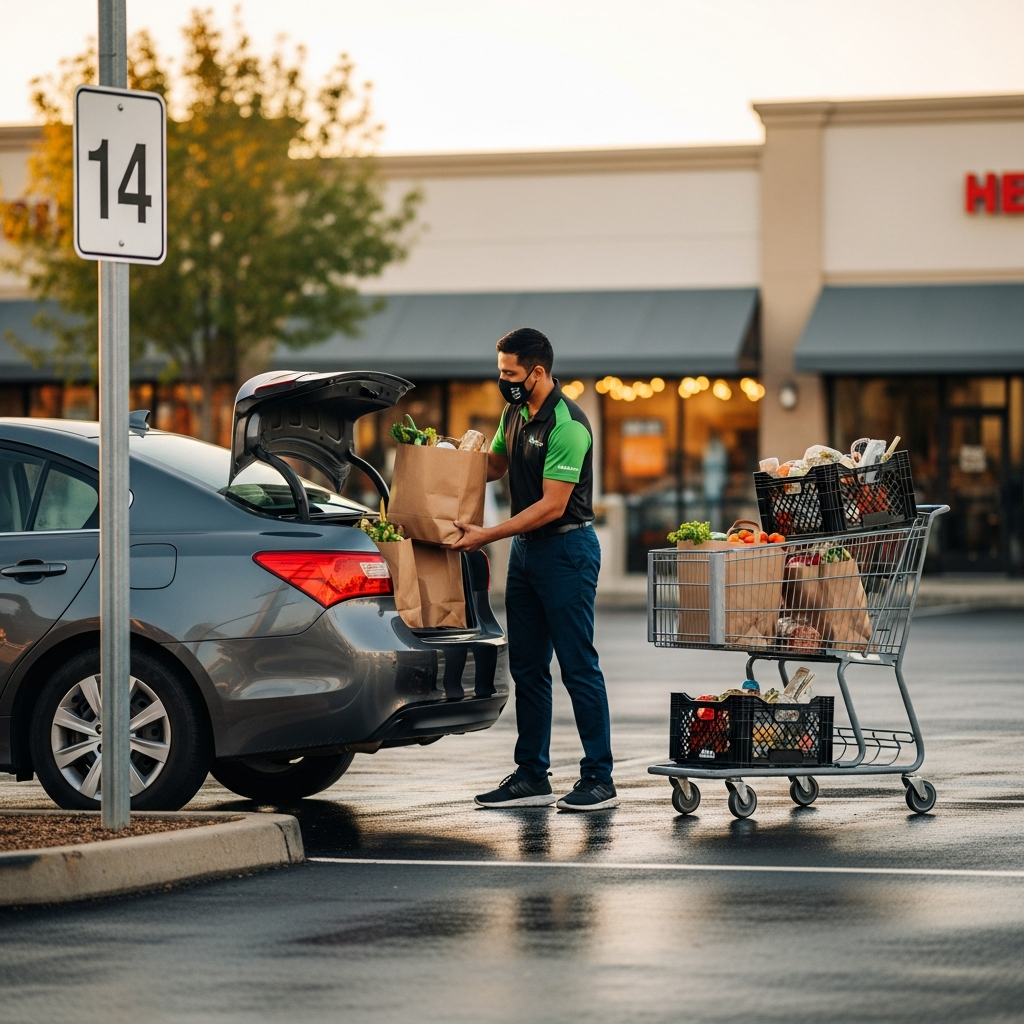
Delivery windows fill fastest when weather turns or weekends stack up with events, so book early if you can. For curbside pickup, I pick times that dovetail with existing errands: right after school pickup, before a practice, or on the way home from a meeting. That way the grocery stop is a quick pause, not a separate journey. Most lots devote easy-to-find spaces for curbside, and I’ve learned to park slightly offset so staff can open the trunk without bumping a stroller or a set of sports gear living back there.
Packaging is one of the quiet heroes of a good order. In Naperville, staff are generally thoughtful about separating cold from room-temperature items, placing fragile produce on top, and bagging cleaning supplies apart from food. If you have specific preferences—paper bags, double-bagging for heavy bottles, or no bag for a gallon that already has a handle—leave a note. Those small details can change how your kitchen resets once you’re home, saving you time and frustration.
If you live in an apartment or townhome complex, add delivery details about building entries, gate codes, and whether to meet at the lobby or leave at the door. Clear directions save calls and make the experience smoother for everyone. I also add a short note about where to place bags to keep them out of the sun on hot days or off snow on cold ones. Most drivers appreciate it and follow through carefully.
For households managing allergies or other dietary needs, online ordering can feel safer because you can read labels at your own pace. I scan ingredient lists and use search terms that narrow results to compatible options. When I must rely on a substitution, I leave a note specifying what matters most—no certain ingredients, for instance—and I’ll sometimes suggest an acceptable brand if the primary choice is out. Clear, kind communication invites equally thoughtful picking.
As for perishables, I’ve learned to plan meals around delivery timing. If my order arrives midday, I’ll prep salads and marinate proteins right away while produce is at its crispest. Evening deliveries push me toward next-day cooking, so I store items with care: greens washed and dried, herbs in a jar with water, and proteins in the coldest part of the fridge. A few minutes of setup after the bags arrive extends freshness and reduces the late-week scramble.
Curbside has a different rhythm. You’re still in control of arrival time, and that makes it ideal for last-minute needs. I’ll place an order during a lunch break and schedule pickup for the drive home, then text when I pull into the designated spot. Staff in Naperville are practiced at quick handoffs; a friendly wave, a trunk pop, and you’re headed out in minutes. If you’re juggling kids or pets, curbside is a sanity saver—no unbuckling, no dashing through aisles, no detours for the snack requests that appear out of nowhere.
Weather awareness is part of the local playbook. When snow or heat is forecast, I plan earlier windows and think about what needs extra insulation. Cold packs or insulated bags in the trunk help your curbside pickup hold temperature on the drive home, and for delivery, I ask that frozen items be bagged together to minimize door-to-freezer time. You don’t need a full kit—just a bit of forethought to protect the most sensitive foods.
One of my favorite strategies is building “kits” within an order. I’ll group ingredients in my list for a stir-fry, a tray of roasted vegetables with grains, or taco night. When the bags arrive, each kit translates into a low-effort dinner, and I can slide a bag into the fridge and know that everything for that meal is inside. It’s an easy way to preserve creativity without adding steps to a busy week.
Communication makes the difference between good and great service. If a picker messages with a question, a quick reply keeps momentum and may save you from a substitution you didn’t want. I always thank staff during curbside handoffs; it sets a friendly tone and I’ve noticed that consistency breeds consistency—care begets care. Naperville’s grocery teams are neighbors, and treating the process like a partnership leads to better outcomes.
If you split your shopping between in-store visits and online orders, decide which items belong in which mode. I prefer to choose delicate produce—berries, herbs, ripe stone fruit—myself, while staples, pantry goods, paper products, and frozen items are perfect for delivery or curbside. That mix gives me control where it matters most while preserving time on days when the calendar is packed.
For those new to delivery, the first order is a learning lab. Take notes about what worked and what you’d tweak—bagging preferences, substitution boundaries, or ideal time windows for your household. Adjust your next order based on those insights. In two or three cycles, you’ll have a template that produces consistently good results without lots of extra thought.
Returns and corrections are part of any system. If an item arrives damaged or a substitution doesn’t fit your needs, use the store’s support channel promptly. A quick, clear message—photo if needed—usually leads to a fast resolution. It’s rare, but when it happens, handling it the same day keeps your records straight and ensures your meal plans stay on track.
Finally, think about sustainability. Consolidate orders so you’re not sending multiple small deliveries across town, opt for bag reuse where available, and build a pantry that supports fewer last-minute scrambles. The steadier your rhythm, the less stress you’ll feel, and the more these services amplify your quality of life rather than simply patching holes in a hectic schedule.
In the middle of the week, when meetings stack and kids’ practices collide, I rely on a quick top-off order anchored by the essentials in the grocery department. It’s amazing how a thoughtful set of pantry items—broths, grains, sauces—can rescue a dinner plan, especially when paired with fresh produce already prepped in the fridge. Small, strategic orders keep momentum without turning your evening into a race.
FAQ: Is delivery or curbside faster in Naperville?
It depends on your timing. Delivery removes the driving and parking, but curbside can be quicker if you’re already passing by and want to control pickup to the minute. I use delivery for larger, planned orders and curbside for precise, same-day needs.
FAQ: How do I avoid substitutions I don’t want?
Mark critical items as “no substitutes,” leave notes about acceptable alternatives, and respond quickly if staff reach out with questions. For the rest, decide where flexibility won’t compromise your recipe or preferences.
FAQ: What’s the best way to handle fragile produce in an online order?
Leave clear notes about ripeness and firmness, and request that delicate items be packed on top and separate from heavy goods. Unpack these first at home and store them properly to extend freshness.
FAQ: Any tips for apartment deliveries?
Provide building entry details, elevator codes if needed, and preferences for lobby vs. door drop-off. Add a note about keeping bags out of direct sun or away from snow, and include a contact method in case the driver needs quick clarification.
FAQ: How can I keep groceries cold during curbside in summer?
Place an insulated bag or small cooler in your trunk, ask staff to group cold items together, and head home promptly. It’s a simple step that protects dairy, meat, and frozen goods when temperatures rise.
If you’re ready to reclaim time this week, line up your order, set your preferred window, and let a well-organized grocery department carry the load. With a few smart notes and a steady rhythm, delivery and curbside in Naperville become more than services—they become the backbone of a calmer, better-fed life.