
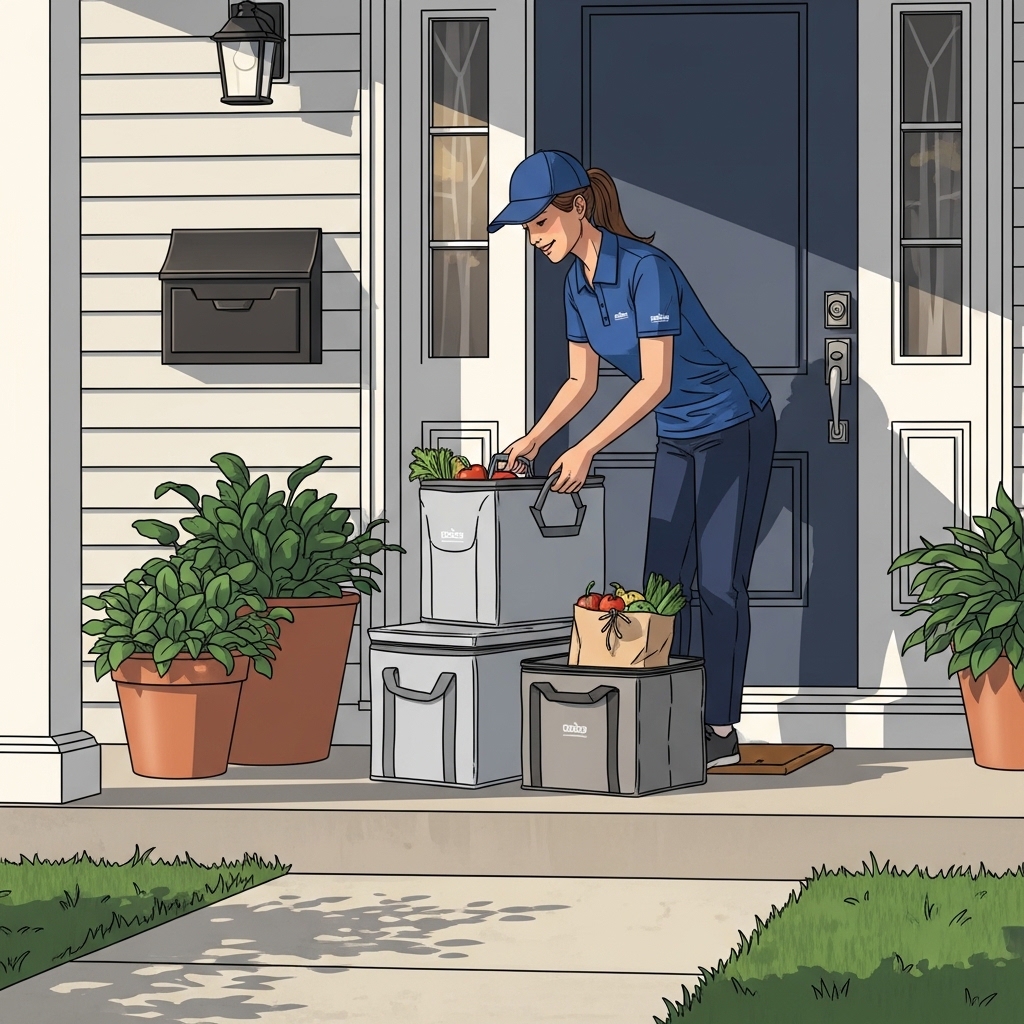
Grocery delivery in Naperville has moved from a novelty to an everyday convenience, and for many households, it is the difference between a hectic evening and a calm one. From north-side neighborhoods near the Riverwalk to subdivisions along 95th Street, families, professionals, and seniors rely on delivery to keep kitchens stocked without juggling parking lots and checkout lines. I often tell neighbors that choosing the right delivery option starts with understanding how you cook, when you eat, and what you expect from freshness, substitutions, and communication. When delivery connects seamlessly to a strong in-store operation—especially a well-organized grocery department—you feel the difference the moment your order arrives at the door.
In practice, delivery is about trust. You trust that someone will choose a head of lettuce like you would, that tomatoes will be ripe but not bruised, and that the butcher will package meats in a way that keeps them safe until you get home. You also trust the store to communicate when an item is out of stock and to suggest a smart replacement rather than a random guess. The best delivery services behave like an extension of your own shopping habits, capturing the details that make your meals taste the way you intend.
How Naperville Households Use Grocery Delivery
Different neighborhoods leverage delivery differently. Commuters who return from I-88 late lean on evening drop-offs so dinner ingredients arrive as they pull into the driveway. Busy families along 75th Street often schedule weekend deliveries to set up the week with breakfasts, lunch supplies, and a few backup dinners. Seniors appreciate mid-morning windows when the pace is calm and communication is easy. In each case, the goal is the same: reduce errands and keep meals on track without lifting a finger.
Delivery does not have to be all or nothing. Many of us use it to complement in-store shopping. You might order heavy pantry items and household supplies for delivery, then pop in midweek for produce and fresh bakery. That hybrid approach takes pressure off your schedule while still giving you the pleasure of browsing when you have time.
Freshness, Substitutions, and Communication
Freshness is where delivery services earn their reputation. A great service trains shoppers to pick produce like a home cook and to treat the deli and meat counters with the same care you would. Communication about substitutions can make or break the experience. Ideally, you are notified promptly if an item is unavailable and offered replacements that match your preferences. Clear notes—“ripe avocados if available,” “green bananas only,” “thin-sliced turkey from the deli”—ensure the person shopping understands your goals.
Naperville shoppers value that transparency. If a store makes it easy to add instructions and responds quickly, you can trust the process. Over time, that trust grows into a relationship where the service anticipates your needs and delivers consistently.
Scheduling and Delivery Windows
Choosing the right window depends on your routine. Early morning drop-offs are perfect if you want ingredients waiting before you start cooking. Midday works well for families at home during lunch, while evening windows suit commuters or anyone planning a late dinner. Weekend delivery sets up the upcoming week with a single click, especially useful during busy sports seasons when Saturdays and Sundays are filled with games, practices, and gatherings.
Consistency helps, too. If you find a window that works, consider sticking with it. Regular schedules can improve reliability and make it easier for you to plan meals, prep ingredients, and coordinate other errands around the delivery.
Preparing for a Smooth Delivery
A little planning goes a long way. Keep a running list on your phone so you can submit orders quickly. Include notes for items that require a specific ripeness or cut. If weather is extreme, set out a cooler by the door with a note for the driver to place perishables inside. Double-check your address and contact preferences so you can be reached if substitutions are needed.
When the order arrives, do a quick review while items are still cold. If anything needs attention, a quality service will address it promptly. That responsiveness is another sign you have chosen well.
Why the In-Store Operation Matters
Behind every good delivery is a well-run store. A tidy produce section, a responsive deli, and a careful meat department translate directly into better deliveries. The person shopping on your behalf is only as good as the systems in place: accurate inventory, clear labeling, and a thoughtful layout that enables efficient picking. If the store invests in training and maintains a reliable grocery department, your cartons and bags will reflect that care.
Another quiet advantage is local knowledge. Teams who live and work in Naperville understand seasonal patterns, community events, and neighborhood traffic, which help them plan routes and maintain quality during busy periods. When a service is run by people who know the area well, delivery feels personal and dependable.
Special Considerations: Dietary Needs and Meal Planning
Delivery shines when you are managing dietary preferences or planning a big week of meals. If you eat gluten-free, dairy-free, or focus on specific cuisines, add notes and favorite brands to your order history. Over time, the service will learn your patterns and help you shop faster. For meal planning, think in clusters—order a protein and two flexible sides, plus a sauce or spice blend that bridges multiple meals. That way, if an item is substituted, you still have options.
Do not overlook frozen and prepared items, which can save a busy night. A balanced freezer—vegetables, grains, fruits for smoothies—gives you a cushion when schedules shift, and well-made prepared foods help you serve a satisfying dinner without stress.
FAQs
How do I ensure good produce quality with delivery?
Use the order notes to specify ripeness and variety preferences, and choose a service known for active communication about substitutions. Over time, your instructions help shoppers pick the way you would.
What is the best delivery window for busy families?
Weekend deliveries set up the week well, while evening windows suit after-work cooks. If you can, test a few windows to see which aligns with your routine and yields consistently fresh results.
How should I handle substitutions?
Be specific in your notes about acceptable alternatives and respond promptly to messages. Good services suggest replacements that fit your style, and quick communication keeps the order on track.
Is delivery worth it if I enjoy in-store browsing?
Yes. Use delivery for heavy items and staples, then shop in-store for produce and bakery when you want that hands-on experience. The hybrid approach saves time without sacrificing the pleasure of browsing.
What if an item arrives damaged or missing?
Contact the service immediately. Reputable teams correct issues promptly, which is a sign you can depend on them for future orders.
If you are ready to let delivery shoulder part of your weekly routine, start with a store that runs a tight operation behind the scenes and communicates clearly. Anchor your lists around a dependable grocery department, choose delivery windows that fit your schedule, and enjoy the calm of a kitchen that stays stocked without the extra trip.