For many Naperville households, delivery is no longer an occasional convenience; it’s a weekly rhythm layered between school pickups, client calls, and late-night study sessions. When you live in a city that stretches from the Ogden Avenue corridor to the south side near the 95th Street area, the right delivery choice can save you an hour you didn’t realize you had. Over the last few years, I’ve watched local stores refine everything from order windows to substitution policies, making it easier to trust a shopper with your list. Before you click checkout, ground yourself in the basics: your preferred store’s grocery department is the backbone of any delivery experience, dictating freshness, depth of selection, and how well special requests get handled. With that foundation, you can match the right service to your schedule and the nuances of your household.
Understanding the delivery landscape
Delivery in Naperville sits at the intersection of store-run programs and third-party platforms, and the blend works well because our city’s shopping districts are dense with options. Full-line supermarkets, specialty markets, and international grocers each bring their own strengths: broad staples, curated produce, or unique pantry finds. Some offer direct delivery through their own systems, while others partner with well-known apps. The difference is more than branding. Direct delivery typically means store staff pick your order, while third-party services rely on trained shoppers working across several stores. Either path can be excellent; the key is learning how each handles substitutions, communication, and timing.
Order timing and when to click “submit”
Your delivery window is the heartbeat of the experience. Morning slots are great for produce and bakery freshness, while late afternoon is ideal when you want cold items ready for dinner. High-demand times—think Sunday late morning and early evening—can book quickly in Naperville, especially around major events or when weather keeps everyone indoors. If your week is scripted with practices and meetings, schedule recurring slots and build your pantry list around them. For spontaneous needs, I’ve had good luck snagging midafternoon windows on weekdays when shoppers are between the lunch and post-work waves. When you’re ordering something finicky, like ripe avocados or delicate herbs, earlier slots tend to align with that day’s stocking rhythm.
Substitutions: setting the rules
A thoughtful substitution policy can turn a near miss into a pleasant surprise. Most platforms let you toggle between “no substitution,” “best match,” or “ask me.” In Naperville, where back-room communication is generally strong and inventory moves briskly, detailed notes are golden. If you need a certain pasta shape, a dairy-free alternative, or a specific roast level for coffee, say so. If it’s not available, give your shopper permission to call or message with a quick question. Clear boundaries avoid kitchen disappointments, and shoppers appreciate guardrails that reduce guesswork during peak times.
Special requests and handling
Delivery shines when your needs are specific. Deli counters can slice meat to order; bakeries can set aside a particular loaf; seafood counters can weigh out a recipe’s worth of fillets. If your store’s app lets you message departments, do it early in the day. When special handling is required—ice packs for a picnic, insulated bags for a longer drive, or careful packing of fragile produce—add those notes up front. Naperville teams are accustomed to handling detailed requests, especially for families juggling dietary preferences. A little courtesy goes a long way too: thank your shopper in the app and they’ll often go the extra mile on your next order.
Condo, townhouse, and apartment logistics
Delivery to multi-unit homes works smoothly when you remove friction. Add gate codes, precise building names, and elevator instructions. If the entry buzzer is temperamental, leave a backup number. In complexes along 75th Street or near Route 59, where building clusters can be confusing, use a brief landmark—“second building on the left, red awning”—to guide the driver’s eye. If your property has a package room, confirm whether perishables can be left there. For secure lobbies, meet your driver curbside to speed the handoff and protect cold items in summer or during winter snaps.
Freshness and the cold chain
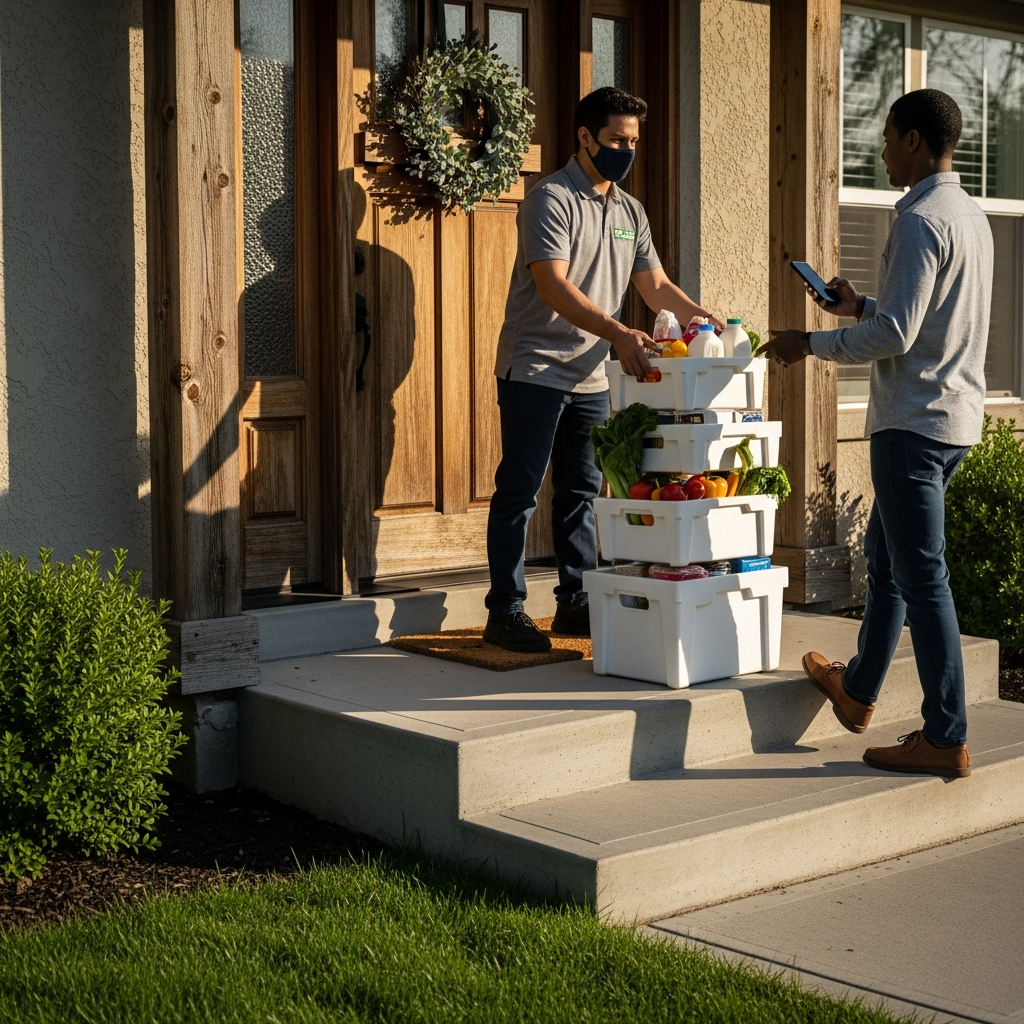
From the store cooler to your doorstep, temperature control is the invisible pillar of a good delivery. Most local teams stage cold items last, and seasoned shoppers time their routes to minimize dwell time in the car. On hot July afternoons or frigid January evenings, be ready to receive the order at the front door. If you’re ordering while away from home, target a window that lines up with your return or choose curbside pickup instead. For high-stakes items—ice cream for a birthday, seafood for a dinner party—earlier windows usually mean quicker handoffs and less environmental stress on the goods.
Dietary needs and thoughtful picking
Gluten-free flours, plant-based yogurts, low-sodium broth, and allergen-friendly snacks are readily found in Naperville, but not always in the same aisle across different stores. This is where the store’s category expertise matters. A market known for its international selection might be your best source for a specific spice blend, while another excels in dairy alternatives and fresh greens. Many delivery apps let you add instructions to individual items—“prefer unsweetened,” “organic if available,” “no added sugar.” Use those fields generously. Over time you’ll learn which stores nail particular categories, and your cart will become a reflection of that local knowledge.
Communication during the shop
When the picker or driver messages you, fast replies keep the order moving. Enable notifications and glance at your phone during the window. If you can’t respond quickly, pre-set your substitution rules to avoid pauses. Friendly, decisive answers help your shopper pass through crowded aisles, outmaneuver long deli lines, and avoid bottlenecks at popular counters. In Naperville’s busier stores, those minutes add up to fresher goods and on-time delivery.
Balancing delivery with curbside pickup
Some weeks, curbside beats delivery for sheer control. If you’re already passing by a store after a practice at Frontier Sports Complex or during a return from downtown, curbside lets you reclaim time without waiting for a driver. Stores stage orders in temperature-controlled areas, and staff bring items to your trunk. It’s also a great compromise when your schedule is unpredictable; you can tap “I’m on my way” as you approach, shaving off idle time. Use delivery when your day is locked and curbside when your route gives you a convenient window.
The middle-mile reality of traffic
Naperville’s traffic patterns matter more than most people realize. A 4 p.m. drop-off along Route 59 on a rainy Thursday is simply different from a 10 a.m. delivery near the Riverwalk on a sunny Tuesday. Delivery windows factor in these realities, but you can tilt the odds by choosing times that sidestep peak congestion. If you’re in a cul-de-sac or a new subdivision with evolving GPS data, add a quick landmark and a reminder to ignore any outdated turn prompts. Little details like that reduce driver delays and preserve the freshness chain.
Returns, issues, and how to resolve them
Even with careful picking, the occasional hiccup happens. If a bruised tomato sneaks in or a substitution misses the mark, document it quickly with a photo and a short note through the app. Local teams tend to respond fast, often crediting the item and flagging the feedback for future picks. The key is timely, specific feedback—describe the condition, the time of delivery, and whether it was a one-off or a recurring issue. Most stores want the same outcome you do: reliable orders that make you eager to schedule the next one.
Building a standing pantry list
Delivery becomes effortless when you maintain a living pantry list that you can top off through the week. Keep staples like eggs, greens, onions, broth, beans, pasta, and coffee on that list, then add household essentials as you notice them running low. Before you check out, scan your recipes and upcoming events—do you need snacks for a soccer team, supplies for a potluck, or ingredients for a bake sale? A five-minute review on Wednesday evening can save a weekend scramble.
Choosing the right store for the job
Tap into each store’s core strengths. Some excel at everyday produce and a balanced center store; others shine with international selections or specialty items. If you’re entertaining and want standout cheese and bread, one market might be your go-to. If you’re feeding a busy family and need quick breakfast and lunch solutions, another store’s workflows and stocking patterns may suit you better. Naperville’s density is your advantage—mix and match stores based on what each does best, and your delivery routine will feel like a curated service instead of a compromise.
Midweek tune-ups versus major stock-ups
Think of your delivery calendar in two modes. A major stock-up every two weeks tackles pantry foundations and household supplies, while a midweek tune-up refreshes produce, dairy, and bread. That rhythm stabilizes meals and curbs midafternoon panic orders. On stock-up days, be explicit about sizes and counts—bulk paper goods, family-pack proteins, and value-sized snacks can vary widely by brand. On tune-up days, flavor and ripeness matter most, so add notes like “bananas slightly green” or “berries for eating today.” The more you translate your in-store preferences into delivery language, the more the results will mirror what you’d pick yourself.
Preparing for special occasions
Holidays, graduations, and impromptu backyard gatherings call for a sharper plan. Place orders earlier than you think you need to, especially for custom cakes, party platters, or seafood. Confirm lead times with the appropriate department and lock in a delivery window when someone is home to receive the order. If you’re aiming for a wow factor—lush strawberries, perfect avocados, bakery items still fragrant from the oven—lean toward morning deliveries on the day-of or the day before. A short call to confirm that your items are set aside can make your event prep feel delightfully calm.
Staying flexible without sacrificing quality
The art of delivery in a town like Naperville is flexing your plan while keeping standards high. If a favorite brand is out, be open to a strong alternative. If the delivery window shifts by fifteen minutes, use the time to clear fridge space or tidy the pantry so unpacking moves quickly. Communicate your dealbreakers—dietary needs, ripeness preferences, unscented cleaners—and let everything else breathe a little. Over time, your shoppers will learn your style, and the algorithm will stop suggesting things you never buy.
Frequently asked questions about delivery in Naperville
Below, I’ve gathered the answers I share most often with friends and neighbors who are dialing in their delivery routine here in town. Each response draws on what I’ve seen across stores and services, adjusted for the quirks of our traffic and neighborhood rhythms.
How far in advance should I schedule a delivery window?
For weekend or holiday slots, book as early as your schedule allows—several days is ideal. For weekday deliveries, a day ahead usually secures a good window. If you need same-day, midafternoon on a weekday is often your best bet for availability without sacrificing freshness.
What if I’m particular about produce ripeness?
Use the notes field generously. Say “bananas slightly green,” “avocados firm for later in the week,” or “berries for same-day dessert.” Clear, sensory language helps the shopper understand your goal and choose accordingly. If you’re cooking that night, flag items as “for tonight” to encourage same-day ripeness.
Can I get items from multiple stores in one order?
Some platforms allow multi-store orders, while others focus on a single retailer per ticket. Multi-store convenience can be great, but it complicates timing and temperature control. If cold-chain integrity is critical, consider separate orders or a single-store strategy for that delivery.
How do I handle a missing or damaged item?
Report the issue through the app right away with a short note and, if helpful, a photo. Local teams are responsive and typically credit quickly. If an item is mission-critical—like a birthday candle or a key spice—note it prominently when ordering so your shopper can alert you early if it’s unavailable.
Is delivery reliable during severe weather?
Generally yes, though windows may stretch as drivers navigate conditions. Choose a window when you’ll be home to receive perishables promptly, and consider earlier slots for better road conditions and store availability. A quick confirmation message with your driver helps during snow or heavy rain.
What’s the smartest way to combine delivery and curbside?
Use delivery for stocked pantries and routine top-ups when your day is packed; switch to curbside when you’re already passing the store. That combo gives you control over timing while maintaining freshness and selection.
When you’re ready to streamline your week, match your household’s rhythm to the service that fits best, and keep an eye on the store’s grocery department updates as you plan. A few thoughtful notes, a well-timed window, and a reliable partner will turn delivery from a last-minute fix into a calm, repeatable habit that keeps dinner on the table and your weekends wide open.