In Naperville, we love a well-stocked kitchen as much as we love a sunny Saturday at the Riverwalk, and savvy shoppers know that a great meal does not require a big spend. The secret is not just where you shop, but how you navigate the aisles, read the seasons, and make flavors sing with thoughtful choices. A discount grocery store in our city can be a treasure map when you know the landmarks: rotating finds, private-label standouts, and produce that arrives in waves tied to harvests and weather. When that value focus is backed by a thoughtful grocery department, budget-friendly cooking turns from compromise into creativity.
How Discount Shopping Works in a Flavor-First Kitchen
Discount does not mean bare-bones; it means curation with an eye for everyday cooking. Stores source overstock, short-season specialties, and house brands that match or beat national labels for taste. The best bargains emerge when you build meals around what is abundant and at peak quality. A case of late-summer peppers, a crate of apples in early fall, or beautiful greens after a cool night—these are signals that the store is passing on savings rooted in the rhythms of supply, not shortchanging you on flavor.
Look for consistency across staples. When a store’s house-brand beans are tender, its pasta cooks to a pleasant bite, and its oils taste fresh rather than flat, you are not just saving—you are cooking with ingredients that behave well. That reliability makes it easy to improvise dinner without hovering over a recipe.
Produce: The Heart of Budget-Friendly Meals
Produce drives value because it drives meals. Start with what looks vibrant today and plan outward. If zucchini is plentiful, think sautés, quick pickles, and pasta tosses. If apples shine, make a crisp for dessert and slice the extras for lunch boxes. Build a cart around one or two star ingredients each week, then use pantry staples to turn them into a variety of meals. That strategy keeps your crisper lively and your budget happy.
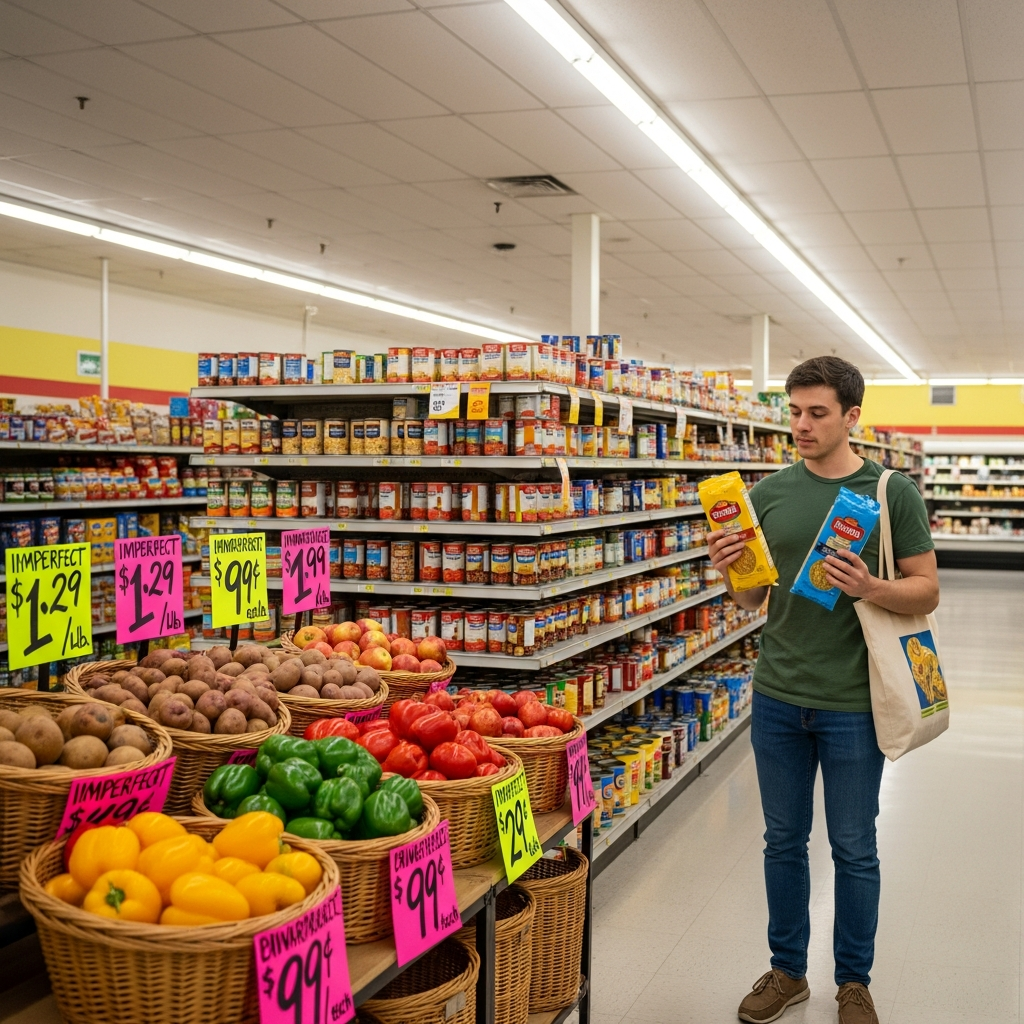
Imperfect or “seconds” produce can be a goldmine. A slightly misshapen pepper tastes just as sweet in a stir-fry, and a scuffed apple bakes up beautifully. Stores that lean into this approach are signaling that they value taste over cosmetics and are willing to help you cook affordably without waste.
Private Labels: Your Budget’s Best Friend
House brands have come a long way. In Naperville’s discount stores, private-label pasta, beans, canned tomatoes, broths, and dairy often match their name-brand counterparts. Try a few staples side by side and let your taste guide you. If the house olive oil is balanced and fresh, you have unlocked a cornerstone of weeknight cooking. If the store’s canned tomatoes are bright and flavorful, you have a red sauce, a soup base, and a braise helper in one.
Pay attention to packaging details: transparent ingredient lists, thoughtful can linings, and dates that reflect recent production. Those cues tell you that a store is not cutting corners—just costs you do not taste.
Cooking in Waves to Stretch Value
The smartest discount strategy is to cook in waves. Early in the week, use the most delicate items—greens, berries, and ripe tomatoes. Midweek, lean into peppers, squash, and cucumbers. By the weekend, turn to roots, cabbage, and citrus that hold well. Each wave hands off to the next, reducing waste and maximizing flavor. If you roast a tray of vegetables on shopping day, you will have easy sides, sandwich fillings, and salad toppers ready to go.
When you spot a deal on proteins, portion and freeze the same day. A single big batch can fuel tacos, grain bowls, and quick soups across several meals. Use spice blends, citrus, and vinegars to keep flavors fresh without relying on expensive add-ins.
The Middle of the Store: Where Value Multiplies
Discount stores often hide their best long-term value in the center aisles. A good selection of grains, beans, tomatoes, and oils anchors your cooking, letting you spin produce into countless meals. Look for house-brand standouts you can return to week after week, and do not be shy about trying a single unit before committing to a larger quantity. When a store takes pride in its grocery department, value shows up as reliability, not just a low shelf tag.
Keep an eye on global pantry items, too—spices, condiments, and sauces that bring big flavor for pennies per serving. A new spice can make a familiar ingredient feel exciting without changing your budget.
Reading Dates and Managing a Smart Pantry
Date codes can be confusing. “Best by” speaks to peak quality, not safety; a can or box may be perfectly good past that date if stored well. In practice, this means you should trust your senses—look, smell, and taste—while keeping a rotation system that moves older goods forward. Clear containers for bulk staples and tidy shelves reduce duplicates and last-minute runs.
In the fridge, create a “use first” zone so delicate items do not get lost behind bulkier packages. Fifteen minutes of prep—washing greens, drying berries, and jarring herbs—can stretch the life of your haul and make cooking feel lighter all week.
Community Vibe and Store Culture
Discount stores in Naperville succeed when they feel neighborly. Staff who flag a just-arrived case of peaches, a manager who points you to a private-label gem, or a clerk who knows the best time to shop for fresh bread—these are the small acts that make a store feel like a partner in your kitchen. Sampling helps, too; when a store invites you to taste, it is staking its reputation on what is in the cart.
Pay attention to how the store handles near-peak goods. A creative display of ripe avocados next to limes and onions is an invitation to guacamole tonight. A sign nudging you toward a quick pickle with a bumper crop of cucumbers is a store saying, “We cook, too.”
Frequently Asked Questions
How do I get the best value without overbuying?
Shop with a flexible plan built around what looks great today. Choose one or two star ingredients, then fill in with reliable staples. Avoid stocking up on niche items until you know they will earn a spot in your weekly rotation.
Are private-label products as good as name brands?
Often, yes. Test a few side by side—pasta, beans, tomatoes, and oils are good starting points. If the house versions perform well in your kitchen, you have found long-term savings that do not demand sacrifice.
When is the best time to shop a discount grocery store?
Morning tends to be calm with fresh displays, while late afternoon reveals how well the store maintains quality. Ask staff about delivery rhythms so you can align your trips with peak freshness.
How can I keep produce fresh longer?
Dry berries before storing, keep greens wrapped in a towel inside a breathable container, and store herbs upright in water. Sort by ripeness on arrival and eat the most delicate items first.
Can I find organic or specialty items at a discount store?
Yes—many discount grocers carry rotating selections of organic, gluten-free, and international items. The key is to check frequently and stock up modestly when you find a product you love.
What should I do when I see “imperfect” produce?
Consider how you will use it. If the dish does not depend on looks—soups, sautés, sauces—those items can deliver great flavor for less. Inspect for firm texture and fresh aroma; minor cosmetic flaws are fine.
Cook Big on Flavor, Light on Cost
Budget-friendly shopping in Naperville is a craft you can enjoy. Start with what is vibrant today, lean on trustworthy house brands, and cook in waves that let every ingredient shine. When you want value rooted in flavor and reliability, anchor your weekly plan with a store that treats its grocery department as the engine of good cooking, and savor the wins your wallet and your taste buds will share.