Every grocery store has its challenges, and in a bustling suburban city like Naperville, those challenges often arrive in waves. Think of the Saturday morning rush before back-to-back youth games, or the pre-storm surge when forecasts send everyone searching for soup ingredients and baking supplies. Stores that serve our neighborhoods along Ogden Avenue, 75th Street, and 95th Street know that success is not measured by perfection but by responsiveness. The good news is that most common issues have practical solutions, especially when a store understands the unique tempo of Naperville life.
From out-of-stocks to long lines, the problems customers notice are usually symptoms of larger systems that need tuning. The best stores treat these pain points as opportunities to improve, using local insights to adapt quickly. As someone who has watched operations across town for years, I can tell you that solutions rarely require magic—just clarity, commitment, and a genuine respect for the customer’s time.
One constant thread among effective stores is a strong, dependable grocery department. When the heart of the store operates smoothly—stock levels steady, freshness obvious, staff engaged—the rest tends to follow. With that in mind, here are the issues Naperville shoppers encounter most, and the fixes that separate good stores from great ones.
Issue: Out-of-Stocks at the Worst Times
There is nothing more frustrating than arriving to find the key ingredient missing. This tends to happen right before dinner hours, during weather alerts, or on Sundays when families prep for the week. The solution starts with data and ends with local common sense. Stores that analyze sales patterns and overlay them with Naperville-specific rhythms can forecast accurately and adjust orders accordingly. But data alone is not enough. Managers who walk the floor during peak times spot gaps early and trigger quick replenishment or smart substitutions, keeping customers on track.
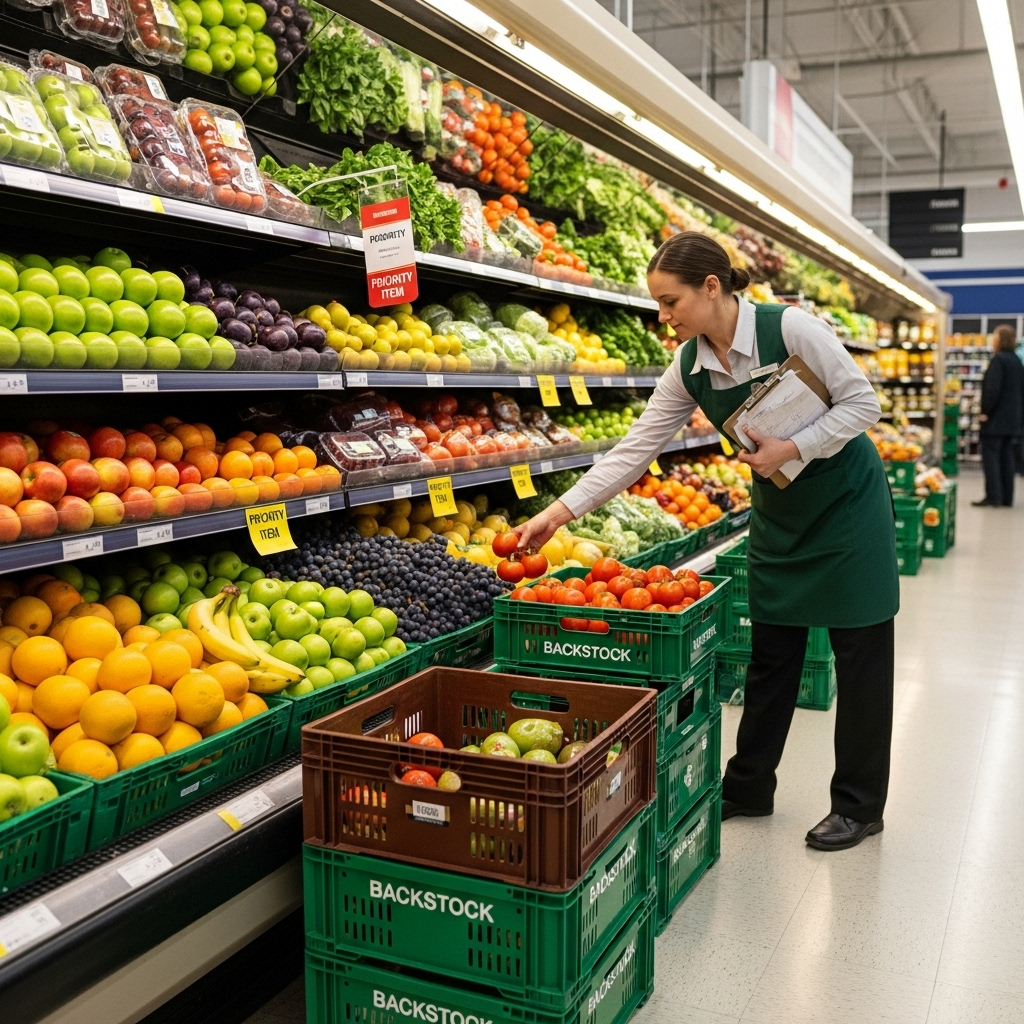
Another practical tactic is staging backstock for high-velocity items near the floor, so team members can refill quickly. When staff are trained to monitor a handful of crucial items per department, out-of-stocks drop and customer confidence rises. It is a small shift that has big ripple effects.
Issue: Long Lines and Slow Checkouts
Peak hours are real here: after school and work on weekdays, and mid-mornings on weekends. Stores that scale cashiers and open lanes proactively can turn a long line into a steady flow. Smart signage that directs small-basket shoppers to self-checkout and keeps full carts in staffed lanes reduces jams. What customers feel in those moments is respect—respect for their time and their patience.
Technology can help only when it is backed by attentive staff. Self-checkout works best with a visible attendant who can authenticate age-restricted items, fix mis-scans, and keep things moving. Meanwhile, traditional lanes benefit from well-trained cashiers who bag efficiently and communicate clearly, especially when customers bring reusable bags or need help with special handling.
Issue: Confusing Store Layouts
If you have ever felt like you ran a marathon to fetch one last ingredient, you have met the consequences of poor layout. Naperville shoppers are busy, and they reward stores that honor their routes. Clear aisle markers, logical adjacency of related categories, and consistent placement of staples near the front save minutes on every visit. Stores that redesign with true customer paths in mind—parents with strollers, seniors who value shorter walks, and quick lunchtime shoppers—see immediate improvements in satisfaction.
Rotating seasonal displays is great, but not when it hides essentials. The fix is to keep core items steady and let seasonal features complement rather than replace. When customers can move confidently, they buy with confidence.
Issue: Freshness Concerns
Freshness is non-negotiable, especially for produce, meat, and bakery. The solution begins with training: staff who understand what peak quality looks like remove items before customers have to, and they know how to rotate stock properly. Regular quality sweeps—especially in the afternoon and evening—ensure that what looked great at 9 a.m. still looks great at 6 p.m.
Communication matters too. When staff can explain the difference between two varieties of apples or recommend the best use for a leafy green, customers feel supported. Trust grows each time a store demonstrates care and competence.
Issue: Limited Options for Dietary Needs
Naperville families navigate a wide range of dietary preferences and restrictions. Stores that fall short here often bury specialized products or label them inconsistently. The solution is clarity and visibility. Grouping allergen-friendly items within reach, using consistent signage, and training associates to help locate options empower shoppers to customize their carts quickly. Regularly refreshing selections keeps the section exciting and relevant.
Importantly, inclusive selection should not mean overwhelming selection. Edited choices that cover the most common needs—gluten-free, dairy-free, plant-forward, low-sugar—make shopping faster and reduce decision fatigue.
Issue: Parking Lot Stress
The shopping experience begins in the lot. Poor traffic flow, unclear pedestrian paths, and limited cart returns add friction before a shopper even enters. Stores that mark crosswalks clearly, place cart corrals where they are actually used, and maintain snow and ice removal in winter set a calm tone. These operational details are often invisible when they go right, but families feel the difference immediately.
For parents managing car seats and strollers, wider accessible spaces and safe loading zones are invaluable. Stores that invest in these areas win loyalty because they make arrival and departure less chaotic.
Issue: Communication Gaps
Mistakes happen. What matters is how stores communicate. When an item is temporarily unavailable, a polite sign with an estimated restock and suggested alternatives goes a long way. So does a well-informed associate who can recommend a comparable product. Clear, friendly communication turns potential frustration into a moment of service, reminding customers that their time and plans matter.
Communication also means celebrating the wins—highlighting new arrivals, seasonal peaks, or staff recommendations that spark midweek inspiration. A few well-placed notes can transform a routine visit into a creative one.
Issue: Overlooked Middle-of-the-Week Needs
Many stores peak on weekends but sag midweek, just when families need steadiness. The antidote is to treat Wednesday and Thursday as “anchor days,” ensuring strong stocking, a fresh prepared foods case, and fast-moving checkout. When the core grocery department holds firm during these days, customers feel supported at the moments that matter most.
Issue: Underutilized Staff Expertise
Associates are the most important asset in any grocery store. When they are empowered to help—answer questions, make recommendations, and solve problems on the spot—customer satisfaction surges. Training that covers product knowledge, basic culinary tips, and empathetic communication does more than improve service; it turns shopping into a relationship instead of a transaction.
Naperville shoppers notice when staff can pair ingredients or explain why a certain cut works better in a recipe. That human touch turns errand time into learning time and builds loyalty the old-fashioned way: through trust.
Turning Solutions into Habits
The strongest stores make solutions routine. They schedule frequent quality checks, staff peak hours proactively, and design floor plans with real families in mind. They review sales data weekly, cross-reference it against local calendars—from school breaks to big community events—and adjust orders before the rush hits. Over time, these practices compound into a smoother, calmer experience that customers feel every time they shop.
Just as important is a culture that invites feedback. When customers know their observations lead to improvements, they speak up. Stores that treat feedback as a gift evolve faster and build deeper loyalty.
FAQ
Why do out-of-stocks happen so often before dinner? Demand spikes right after work and school, which can outpace routine restocking. Stores can fix this by staging backstock nearby, scheduling replenishment later in the day, and forecasting with local patterns in mind.
How can I avoid long lines? Shopping slightly off-peak helps, but the store’s staffing strategy matters more. Look for locations that open additional lanes proactively and maintain assisted self-checkout during busy hours.
What should I do if I can’t find a specialty item? Ask. Trained associates can often point you to an equivalent product or alert you to incoming stock. If an item is important to your routine, sharing that feedback helps stores order better.
Why does layout change so often? Seasonal resets can create visual interest, but frequent, disruptive changes confuse shoppers. The best stores keep staples fixed and update only what adds value.
How do I know produce will stay fresh until the end of the week? Choose items that look vibrant and firm, and ask staff for storage tips. Stores committed to quality will rotate diligently and remove anything past its peak.
When grocery stores combine practical systems with genuine hospitality, issues turn into opportunities—and shoppers feel the difference immediately. If you are ready for a calmer, more reliable experience, choose a store that treats operations as a craft and invests in a strong, responsive grocery department. Your meals, your schedule, and your sanity will thank you.