
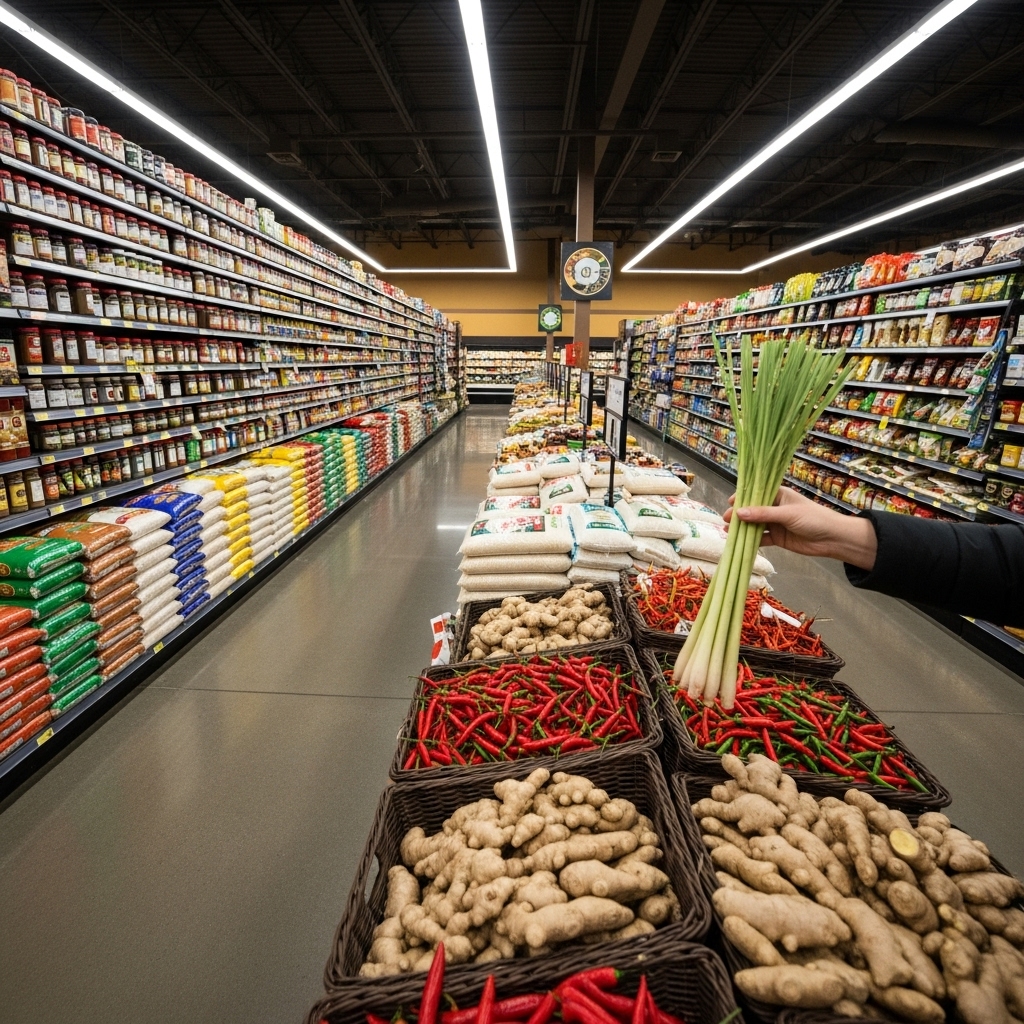
Naperville dinner tables tell stories in many languages—aromas of garam masala drifting from a simmering pot, the snap of kimchi beside a steaming bowl of rice, the comfort of tomato-scented sauces ladled over pasta, and the bright zing of lime over tacos on a Friday night. That’s why the best grocery store for international foods in our city is the one that connects these flavors under one roof and makes them feel like part of everyday life. You know you’re in the right place when the produce section carries herbs and vegetables that bridge cuisines—cilantro next to Thai basil, daikon alongside carrots, and chiles in a rainbow of heat—and when the shelves in a well-curated grocery department guide you from staples to specialties without a scavenger hunt.
International shopping is easiest when the store anticipates your questions. If you’re making Middle Eastern mezze, you’ll want tahini with the sesame seeds front and center on the label, chickpeas in a few varieties, and pita that bakes up soft. For Italian nights, the difference between good and great can be an olive oil you trust or pasta that holds sauce the way it should. For South Asian meals, the spice aisle needs real depth, and the rice section should range from basmati to sona masoori without sending you to multiple stores. The best Naperville stores tie these needs together with smart layout, clear signage, and staff who are happy to talk about what they cook at home.
Produce as a Passport
A true international selection starts in produce. Think lemongrass that snaps cleanly, ginger that’s firm and spicy-scented, and fresh herbs that look just-picked. I judge a store by the peppers it carries—jalapeños for quick salsas, serranos for extra bite, and milder shishitos for a pan-seared snack. Eggplant varieties tell a story too: globe eggplants for hearty sauces, slender Asian eggplants for silky stir-fries. When the produce department gets these details right, you build meals that transport you without leaving the kitchen.
Don’t overlook specialty greens like bok choy, mustard greens, or fresh curry leaves when available. These ingredients can define a dish with minimal effort. The key is turn-over: a diligent team rotates stock, trims herbs, and refreshes displays so you don’t have to pick through tired leaves to find what you need. Ask about delivery days if you’re planning a menu built around delicate herbs or ripe mangoes; a quick conversation ensures the best flavor.
Spices, Sauces, and the Heart of the Aisles
The middle aisles are where global cooking comes alive. A serious spice selection means whole and ground options, from cumin and coriander to star anise and cinnamon sticks. Sauces need equal attention: soy in a few styles, fish sauce with balanced salinity, gochujang that’s deep and savory, and harissa that brings heat with complexity. When the store positions these items near reliable rices, noodles, and beans, you can assemble the building blocks of a dozen weeknight cuisines without hunting.
Quality matters in the details. Canned tomatoes that taste vibrant, broth that adds depth without overpowering, and vinegars that punch above their weight—all of these move dinner from good to memorable. With an organized grocery department, you’re more likely to experiment, because the next ingredient is always within reach rather than across the store.
Breads, Cheeses, and Pantry Bridges
International cooking often lives where cuisines meet. A crusty bread can partner with garlicky beans or a Moroccan stew. A feta that crumbles cleanly upgrades salads from Greek to Middle Eastern-inspired without breaking stride. Cheeses like paneer, halloumi, and queso fresco open new doors on the stovetop, becoming the anchor for quick meals you can riff on all week. When a store stocks these thoughtfully and keeps them easy to find, it encourages cooks to blend traditions freely and deliciously.
Noodles and grains deserve similar care. From Italian pastas shaped for specific sauces to chewy udon and delicate rice vermicelli, the right textures invite you to try something new on a Tuesday night. Rices tell their own story—arborio for risotto, jasmine for Thai curries, basmati for biryani. Organized shelves help you compare, choose, and cook with confidence.
Frozen and Ready-to-Cook Shortcuts
Busy Naperville evenings call for smart shortcuts. I appreciate freezers that hold dim sum favorites, puff pastry for savory bakes, and pierogi that go from skillet to plate in minutes. These aren’t compromises; they’re practical bridges between an ambitious recipe and a weeknight reality. When a store keeps these items high quality and well-labeled, you can put a global meal on the table even when time is tight.
Pair these with fresh produce and a good sauce, and you’ve got dinner. Think frozen dumplings steamed over a bed of garlicky greens, or pierogi tossed with browned butter and herbs. With the right staples, you’ll reach for these options often, not just on the busiest nights.
Asking for Help, Discovering More
Don’t hesitate to ask staff about an unfamiliar ingredient. The best conversations I’ve had in Naperville grocery aisles start with a simple question: how do you cook this at home? A tip about blooming spices in oil or balancing tamarind’s tang can set you up for success on the first try. Staff who love to cook love to share, and that passion is contagious. You’ll find yourself reaching for something new—a jar of preserved lemons, a bottle of mirin, or a spice blend—because someone told you the story behind it.
Sampling helps, too. When stores offer tastes of a new sauce or cheese, they’re not just selling; they’re teaching. A quick bite can unlock a menu idea and shave minutes off your planning.
Building a Global Pantry at Home
A great international grocery trip doesn’t end at the register. It changes how you stock your kitchen. Keep a few keystones on hand—rice and noodles you love, a couple of versatile sauces, and a rotation of spices you’ll actually finish. Then use produce to keep things fresh and seasonal. This approach lets you cook widely without cluttering your cabinets. It also leads to creative leftovers: last night’s roast chicken becomes tacos with quick pickled onions; a tomato salad gains depth with a spoon of capers and a splash of vinegar; steamed rice transforms with kimchi and a fried egg.
When your pantry is set up this way, hosting becomes easier. You can pivot from Italian to Thai to Middle Eastern on a whim, depending on what looks best in the produce section that day. It’s a flexible, joyful way to cook that reflects the global spirit of Naperville.
Community at the Table
What I love most about international grocery shopping is how it brings neighbors together. Recipes travel between friends at parks and sidelines, in office kitchens and on front porches. Someone shares a family favorite, you share one back, and suddenly your neighborhood is richer for it. A store that supports this exchange with consistent quality and variety becomes part of the conversation, not just a place to swipe a card.
Frequently Asked Questions
How do I start cooking more international meals without getting overwhelmed?
Pick one cuisine for the week and gather a short list of staples—rice or noodles, a sauce, and a couple of spices—then add fresh produce to match. Keep it simple at first and build confidence with easy, flavorful dishes.
Which ingredients should I always have on hand for global cooking?
Stock a few versatile basics: a neutral oil, a flavorful vinegar, soy sauce or tamari, a citrus component, and a handful of spices like cumin, paprika, and chili flakes. Then layer in specialty items as you explore new recipes.
How can I tell if international produce is fresh?
Use the same rules you trust for local items: color, aroma, and texture. Ginger should be firm, herbs vibrant and perky, and chiles glossy. Ask staff about delivery days if you’re seeking delicate items like Thai basil or curry leaves.
Do I need special cookware for international recipes?
Not necessarily. A sturdy skillet, a heavy pot, and a small saucepan will take you far. As you cook more, you might add a wok, a mortar and pestle, or a rice cooker, but they’re not prerequisites for great flavor.
How do I keep my pantry organized when I’m buying ingredients from different cuisines?
Group items by function—spices together, sauces together, noodles and grains together—rather than by country. This makes it easy to mix and match and prevents forgotten jars from hiding in the back.
Ready to explore the world from your Naperville kitchen?
Let your curiosity lead you down the aisles, choose a few new flavors each week, and give yourself permission to improvise. With fresh produce, reliable staples, and a thoughtfully arranged grocery department, you’ll bring global dishes to the table with confidence—and plenty of joy.