In Naperville, people who seek zabiha halal meat look for more than a label. They want assurance that each step—from animal welfare to slaughter to handling—follows faith-based standards with care and integrity. Over the years, residents have become savvy about what to ask and how to evaluate a counter’s claims. They pay attention to certification, yes, but they also listen closely to how a butcher describes sourcing relationships, oversight protocols, and daily practices that protect the sanctity of the process. When these pieces are aligned, shoppers gain the confidence to build weekly menus and holiday feasts around Zabiha halal meat that honors tradition while meeting the expectations of a modern kitchen.
Sourcing begins long before a cut lands in the display case. Reputable suppliers maintain clear documentation that traces meat back to the plant where slaughter occurred, and further to the farm where the animal was raised. Transparency is crucial, and in Naperville’s best halal counters, staff are prepared to describe how their supply chain works in practical terms. They might explain which plants they use, how shipments are handled to avoid cross-contamination, and what internal checks are performed at receiving. The idea is straightforward: certification is a foundation, but daily vigilance is what keeps the promise intact from the loading dock to the butcher’s knife.
Certification itself takes several forms, depending on the certifying body and the slaughter method for each species. Locals often ask whether slaughter was performed by a trained Muslim slaughterman, whether the invocation was said for each animal, and whether mechanical assistance was used. These questions are part of a good-faith conversation about how different certifiers interpret requirements and how that aligns with personal convictions. In Naperville, you’ll find experienced butchers who can discuss these nuances without defensiveness, welcoming the dialogue and acknowledging the diversity of practice within a shared commitment to halal principles.
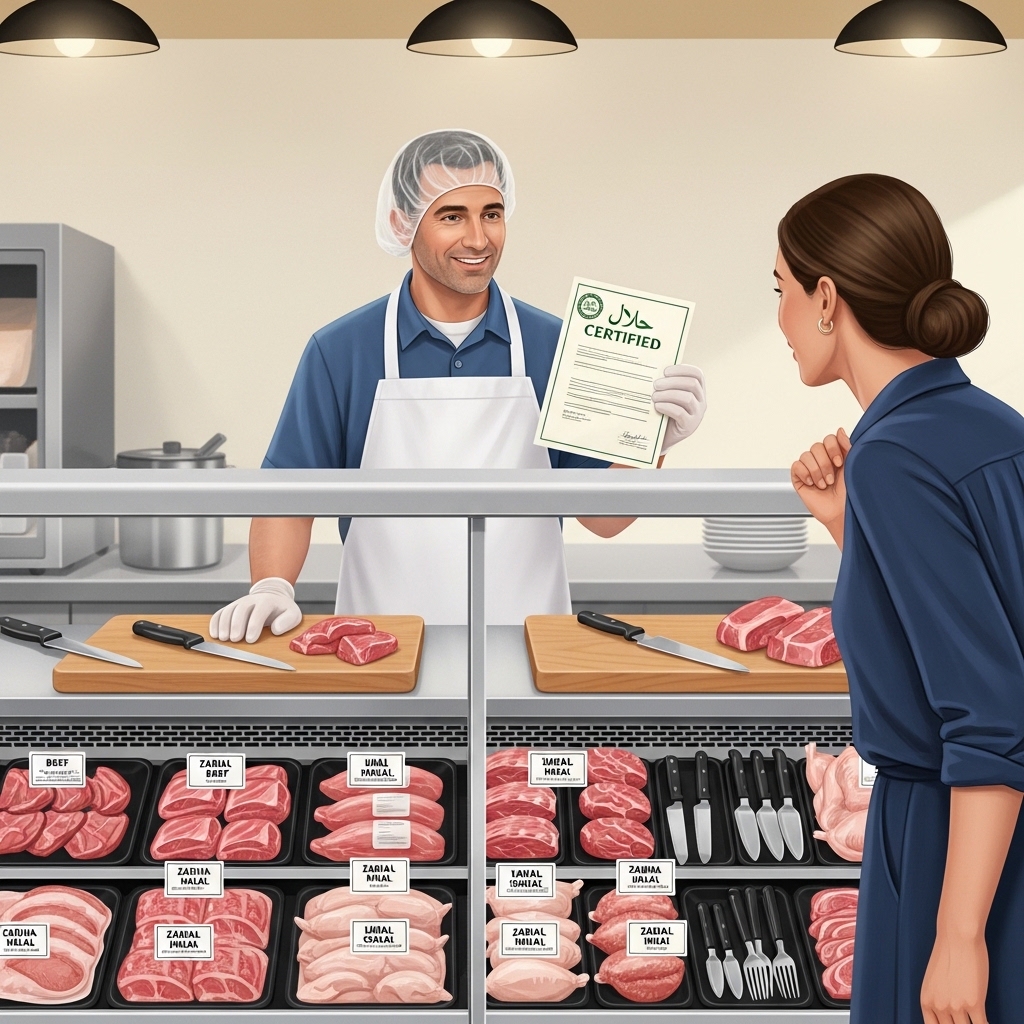
Handling practices at the store level are equally important. The best counters maintain separate tools, cutting boards, and storage for halal meat. Staff training covers sanitation, labeling, and a careful workflow that ensures halal products never share prep surfaces with non-halal items. Walk through a well-run operation and you’ll notice it: the calm rhythm of cleaning, the precise labeling of trays, and the way orders are wrapped to preserve identity from counter to customer. These low-drama habits are how integrity shows up in the everyday.
Packaging and transport matter too. For many Naperville shoppers, a sense of comfort comes from seeing tamper-evident packaging, clear date stamps, and a routine for rotating stock that’s methodical rather than improvised. The shops that do this best have nothing to hide; they invite questions and encourage customers to look closely. They also keep backups of certification documents and, when appropriate, will share the broad strokes of their supplier audits or site visits. None of this is flashy, but it builds the kind of trust that keeps a community coming back.
On the culinary side, sourcing and certification reveal their value at the table. Meat handled with care cooks more predictably: steaks sear evenly, braises stay juicy, and broth turns clear and fragrant. Naperville home cooks often share how a reliable source has allowed them to dial in recipes, adjusting spices and techniques without worrying about the variability that can come from inconsistent supply. Whether crafting a slow-cooked haleem or a quick chicken karahi, consistency in the meat itself becomes the foundation for creative cooking.
Midweek shopping routines make this reliability even more important. A parent picking up dinner ingredients on the way home needs clarity: what’s fresh, what’s suitable for grilling tonight versus slow cooking tomorrow, and what has the right fat balance to produce a tender result. The right counter answers those questions at a glance, backed by a staff that can explain the why behind each recommendation. It’s in these moments that the value of a trusted source for Zabiha halal meat becomes obvious—less guesswork, fewer compromises, and meals that taste the way you intended.
Community education plays a role as well. Over time, conversations at the counter become a kind of informal seminar on halal standards. New arrivals to Naperville ask about terms like “hand-slaughtered,” “mechanical assistance,” and “stunning,” and learn how different certifying bodies address them. Longtime residents exchange notes on where to find certain cuts during busy seasons and compare experiences with different preparations. This ongoing dialogue pushes shops to maintain high standards and helps shoppers make informed choices that align with their beliefs.
Another dimension is animal welfare and how it intersects with halal practice. Many Naperville shoppers want assurance that animals were treated respectfully throughout their lives, not only at the moment of slaughter. Responsible suppliers describe feeding practices, access to space, and veterinary care as part of their story. While details vary by farm and species, the principle remains: ethical treatment supports both the spirit of halal and the quality of the meat. When shoppers hear coherent, sincere explanations, they feel more confident bringing those products into their homes.
Finally, there’s the cultural comfort of buying from a counter that recognizes holidays, family gatherings, and the rhythms of the community calendar. Before major celebrations, the best shops plan staffing and inventory to match demand, communicate clearly about lead times, and keep the atmosphere patient and organized. That kind of foresight respects the importance of those meals and the role they play in family life.
What does “zabiha” mean in practical terms?
In day-to-day practice, zabiha refers to animals slaughtered according to Islamic guidelines by a trained Muslim, with the invocation recited for each animal and the method ensuring a swift, humane cut. The meat is then handled to avoid contamination with non-halal products, preserving integrity through packaging and storage.
How can I verify certification at a local counter?
Ask to see documentation, which reputable shops keep on hand. Staff should be able to name the certifying body, explain the slaughter method used, and describe how the store maintains separation and sanitation. Clear answers are a good indicator of consistent standards.
Is there a difference in taste or texture with zabiha halal meat?
Many home cooks report that careful handling and consistent slaughter practices lead to reliable results in the kitchen. While flavor depends on cut and preparation, meat from a trustworthy source tends to cook evenly and deliver a clean, satisfying taste.
What questions should I ask my butcher?
It helps to ask where the meat was processed, how deliveries are handled, which days are best for the freshest selection, and what cuts suit your recipe. Good butchers welcome these questions and use them to guide you toward the best outcome.
How do shops prevent cross-contamination?
They use separate tools and surfaces, adhere to strict cleaning routines, and maintain careful labeling from receiving to display to packing. Staff training emphasizes discipline at every step so halal integrity is never compromised.
Why do locals value traceability?
Traceability provides confidence that the product you’re buying reflects your values. When shops can describe the path from farm to counter, customers know the meat aligns with halal requirements and quality expectations.
If you’re ready to shop with confidence, choose a reliable Naperville source for Zabiha halal meat and cook with the assurance that each step—from sourcing to certification to handling—supports your faith, your family, and your table. Ask questions, learn your butcher’s schedule, and bring home the cuts that will make your next meal memorable.