Across Naperville, conversations about what we buy and cook at home often begin in the aisles of our neighborhood markets and end at our dinner tables. Families here take pride in shopping intentionally, asking smart questions about sourcing, quality, and values. When the topic turns to halal meat, those questions become even more thoughtful. Halal is not a trend; it is a faith-informed approach to eating that blends ethics, community, and culinary tradition. In a city known for its parks, schools, and diverse neighborhoods from North Central College to the 95th Street corridor, halal meat matters because it fits the way Naperville households live: caring for one another, seeking excellence, and building bridges across cultures.
For many local shoppers, the term halal represents trust and transparency—a promise that the animal was raised and processed with attention to humane treatment, proper handling, and cleanliness. It also speaks to an intentional way of cooking and sharing meals that honor family routines, from Sunday afternoon stews to weeknight grills. If you have ever discussed spice rubs at the Riverwalk or traded marinade tips with a neighbor near Ogden Avenue, you know that food here is connection. Choosing halal meat is one of the clearest ways households in Naperville bring integrity and flavor to the table.
Of course, households have practical priorities, too. Parents want consistency and safety. Home cooks want tenderness and taste. Older relatives want familiarity and respect for tradition. Halal meat meets these needs while inviting curious eaters to expand their cooking repertoire. Whether your family includes long-time Napervillians, recent arrivals, or a mix of both, the halal conversation is about quality you can feel proud serving to every guest, neighbor, and friend.
Understanding what halal really means for daily cooking
Halal is often discussed in broad strokes, but the details matter when you are planning weekly meals. In essence, halal refers to what is permissible under Islamic dietary guidance. That includes humane slaughter by a trained person invoking God’s name, draining of blood, and strict separation from forbidden items. For home cooks, this translates into a supply chain built on cleanliness, care, and respect for the animal. It is a framework that recognizes food as more than fuel; it is a responsibility and a joy.
In Naperville kitchens, this understanding shows up in simple ways. You might notice your chicken breasts have a clean, fresh aroma and consistent texture, making them ideal for a gentle braise or a quick sear. Beef cubes destined for a family biryani or a Midwestern chili hold their shape without turning tough. Lamb chops marinate evenly, taking on herbs and spices beautifully. These are the everyday benefits of standards designed to protect purity and preserve flavor.
Halal also encourages mindfulness about how we eat. Many households find themselves planning meals ahead, setting aside time to thaw properly, season thoughtfully, and cook with patience. This doesn’t add stress; it turns dinner into a rhythm that brings calm to busy weekdays. As parents juggle school pick-ups, sports practices near Frontier Park, and homework, that rhythm can be the anchor that keeps everyone gathered around the table.
Why halal meat resonates with Naperville’s values
Naperville takes civic life seriously. We notice when businesses treat customers well, and we remember when producers honor their promises. Halal meat aligns strongly with those values. It is rooted in ethical guidelines that emphasize compassion, cleanliness, and accountability along the entire journey from farm to fridge. Those aren’t just religious ideals; they’re universal ones, recognizable to anyone who cares about the origin of their food.
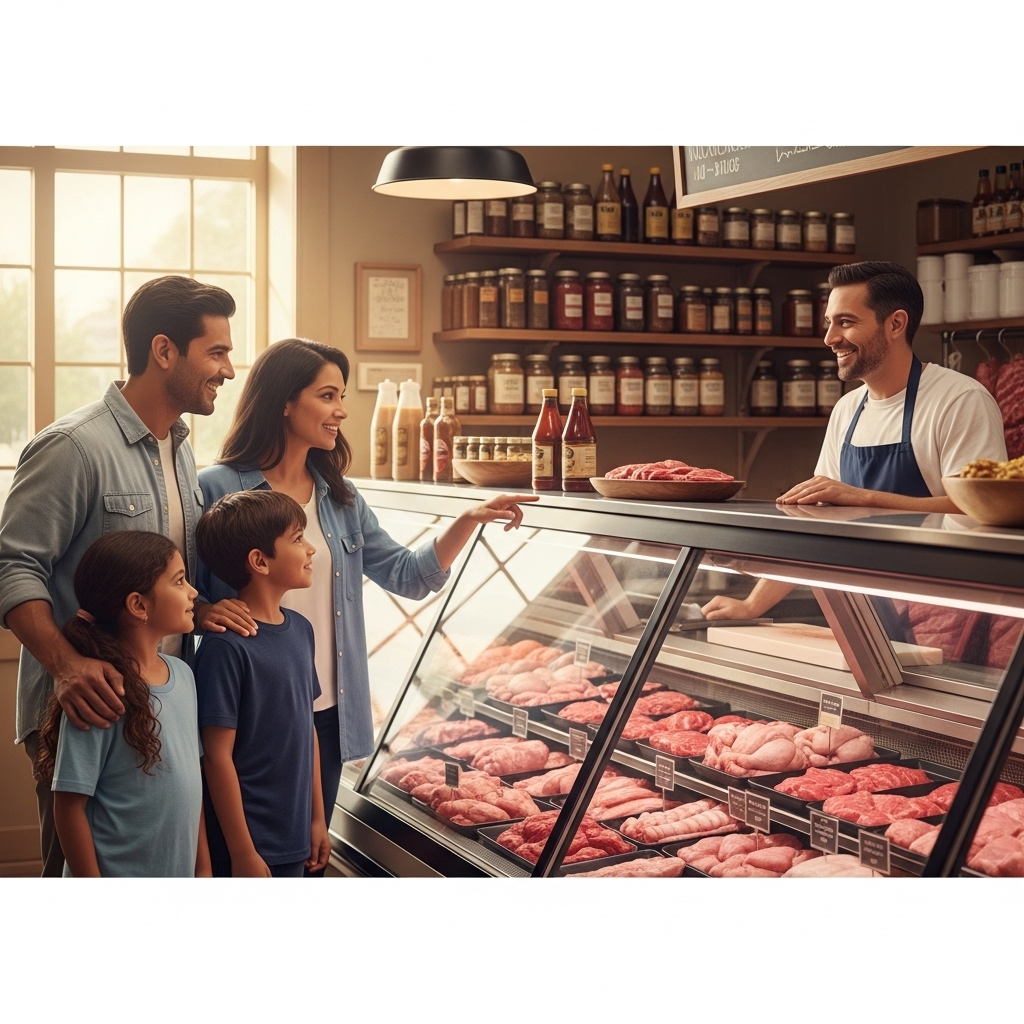
Local households also appreciate how halal shopping fosters community. You will see it in the way butchers greet regulars by name and ask about the family barbeque you mentioned last week. You hear it in conversations where someone offers a recipe tweak that makes a simple roast taste like a celebration. The social fabric of Naperville—its cultural festivals, school potlucks, and block parties—benefits when we can cook food that respects everyone at the table. Halal meat makes hosting inclusive, and there’s a quiet pride in serving dishes that invite more neighbors to feel at home.
Another point that resonates is traceability. Many halal-conscious consumers want to know not only how animals were handled but also where they were raised and how the meat moved through the supply chain. As more local outlets share clear labeling and certification details, confidence grows. That confidence turns into adventurous home cooking, from lamb kofta sliders at a backyard cookout to oven-baked chicken seasoned with za’atar and lemon for a quick weeknight dinner.
Quality and consistency you can taste
The most persistent feedback from Naperville cooks is about taste. Gentle handling and careful processing tend to preserve flavor and tenderness. You may notice that your slow-cooked beef becomes silky rather than dry or that your grilled chicken retains moisture even after resting on the cutting board. When meat tastes good without excessive salt or heavy sauces, it signals a clean starting point and careful sourcing.
Quality is not only about flavor—it is also about how meat behaves in your favorite recipes. Halal chicken thighs often take on spices evenly, which makes them perfect for sheet-pan dinners that must satisfy picky eaters and spice-lovers alike. Beef shanks develop a deep, savory broth in pressure cookers or Dutch ovens, adding richness to stews that simmer while you help with homework. Lamb, with its nuanced aroma, is a natural match for celebratory meals, but it shines just as brightly in everyday soups and bowls when trimmed and cooked thoughtfully.
When you find a local butcher who understands your family’s preferences—thicker lamb chops for the grill, finely minced beef for keema, or whole chickens for roasting—your weekly routine becomes easier. Naperville’s focus on customer service means these conversations are normal. Over time, your butcher becomes part of your kitchen team, anticipating the holidays you celebrate and the weekday comfort foods that bring your household together.
Shopping smart: certifications, cuts, and conversation
For newcomers to halal shopping, certification labels can be confusing. The key is to look for clarity about oversight and to talk to your butcher without hesitation. Good shops are proud to explain their standards and supply chains. Ask how the meat is handled from delivery to display, how equipment is cleaned, and how cross-contact is avoided. The more you understand, the more confident you’ll feel about choosing cuts for specific recipes, portion sizes for your family, and storage methods that keep everything at its best.
Many Naperville households like to plan meals in clusters, buying a few versatile cuts that cover a week’s worth of dinners. A whole chicken becomes a roast on Sunday, a shredded filling for wraps on Monday, and a bone broth for a weeknight soup. Beef sirloin steaks are ideal for a celebratory meal and then sliced thin for a protein-packed salad. Lamb shoulder cubes turn into skewers one night and a warming stew the next. Confidence in your selection grows as you become familiar with how each cut cooks and which spices bring out its best.
Midweek, when schedules feel tightest, it helps to have a reliable source for pantry staples—ginger, garlic, cumin, coriander, and fresh herbs—to lift the natural character of your meat. Somewhere in that midweek rhythm is a perfect moment to revisit your core choices and restock. It is also a good time to reaffirm your standards by choosing retailers that make traceability and care visible. That’s why many families return to the same trusted source for halal meat as the backbone of their meal planning.
Cooking traditions that bring everyone to the table
Halal meat naturally supports the social life of the kitchen. From Eid gatherings to graduation parties, from small birthdays to impromptu potlucks after a soccer game at Nike Park, dishes centered on halal proteins tend to be generous and shareable. Grilled skewers invite conversation, hand pies travel well, and slow-cooked stews bring aromas that make guests linger to talk. These foods encourage us to ask for someone’s story and share our own.
Naperville’s diversity means you’re likely to encounter many culinary traditions. It is common to see a single table featuring South Asian spices, Middle Eastern herbs, and Midwestern produce. Halal meat becomes the unifying thread, a versatile foundation that plays well with citrus, yogurt, tahini, tomatoes, onions, and seasonal vegetables from our local markets. Even on a weeknight, a simple pan of spiced chicken and carrots can spark conversation about where the recipe came from and how it has evolved across generations.
These traditions are not only about the past; they create new family favorites. Children who grow up around balanced seasoning, colorful plates, and tender cuts learn to appreciate variety. Teenagers learn grilling skills that carry into adulthood. Couples test new recipes and build shared meals into their routines. The social fabric of the home strengthens in quiet, delicious ways.
Food safety and storage confidence
Households that buy halal also tend to be serious about safety. Good shops in Naperville maintain cold-chain integrity, separate workspaces, and thorough cleaning protocols. At home, that care continues. Families thaw meat in the refrigerator, use dedicated cutting boards, and store leftovers properly. These routines are simple but powerful. They protect your investment of time and care, and they preserve the flavor that drew you to halal in the first place.
Freezing with intention helps. Divide larger purchases into meal-sized portions, label them clearly, and plan thaw times to match your schedule. When you cook, let meat rest so juices redistribute, and you’ll be rewarded with tenderness even in leaner cuts. The more deliberate your process, the more rewarding your results. Over time, this can become second nature—a habit that improves every dish you prepare.
Halal at home builds community beyond your kitchen
What begins with shopping often extends into wider community life. When you bring a halal dish to a school event or a neighborhood potluck, you offer hospitality that signals welcome. You also open the door for conversation about the meaning of halal, dispelling myths and inviting respect. These small, everyday choices add up. They make Naperville the kind of city where diversity isn’t only acknowledged; it is celebrated in real, delicious ways.
Beyond events, halal choices can influence how local businesses operate. When customers ask good questions and reward transparency, shops elevate their practices. That benefits everyone—Muslim families who observe halal, neighbors who want clean, traceable food, and curious cooks who simply want dependable flavor. Community standards rise when shoppers and sellers work in partnership.
FAQ: Everyday questions Naperville households ask
Q: What’s the simplest way to verify halal integrity when shopping locally?
A: Start by looking for clear certification and then ask your butcher to explain their process, including how they prevent cross-contact. Confidence grows when retailers are eager to share details and invite you behind the scenes, at least conversationally.
Q: Does halal meat taste different?
A: Many home cooks notice clean flavor and tenderness, which often come from humane handling and careful processing. Those qualities show up in stews that simmer beautifully and in grills that stay juicy.
Q: How can I introduce halal dishes to guests who are new to them?
A: Begin with familiar formats—grilled chicken, spiced meatballs, hearty soups—and build from there. Good seasoning and balanced sides make the experience welcoming for everyone.
Q: Is halal only for those who observe Islamic dietary guidance?
A: No. While halal is faith-guided, many neighbors choose halal because they value the ethics, cleanliness, and consistency it represents. It’s a solid choice for anyone who cares about how food is raised and handled.
Q: What cuts are best for busy weeknights?
A: Chicken thighs for sheet-pan meals, ground beef for quick sautés, and lamb cubes for pressure-cooked stews. They’re forgiving, flavorful, and compatible with a range of spices.
Q: How do I store halal meat to preserve quality?
A: Portion and freeze promptly if you won’t cook within a couple of days, thaw in the refrigerator, and rest cooked meat before serving. These habits protect flavor and texture.
When you step into your preferred market in Naperville and ask for the week’s cuts, you are doing more than shopping. You are shaping a food culture built on trust, flavor, and neighborliness. If you are ready to plan your next meal, choose thoughtfully sourced halal meat, bring your favorite spices to the counter, and cook a dinner that makes everyone feel welcome at your table.