
Families, Food, and the Naperville Way
Walk through any Naperville neighborhood on a weekday evening and you will see a familiar scene: bikes leaning against garages, soccer cleats drying on porches, and kitchen lights turning on as families gather after practice, lessons, and commutes. In homes from North Central College’s campus area to the cul-de-sacs of South Naperville, food anchors the transition from busy days to calm nights. The fresh market has become central to that ritual because it meets families where they are—time-strapped, health-conscious, and eager for meals that everyone around the table will actually enjoy.
Parents here have learned an old truth that feels new again: when ingredients taste good, dinner becomes easier. You can build a weeknight meal around a handful of exceptional items rather than a long list of steps. The shift is practical, not idealistic. After one or two low-stress dinners that elicit genuine enthusiasm from kids, the habit sticks. If you are new to this approach and looking for a simple way in, let the local fresh market be your guide to seasonal standouts that make even hurried meals feel special.
In Naperville, conversations about food often touch on wellness and balance. Between school schedules, sports, and community events, families need meals that deliver energy without weighing everyone down. Fresh market shopping supports that goal by emphasizing ingredients at their peak, where flavor and nutrition align. With crisp greens, fragrant herbs, and fruit that bursts with juice, you can keep recipes simple and still achieve a level of satisfaction that processed shortcuts cannot match.
A Routine That Reduces Stress
Many local families solve the dinner puzzle by planning small, frequent market visits. A quick stop after school pickup or on the way home from the YMCA yields just enough produce for the next two or three meals. This rhythm keeps the fridge lively and avoids the guilt of unused groceries. Children get to choose a fruit or vegetable that excites them, which improves the odds that they will taste and finish what is on their plate.
Reducing stress begins with simplifying decisions, and fresh market shopping does that by narrowing choices to what is best right now. There is comfort in knowing that the most abundant, beautiful items are also the most sensible picks. When you reach for a head of lettuce that was crisped by last night’s cool air instead of a week of travel, you taste the difference immediately. That lived experience becomes its own feedback loop: the better dinner tastes, the more motivated you are to keep the routine.
Parents also appreciate that shopping fresh puts them in conversation with people who know food. Ask what just arrived, what a new variety tastes like, or how to store something for a few days, and you will get practical tips tailored to family schedules. You do not need to be a chef to cook well for your household; you simply need a few reliable techniques and the right ingredients.
Flexible Meals for Real-Life Schedules
Naperville’s family calendars are packed, which means dinner needs to bend around reality. Fresh ingredients make that possible. A bright salad can stand alone during late homework nights, while roasted vegetables anchor the plate on evenings when there is time to linger. The same set of produce can be reimagined across multiple meals without feeling repetitive. Tonight’s roasted carrots pair with grilled chicken; tomorrow, the leftovers get sliced into a grain bowl with herbs and a squeeze of lemon.
This flexibility creates a cushion against last-minute changes. If a practice runs long or a meeting shifts dinner late, you can still put together something light and satisfying using what is freshest. In the long run, this adaptability matters as much as flavor. It turns food into a supportive part of family life rather than a source of stress.
Teaching Kids Through Taste
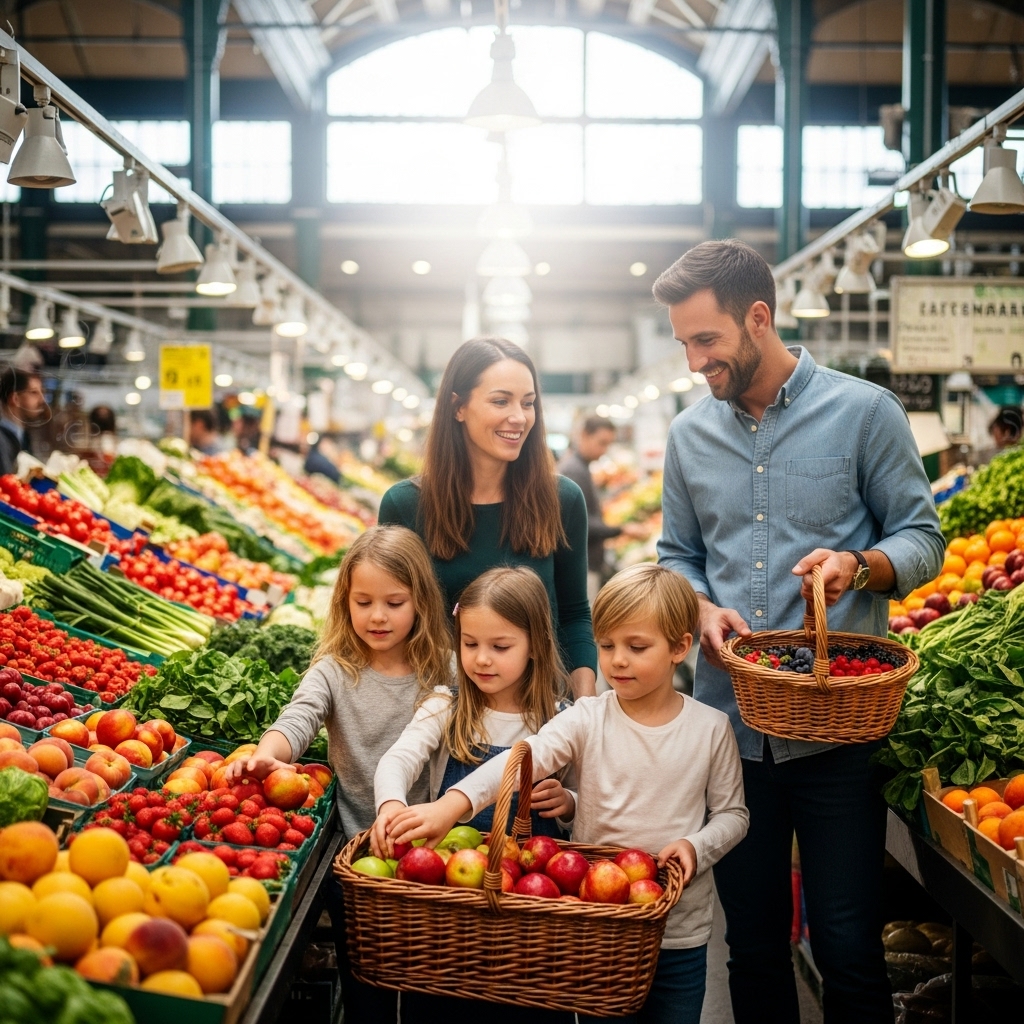
There is a quiet education happening every time kids join a market run. They learn to assess fruit by scent and weight, to look for bright leaves on beets, and to tug gently at corn silk to check for plump kernels. These tactile, sensory lessons stick with them in a way that no worksheet can. Children also discover that vegetables are not monolithic; a crisp cucumber picked at peak tastes entirely different from a limp one. That direct experience shapes preferences and builds openness to trying new foods.
Families often turn selection into a game. One child chooses the week’s salad green, another picks a fruit, and a parent picks a new herb to explore. This simple ritual cultivates curiosity and ownership. When dinner feels like the result of a shared effort, kids are more invested in the outcome. Over time, you see the change in how they talk about food and how eagerly they participate in the kitchen, even if it is just washing berries or tearing lettuce leaves.
Health Without the Lecture
Many parents want to prioritize nutrition without turning meals into lectures. Fresh market shopping helps because it allows the food to do the persuading. A strawberry that tastes like sunshine does not need a health pitch; it is compelling on its own. When vegetables snap, crunch, and smell enticing, salads and sides become natural choices instead of obligations. This shift lightens the emotional load around eating well. The focus moves from rules to enjoyment, which is a more sustainable path for families.
That enjoyment translates into better consistency. When everyone around the table experiences a satisfying meal, the desire for overly processed alternatives fades. This is not about perfection; it is about momentum. A week of small, positive choices accumulates into a month, and eventually into a family identity that quietly says, We like food that tastes alive. That identity is reinforced in every corner of Naperville, from backyard gatherings to school events where fruit platters are picked clean.
Midweek Inspiration When You Need It Most
There is a particular energy dip that happens midweek. Homework piles up, emails multiply, and enthusiasm for cooking wanes. A quick stroll through a well-stocked produce section can snap you out of it. The colors and aromas do a kind of gentle work on your imagination. You might notice a batch of cherry tomatoes that glow like jewels or a bunch of basil that perfumes the air. In those moments, a meal plan presents itself without effort. If your creativity needs a nudge, browse the curated Naperville fresh market selection and let a single ingredient lead you to a complete dinner.
This habit brings variety to your table. Even if you keep your cooking methods simple, the changing palette of produce means meals evolve through the seasons. Spring tastes tender and green; summer bursts with juice; fall roasts into caramel sweetness; winter brightens with citrus and sturdy greens. That seasonal rhythm becomes a family tradition in its own right, one that lends texture to the calendar and gives everyone something to anticipate.
Community, Connection, and Local Pride
Naperville is a town that values connection, and markets serve as hubs of that identity. Staff recognize regulars and make thoughtful suggestions. Neighbors swap menu ideas in the aisle. Kids practice small talk and manners as they ask for a sample or say thank you to the person bagging their fruit. These micro-interactions build a sense of belonging that children remember even as they grow and move through life’s stages.
There is also a larger story at work: each purchase supports a regional network of growers, suppliers, and staff who keep the local food ecosystem vibrant. Families often take pride in contributing to that cycle. At the dinner table, it is easy to talk about where your food came from and why that matters. Those conversations build values as surely as any formal lesson.
Storage and Simplicity
Parents quickly learn the few storage habits that extend freshness and save money without effort. Greens last longer when washed, spun dry, and tucked into breathable containers. Berries keep their shape and flavor when stored unwashed and rinsed just before serving. Herbs perk up in a glass of water in the fridge, covered loosely. These small practices turn into autopilot routines that respect both your time and your budget tolerance, reducing waste while keeping the crisper drawer inviting.
Simplicity extends to the table. A dinner does not need to be elaborate to feel complete. Add a squeeze of lemon to roasted vegetables, tear fresh herbs over a grain bowl, or toss sliced stone fruit with yogurt for dessert. These gestures are small but resonant. They allow you to keep pace with the demands of family life while still delivering meals that feel thoughtful.
Accommodating Different Tastes and Needs
Every family has a mix of preferences and dietary needs. Fresh market shopping helps you find a common denominator: flavor. When the base ingredients are vibrant, it is easy to serve components separately or adjust seasonings at the table. One child might prefer raw carrots while another loves them roasted; both options are available from the same batch. Parents can keep condiments flexible so that everyone assembles a plate that works for them. This approach lowers friction without turning dinner into a short-order situation.
Over time, a shared vocabulary develops. Children learn the names of herbs and varieties of apples. They start to notice the difference between early- and late-season strawberries. That knowledge feeds a sense of competence and curiosity, both of which spill into other areas of life. Learning through taste proves durable because it is rooted in pleasure rather than obligation.
Frequently Asked Questions
How many times a week should a busy family shop the fresh market?
Two to three quick stops often work better than one large trip. Naperville families tend to slot these visits between activities, choosing enough produce for the next couple of meals. This keeps the fridge lively, reduces waste, and ensures fruits and vegetables hit the table at their best.
What if my kids are picky eaters?
Invite them into the selection process. Let each child choose one fruit or vegetable for the week, and ask staff for a simple preparation idea. Ownership leads to curiosity, which often nudges picky eaters toward tasting and, eventually, enjoying new foods.
Can fresh market shopping support different dietary preferences?
Yes. Whether you lean plant-forward, omnivorous, or gluten-free, the market places flavorful, adaptable ingredients at the center. You can then assemble plates that accommodate everyone without cooking separate meals.
How do I keep produce fresh long enough to use it?
Wash and dry greens thoroughly, store herbs like flowers in a jar of water, and keep berries unwashed until serving. These habits extend shelf life and preserve texture and flavor so that what you buy on Tuesday still tastes great on Thursday.
Is shopping fresh more time-consuming?
Not necessarily. Focused, smaller trips streamline decisions. Because you are choosing what looks best rather than comparing endless options, you can be in and out quickly, which is a relief on busy days.
What if I am not confident in the kitchen?
Start with simple techniques: quick sautés, light roasting, and raw salads. Ask staff for a two-step idea for any ingredient that catches your eye. With good produce, minimal preparation is often enough to deliver a satisfying meal.
Bring Fresh Flavor Home Tonight
If your family is ready for easier dinners and happier plates, make a small change that pays off fast. Stop by after school pickup, choose a couple of seasonal standouts, and build tonight’s meal around what looks vibrant. For a spark of inspiration before you go, explore the local fresh market offerings and let one ingredient lead the way to a memorable dinner.