
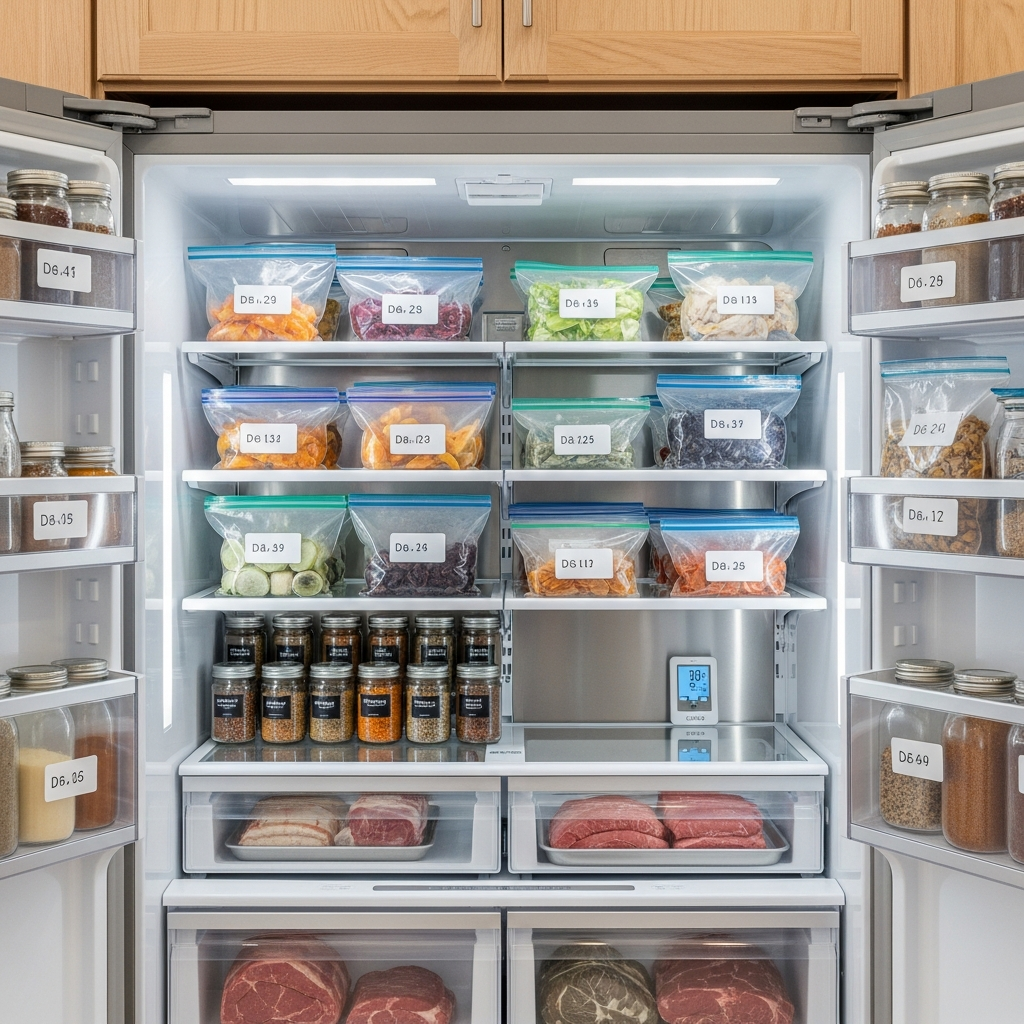
Safe Storage Tips To Maintain Halal Meat In Naperville, Illinois
Anyone who has carried a heavy grocery bag from a Naperville market to a warm car in July or navigated a slushy driveway in January knows that meat storage is more than a technical detail—it’s the difference between a delicious dinner and a disappointing one. For households that prefer halal meat, safe storage protects both quality and values. It preserves texture and flavor, helps avoid cross-contact, and keeps your kitchen running with calm confidence. Over years of cooking for family, neighbors, and community events, I’ve come to rely on simple, repeatable systems that fit the realities of suburban life. What follows is a practical guide grounded in local habits and weather, tuned to the pace of busy weeks in Naperville.
Think of storage as a chain of custody, from the moment the butcher wraps your order to the instant you plate dinner. Each link—transport, refrigeration, freezing, thawing, marinating, and reheating—affects safety and taste. The key is to shorten the time meat spends in the temperature “danger zone,” keep raw juices contained, and label everything so you never lose track of what needs to be cooked first. These steps won’t add chaos to your routine; done right, they will reduce it.
From Counter To Car To Kitchen: The Commute Matters
In Naperville, weather swings can be dramatic, so plan your errands with perishables in mind. In summer, bring an insulated bag or small cooler with ice packs, and park in the shade when possible. In winter, protect meat from prolonged exposure to freezing air that can partially freeze edges and compromise texture. Head home soon after purchasing, and if other stops are unavoidable, pack meat at the bottom of the insulated bag for the coolest, most stable environment. The goal is simple: arrive home with your meat as close to store temperature as possible.
When you reach your kitchen, unpack immediately. Place raw meat on a tray in the fridge to catch drips until you’re ready to portion. If you’re juggling kids, calls, and a hungry dog, set a quick timer on your phone—five minutes to get raw items stowed before anything else. That small ritual keeps the most perishable products safe without asking you to be perfect.
The Refrigerator: Organization As A Safety Tool
Fridge organization does heavier lifting than most people realize. Keep raw meat on the lowest shelf so any accidental drips can’t reach ready-to-eat foods. Store in leakproof containers or on rimmed trays. Aim to maintain the fridge at 40°F (4°C) or below; a simple appliance thermometer helps if your unit’s display is unreliable. Avoid overcrowding, which inhibits air circulation and causes warm spots that age meat faster than you’d like.
Timing matters too. As a general guideline, plan to cook or freeze ground meat and poultry within 1–2 days of purchase, and whole cuts of beef or lamb within 3–5 days. These windows preserve quality and safety, especially when you hold the line on temperature. If your week looks unpredictable, default to the freezer sooner rather than later. You can always thaw a package tomorrow, but you can’t reverse a week of creeping temperature abuse.
The Freezer: Your Best Friend For Busy Weeks
A well-managed freezer turns halal cooking into a weekday superpower. Portion meat into meal-size packs as soon as you get home. Label each with cut, weight, and date, then lay flat for fast freezing and efficient storage. Most cuts maintain best quality for several months when frozen at 0°F (-18°C) or below. Vacuum sealing is terrific if you have the gear, but even a heavy-duty zipper bag with the air pressed out works well. Avoid opening the freezer repeatedly during meal prep rushes; the more stable the temperature, the better your results.
For variety, freeze a mix of quick-cook options (thin steaks, boneless chicken pieces, ground meat) and slow-cook cuts (lamb shoulder cubes, beef chuck). That balance lets you pivot when a late meeting throws off your plan. On Sunday evenings, glance through your freezer and move two or three packs to the fridge tray to thaw for the early week. A little foresight beats the 5 p.m. panic every time.
Thawing Without Compromise
The safest, most consistent thaw happens in the refrigerator, with the meat on a tray to capture any juices. Smaller packs may thaw overnight; larger roasts can take two days. If you need to speed things up, use a cold-water bath: submerge the sealed package in cold water, changing the water every 30 minutes to keep it cold. Cook immediately after thawing this way. Avoid room-temperature thawing on the counter; it warms the outer layer into a risky zone while the center remains icy.
Once thawed, meat cooks more evenly, which protects texture and reduces the temptation to crank the heat too high. Patting pieces dry before searing helps achieve better browning, and resting cooked meats briefly before slicing helps keep juices where they belong.
Marinating: Flavor With Care
Marinades are a hallmark of halal home cooking in Naperville—yogurt and garlic for tenderness, lemon and herbs for brightness, cumin and paprika for warmth. Marinate in the refrigerator, not on the counter, and use glass or food-safe plastic containers that are easy to clean. Label the container with the date and intended cooking day. If you want to split a bulk purchase, portion meat into bags, add marinade, and freeze flat. The marinade will permeate gently as the meat thaws later, saving you time without sacrificing safety.
Be mindful of ingredients. Keep alcohol-based flavorings out of the mix, and choose spices and vinegars that align with halal standards. If you host potlucks, label dishes so guests can be confident about what they’re enjoying. A little clarity goes a long way toward building trust.
Preventing Cross-Contact At Home
Cross-contact is the quiet saboteur of kitchen confidence. Dedicate a cutting board and knife for raw meat, and store them separately from boards used for breads and produce. Wash hands, tools, and surfaces thoroughly after handling raw items. Keep raw meats on the bottom shelf of the fridge and ready-to-eat foods higher up. When prepping multiple dishes, sequence your work: chop vegetables first, then handle raw meat, then sanitize. These habits turn into muscle memory after a few weeks and dramatically reduce the chance of mishaps.
For households that share space with friends or extended family, communication is key. Agree on labeling conventions and storage zones. If you use a second fridge in the garage or basement, make sure everyone knows which shelves are dedicated to raw storage and that temperatures stay cold year-round, even during summer heat waves and winter cold snaps.
Quality Checks: What Your Senses Can And Can’t Tell You
Your senses are useful but not foolproof. Fresh meat should smell clean or slightly metallic, not sour or “off.” Color varies by cut and exposure to air; a slight darkening doesn’t automatically mean spoilage, but sticky or tacky surfaces are red flags. Always anchor decisions in time and temperature as well. If a package sat out on the counter for hours, the safest choice is to discard it, even if it looks normal. Keeping a simple log—purchase dates, freeze dates—removes guesswork and helps you rotate inventory intelligently.
Texture and juiciness also reflect storage discipline. Meat that thaws slowly in the fridge retains moisture better than meat rushed under hot water or left on the counter. Properly wrapped cuts avoid freezer burn, which dries the surface and dulls flavor. While freezer burn isn’t harmful, trimming affected areas improves taste and texture.
Smart Prep For Community Events
Naperville’s social calendar keeps kitchens busy. When cooking for a crowd, portion and freeze ahead. Thaw in the fridge across a couple of days, marinate cold, and cook to serve. Transport hot foods in insulated carriers and cold foods in coolers with plenty of ice packs. At the event, set halal trays with dedicated utensils slightly apart from other dishes. A simple label with the dish name and “halal” reassures guests and prevents cross-contact. Assign one volunteer to keep an eye on the table—refreshing utensils, wiping small spills, and answering quick questions.
If you’re using a shared community fridge or freezer, designate shelves and post a big, friendly sign. Clear organization saves time and preserves everyone’s effort, turning a hectic setup into smooth hospitality.
Power Outages And Other Surprises
Midwestern storms occasionally test our storage systems. Keep refrigerator and freezer doors closed during outages to retain cold air. A full freezer stays cold longer than a half-full one, which is another reason to portion and stock ahead. Consider keeping a small bag of ice cubes in the freezer as a low-tech indicator; if they thaw and refreeze into a block, you’ll know temperatures climbed too high. When power returns, evaluate with caution. If meat still has ice crystals or reads cold and firm, you can often keep it; when in doubt, err on the side of safety.
Plan for these moments by storing a few ready-to-eat pantry items and scheduling your biggest cooks when the forecast looks stable. That little bit of planning keeps special meals on track even when nature throws a curveball.
Balancing Convenience With Care
Modern life demands shortcuts; the trick is choosing the smart ones. Pre-portioning reduces waste and speeds weeknight prep. Freezer-friendly marinades turn a bulk purchase into four future dinners with almost no extra time. A labeled bin for “cook soon” items in the fridge creates a visual reminder that helps you prioritize. None of this requires elaborate equipment—just a marker, a roll of freezer bags or containers, and the will to build a few new habits.
Above all, remember that safe storage supports better flavor. Meat that has been kept cold and handled gently browns more beautifully, stays juicier, and tastes cleaner. Storage isn’t a chore tacked onto cooking; it’s the foundation that makes cooking shine.
Frequently Asked Questions
How long can I keep raw halal meat in the refrigerator?
As a general guideline, cook or freeze ground meat and poultry within 1–2 days and whole cuts of beef or lamb within 3–5 days. Keep the fridge at or below 40°F (4°C) and store raw items on the lowest shelf in leakproof containers or on a tray to catch drips. If plans change, freeze sooner rather than later to preserve quality.
What’s the safest way to thaw meat quickly?
Use a cold-water bath with the meat sealed in a leakproof bag, changing the water every 30 minutes to keep it cold. Cook immediately after thawing this way. The most consistent method remains refrigerator thawing on a tray, which takes longer but delivers even results and excellent texture.
Can I refreeze meat after it has thawed?
If meat was thawed in the refrigerator and kept cold, you can refreeze it, though some texture may be lost. For best quality, cook thawed meat within a day or two. Avoid refreezing meat that sat out at room temperature. Labeling and planning ahead minimize the need to refreeze.
How do I prevent cross-contact in a busy household?
Dedicate a cutting board and knife for raw meat, store raw items on the lowest shelf, and label containers clearly. Sequence prep—produce first, then raw meat, then sanitize—and make sure everyone in the household understands the system. Simple consistency beats complicated rules.
What is freezer burn and is the meat still safe?
Freezer burn occurs when air contacts the surface and dehydrates it, creating dry, pale patches. It isn’t dangerous, but it affects texture and flavor. Trim affected areas after thawing and prevent future burn by using airtight packaging, removing excess air, and keeping the freezer cold and steady.
Are there special considerations for marinating halal meat?
Marinate in the refrigerator, avoid alcohol-based flavorings, and use containers that are easy to clean. If you freeze in marinade, label the pack with the date and cooking plan. Thaw in the fridge so the meat stays at a safe temperature while absorbing flavor.
How should I transport halal dishes to a potluck?
Keep hot foods hot in insulated carriers and cold foods cold with ice packs. Label halal dishes and set them with dedicated utensils at the event to avoid cross-contact. Communicate with hosts so the serving setup supports your efforts and guests can enjoy the food confidently.
What should I do after a power outage?
Keep doors closed during the outage. When power returns, check for ice crystals in frozen items and cold firmness in refrigerated items. If temperatures rose significantly or you’re unsure, choose safety. A small ice-cube “indicator” bag in the freezer helps you judge whether food warmed and refroze.
Bring Home Confidence With Every Meal
Turn safe storage into a Naperville habit: plan your errands, organize the fridge, label the freezer, and thaw with care. When you start with trusted halal meat and back it up with smart handling, dinner becomes the easy part. Your kitchen will run smoother, your meals will taste better, and your guests will feel the welcome that defines our community.