
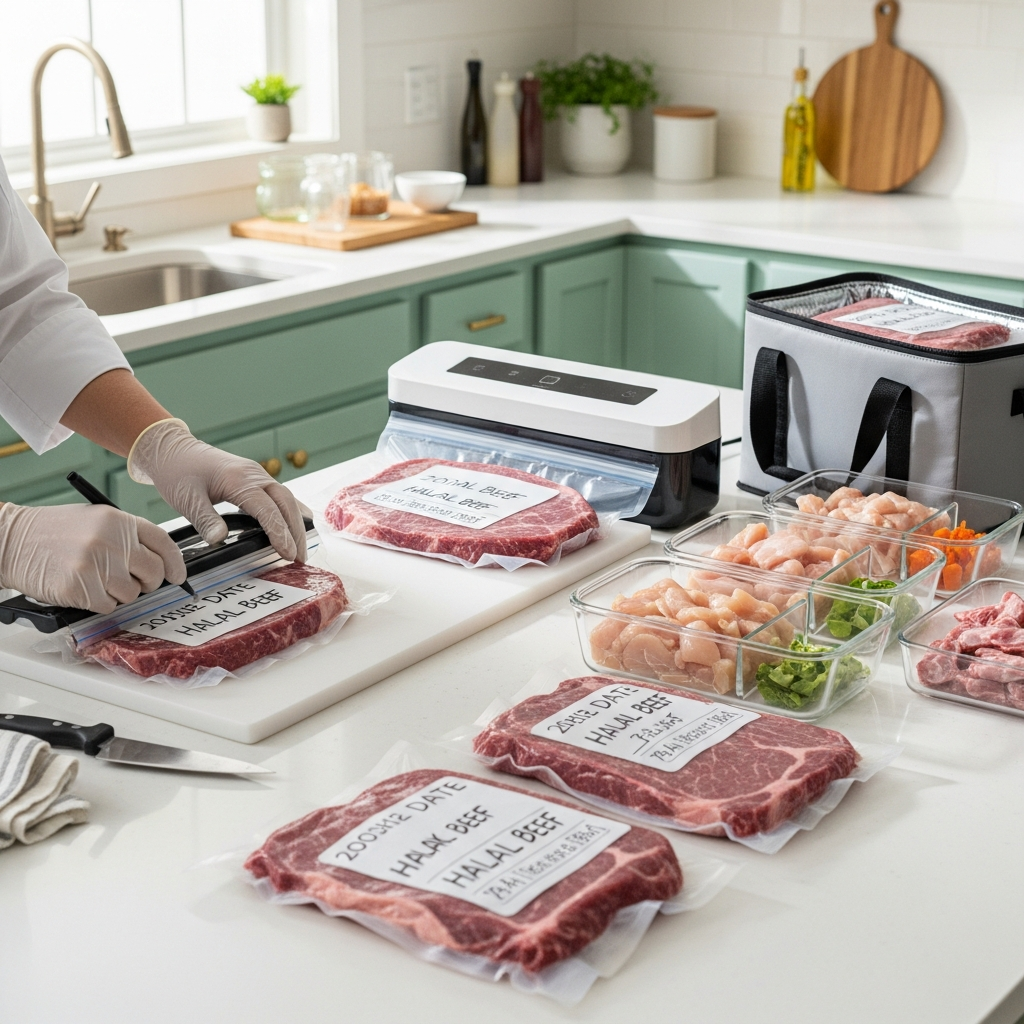
Keeping Your Kitchen Safe and Your Meals Delicious
In Naperville, where family schedules run on tight timetables and dinner often has to come together between study sessions and evening activities, safe storage and careful handling can make the difference between a smooth week and a stressful one. Halal meat provides a clean, dependable foundation for wholesome meals, but even the best ingredients need thoughtful care once they leave the counter. As a local who has seen countless neighbors trade tips in checkout lines and compare thawing strategies at the park, I can tell you that small, consistent habits add up to big results. When you bring home halal meat, you are bringing home potential—a week’s worth of nourishing dinners, leftovers that become easy lunches, and the confidence that comes from knowing you are protecting both your family’s health and your values.
Safe handling starts before you even arrive home. In our Midwestern summers, temperatures climb quickly, and meat warms faster than most people realize. In winter, exposure to fluctuating conditions can still affect quality if packages spend too long in a car. This is why planning your errands with meat in mind pays off. Making the meat counter your last stop and using an insulated bag in hot months keeps the cold chain intact and buys you time to transfer items to the fridge or freezer promptly.
Refrigeration and Freezing Basics
Once in the door, the clock and the thermometer are your friends. Refrigerate fresh meat as soon as possible and aim for the coldest part of your fridge, away from the door where temperatures fluctuate. If dinner is more than a day or two away, freezing is the safer route. Freezing halts bacterial growth and preserves flavor, but it is most effective when done promptly and with attention to packaging. Remove excess air to reduce freezer burn and label packages with the cut and date so planning remains clear even when weeks get busy.
When freezing larger portions, consider dividing them into meal-sized packs. This simple step means you only thaw what you need, reducing waste and protecting quality. Families around Naperville often build a small rotation system: one pack for early-week meals, one tucked away for the weekend, and one as a backup for those nights when schedules shift unexpectedly. This rhythm turns the freezer from a graveyard of forgotten items into a curated pantry that makes dinnertime easier.
Safe Thawing Without the Stress
Thawing is where many home cooks stumble, not because it is complicated but because it requires a bit of foresight. The gold standard is thawing in the refrigerator, where temperatures stay safely cold while gradually bringing the meat back to a pliable state. Moving a pack from the freezer to the fridge the night before is usually sufficient for smaller cuts; larger roasts may need a day or two. If you forget, submerging sealed packages in cold water speeds the process, but the water must be changed regularly to maintain a safe temperature. What you want to avoid is thawing on the counter, where the surface may warm into a risky zone while the center remains frozen.
Busy Naperville households often build thawing into the evening routine—check the calendar, look at the next day’s dinner plan, and move the appropriate pack. Set a phone reminder if it helps. Once thawed, keep the meat refrigerated and cook it within a reasonable window. Refreezing is safest when the meat has been kept cold the entire time and not lingered at room temperature, but quality can suffer, so it is better to thaw only what you plan to use.
Marinating with Care
Marinating is one of the joys of halal cooking because clean-flavored meat takes so well to herbs and spices. For safety, always marinate in the refrigerator, never on the counter. Use non-reactive containers or sealed bags, and keep raw meat and its marinade separate from ready-to-eat foods. If you want to reserve some marinade for basting or dipping, set it aside before it touches the raw meat, or bring used marinade to a rolling boil before serving. These small habits preserve the vibrant flavors you love while keeping meals safe.
Time is your ally when it comes to marinating, but more is not always better. Delicate cuts like chicken breasts might need only a short soak, while tougher cuts benefit from longer contact. Pay attention to acidic ingredients like lemon juice or yogurt, which can change texture if left too long. In practical terms, many local cooks build marinade time into their morning routine so that dinner is ready for the pan or grill the moment everyone gets home.
Preventing Cross-Contamination at Home
Cross-contamination is one of the most common sources of kitchen trouble, and it is easy to avoid with a few consistent habits. Designate separate cutting boards for raw meat and ready-to-eat items, and wash hands, knives, and surfaces thoroughly after handling raw ingredients. Store raw packages on the lowest shelf of the refrigerator to prevent drips onto other foods. In busy kitchens, it helps to establish a clear workflow—prep raw items first, clean thoroughly, then switch to produce and cooked foods. This simple sequence keeps your space organized and your meals safe.
When hosting, consider your kitchen layout. Keep raw prep away from serving platters, and give yourself a landing zone near the stove or grill where tools and trays do not mingle with ready dishes. Clear labeling of platters can help guests avoid confusion, and a gentle word about which utensils are for what task can prevent well-meaning helpers from accidentally crossing lines.
Cooking Temperatures and Resting Times
Safe internal temperatures are another key to peace of mind. Using a reliable thermometer reduces guesswork and protects both safety and quality. Different meats and cuts have different targets, and resting times matter, too. Resting allows juices to redistribute, which improves tenderness and flavor. Many Naperville home cooks develop a rhythm: cook to temperature, cover loosely, and let the meat rest while they finish sides or set the table. The result is a meal that feels composed rather than rushed, and that small pause can be the difference between good and great.
Remember that carryover cooking continues for a few minutes after you remove meat from heat, especially with larger roasts. Factor this into your timing and temperatures so you do not overshoot your target. With practice, you will develop an intuitive sense for how your equipment behaves, but the thermometer remains your best friend for consistency.
Leftovers That Stay Lovable
Leftovers can be a gift on hectic days, but they need the same care as the first round. Cool cooked meat promptly and store it in shallow containers so it chills quickly. Label with dates and aim to enjoy within a few days. When reheating, bring leftovers to steaming hot throughout. Many families set aside a night specifically for repurposed dishes—think sliced chicken in a fresh salad or shredded beef folded into a quick sauté—so leftovers feel intentional and exciting rather than an afterthought.
Freezing cooked portions is another smart tactic. Portion them into single-serve packs for quick lunches or late study sessions. Just as with raw meat, labeling and rotation keep things clear and prevent the freezer from becoming a mystery archive.
Seasonal Considerations in Naperville
Our local climate shapes kitchen strategy. Summer encourages grilling and quick cooking, which is naturally friendly to food safety because high heat meets thin cuts that cook through rapidly. Still, outdoor cooking introduces variables. Keep raw and cooked zones separate around the grill, and use clean platters to receive finished meat. In winter, when we lean into roasts and stews, long cooking times at controlled temperatures create safe, comforting meals, but pay attention to storage after serving. Let foods cool slightly before refrigeration to protect your appliance’s overall temperature, yet do not leave pots at room temperature so long that safety is compromised.
Holiday hosting brings its own dynamics. Plan refrigerator space in advance, prepare sides that can rest safely at room temperature while the main finishes, and build resting time into the schedule so meats maintain quality without throwing off the rest of the meal. A written timeline frees up mental space and reduces the last-minute scramble that leads to slip-ups.
Smart Shopping Sets the Stage
Safety and handling start with choosing meat that inspires confidence. Naperville shoppers increasingly favor counters where cleanliness is visible and questions are welcomed. Building a relationship with your butcher pays dividends when you need advice on cuts, storage times, or cooking methods. Clear communication becomes part of your safety toolkit, minimizing guesswork and supporting a steady rhythm at home. Consistency in selection also simplifies planning—knowing you can find your staples week after week is a quiet but powerful advantage.
Midway through the shopping trip is a good time to check your plan. Do you have quick-cook options for high-activity nights and a larger cut for the weekend? Have you accounted for thaw time and refrigerator space? A brief pause to review can prevent both overbuying and last-minute stress. Many Naperville residents continue to choose halal meat because it integrates seamlessly with this kind of thoughtful routine, supporting weeks that feel organized rather than chaotic.
Teaching Kids Safe Kitchen Habits
Families often invite children into the kitchen not just to help but to learn. Kids can wash produce, fetch ingredients, and observe how raw items are handled. As they grow, they can learn to read labels, date containers, and use thermometers with supervision. These experiences build confidence and respect for the process, and they turn safety into a shared family value rather than a set of rules that only adults carry. Over time, these lessons become second nature and travel with them to dorm kitchens and first apartments.
Children also bring curiosity that keeps adults attentive. When they ask why we store raw meat on the bottom shelf or why we wash boards between tasks, they prompt us to articulate good habits. That shared understanding strengthens the culture of safety at home and ensures that best practices persist across generations.
Culturally Mindful, Practically Sound
Safe handling in a halal kitchen has an extra layer of meaning because it honors both health and faith. The same care that guides sourcing should carry into storage and cooking. When you keep utensils dedicated, maintain cleanliness, and prepare food thoughtfully, you preserve the integrity of the meal in every sense. This coherence is deeply satisfying. It reassures you that the dinner you serve respects your standards from start to finish, and that reassurance lets you relax and enjoy the people around your table.
In practice, this means building routines that are gentle rather than rigid. A weekly sweep of the fridge, a dependable labeling habit, and a few go-to recipes for repurposing leftovers can transform the flow of your kitchen. Instead of scrambling, you are steering, and the difference shows up in calmer evenings and happier meals.
Frequently Asked Questions
How long can I keep fresh halal meat in the refrigerator?
For best quality, plan to cook poultry within a couple of days and most red meats shortly thereafter. If your schedule shifts, freeze promptly. Clear labeling and a simple rotation system help you stay on track without guesswork.
What is the safest way to thaw meat?
Thaw in the refrigerator whenever possible. For a faster option, submerge sealed packages in cold water, changing the water regularly to maintain a safe temperature. Avoid counter-thawing, which can push the surface into an unsafe zone while the center remains frozen.
Can I refreeze meat after it has thawed?
If the meat has been kept cold in the refrigerator and has not warmed to room temperature, refreezing is generally safe, though some quality may be lost. To minimize this, portion into meal-sized packs before freezing so you only thaw what you need.
How do I prevent cross-contamination at home?
Keep raw and ready-to-eat foods separate, designate specific cutting boards and utensils for raw meat, and sanitize surfaces after prep. Store raw packages on the lowest fridge shelf and wash hands thoroughly after handling.
What is the best way to store leftovers safely?
Cool cooked meat promptly, portion into shallow containers, and refrigerate. Label with dates and reheat to steaming hot before serving. Consider freezing individual portions for quick, safe meals later in the week.
How can I keep food safe when grilling outdoors?
Use separate platters and utensils for raw and cooked items, keep marinated meats chilled until they hit the grill, and use a thermometer to confirm doneness. Have a clean landing spot ready for finished items so they do not go back on a raw surface.
Ready for a Safer, Smoother Week?
If you want dinnertimes that feel calm, organized, and delicious, start with a trusted selection of halal meat and pair it with the simple routines above. With a little planning and consistent care, your kitchen will run with confidence and your meals will shine.