
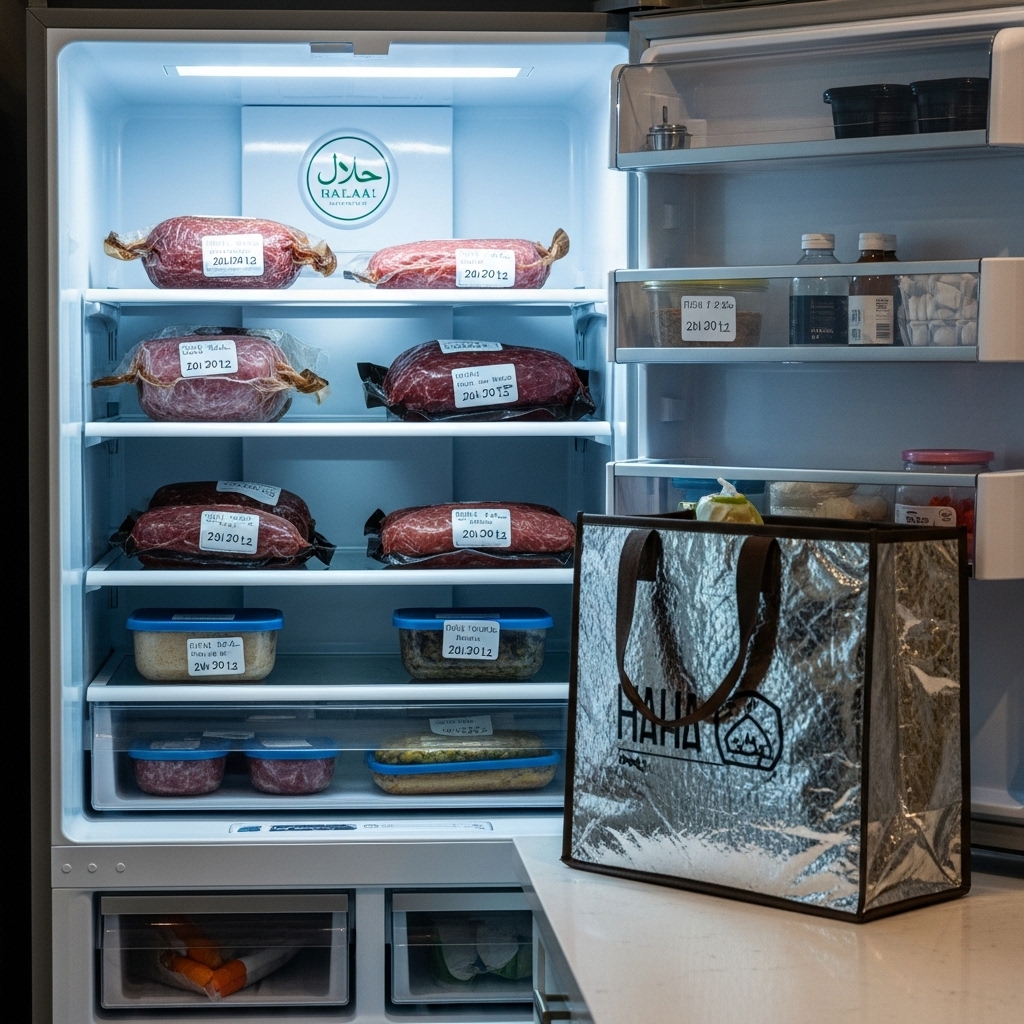
On a brisk morning along the Riverwalk or during the humid heat of July, Naperville’s weather reminds us that food safety begins the moment we step out of the store. For families who choose halal, careful storage and handling are extensions of the same respect that guided the meat from farm to counter. Even the best product can falter without smart routines at home, and the good news is that a few steady habits protect flavor, texture, and peace of mind. Whether you’re prepping for a busy week of school and practices or planning a long, leisurely weekend cookout, it helps to anchor your kitchen routine in simple, reliable steps. For many locals, that process starts with consciously sourcing halal meat and then treating it well from the trunk to the table.
Naperville’s seasons shape your approach. Summer requires speed and insulation; winter demands protection from freeze-thaw swings and careful planning for transport. Throughout the year, the goal stays the same: keep meat cold, clean, and organized so that cooking feels easy and the results are consistently delicious. With halal, this effort also honors the ethical framework behind the food, turning storage and handling into a daily expression of care.
Before diving into techniques, it’s important to remember that safe handling begins with attention. You don’t need a chef’s kitchen to succeed—just a few dependable tools, a plan, and the willingness to follow through. Over time, these habits become second nature, and your household benefits from meals that look, smell, and taste the way they should.
The Trip Home: Protecting Quality from the Start
The first stage of food safety begins at checkout. If you can, group cold items together and place them in insulated bags, especially on hot afternoons or after long errands. Head home promptly to minimize the time meat spends in the temperature danger zone. In winter, avoid leaving meat against frozen surfaces that can damage the outer layer; a steady chill is better than intense cold that causes partial freezing and thawing on the ride.
Once inside, make storage your first task. It’s tempting to sort pantry items or check email, but those few minutes matter. The faster you move meat into the refrigerator or freezer, the better the texture and flavor will be when you cook.
Organizing the Refrigerator for Safety and Ease
Set your refrigerator to a cold, consistent temperature and store raw meat on the lowest shelf to prevent drips onto other foods. Use leakproof containers or trays to catch any juices and to keep packages from touching produce. Label items with the date of purchase so you can prioritize what to cook first, and consider dedicating a small section just for raw proteins to streamline prep on busy nights.
Airflow matters, too. Avoid stuffing the fridge so full that cold air can’t circulate. A little space around packages helps maintain even temperatures, which protects quality and adds a cushion of safety when life gets hectic.
Smart Freezing for Quality and Flexibility
Freezers are time machines when used correctly. For best results, wrap meat tightly in freezer-friendly materials or repackage it in sturdy bags with as much air removed as possible. Flattened packages freeze faster and thaw more evenly, which reduces the risk of texture loss. Label each package with cut, weight, and date so you can plan meals and avoid forgotten bundles at the back of the drawer.
When you freeze in meal-size portions, you gain flexibility. A busy Wednesday may call for two chicken breasts, while a weekend gathering needs a larger roast. Thoughtful portioning prevents waste and helps you respond to the week’s shifting plans without sacrificing the quality you expect from halal.
Thawing: Patience Pays Off
The safest place to thaw meat is the refrigerator, where steady cold temperatures keep food out of the danger zone while gently bringing it ready to cook. Place packages on a tray to catch any liquid, and allow ample time—overnight for small cuts, longer for roasts. If you need speed, use a cold-water bath, submerging sealed packages and changing the water regularly to maintain the chill. Avoid countertop thawing, which promotes uneven temperatures and increases risk.
Once thawed, cook promptly. If plans change, many cuts can be safely refrozen after they’ve been thawed in the refrigerator, though texture may be affected. Note these changes in your kitchen log so you can anticipate results and adjust cooking methods if needed.
Cross-Contamination: Simple Barriers, Big Results
In busy kitchens, cross-contamination is the most common avoidable mistake. Keep raw meat and ready-to-eat foods separate at every stage. Use distinct cutting boards and knives for proteins, wash hands thoroughly after handling raw items, and clean surfaces with hot, soapy water. Towels deserve attention, too—swap out damp cloths, and use paper towels for quick, hygienic cleanup after preparing raw meat.
Consider setting up a small “raw zone” on your counter where meat is prepped and nothing else. This creates a mental boundary that prevents accidents when kids get curious or multiple cooks share the space in the evening rush.
Marinades and Seasoning: Flavor with Care
Marinades transform weeknight cuts and make weekend grilling unforgettable, but they need to be handled correctly. Always marinate in the refrigerator, not on the counter, and use non-reactive containers with tight lids. If you want to use a portion of the marinade for basting or sauce, set it aside before it touches raw meat. Label containers with time and date so you can track how long each cut has been soaking, and avoid over-marinating delicate pieces that can turn mushy.
When you’re planning ahead, match marinade intensity to your schedule. A bold mixture suits a quick soak on a busy afternoon, while gentler blends can sit longer and develop deeper flavor. With halal’s emphasis on clean handling, these practices keep flavors bright and textures satisfying.
Cooking with Confidence: Temperature and Technique
Proper cooking is the final step in safe handling. Preheat pans and grills, give meats room to sear, and resist the urge to flip too early. Use a reliable thermometer to reach safe internal temperatures appropriate for the cut, then rest the meat so juices redistribute. This sequence creates the balance we all chase: safety, tenderness, and flavor in a single plate.
Home cooks across Naperville often keep a simple log of times and temperatures that worked for their equipment. Because ovens and grills vary, your personal notes are invaluable. Over time, you’ll learn how your stove behaves on a windy night or how your grill holds heat during an October cookout.
Leftovers: A Second Act Done Right
Leftovers are part of the plan, not an afterthought. Cool cooked meats promptly by spreading them in shallow containers, then refrigerate. Reheat only what you’ll eat, and do so thoroughly so textures remain appealing. Creative repurposing—sandwiches, salads, stir-fries—turns yesterday’s dinner into today’s time-saver, honoring the halal principle of avoiding waste while making busy mornings and lunches easier.
When packing lunches for school or work, include an ice pack and use insulated containers. Naperville’s warm afternoons can be unforgiving, and a little planning preserves both safety and taste.
Entertaining with Ease and Safety
Hosting friends and family is one of the joys of living here, from backyard gatherings to cozy winter dinners. Keep raw and cooked foods separate on serving tables, refresh platters so they don’t sit out too long, and have a plan for leftovers. Simple signage helps guests navigate with confidence, especially if you’re accommodating a range of dietary needs.
Inclusive hospitality starts in the kitchen. When your food safety plan is thoughtful, you can focus on conversation and connection, knowing your ingredients have been handled with care from the outset.
Kid-Friendly Kitchens and Teaching Good Habits
Children love to help, and a safe kitchen invites them in. Assign age-appropriate tasks—measuring spices, washing produce, or stirring sauces—while keeping raw meat preparation limited to adults and older teens who understand the rules. Use this time to talk about why halal matters and how respect for ingredients shows up in everyday actions like washing hands or labeling leftovers.
These small lessons build independence and pride. As kids grow, they’ll carry forward the routines that kept your household running smoothly, and they’ll be more confident cooks in their own right.
Seasonal Challenges and Local Wisdom
Naperville’s climate adds practical twists to storage and handling. In summer, plan your errands so meat purchases happen last, and bring a cooler bag if you’ll be out for a while. In winter, watch for partial freezing that can compromise texture, and avoid letting packages sit in a cold car while you run additional errands. These tweaks reflect local wisdom gathered from countless grocery runs and backyard grills.
Neighborhood networks help here, too. Swap tips with friends, ask butchers for advice about specific cuts and storage, and take note of what works best in your home. Over time, your routine will become a set of reliable habits that protect quality and reduce stress.
Midweek Course Corrections
Life happens—meetings run long, weather changes plans, guests drop by. Build flexibility into your storage plan so you can pivot without losing quality. Keep a few quick-cooking cuts in the freezer and a plan for how to use them on short notice. With halal’s emphasis on careful handling, you’ll find that simple preparations shine when you trust your ingredients and your routine.
In the middle of refining those routines, it’s common to review your sources and compare options for halal meat. That reflection keeps standards high and supports the everyday excellence that Naperville home cooks strive for.
Frequently Asked Questions
What’s the safest way to thaw halal meat?
Thaw in the refrigerator whenever possible, allowing ample time for larger cuts. For speed, use a cold-water bath with the meat sealed and change the water regularly. Avoid countertop thawing to prevent uneven temperatures.
How should I organize my fridge to keep meat safe?
Store raw meats on the lowest shelf in leakproof containers, keep space for airflow, and label items with dates. Dedicated zones for proteins help prevent cross-contamination and streamline busy evenings.
Can I refreeze meat after it’s been thawed?
If the meat was thawed in the refrigerator and kept cold, you can refreeze it, though texture may change slightly. Note refreezing on the label so you can adjust cooking methods later if needed.
What’s the best way to marinate safely?
Always marinate in the refrigerator in sealed, non-reactive containers. Reserve any marinade you want to use later before it touches raw meat, and label containers with time and date to avoid over-marinating.
How long can leftovers safely stay in the fridge?
Cool leftovers promptly in shallow containers and eat them within a few days. Reheat thoroughly so textures and flavors remain appealing, and use insulated containers for lunches on warmer days.
How do I keep guests safe when entertaining?
Separate raw and cooked items, refresh platters, and plan for proper storage of leftovers. Simple signage and clear serving areas reduce confusion and keep your gathering relaxed and safe.
When you’re ready to put these tips into action, start with a clear plan and ingredients you trust. Choose reliable sources of halal meat, organize your kitchen for safety, and enjoy the confidence that comes from caring for your food every step of the way.