On any given weekend in Naperville, you can walk through a neighborhood market and sense the rhythm of a community that cares about what it eats and where it buys it. In conversations with local families, one topic that consistently comes up is the health and ethical value of halal meat. Long before halal became a mainstream conversation, households here were already asking detailed questions about sourcing, animal welfare, and freshness. Those questions are still alive, and the answers have only grown richer as our city’s culinary culture has expanded. If you are exploring halal options for the first time, or simply looking to sharpen your eye for quality, this guide brings a local perspective on what matters, why it matters, and where to start—beginning with trusted places to find thoughtfully sourced halal meat for everyday cooking and special gatherings alike.
When neighbors swap recipes at a backyard cookout or after school activities, the topic of halal often goes beyond flavor. People want to feel confident about the journey from pasture to plate. In Naperville, where many shoppers are both curious and well-informed, halal offers a framework that blends ethical raising and handling with specific requirements for cleanliness and respect at every stage. The result is not a trend but a tradition with practical advantages for families who value both wellness and integrity in their food choices.
Understanding what halal really means
Halal, in the context of meat, refers to food that is permissible according to Islamic dietary laws. While many focus on the moment of slaughter, the holistic standard starts much earlier and ends well after. It includes the animal’s health, its treatment, and the handling of the meat, which must avoid cross-contamination with non-halal items. A trained person performs the slaughter while invoking a blessing, and the animal is treated with dignity throughout the process. For local shoppers, the appeal lies in how these requirements add up to a reliable, transparent approach to procuring food that respects both the eater and the animal.
Naperville residents often appreciate how halal systems map neatly onto common-sense expectations of quality. The process prioritizes cleanliness at facilities, traceability in supply chains, and clear labeling, which helps families quickly understand what they are buying. Because certification standards are stringent, it becomes easier for shoppers to distinguish between casual claims and meaningful guarantees, a clarity that reduces the guesswork so many of us want to avoid during a busy grocery run.
Health-forward benefits that show up in the kitchen
One of the day-to-day advantages shoppers cite is the consistent freshness of halal meat at reputable local markets. When handling practices are disciplined and the back-of-house is set up to protect product integrity, it shows up in the kitchen as cleaner aromas, better texture, and a more predictable cooking experience. Home cooks often note that properly handled cuts sear more evenly, retain moisture nicely, and deliver the kind of flavor that does not require excessive seasoning to shine.
Freshness dovetails with nutrition in practical ways. Families trying to balance robust flavor with mindful eating often gravitate toward leaner cuts and simple preparations like grilled kebabs, pan-seared chicken, or slow-braised shanks with vegetables. Because the meat is handled with care, you can focus on seasoning with herbs, citrus, garlic, and warm spices rather than relying on heavy sauces. The result is a table that feels generous without being overcomplicated, equally at home for a quiet weeknight or a celebratory holiday meal.
Ethical sourcing that aligns with local values
Ethics are not abstract here; they show up in conversations at the butcher counter and in the decisions families make about where to shop. Many Naperville buyers appreciate that halal emphasizes respect for animals and minimizes unnecessary suffering. The accompanying hygiene protocols raise the bar for how meat is processed and displayed, with attention to avoiding contaminants and maintaining a cold chain. Together these factors support a standard of care that resonates across different cultural and religious backgrounds, turning halal into a shared language for conscientious shopping.
These ethical considerations also support a more connected experience at the store. It is common to see shoppers chat with butchers about cut selection, cooking techniques, and how to get the most from a particular animal. That transparency—where questions are welcomed and answered plainly—helps families build trust over time. In a city that prides itself on its schools, parks, and community life, foodways that reward learning and conversation are a natural fit.
Choosing quality with confidence
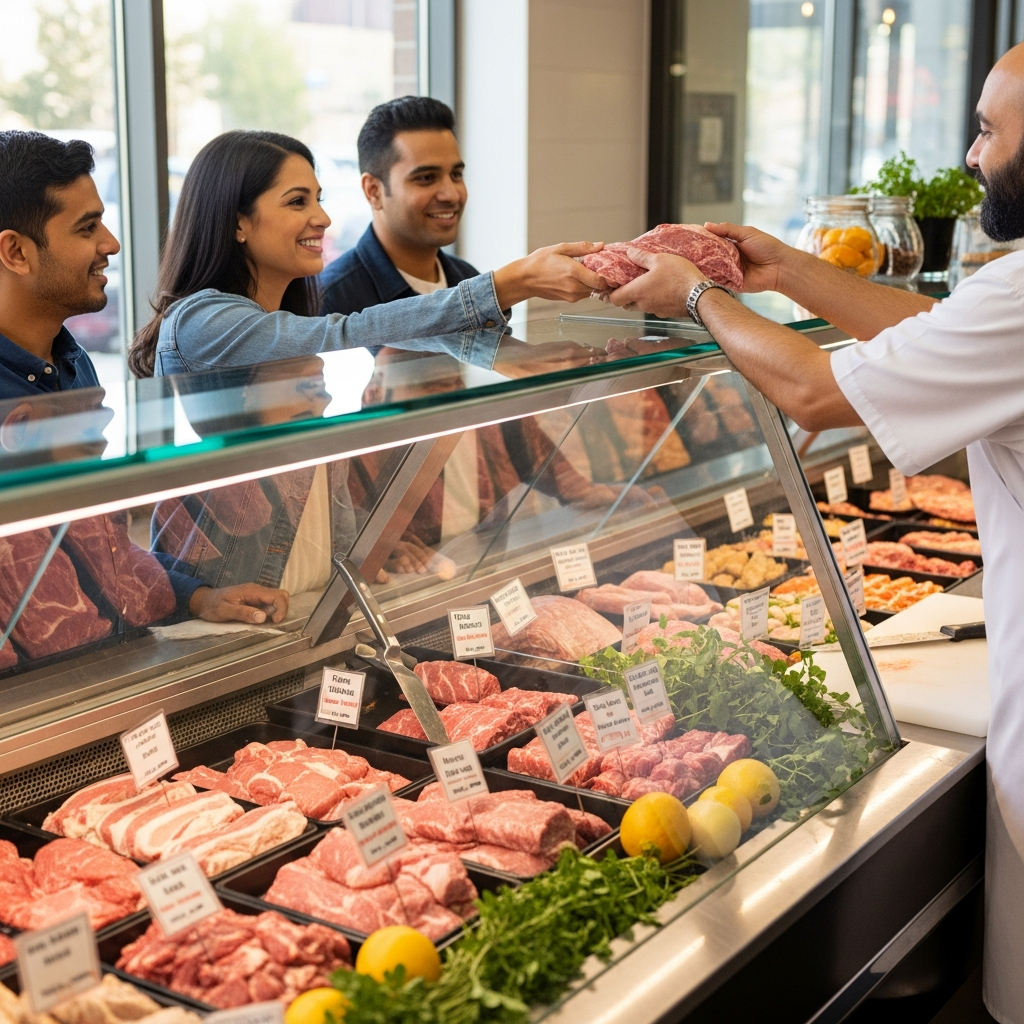
Finding reliable halal meat is easier when you look for the signs of careful stewardship. Clean, well-organized display cases, knowledgeable staff, and clear labeling are strong indicators that a market treats its halal program as a responsibility rather than a buzzword. In Naperville, several specialty grocers and full-line markets have invested in proper sourcing and handling to meet these expectations. As a shopper, you can also rely on your senses: color, aroma, and the cut’s structure tell a story. Fresh, bright meat with a neutral smell and firm texture generally points to a tight, well-managed operation where quality is not an accident.
Midweek shopping is often when families put their standards to the test. You want to get in, get exactly what you need, and get home, confident that dinner will taste great without complications. That is where stores with a strong halal program make a difference, offering everything from everyday chicken to special-occasion roasts. For those building a regular routine, it helps to know you can count on a consistent selection of halal meat that fits your preferred cooking styles, whether you are grilling outdoors or simmering something slow and comforting on a rainy day.
Naperville kitchens: practical cooking and flavor
Local cooks love how versatile halal cuts are across seasons. In spring and summer, marinated skewers or quick-searing steaks are ideal for patio meals, while autumn and winter invite low-and-slow braises that turn out tender and deeply flavored. Because halal standards emphasize cleanliness, you start with a strong foundation; gentle spices, fresh herbs, and quality produce can do the rest. When your ingredients are handled respectfully from the beginning, uncomplicated recipes often deliver the most satisfying results.
It is also common to see cross-cultural creativity in our city’s kitchens. Families mix familiar spices with global influences, bridging traditions into a flexible Naperville style. That spirit reflects the fact that halal is not just for one community; it is a framework many residents appreciate for its clarity and consistency. You can taste that in the food—bright, balanced, and inviting to guests of all backgrounds.
Community, celebration, and everyday nourishment
Food anchors our calendar here, from holiday gatherings to team celebrations after a big game. Halal meat shines in those moments because it supports hospitality for a wide circle of guests. When your protein choice accommodates diverse dietary needs while still delivering terrific flavor, you can focus on the conversation at the table rather than worrying about who can eat what. That welcoming quality makes halal a natural fit for the city we share, where neighbors look out for one another and celebrate together.
At the same time, halal meat works beautifully for simple, nourishing meals. A quick stir-fry with seasonal vegetables or a roast chicken with lemon and herbs can get dinner on the table fast without sacrificing your standards. Shoppers appreciate that they do not have to choose between convenience and integrity, a balance that becomes more valuable with each busy week.
Clearing up questions and misconceptions
As halal has gained visibility, a few misconceptions have tagged along. Some people assume it is complicated or restrictive, when in reality it lays out clear, commonsense guidelines that most home cooks already value: cleanliness, respect, and transparency. Others think halal is only about the moment of slaughter, but the truth is that the entire chain—from feed and animal welfare to processing and final handling—contributes to the designation. It helps to speak directly with knowledgeable staff who can explain their sourcing and certifications in detail.
Another frequent question is whether halal meat tastes different. Flavor depends on many variables, including the animal’s diet, the cut, and how you cook it. In practice, most home cooks find that halal’s emphasis on freshness and careful handling translates to clean, full flavors. That is one reason why a simple grilled chop or a roasted chicken can be so satisfying without elaborate sauces.
Frequently asked questions
What does halal certification cover beyond slaughter?
Certification typically verifies that animals are healthy and treated humanely, that the slaughter is performed by a trained individual who follows the required prayers, and that the meat is protected from cross-contamination during processing and display. For shoppers, that means a higher degree of traceability and a clearer understanding of what you are buying, which is especially valuable in a busy market environment.
Is halal meat always fresher?
Freshness is determined by handling and storage more than any single label, but halal programs often set a strong baseline because the protocols are explicit and audited. In practice, reputable halal counters in Naperville tend to deliver reliably fresh cuts, thanks to disciplined cold-chain management and attentive staff who rotate inventory and watch quality closely.
How can I verify the authenticity of halal meat?
Start by speaking with the butcher or department manager. Ask about certifications, supplier relationships, and how the store prevents cross-contamination. Reputable shops are transparent and happy to explain their process. Clear labeling, clean cases, and staff who can answer detailed questions are also positive signs that the program is legitimate and well run.
Does halal meat cost more or less?
Prices vary widely depending on the cut, the supplier, and the season. What matters most is value—how consistent the quality is, how well the meat performs in your kitchen, and how confident you feel about the sourcing. Many Naperville shoppers find that a trustworthy halal program provides dependable quality that makes meal planning easier week after week.
Can non-Muslim families benefit from buying halal?
Absolutely. Many households choose halal for its ethical framework, focus on cleanliness, and predictable quality. The standards make sense to anyone who values transparency in food, and the versatility of halal cuts fits neatly into a wide range of cooking styles, from simple weekday meals to special celebrations.
If you are ready to plan your next meal with confidence, visit a trusted local market and explore their selection of halal meat. Ask questions, get to know the butchers, and bring home cuts that match your favorite recipes. With a thoughtful approach to sourcing and handling, you will taste the difference in every bite and feel good about the story behind your dinner.