In Naperville, where neighbors often share meals across traditions, questions about halal and kosher foods come up naturally. At school potlucks, along the Riverwalk during summer concerts, or at a backyard cookout near 95th Street, you’ll hear friends asking what makes one different from the other and how both fit into our local food scene. As someone who loves the way food brings people together, I’ve come to see halal and kosher as two detailed systems with distinct rules that nonetheless share a spirit of care, discipline, and gratitude. If you’re shopping for either standard in town, it helps to start with a reliable source for hand-cut halal meat and a solid understanding of what sets each tradition apart.
Foundations: what halal and kosher mean
Halal, in the context of food, refers to what is permissible under Islamic law. For meat, that includes specific requirements around the species, the manner of slaughter (often called dhabihah), and respectful handling. Kosher, under Jewish dietary law (kashrut), lays out its own set of rules, including permitted species, a prescribed slaughter method (shechita) conducted by a specially trained individual (a shochet), and rigorous separation practices in the kitchen.
Both systems place a strong emphasis on the ethical treatment of animals and on draining blood thoroughly from the meat. Both encourage gratitude and mindfulness at the table. Yet they diverge on several points—what animals are allowed, how certain parts are handled, and what rules continue into the kitchen long after the trip home from the store.
Permitted animals and key differences
In both traditions, pork is prohibited. For beef and lamb, the animal must be healthy and slaughtered according to religious requirements. The handling of certain fats and nerves differs; kosher law traditionally avoids specific fats and the sciatic nerve, a process that can make some hindquarter cuts less common in kosher markets. Halal practice does not share the same prohibition on those parts, so you may see a broader array of cuts available at a halal counter.
When it comes to seafood, traditions diverge more clearly. Kosher law permits fish that have both fins and scales, which excludes shellfish. Halal rulings generally allow most fish, and many communities include a wider range of seafood, though there are interpretive differences among schools of thought. In Naperville, that means you might notice different seafood selections in stores that focus on one standard versus the other.
Slaughter and supervision
For halal meat, the slaughter involves invoking the name of God, using a sharp instrument for a swift, humane cut, and ensuring the blood drains thoroughly. The person performing the slaughter should be qualified and mindful, and many halal operations maintain documentation and oversight to reassure buyers. For kosher meat, the shochet is specially trained and certified, using a perfectly sharp knife and adhering to a meticulous inspection process, including checking for certain physical conditions that could render the animal non-kosher. After slaughter, kosher facilities include additional steps like salting and soaking to remove blood, and supervision extends into the packaging and labeling phases.
In practice, Naperville shoppers experience these differences through labeling, staff training, and how much information a store readily provides. A strong retailer can explain their certificates and processes clearly, which helps you make choices aligned with your home’s expectations and traditions.
From store to kitchen: handling and separation
One of the most visible differences emerges in the kitchen, especially for kosher households: the separation of meat and dairy. Kosher practice keeps them apart—separate cookware, utensils, and sometimes even separate sinks. Halal practice does not require meat and dairy separation as a rule, though many families have their own preferences. Both standards emphasize cleanliness and avoiding cross-contact with prohibited items.
For Naperville’s home cooks, these details affect pantry planning and shopping lists. If you’re cooking for a kosher guest, plan the menu to respect the separation, from ingredients to cookware. If you’re inviting friends who keep halal, focus on ensuring the meat is properly sourced and that the kitchen avoids contact with prohibited items like pork or alcohol-based marinades. Communication matters; ask what would make your guests most comfortable, and you’ll be set for a thoughtful, welcoming meal.
Flavor, texture, and what you’ll notice at the table
Beyond rules and labels, what do people actually taste? Because both systems emphasize clean handling and proper draining of blood, many diners find the resulting flavors vibrant and straightforward, which makes seasoning more effective. Cuts that suit slow cooking—like beef chuck or lamb shoulder—reward patience under either standard. Grilled steaks, kebabs, and roasted chicken shine when you focus on proper browning and a rest period before slicing. In other words, great technique makes great dinners no matter which tradition you follow.
In Naperville’s community of curious eaters, you’ll frequently see cross-cultural menus: a halal lamb roast with rosemary potatoes on one table, a kosher chicken with citrus and herbs on another. Shared sides—a crisp salad, roasted vegetables, fragrant rice—build a meal where everyone feels included.
Shopping with confidence in Naperville
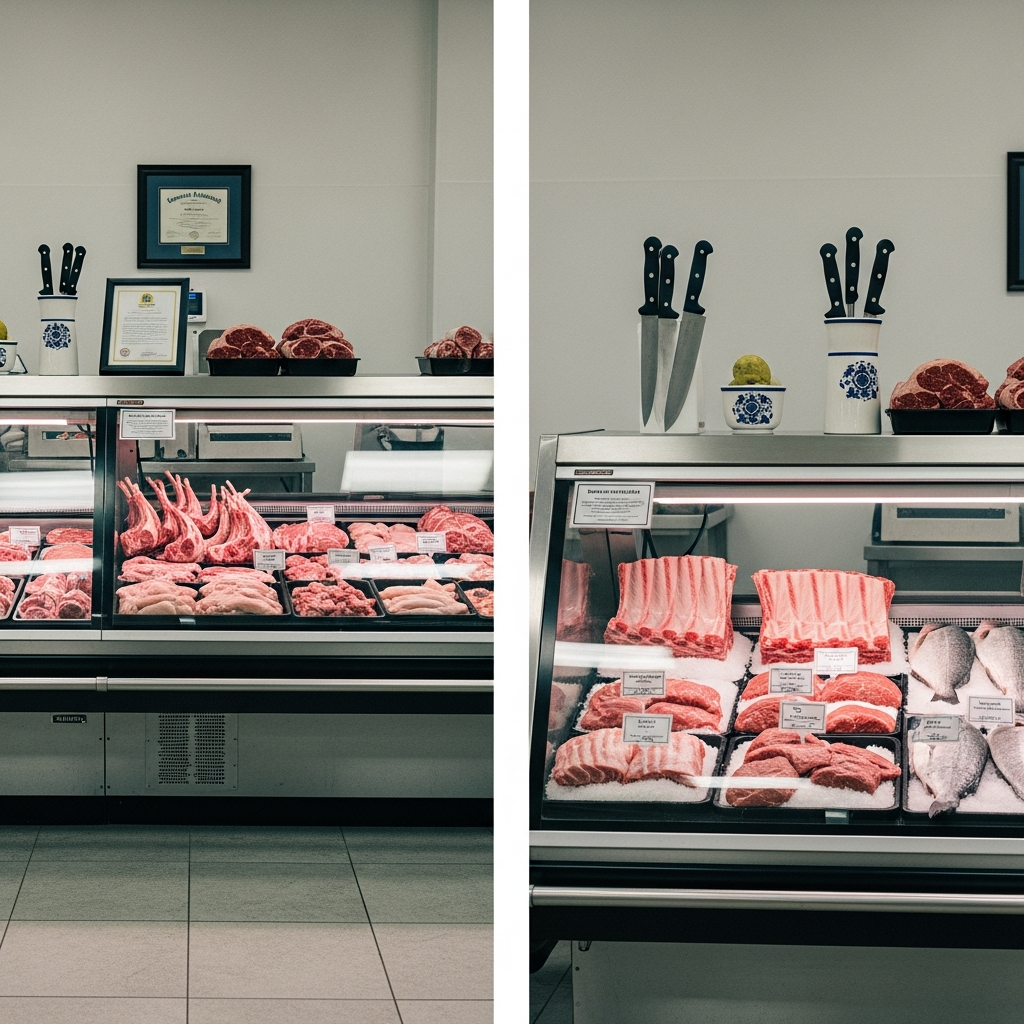
Local experience counts. The best counters pair high standards with friendly expertise. Ask to see certificates, inquire about delivery days, and talk through your recipe plans. Staff who can guide you to the right cut—thicker lamb chops for the grill, or a well-trimmed brisket for the oven—add value to every visit. Over time, that trust makes weeknight dinners easier and holiday meals more memorable.
Midway through your search, it helps to have a touchstone—somewhere that maintains a careful rotation of halal meat, prepared with skill and presented with transparency. Whether you’re planning an intimate dinner or stocking up for a community event, the right counter turns this from a chore into a pleasure.
Frequently asked questions about halal vs. kosher
Are halal and kosher the same? No. They share certain values—ethical treatment of animals, careful handling, and an emphasis on draining blood—but they follow different religious laws with distinct requirements for slaughter, permitted species, and kitchen practice.
Can a product be both halal and kosher? It’s uncommon but possible only if it meets all requirements of both systems, which is complex. Most products are certified under one or the other, not both.
Do both traditions prohibit pork? Yes. Pork is prohibited in both halal and kosher systems.
What about meat and dairy together? Kosher practice prohibits mixing meat and dairy and maintains separation in cookware and utensils. Halal practice does not require such separation, though individuals and families may choose their own customs.
How can I be a considerate host? Ask guests about their needs, choose ingredients and cookware accordingly, and communicate how you’re handling the meal. Thoughtfulness in planning leads to easy hospitality.
Ready to shop and cook with confidence?
Start by choosing a store that takes your standards seriously, ask questions at the counter, and plan a menu that highlights great technique and generous hospitality. When you want a clear view of available, carefully handled halal meat, bring home the cuts that suit your recipe and your table. Naperville’s kitchens are ready for the kind of meals that bring neighbors together.