Walk down Washington Street on a weekend and you can taste how Naperville eats today. Families gather for long lunches, friends meet after work, and home cooks pick up ingredients for Saturday night feasts. Over the past few years, halal meat has steadily moved from a niche request to a defining feature of how our city dines—at restaurants, markets, and backyard grills. The change is not just about supply; it’s about a shift in expectations. People want integrity in their food and versatility in their menus, and halal provides both.
As a local who talks daily with butchers, chefs, and home cooks, I’ve seen how halal choices ripple across neighborhoods from North Central College to the 95th Street area. You can spot the trend in menu transparency, in the growth of specialty grocery sections, and in the confidence with which families plan cross-cultural celebrations. Early adopters were observant households; now the interest is broader, powered by curiosity and a taste for high-quality proteins. At the core is a simple idea: halal is a standard that supports good flavor and responsible sourcing. For many diners, that is exactly what modern Naperville represents.
At home, the trend shows up in shopping routines that favor trusted sources known for certification clarity and helpful butchery. Choosing halal meat early in the week leads to menus that stretch from quick skillet dinners to ambitious weekend roasts. In restaurants, it means chefs can welcome a wider audience without compromising technique. Across the board, the appetite is for food that tastes excellent and reflects values we want to share with family and friends.
Menus that speak clearly and welcome everyone
Restaurants across Naperville have embraced clear labeling and staff training around halal options. This transparency helps diners plan confidently, especially when mixed groups of friends and colleagues want to eat together. When waitstaff understand sourcing and preparation methods, questions get answered quickly and trust grows. That trust, in turn, encourages experimentation—diners order lamb specials, try biryani for the first time, or choose chicken dishes that highlight careful spicing rather than heavy sauces.
Clarity extends to catering and events. Graduation parties, corporate lunches, and neighborhood gatherings increasingly feature halal trays so everyone feels included. Hosts report less stress, better feedback, and plates that come back clean. It’s not just accommodation; it’s a demonstration that Naperville’s dining scene can be generous and savvy at the same time.
Home kitchens as trendsetters
Trends don’t only start in restaurants. Many begin in living rooms and backyards, with home cooks testing recipes and sharing them across family chats and school groups. The rise of at-home smokers, countertop pressure cookers, and air fryers has dovetailed with halal meat’s growth. When a parent discovers how tender halal beef short ribs become in a slow braise, word spreads quickly. When a neighbor perfects grilled chicken thighs for a potluck near Frontier Park, the marinade recipe finds its way into a dozen households.
Local butchers play a crucial role here, guiding shoppers toward cuts that match their equipment and time constraints. Over time, home menus become more adventurous: lamb shoulder for a Sunday roast, minced beef for weeknight keema tacos, or spatchcocked chicken for crisp skin and juicy meat. The more people cook with halal at home, the more confident they are asking for halal options when they eat out—an example of how domestic habits shape the wider market.
Fusion flavors and Naperville’s culinary identity
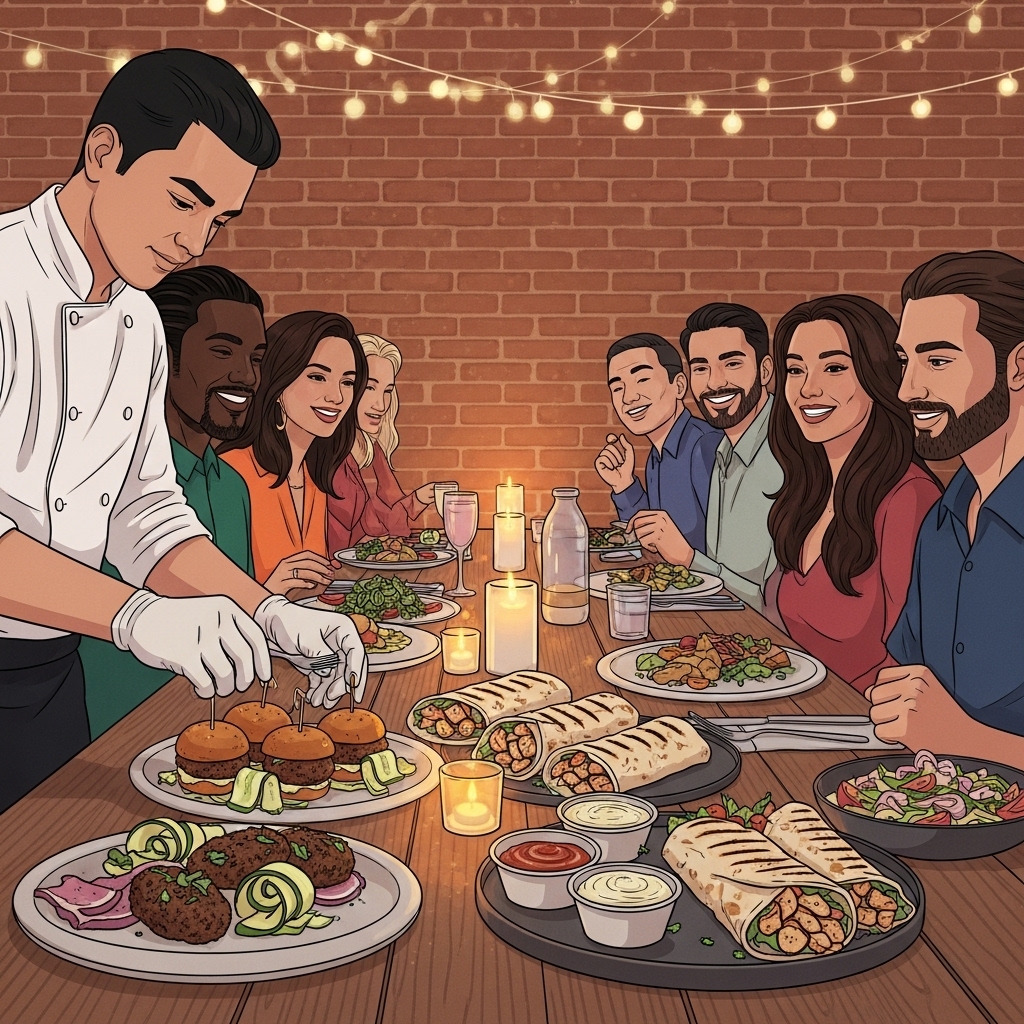
One of the most exciting trends is the rise of fusion dishes that feel authentic to Naperville itself. You can taste South Asian spices mingling with Midwestern produce, Middle Eastern herbs meeting backyard grilling traditions, and classic American comfort foods updated with halal proteins. Think lamb kofta sliders at a block party, chicken shawarma wraps tucked into lunchboxes, or beef chili that borrows warm spices from multiple cuisines. These dishes reflect not only what is possible with halal, but also who we are as a community.
Chefs and home cooks alike are finding that halal meats take to marinades and dry rubs beautifully. Cumin, coriander, paprika, and citrus-based dressings quickly become staples. With quality meat at the center, flavors need not be loud to be memorable; nuance carries the day. This is a sophisticated palate at work—one that wants comfort, yes, but also a sense of place and purpose in every bite.
Certification, trust, and the shopper’s experience
As demand grows, certification clarity has become a hallmark of good service. Shoppers want to know who certifies, how animals were handled, and what steps stores take to prevent cross-contact. The best retailers in Naperville treat these questions as part of their hospitality, offering clear labels and patient explanations. This openness not only reassures observant diners; it encourages newcomers who are exploring halal for its ethical and culinary strengths.
With trust established, customers ask for more specialized cuts and share feedback about what works at home. Butchers remember your preferences, suggest alternatives during seasonal shifts, and coordinate special orders for holidays. Shopping becomes a conversation, and that conversation flows straight into the way we dine as a city.
In the middle of the week, when families do a quick restock, many return to their dependable source for halal meat so midweek dinners stay easy and flavorful. This habit supports consistency for households and demand for retailers, reinforcing a virtuous cycle where quality wins out.
Technology and convenience without losing craft
Another trend shaping Naperville dining is the blend of tech-driven convenience with traditional butchery. Online ordering, curbside pick-up, and easy-to-follow prep notes accompany cuts that were trimmed by skilled hands. Families can plan meals from a phone while still benefiting from human expertise. It’s a best-of-both-worlds situation: digital tools make shopping smoother, and craft ensures what lands on your cutting board is worth cooking slowly and savoring.
This approach has also fueled the rise of meal prep Sunday rituals—bulk marinades, freezer-friendly portions, and labeled containers that make the week run smoothly. When quality proteins are handled right, you can rely on lighter seasoning and shorter ingredient lists. That fits the way Naperville lives: busy schedules, high standards, and a love of home-cooked flavor.
Sustainability and the story behind the plate
A final trend knitting together our dining scene is the desire to know and improve the environmental story of our meals. Halal’s emphasis on respect for animals and reduction of waste aligns naturally with conversations about sustainability. Customers ask about sourcing distance, packaging, and how stores handle byproducts. While approaches vary, the shared goal is meat that honors both tradition and the future we want to hand to our kids.
Restaurants are responding with tighter portions that reduce waste and with menus that repurpose slow-cooked meats across multiple dishes. Home cooks mirror that efficiency, turning a Sunday roast into weekday lunches and a pot of broth that becomes the base for soup later in the week. These small efficiencies, multiplied across a city, reshape demand toward quality-over-quantity.
FAQ: Trends and practical takeaways
Q: Are halal options expanding mainly in restaurants or at home?
A: Both. Restaurant menus are clearer and more inclusive, while home cooks are experimenting confidently with equipment and cuts that make halal easy and delicious.
Q: What’s driving the shift toward halal in Naperville?
A: Trust, flavor, and inclusivity. Diners want well-sourced proteins and menus that welcome everyone without fuss. Halal delivers on those priorities.
Q: How do I start cooking trend-forward halal at home?
A: Begin with familiar formats—grilled chicken, slow-braised beef, lamb meatballs—then layer in spices and fresh herbs. Ask your butcher for cut recommendations that match your equipment.
Q: Are there benefits to meal prep with halal meats?
A: Yes. Quality cuts take well to marinades and freeze reliably, helping you maintain variety and speed throughout the week.
Q: How do restaurants maintain halal integrity while serving diverse menus?
A: Staff training, clear labeling, dedicated prep spaces where possible, and transparent sourcing. The best teams treat these as core hospitality practices.
Q: Do halal trends affect non-observant diners?
A: Absolutely. Broader availability and clearer sourcing benefit anyone who values quality and ethical standards. It raises the bar for the entire dining scene.
Naperville’s dining culture has always been about more than what’s on the plate; it’s about how we gather and the values we share. If you want to cook on-trend meals at home or plan an inclusive event, start with reliable halal meat, build flavor with seasonal produce, and let the city’s spirit of hospitality do the rest.