Naperville’s food scene thrives on relationships. Behind every satisfying meal at home and every memorable plate at a local restaurant, there is a chain of trust that starts with suppliers who take their responsibilities seriously. For those of us who cook often and care about Halal standards, understanding how wholesale and retail suppliers operate gives us confidence that the meat we bring to our tables meets expectations for quality, integrity, and flavor. In this city, where families, caterers, and restaurateurs mingle at the same markets, the best suppliers know they are not just selling products—they are supporting traditions.
The question I hear most from newcomers is simple: where do I find reliable halal meat suppliers in Naperville? The answer blends availability, transparency, and service. Whether you shop as a home cook, run a small business, or organize community events, you should expect clear sourcing, consistent handling practices, and staff who are prepared to guide you through ordering, storage, and preparation. When suppliers treat each cut with care and communicate openly, everything downstream—cooking, service, and satisfaction—falls into place.
How Wholesale and Retail Work Together
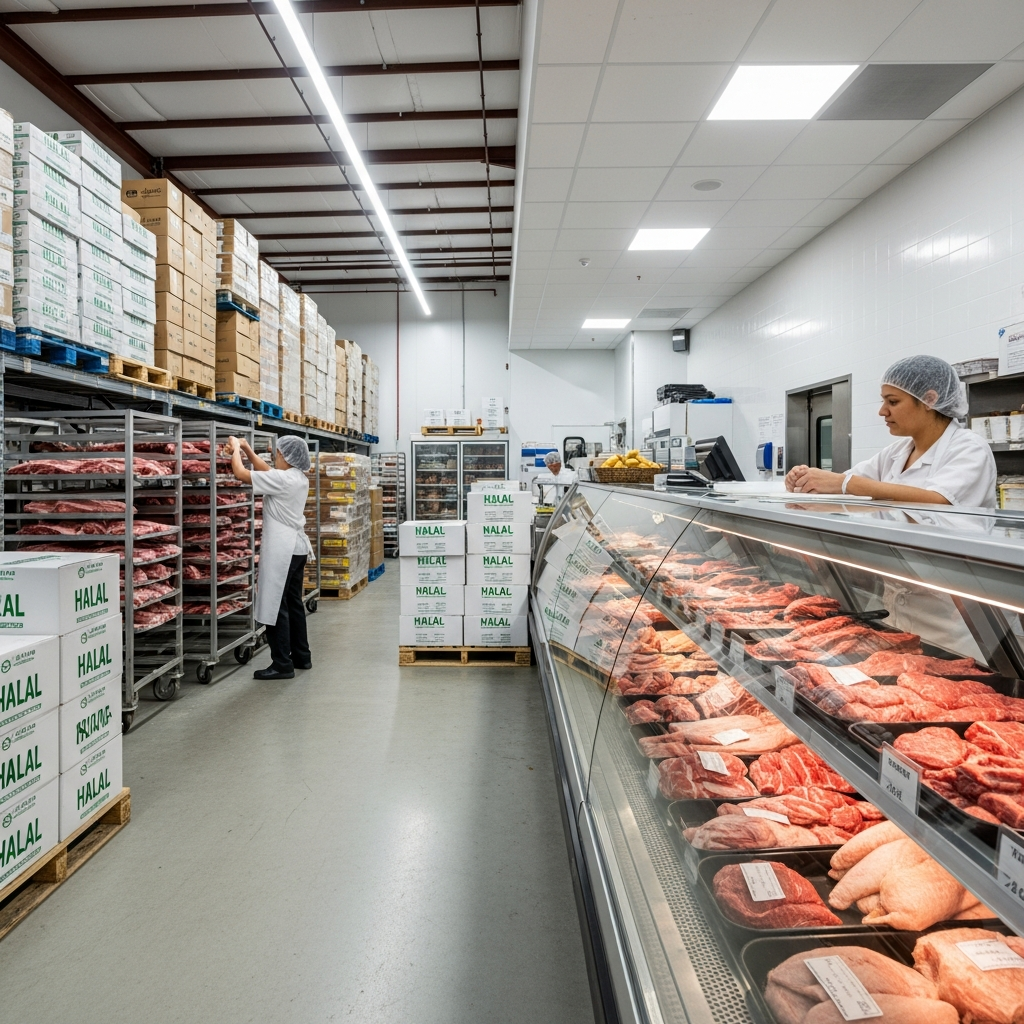
Think of Naperville’s supply ecosystem as a conversation between scale and service. Wholesale provides volume, reliability, and logistical efficiency. Retail adds precision, hospitality, and the personal touches that make a single dinner feel special. Many suppliers operate in both worlds, which benefits everyone. The volume of wholesale ensures steady access to popular cuts, while the craft of retail ensures those cuts are presented, trimmed, and portioned with the home cook in mind.
For restaurants, caterers, and community kitchens, wholesale suppliers offer consistent delivery schedules, case-ready options, and the ability to plan menus with confidence. For families, retail counters provide approachable guidance, custom preparation, and the flexibility to try new cuts without committing to large volumes. In practice, this means a Naperville chef can order cases of lamb for a weekend event while a home cook picks up two perfect chops for a quiet dinner—often from teams that share the same standards and training.
Halal Integrity Across the Supply Chain
Maintaining Halal standards from source to service requires discipline at every step. Reputable suppliers formalize procedures for separation, sanitation, and labeling. Staff are trained to avoid cross-contamination, equipment is cleaned thoroughly between tasks, and records are kept so that sourcing is documented clearly. This level of detail may seem invisible to customers, but it shows up in the confidence with which you plan meals and the satisfaction you feel when traditions are honored without compromise.
Transparency is central to trust. If you are buying for a restaurant or a large gathering, do not hesitate to ask about origins, certifications, and delivery timelines. For retail shoppers, similar questions apply at a smaller scale. The right suppliers will welcome the conversation and provide straightforward answers, ensuring you can make informed decisions whether you are ordering by the case or choosing a single roast for Sunday dinner.
Ordering, Logistics, and Consistency
Good suppliers make ordering simple and reliable. Wholesale clients often set standing orders tied to menu cycles or event schedules, while retail customers can reserve cuts for pickup or arrange delivery. The backbone of this reliability is inventory management: knowing what is on hand, what is arriving, and how to prioritize freshness. For Naperville’s best suppliers, on-time deliveries and crisp packaging are basic expectations, not luxuries.
Consistency is not just about having the same items every week; it is about how those items are prepared. Uniform trimming, accurate weights, and clear labeling make kitchen work smoother for professionals and home cooks alike. When suppliers hit that mark repeatedly, you begin to build menus around their capabilities, confident that what arrives will match what you planned.
Choosing Cuts for Different Needs
Wholesale buyers often prioritize yield and versatility—cuts that work across multiple dishes and respond predictably to different techniques. Retail shoppers frequently look for familiarity and inspiration in equal measure. Both benefit from knowledgeable staff who can translate goals into cuts. If a caterer needs lamb for both slow braises and grills, a supplier might recommend shoulders for stews and legs for slicing. If a home cook wants something simple for a weekday, the butcher might suggest bone-in chicken thighs for flavor and forgiveness.
In Naperville, where palates range from classic Midwestern to globally adventurous, the best suppliers curate a selection that meets everyone in the middle. That diversity of choice encourages experimentation and supports traditions, allowing cooks to move from biryanis and tagines to roasts and kebabs without changing stores or compromising standards.
Right in the middle of planning, when menus evolve and quantities shift, it is reassuring to know that you can reserve fresh halal meat through a supplier who understands both wholesale timelines and retail flexibility. That blend of scale and service is what keeps Naperville’s kitchens humming.
Storage, Handling, and Kitchen Readiness
Once meat reaches your kitchen—professional or home—the fundamentals take over. Keep products cold, separate raw and ready-to-eat items, and use clear labels so everyone knows what to cook first. In restaurants, standard operating procedures ensure that incoming orders are checked, rotated, and prepped. At home, a simple system—front-loading soon-to-cook items and freezing later meals—accomplishes similar goals. Across settings, the aim is the same: preserve quality so that the care invested upstream pays off on the plate.
Preparation is where suppliers and cooks meet. A thoughtful butcher can portion cuts to match your recipe, saving time and improving consistency. For high-volume cooking, uniformity prevents bottlenecks on the line. For family dinners, a tidy pack of evenly cut cubes can turn a Tuesday night into a reliable win. The more your supplier understands your style, the better they can anticipate what will help.
The Community Impact of Good Suppliers
Suppliers do more than move products; they knit together the community. Around holidays and cultural celebrations, they expand hours, coordinate special orders, and share in the excitement of meals that carry meaning beyond flavor. Restaurants rely on them to keep promises to guests, and families rely on them to preserve traditions. In a city like Naperville, where people care about both heritage and hospitality, that role is cherished.
There is also a quiet education that happens at good counters. Staff learn customers’ preferences, suggest alternatives when something is unavailable, and introduce new cuts that fit familiar techniques. Over time, the market becomes a place of discovery rather than just transaction—a space where wholesale pragmatism and retail warmth overlap.
FAQ
How do I evaluate a Halal meat supplier in Naperville? Ask about sourcing, handling, and record-keeping. Reliable suppliers describe their processes clearly and welcome your questions.
Can a single supplier handle both my restaurant’s needs and my home cooking? Often, yes. Many suppliers operate wholesale and retail programs, allowing you to set standing orders for business while picking up specialty cuts for home.
What should I expect from wholesale packaging? Consistent weights, clear labeling, and secure sealing. Case-ready options and portioned packs can save prep time in busy kitchens.
Do suppliers accommodate special orders for events? Yes. Communicate quantities, cuts, and timing early. The more detail you provide, the smoother the process and the better the results.
How do I keep quality high once product arrives? Store cold, separate raw foods, and prep according to a plan. For home kitchens, label and organize by cooking day; for businesses, follow standard rotation and prep protocols.
Are there cuts that work well across multiple dishes? Shoulders and legs are versatile for lamb; chuck and round are flexible for beef; bone-in thighs excel for chicken. Your supplier can recommend options based on your menu.
What if I need advice on an unfamiliar cut? Ask. Good suppliers are happy to explain textures, cooking times, and suitable techniques so you can choose confidently.
Can I rely on delivery schedules? Reputable suppliers prioritize on-time delivery and communicate clearly about windows. For busy periods, order early and confirm details.
How do suppliers maintain Halal integrity? Through consistent separation, sanitation, and documentation, along with trained staff and clear labeling at every stage.
What is the benefit of working with a local Naperville supplier? Faster communication, fresher product, and a shared investment in community standards—advantages that show up in every meal you cook.
If you are ready to partner with a source that respects your standards, reach out to a trusted Naperville team and secure premium halal meat for your restaurant, events, or home table with the confidence that comes from a strong supply chain.