
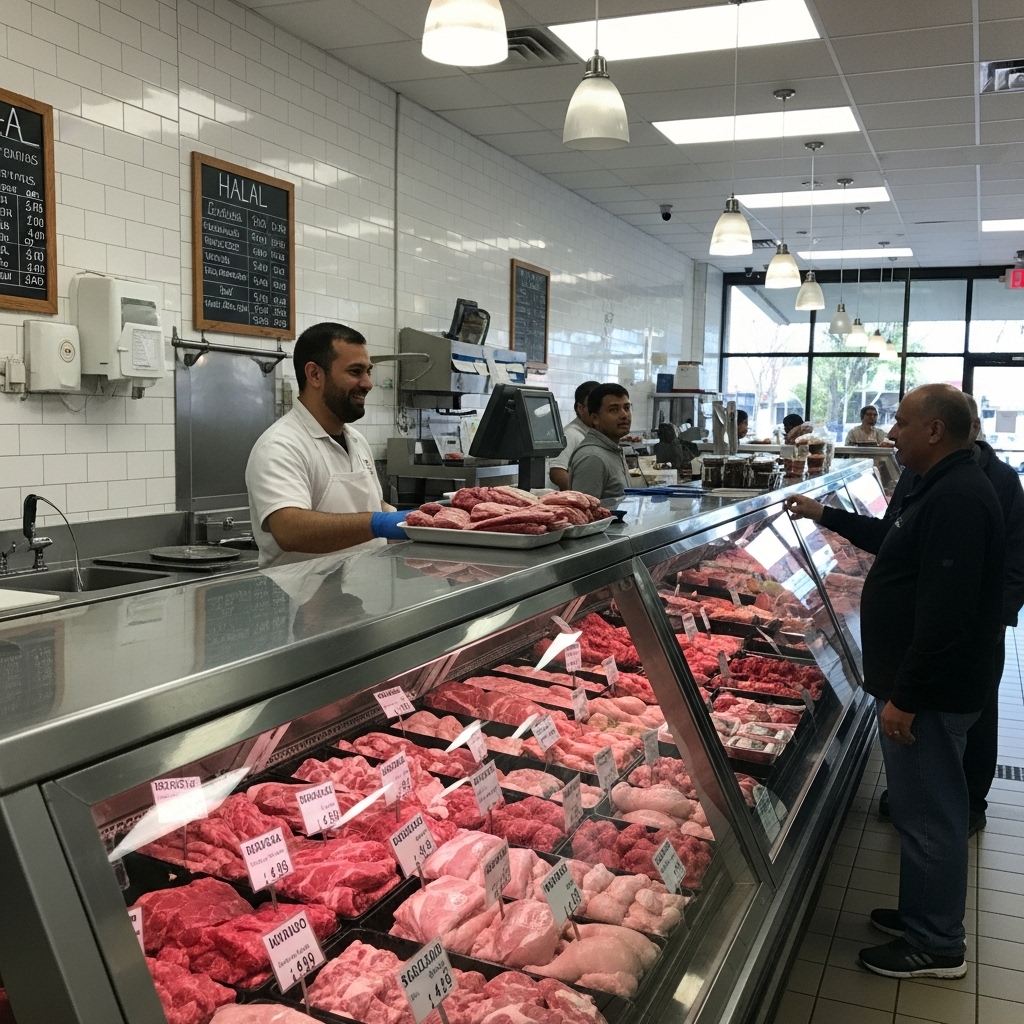
When you live in Naperville, you quickly discover that food is a powerful connector. Conversations in parks near the Riverwalk, friendly chats in the school pickup line, and spontaneous recommendations shared at weekend farmers’ outings all seem to circle back to what we’re cooking next. If your family keeps halal, finding dependable places to buy high-quality cuts becomes part of your weekly rhythm. That is why knowing where to shop for halal meat in Naperville, Illinois is so important. Beyond convenience, it’s about forming relationships with trusted markets, understanding how they source and handle products, and feeling confident that what you bring home aligns with both your standards and your tastes.
Here in town, many of us develop a routine: a quick weekday stop for ground beef or chicken thighs, and a longer weekend visit to plan for family gatherings. In a trusted market, you notice details right away. The butcher counter is clean and well-lit. Labels are clear. Staff are ready to answer questions about cuts, spices, or cooking methods. Even before your number is called, you sense a kind of hospitality that tells you you’re in good hands. You’ll hear accents and languages from around the world, but the shared goal is the same—freshness, quality, and the integrity of the halal process.
What makes a market truly trustworthy
Trust begins with transparency. A good Naperville market will explain sourcing and slaughter practices with ease, never treating your questions as a burden. If you ask about Zabiha standards, they won’t speak in generalities; they’ll talk about certifying bodies, handling protocols, and how they maintain integrity through the supply chain. Watch how the team treats each order. You’ll see careful sanitation, thoughtful organization of the cold case, and a willingness to trim, cube, or grind to your specification while you wait. When the butcher makes a recommendation, it comes with context—how best to marinate a lamb shoulder overnight or why a particular cut of beef will hold up beautifully in a slow simmer for a weekend curry.
Another hallmark of a reliable shop is consistency across the seasons. During holidays or celebratory weekends, lines may be longer, but quality shouldn’t waver. The market should manage demand without cutting corners, keeping cases stocked and maintaining a steady flow of fresh chicken, beef, lamb, and goat. If you stop in on a Tuesday or a Sunday, you want to see similar standards and the same friendly faces behind the counter who remember that your family prefers mild spice blends and that you like extra bones for broth.
Reading the counter like a local
Seasoned shoppers learn to “read” the display. Look for color and texture in beef—deep, vibrant tones and clean marbling in cuts like chuck for keema or brisket for a leisurely braise. With lamb, a fresh, rosy hue and a clean scent suggest careful handling, while in goat, firm flesh and precise cutting make a huge difference when you’re planning a slow-cooked curry. Chicken should be plump and neatly trimmed, with options ranging from whole birds to family-friendly drumsticks or boneless cubes. If a market offers pre-marinated items, ask what’s in the marinade, how long it’s been sitting, and whether the aromatics match your cooking style. A quick conversation can steer you toward a ready-to-cook option that saves time without sacrificing authenticity.
Local cooks often request grinding on demand for kebabs, kofta, or stuffed peppers. A trusted butcher will adjust the fat ratio for your recipe and grind a second time for a finer texture if you prefer. They may even suggest combining beef and lamb for a nuanced flavor. You’ll also find helpful guidance on bone-in versus boneless cuts: bone-in adds richness to stews and soups, while boneless shines in quick sautés and skewers. If you’re preparing a celebratory meal, don’t hesitate to seek out specialty items—liver for a nutrient-rich fry-up, shanks for a velvety braise, or soup bones for a restorative broth you can freeze in small containers.
Planning meals around your market visit
Planning helps you get the most out of your shopping trip. If Friday is your big cooking day, choose cuts that gain complexity in the refrigerator after marinating overnight—lamb shoulder, goat curry cuts, or beef short ribs are great candidates. For weeknights, opt for chicken breast or thigh cubes that cook fast with onions, garlic, and a warm spice blend. In summer, think grill-friendly cuts like lamb chops or beef steaks; in winter, lean on slow simmers that warm the house and leave you with leftovers for lunch. Trusted markets often stock complementary ingredients—fresh herbs, yogurt, citrus, and pantry spices—so you can do a one-stop pickup and get straight to cooking.
Midweek, when schedules are tight, don’t underestimate the value of seasoned advice. A quick chat at the counter can help you pivot a plan—maybe the goat delivery just landed and today’s batch is particularly good, or perhaps a butcher recommends a less common cut that’s excellent value and equally flavorful. That’s how local knowledge pays off. Over time, this rapport becomes part of your kitchen repertoire. You come to rely on your favorite market as much for ideas as for the ingredients themselves, and it’s often in those moments that you discover a new family favorite.
For those who like a mix of routine and discovery, it helps to decide on one centerpiece meal each week—a roasted chicken with seasonal sides, a lamb stew that perfumes the house, or a beef biryani that brings everyone to the table—then build a few simple dinners around it. Split your purchases between fresh cuts you’ll cook right away and items you’ll portion and freeze. Store well, label clearly, and rotate what you have so that nothing is forgotten. These habits ensure every visit to the butcher translates into meals that are as satisfying on a Tuesday night as they are on a Saturday gathering.
When you’re comparing stores, remain focused on the fundamentals. Are the cases tidy and well organized? Are the staff attentive when trimming excess fat or cutting to thickness for grilling? Do they maintain a clear distinction between different proteins and keep tools clean? When a market consistently delivers on these basics, you can comfortably expand your orders to include specialty cuts and ambitious projects. If you’re experimenting with something new, ask for guidance; a good butcher will often share quick cooking tips that spare you trial and error.
In the middle of your planning, if you prefer to browse options before heading out, you can explore selections of halal meat to get a sense of what’s commonly available and what might inspire your next dish. Thinking ahead like this means you arrive at the counter with ideas in mind but remain flexible enough to seize the freshest opportunity.
Cooking with confidence at home
Once you bring your cuts home, give them the care they deserve. Keep things cold until you’re ready to prep, set up a clean workspace, and gather your aromatics and spices before you open the package. If you’re marinating, let time do the work; if you’re searing, get your pan preheated and dry the surface of the meat so you develop flavor rather than steam. Pair richer cuts with something bright—chutneys, lemon-dressed salads, or quick-pickled onions—to balance the plate. And don’t forget to save bones for broth; a well-made stock anchors soups, dals, and gravies across a full week of meals. The better your ingredients and the more care you put into handling, the more your cooking will shine through.
Community is at the heart of halal shopping here. You’ll recognize fellow shoppers from school events, neighborhood parks, or faith gatherings, and people are generous with suggestions. Someone will share the perfect spice blend for kebabs; another will talk you into trying lamb neck for the most tender stew. Markets in Naperville have grown to meet this demand, putting service at the center so that every customer—new to halal or a seasoned home cook—walks out satisfied and excited to fire up the stove.
Frequently asked questions
Where can I find reliable halal butchers in Naperville?
Look for markets that maintain clear labeling, welcome questions about sourcing and slaughter, and offer custom cutting at the counter. Consistency across busy weekends and quiet weekdays is a strong indicator of reliability. Locals often gravitate to stores that balance variety with attentive service, so pay attention to how staff guide you through options and whether they remember your preferences.
What is the difference between halal and Zabiha?
Halal refers broadly to what is permissible, while Zabiha describes the specific method of slaughter performed according to Islamic guidelines. Markets that emphasize Zabiha standards typically highlight certification, humane handling, and careful separation of products to maintain integrity throughout processing and display.
How can I tell if the meat is fresh?
Freshness reveals itself in color, texture, and aroma. Beef should have a vibrant red tone and clean marbling; lamb and goat should be firm to the touch; chicken should be plump and neatly trimmed. A tidy counter, prompt rotation of products, and staff openness about delivery schedules further reinforce freshness.
Can I request custom grinds or specific cuts?
Yes. Trusted markets encourage it. Ask for your preferred fat ratio in ground beef or lamb, request thinly sliced cuts for quick sautés, or have stew meat cubed to a consistent size. The ability to customize is one of the advantages of shopping at a dedicated halal butcher counter.
What should I buy for a busy week?
Consider a mix of quick-cooking staples and slow-simmer options. Chicken breast or thigh cubes make weeknight dinners easy, while a pot of lamb or goat curry can anchor multiple meals. Pre-marinated items can help in a pinch, and bones for broth are an excellent way to extend value across soups and gravies.
Ready to shop with confidence and bring home the kind of ingredients that make dinner a joy? Explore your options and pick up high-quality halal meat from a trusted local market today, then let your kitchen—and your community—do the rest.