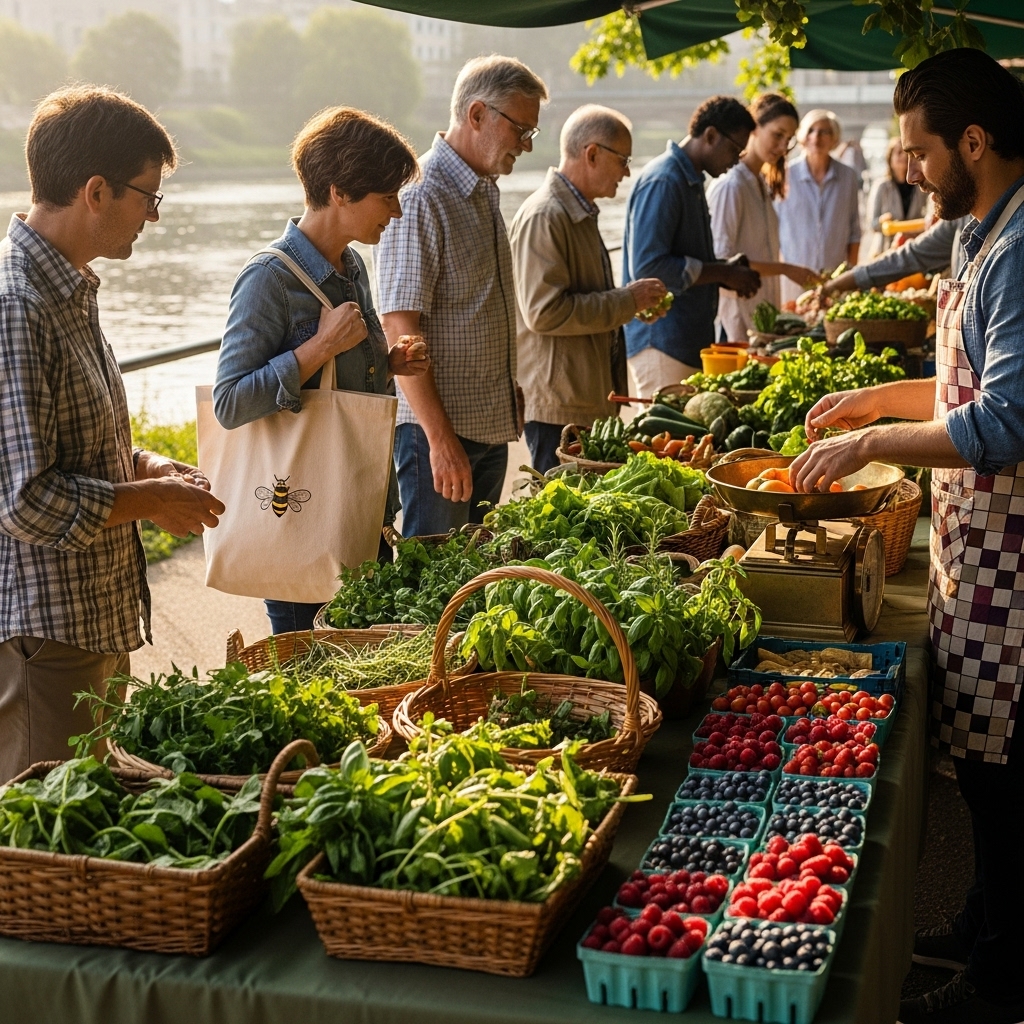
On weekend mornings in Naperville, you can feel the town waking up along the Riverwalk as sunlight slips across the DuPage River and neighbors gravitate toward stalls filled with crisp greens, fragrant herbs, and baskets of fruit that still carry a hint of the field. For longtime residents and new arrivals alike, fresh market shopping has become more than an errand; it is a ritual that blends taste, health, and a sense of local belonging. In a community known for its parks, schools, and vibrant small businesses, these markets fit naturally into daily life, connecting us to the growers and makers whose work nourishes our tables. As a local who has spent countless Saturdays chatting with farmers near downtown and on the south end around 95th Street, I have seen firsthand how market culture shapes the way we cook, eat, and build community in Naperville.
In the introduction to any conversation about market benefits, flavor sits at the center. When produce is picked close to peak ripeness and arrives with minimal travel, tomatoes taste like tomatoes, berries burst with perfume, and greens carry a delicate snap you just cannot fake. That sensory difference is the opening chapter in a story that includes nutrition, sustainability, and neighborhood relationships. It is also why so many families plan their weekly meals around what they discover at the fresh market, letting the season set the menu rather than forcing recipes to fit a rigid plan.
The Naperville rhythm of seasons and taste
Seasonality is the heartbeat of our local markets. In late spring, tender asparagus and rhubarb announce the growing season, followed by strawberries that stain fingertips and early greens that practically glow. Summer brings an orchestra of stone fruits, sweet corn, and tomatoes, punctuated by peppers, cucumbers, and basil. By early fall, the palette shifts toward apples, winter squash, and hearty root vegetables that lend themselves to slow roasting and stews. Living in Naperville, you learn to read these signs the way you read the river’s current or the skyline after a storm, and you develop an intuition for how to cook with what is at its best today, not what might look good after sitting in a truck for days.
That seasonal awareness becomes habit-forming. You might visit the market expecting to buy lettuce and leave with fresh dill, crisp kohlrabi, and a story about a grower who coaxed a new variety of cucumbers through a cool spring. You start to plan differently, too, choosing recipes that lean into what the fields are offering. The result is a virtuous cycle: food tastes better because it is fresh and in season, and your cooking becomes more confident and spontaneous because you trust the ingredients and the people behind them.
Nutrition that travels a shorter distance
Another benefit of our local markets is the nutritional integrity that comes with short supply chains. Vitamins and antioxidants are not time travelers; as soon as produce is harvested, nutrient levels begin to wane. When a farmer harvests greens in the evening for a Saturday sale downtown, the clock barely ticks before those leaves are on your plate. Compare that to produce that has been shipped, stored, and ripened under artificial conditions, and it is easy to understand why market shoppers often remark on a kind of energy they feel from their meals—bright, lively, and full of character.
For parents, this can be a quiet but meaningful victory. When children bite into a sun-warm cherry tomato that tastes like candy or discover how sweet a just-dug carrot can be, they eat more of it. Those early taste memories form the bedrock of healthy eating, and it is easier to nurture that habit when the ingredients themselves do the convincing. In Naperville’s family-oriented neighborhoods, that small shift—toward better flavor and better nutrition—adds up over many seasons.
Sustainability you can see and touch
Fresh market shopping also allows us to close the gap between intention and impact. You can talk to growers about their soil practices, water use, crop rotation, and efforts to reduce waste. Many of the vendors serving Naperville have adopted methods that build soil health and support pollinators. You see reusable crates and minimal packaging, and you can return glass jars to certain makers when you buy sauces, pickles, or preserves. That transparency builds trust and gives shoppers a way to align their values with their purchases without guesswork or greenwashing.
Shorter transportation routes make a difference too. Less time on the road means reduced emissions, fewer steps in the cold chain, and produce that doesn’t rely on heavy packaging. When you fold your purchases into a canvas bag and stroll back toward the Riverwalk, you are practicing a kind of low-friction sustainability—small actions repeated week after week, season after season, that keep resources circulating closer to home.
Community ties and local resilience
Markets in Naperville are social as much as transactional. You begin to recognize the faces behind your favorite honey, cheese, or sourdough, and those relationships can carry through the off-season. If a late frost hits a farm, you hear about it directly, and perhaps you choose to buy a few extra items to help smooth out a tough patch. That kind of community patience and reciprocity is a hallmark of a resilient local food system. It is not charity; it is partnership, born of shared interests and shared pride in the standard of food we keep in this town.
For small business owners, these markets are launchpads. Bakers test new loaves, spice makers experiment with blends suited to Midwestern comfort cooking, and coffee roasters tailor profiles to pair with the pastries and fruit of the season. You often taste products before they ever appear on a conventional store shelf, and you get to weigh in on what you like. In a city with entrepreneurial energy—just talk to the thriving shops along Jefferson Avenue or the independent cafes scattered near Ogden—this open dialogue between maker and eater is a powerful engine for creativity.
Culinary inspiration for everyday cooks
One of my favorite benefits of market shopping in Naperville is how it reshapes home cooking. When you bring home a cluster of fragrant herbs, a wedge of local cheese, and a bag of just-dug potatoes, dinner becomes less about following a strict formula and more about assembling flavors that already belong together. Grill corn and tomatoes tossed in olive oil, scatter basil over the top, and finish with a squeeze of lemon. Roast squash with sage and a drizzle of local honey. Add a crisp salad with radishes so fresh they snap. The ingredients invite you to keep it simple, and that simplicity is its own form of elegance.
Cooks learn to rely on the market for ideas. A vendor might mention that their fennel is particularly tender this week, prompting you to shave it thin and toss with citrus for a bright salad. Another might offer a quick tutorial on storing leafy greens or blanching beans for a dinner that comes together in minutes. Over time, you build a repertoire of techniques that emphasize freshness and texture, which suits the way Naperville families actually eat—lively, flexible, and often gathered around the kitchen island after a soccer practice or a walk by the river.
Shopping strategies that fit Naperville life
Arriving early can be helpful for delicate items that sell fast, while a late-morning pass might reveal ripe deals as vendors look to lighten their load. Either way, bring a sturdy bag and a small cooler if you plan to pick up dairy, eggs, or meat. Talk to farmers about storage and cooking; they know their produce intimately and can save you from guesswork. If you find a tomato variety you love, ask when it will peak again. If a baker’s rye pairs perfectly with your favorite cheese, set a reminder to come back next week to build that combination again.
Planning is useful but should remain flexible. Many Naperville shoppers arrive with a rough list—greens, fruit, a loaf of bread, something for the grill—and then let the market fill in the specifics. This approach avoids disappointment if an item is out of stock and opens the door to surprise. In the middle of the season, when choices are abundant, you may even plan a small gathering around what you find, letting a single stellar ingredient inspire the rest of the menu. It is at that midpoint in the weekly ritual, scanning stalls for the spark of an idea, that many of us pause and remember why the fresh market has a way of shaping not only what we buy but how we live.
Education, kids, and the next generation of eaters
Bringing children to the market is one of the gentlest and most effective ways to teach them where food comes from. Vendors are usually happy to explain how a strawberry grows or why some eggs have deeper yolks than others. Kids can see, touch, and smell foods in their natural variety—crooked carrots included—and that hands-on exposure leads to curiosity. A child who helps pick out zucchini is much more likely to eat it later, especially if they get to sprinkle the salt or grate a little cheese over the top at dinner.
Schools and youth programs in Naperville sometimes extend this learning with garden beds and cooking demos, and those lessons loop back into market visits. Families reinforce the idea that food choices connect to health, environment, and community. The market becomes a classroom with better snacks.
Connections to local culture and hospitality
What you find at our markets reflects Naperville’s breadth. Alongside Midwestern staples you will see influences from Polish, Indian, Mexican, Mediterranean, and East Asian traditions, echoing the mix of restaurants and home kitchens across the city. Spices and condiments made locally provide bridges between cuisines, making it easy to experiment without turning dinner into a project. That cultural exchange happens one taste at a time, and it leaves us with a shared culinary vocabulary that feels uniquely ours.
Hospitality threads through the experience. You greet the same vendor who remembers your preference for a particular apple, and you run into neighbors you meant to catch up with weeks ago. It is ordinary and special at once, the kind of ritual that quietly strengthens the social fabric.
Local economy and the multiplier effect
Every dollar spent at a market incubates more local value than a conventional purchase. Producers source supplies locally when possible, hire locally, and circulate their earnings through other Naperville businesses—from printers making label runs to mechanics servicing delivery vans. These ripples matter. They make our city more self-reliant and nimble, able to adapt when outside supply chains falter. Supporting markets is not just about groceries; it is a vote for a robust local economy.
For new vendors, these spaces offer a path to growth. They gather real-time feedback, refine products, and build a customer base before committing to a storefront. Shoppers benefit from that dynamism with new flavors and ideas each season.
How markets shape healthier routines
Once market shopping becomes part of your week, other habits fall into place. You might walk or bike more, cook more meals at home, share recipes with friends, and waste less food. Buying only what looks good that day keeps your fridge from becoming a museum of good intentions. Leftovers become deliberate: a roasted vegetable medley that morphs into a frittata, a loaf that becomes tomorrow’s toast or croutons. These small patterns reinforce each other and can make healthy living feel less like a regimen and more like pleasant momentum.
Even when schedules are tight, you can stop by for a few essentials and weave them into simple meals. A basket of seasonal fruit on the counter becomes a daily nudge toward better choices, and a quick salad before dinner becomes second nature. The benefits compound quietly, a little more with each trip.
Frequently asked questions
When is the best time to shop the market in Naperville?
Arriving earlier in the morning provides the widest selection, especially for delicate items like berries and certain greens. If your schedule pushes you later, do not worry; vendors replenish as they can, and you can still find excellent produce and prepared goods. The key is to come with an open mind and let the offerings guide you.
How do I keep produce fresh once I get home?
Ask vendors for storage advice tailored to their crops. In general, leafy greens prefer a breathable bag with a slightly damp towel, herbs do well in a jar with water in the fridge, and tomatoes prefer room temperature. The shorter time between purchase and plate matters even more than storage, so plan to cook the most perishable items first.
Are markets in Naperville suitable for families with young kids?
Absolutely. The pace is relaxed, many vendors engage with children, and sampling (when offered) keeps young eaters curious. Strollers fit comfortably if you arrive early, and most locations provide nearby spots to rest and snack. Bringing a small list and a sense of adventure helps keep the experience fun.
What if I have dietary preferences or allergies?
Talk directly to producers. They can explain ingredients, processing spaces, and handling practices with a level of clarity that packaged labels sometimes lack. Many offer gluten-free or dairy-free options, and you will often find naturally vegan dishes built around seasonal vegetables and legumes.
How can I build meals around what I find at the market?
Think in flexible formulas. Pair a protein with a seasonal vegetable medley, add a salad with herbs, and finish with fruit. Keep pantry basics on hand—grains, beans, oils, vinegars—so you can fold in market finds without hunting for a specific recipe. Ask vendors for their favorite quick preparations; they cook with their products every day.
When you are ready to turn your next Saturday or weekday stop into a flavorful ritual, let the season lead, meet the people behind your food, and savor the difference it makes at home. Start exploring what is in season and discover why so many neighbors build their meals around the fresh market; bring a bag, a bit of curiosity, and the appetite that comes from a morning stroll by the river.