Ask three Naperville neighbors what they expect when shopping for organic groceries, and you will hear three versions of the same story: they want clear choices, great flavor, and ingredients that match their family’s values. The question of prices often sits in the background, shaping how we plan, what we stock in the pantry, and which treats make it into the cart. While we won’t discuss dollar amounts or specific service costs here, we can talk about the factors that influence value, how to navigate the aisles with confidence, and the habits that help organic food fit a Naperville lifestyle without stress. To anchor your routine in something dependable, it helps to have a nearby store with a robust organic foods section so you can compare options efficiently and choose what feels right for your household.
Understanding what shapes the price tag begins in the field. Organic certification involves careful record-keeping, inspections, and farming practices that support biodiversity and soil health. These efforts require time and attention, which can influence what we see on the shelf. Crop rotations, natural pest management, and the avoidance of most synthetic inputs reflect a commitment to stewardship that many families value. The result often shows up as produce picked in season and at ripeness, with flavors that make quick, simple cooking a pleasure. When you choose a pint of organic berries in early summer or a bunch of kale in fall, you are investing in that chain of care from soil to table.
Beyond farming practices, supply and seasonality matter. Naperville households feel this shift as the year rolls along the DuPage River—from tender greens and strawberries in spring to tomatoes and corn in the heat of summer, then apples, squash, and hearty greens in the fall. When produce is in season, it spends less time traveling and arrives tasting brighter. That seasonal wave is your ally. Align your menu with what’s naturally abundant, and your meals will reward you with flavor that needs only salt, lemon, or a quick sauce to shine.
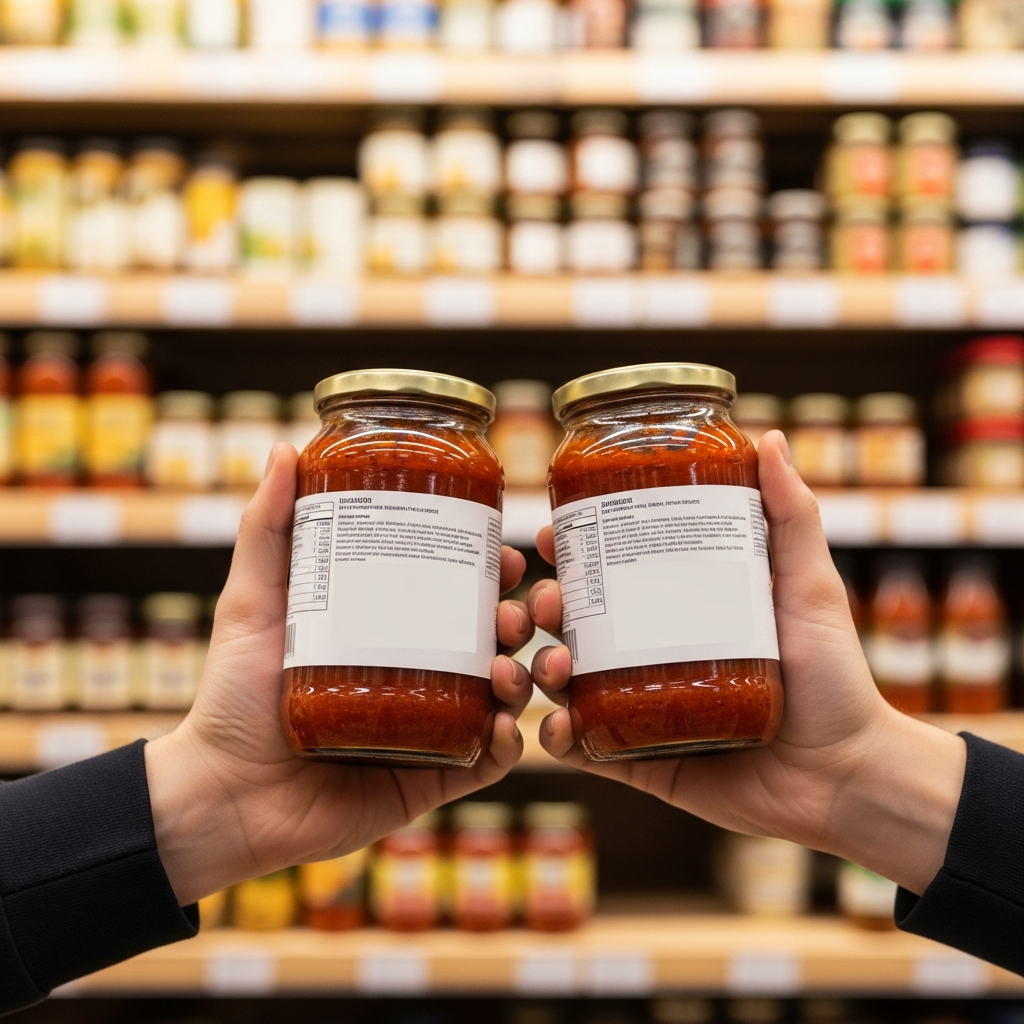
Packaging and scale also play roles in how organic products are presented. Smaller producers may focus on glass jars or recyclable materials and shorter ingredient lists, emphasizing transparency and quality. Larger brands can offer broader distribution and consistency. As a shopper, you navigate these choices by thinking about how your household actually eats. If you go through a jar of marinara every week, a brand known for consistency might suit you well. If you love discovering a small-batch salsa with a bright, clean ingredient list, make room for that discovery in your cart. When you view purchases through the lens of how you cook and snack, value becomes more about fit than about chasing the lowest number on a tag.
Another factor that shapes expectations is waste—specifically, avoiding it. Naperville families are busy, and food can get lost in the shuffle. The most reliable way to make organic groceries feel like a good investment is to build light planning habits that keep your kitchen visible and flexible. Before you shop, look at your calendar and choose meals that won’t fight your schedule. If two nights are stacked with activities, plan for fast templates like stir-fry, tacos, or a giant salad with beans and avocado. When you get home, do small prep: wash greens, cut a few vegetables, cook a pot of grains, and mix one house dressing. Suddenly, dinners feel faster than takeout, and the food you buy gets eaten at its best.
Per-serving thinking is another quiet strategy. Instead of counting items, think about how many meals a container serves and how it partners with the rest of your cart. A bag of organic oats might become breakfast for a week; a can of beans and a can of tomatoes transform into a hearty soup that feeds four; a box of pasta pairs with a jar of sauce and a pan of sautéed vegetables to become a complete dinner. When you evaluate groceries as components of meals rather than isolated items, you see value more clearly and waste less along the way.
For families with young eaters, it helps to keep a rotating list of kid-approved organic snacks and quick meals. Sliced apples with peanut or seed butter, yogurt with berries and granola, cucumber coins with hummus, or quesadillas with beans and cheese are all speed-friendly and reliable. If a favorite fruit or snack changes with the season, ride that wave. Embrace the strawberry weeks, then pivot to stone fruit. This rhythm mirrors Naperville’s own seasons and keeps everyone excited about what’s in the fridge.
One of the most powerful habits you can build is ingredient swapping within familiar dishes. If you usually make chili with beef, try a half-and-half version with beans to stretch flavor across more bowls. If your pasta night leans heavy on noodles, fold in extra vegetables and chickpeas so the dish eats heartier. Use tortillas to rescue leftovers, turning last night’s roasted vegetables and chicken into quick wraps for lunch. These shifts increase the number of satisfying meals you draw from the same cart, which subtly improves the experience of shopping for organics.
Local logistics influence value as well. Naperville’s layout means many of us shop along a set route—perhaps a stop near 75th Street, a swing by downtown, or a quick detour on 95th Street after pick-up. Time is part of value; a store that lets you get in, compare labels thoughtfully, and get back to your day without doubling back across town earns its place in your routine. That’s where a well-organized organic foods department makes such a difference: clear signage, consistent placement of staples, and a steady rotation of seasonal standouts help you build a cart in one calm pass.
Freezer and pantry aisles are allies in shaping expectations. Frozen organic fruits and vegetables capture produce at peak ripeness and turn into smoothies, stir-fries, or soups without a scramble to beat the clock. Canned tomatoes and beans anchor dozens of quick dinners. Grains—rice, quinoa, farro—keep shelves ready for whatever the week throws at you. Spices and condiments, from cumin and smoked paprika to mustard and vinegars, multiply flavor and prevent boredom, which means you’re more likely to keep cooking at home.
Curiosity also fuels satisfaction. Each month, choose one new organic item to try—a miso, a grain you’ve never cooked, a different yogurt style, or a novel fruit. Fold it into a familiar meal so the learning curve stays gentle. Over time, these small discoveries build a repertoire that makes your kitchen feel like the best kind of classroom, one where dinner becomes both comfort and exploration.
For athletes and active families—so many in Naperville—simple recovery foods keep value high because they get used fast. Think bananas and oranges, yogurt with honey, nut butters on whole-grain toast, and hearty soups ready to reheat. When the fridge holds foods that support practice schedules, the question of whether groceries “paid off” each week tends to answer itself.
Community matters too. Sharing recipes with neighbors, swapping tips in the stands at Frontier Sports Complex, and trading ideas after a library event all raise the tide. If your friend mentions a great way to use kale that keeps it from wilting in the crisper, try it. If your kids rave about a wrap they had at a class party, recreate it at home. Organic shopping gets easier when ideas circulate through the community, and Naperville excels at that quiet exchange of know-how.
Transparency on labels builds confidence. Organic packaged foods typically feature ingredient lists you can read and understand, which makes decisions quicker and helps you curate snacks and quick fixes that meet your standards. If you see a short list of familiar items—tomatoes, basil, olive oil—you know where you’re headed. That clarity shortens your trip and strengthens your sense of value.
Finally, pace yourself. Shifting more of your cart to organic is a process, not a test you must ace in one day. Start with the foods you eat constantly—berries, greens, oats, milk or alternatives, eggs, beans, and a few sauces you rely on. As those swaps settle in, move to the next category. This slow, steady expansion aligns with the way Naperville families live: pragmatic, thoughtful, and always balancing competing demands on time and attention.
Why do organic foods sometimes feel different in value from week to week?
Seasonality, supply, and your own schedule all play parts. When an item is in season and you’re cooking often, it feels like a win because you use it quickly and at peak flavor. In a quieter cooking week, focus on sturdy produce and pantry staples so nothing languishes. Aligning your cart with your calendar is the surest way to keep value steady.
How can I keep organic groceries from going to waste?
Plan light, prep a little on the day you shop, and store smart. Wash greens, cook a pot of grains, and make one dressing. Put the foods you want to use first in front and label leftovers. Repurpose extras into wraps, soups, and grain bowls so nothing gets lost.
Are there specific items that make organic shopping feel most worthwhile?
Yes—start with the foods you eat the most and enjoy fresh. Berries, leafy greens, apples, tomatoes, cucumbers, and herbs are common wins. Pantry anchors like oats, beans, and tomatoes also matter because they show up in many meals and help you cook at home with ease.
How should I think about snacks and treats when buying organic?
Curate a small, rotating set of options your household loves, and let the seasons guide fruit-based snacks. Balance quick wins like crackers and granola bars with whole-food options such as nuts, yogurt, and fresh fruit. The goal is a snack drawer that you feel good about and that actually gets eaten.
What role does the freezer play in managing expectations?
A big one. Frozen organic produce lets you capture peak season flavor and pull together meals on nights when you don’t have time to shop. Keep berries for smoothies, peas for quick sides, and mixed vegetables for stir-fries. Frozen bread and tortillas can rescue rushed lunches too.
How can I keep meals interesting without expanding my cart too much?
Use sauces and spices as your engine. A lemon-tahini drizzle, a garlicky yogurt sauce, or a soy-ginger glaze turns the same vegetables and proteins into new meals. Rotate grains and change textures—swap rice for quinoa, roast instead of sauté, and add crunchy toppings like seeds or toasted nuts.
Where can I compare organic options quickly in Naperville?
Look for a store that groups key items—greens, berries, grains, sauces, and snacks—so you can build a cart in one efficient loop. A clearly signed organic foods department helps you evaluate labels and make confident choices without crisscrossing town.
If you’re ready to make organic shopping feel calm and consistent, start with a few high-impact swaps, plan simple meals that respect your calendar, and stock a pantry that turns ingredients into dinner with minimal effort. Keep your cart focused, stay curious, and invite the seasons into your kitchen. When it’s time to restock, stop by the trusted organic foods department, gather the ingredients you’ll reach for every day, and head home knowing that a week of good meals is waiting to happen.