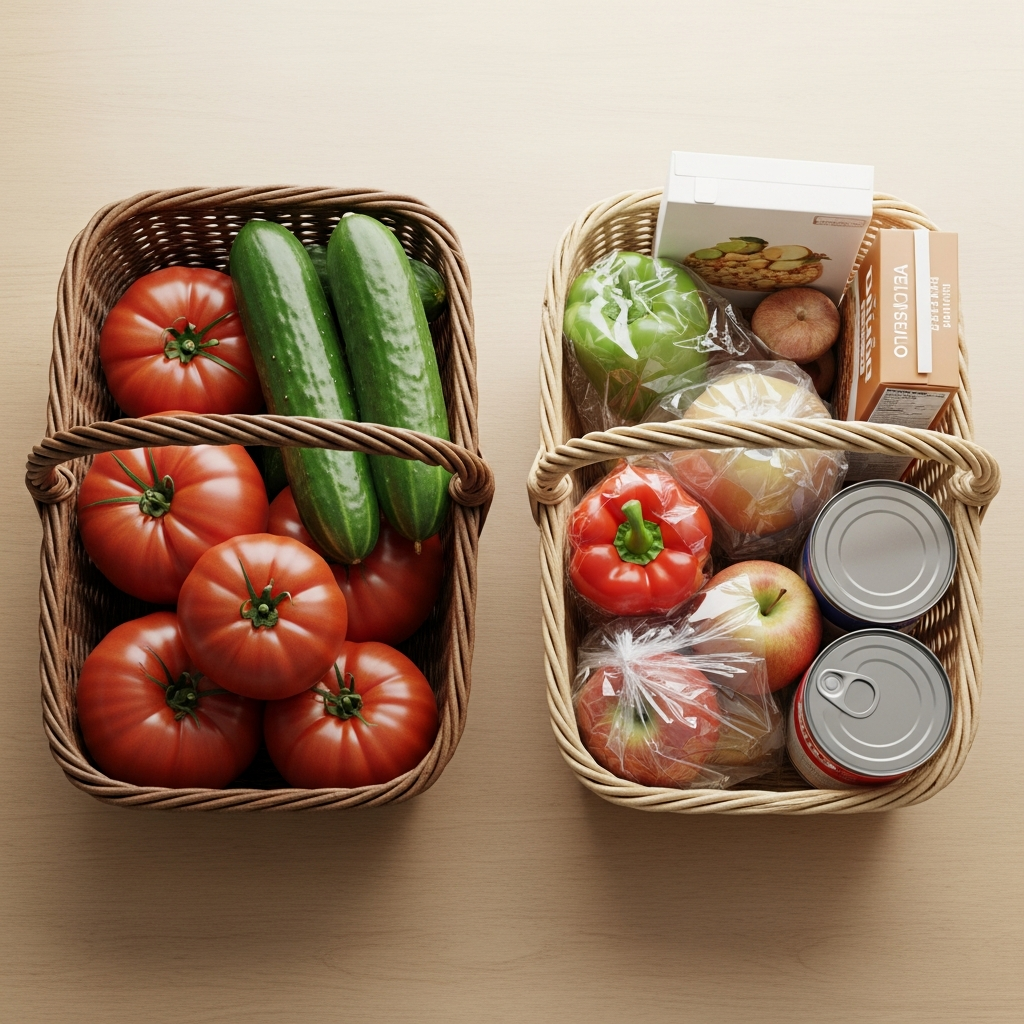
Conversations about organic versus conventional food pop up everywhere in Naperville—from the sidelines at Knoch Park to coffee chats downtown and even the checkout line on 75th Street. Families are practical here. We want meals that taste great, support our health, and fit into real schedules. But we also care about land, water, and the long-term wellbeing of our community. When you line up those values, it’s natural to ask what difference organic choices actually make and where conventional foods still fit comfortably into a balanced, affordable life. Let’s take an honest, locally grounded look at the tradeoffs and the everyday strategies that Naperville households use to meet in the middle. If you’re just beginning the journey and want a dependable place to explore, there’s a dedicated organic foods selection nearby that makes comparing options straightforward.
To understand the difference, start at the field. Organic farming emphasizes soil health, biodiversity, crop rotations, and the avoidance of most synthetic pesticides and fertilizers. The idea is to build a thriving ecosystem beneath our feet so plants can draw on rich, living soil. Conventional farming, by contrast, typically allows a wider set of crop protection tools and synthetic fertilizers. That can increase yields and stabilize supply, especially in difficult weather years. Neither approach is monolithic; there are careful, conservation-minded conventional farms and organic farms that push innovation daily. But their toolkits differ, and those differences can show up in how we experience food at the table.
Many Naperville families first notice the distinction in flavor and texture, especially with produce in season. A summer tomato grown in healthy soil often tastes like sunshine—a depth of sweetness and aroma that needs nothing more than salt and a drizzle of olive oil. Organic strawberries picked at peak ripeness can be so perfumed that dessert requires only a spoon. In winter, when produce travels farther, the flavor gap narrows, and conventional options can be very good, especially with thoughtful handling. That’s why local cooks lean on soups, braises, and roasted dishes in colder months; gentle heat and time coax flavor from any tomato or carrot, organic or not.
When it comes to nutrition, the research is nuanced. Some studies suggest certain organic crops may have differences in antioxidant levels, while others find minimal variation. What most families feel day-to-day is that organic shopping often nudges them toward whole, minimally processed foods. That shift—more vegetables, fruits, whole grains, and simple proteins—matters more than any single data point because it shapes lifelong habits. You’ll taste it in a bowl of weekday oatmeal, in roasted Brussels sprouts with lemon, or in a pan of garlicky greens alongside salmon.
Another piece of the puzzle is exposure to synthetic pesticide residues. Organic standards restrict many inputs, and that limit is compelling for parents who want to reduce exposure where it’s easy to do so. Conventional produce in the U.S. is generally considered safe and is routinely tested, but if you prefer to err on the side of caution, prioritizing organic versions of items your family eats frequently—berries, leafy greens, apples—can deliver peace of mind. For conventional produce, a thorough rinse under running water and, when appropriate, peeling help minimize residues and dirt regardless of how the item was grown.
Environmental impact is a community-level concern that resonates in a place like Naperville, with our investment in parks, trails, and river stewardship. Organic farms emphasize practices that support pollinators, soil carbon, and water quality. Conventional farms also innovate, adopting precision agriculture, cover cropping, and more efficient irrigation. The big picture is complex, and the most constructive path for a household is to choose foods that encourage land stewardship while keeping a realistic view of budget, time, and availability. That may mean buying organic when it aligns with your values and choosing high-quality conventional items when they make sense for your meal plan.
Families often ask where organic matters most. Begin with what your household eats in volume and what is most perishable. If your kids inhale strawberries all summer or you build salads into most dinners, organic versions of those foods are logical priorities. If you bake weekly with oats or grain mixes, look for organic options there. For foods you eat less frequently or cook thoroughly—like root vegetables headed for a long roast—the differences in your experience may feel smaller. This targeted approach channels energy where it makes the most difference.
Another way to think about organic versus conventional is culinary. Organic produce picked closer to peak ripeness often performs best with minimal intervention—think sliced tomatoes, barely dressed greens, or quick-sautéed zucchini. Conventional produce excels in dishes where time and seasoning do more of the heavy lifting, such as stews, curries, and sheet-pan dinners. Both belong in a cook’s toolkit. Our goal in Naperville kitchens is to serve meals that are comforting, flavorful, and realistic for a Wednesday after piano lessons. The label is a guide, not a rule you must obey at the expense of sanity.
In practice, most households discover a hybrid strategy that balances ideals with routine. They shop organic for the foods they crave fresh and often, then round out the cart with conventional items that suit slower-cooked dishes. They pay attention to labels, choose short ingredient lists, and lean on whole foods wherever possible. They plan just enough to keep the fridge filled with things they’re excited to eat. This approach builds momentum because it feels good and works with your calendar, not against it.
Local access matters. We are fortunate to have steady availability of both organic and conventional options along our major corridors and near schools and parks. In the middle of a busy day, it’s grounding to have an aisle where organic greens, berries, grains, and snacks are gathered together for fast comparison. That’s what a well-curated organic foods department provides: clarity at a glance. You can stop in, scan what looks best, and be back on your way to pick-up at Maplebrook or a meeting off Diehl Road.
It helps to carry a short list of templates in your back pocket. For organic-heavy meals, think of a crisp salad with romaine, cucumbers, and herbs topped with lemony grilled chicken; pasta tossed with cherry tomatoes, garlic, and basil; or tacos loaded with sautéed peppers, onions, and avocado. For conventional-friendly dishes, go for lentil soup, roasted root vegetables with rosemary, or chili enriched with tomatoes and beans. Mixing and matching these ideas keeps dinner interesting and puts each ingredient in a context where it shines.
Food safety and storage routines are universal. Wash produce under running water, dry greens thoroughly, and store delicate items like herbs with care. Separate raw proteins from ready-to-eat foods, and use a thermometer when cooking meats. These habits matter far more than labels, especially in a lively household where many hands share the kitchen. A well-organized fridge, clear containers, and visible leftovers prevent waste and make it easy to build balanced plates on the fly.
At the table, the difference between organic and conventional fades as the conversation takes over. Dinner becomes about slowing down long enough to connect—about the story from science class, the problem solved on a group project, the goal scored under the lights. Food is the bridge. Choosing a balance of organic and conventional items makes that bridge sturdy and welcoming, night after night.
Is organic always better than conventional?
Not always; it depends on your priorities and the specific food. Organic standards restrict many synthetic inputs and emphasize soil health, which appeals to families focused on exposure and environmental considerations. Conventional foods can be excellent, especially when you cook them thoughtfully. Most households in Naperville find a mix that reflects both values and daily reality.
Which foods should I prioritize buying organic?
Start with the items your family eats frequently and fresh—berries, leafy greens, apples, and soft fruit are common candidates. Pantry staples you use constantly, such as oats or certain sauces, are also good targets. For foods you cook thoroughly or eat less often, high-quality conventional options may meet your needs well.
How can I reduce pesticide residues on conventional produce?
Rinse thoroughly under running water and, when appropriate, peel the skin. A soft brush helps with firm-skinned items like potatoes. Good kitchen hygiene—separate cutting boards, clean hands, and careful storage—multiplies these benefits.
Does organic food taste different?
In season, many people notice that organic produce can taste more vibrant, likely reflecting ripeness and variety. Out of season, the gap narrows, and cooking method becomes the main driver of flavor. Choose the best-looking item available and cook it in a way that respects its strengths.
How do I make a hybrid approach work week to week?
Plan simple meals around what looks freshest. Buy organic for the foods you crave raw or lightly cooked, and rely on conventional for dishes that simmer or roast. Keep a small roster of sauces and seasonings so you can adapt to what you find without stress.
Where can I compare organic and conventional options easily in Naperville?
Visit a store that groups quality choices together for quick decision-making. A clear, well-signed organic foods department makes it simple to grab staples, check labels, and round out the rest of your cart confidently.
As you shape your household’s approach, keep the goal in sight: nourishing meals that bring everyone to the table with ease. Start small, choose the freshest ingredients you can find, and balance ideals with the reality of a busy Naperville week. When it’s time to restock, stop by the local aisle dedicated to organic staples, pick out what looks vibrant, and head home ready to cook. For a calm start, make a quick visit to the trusted organic foods department, gather the ingredients you reach for most, and let dinner unfold simply and deliciously.