
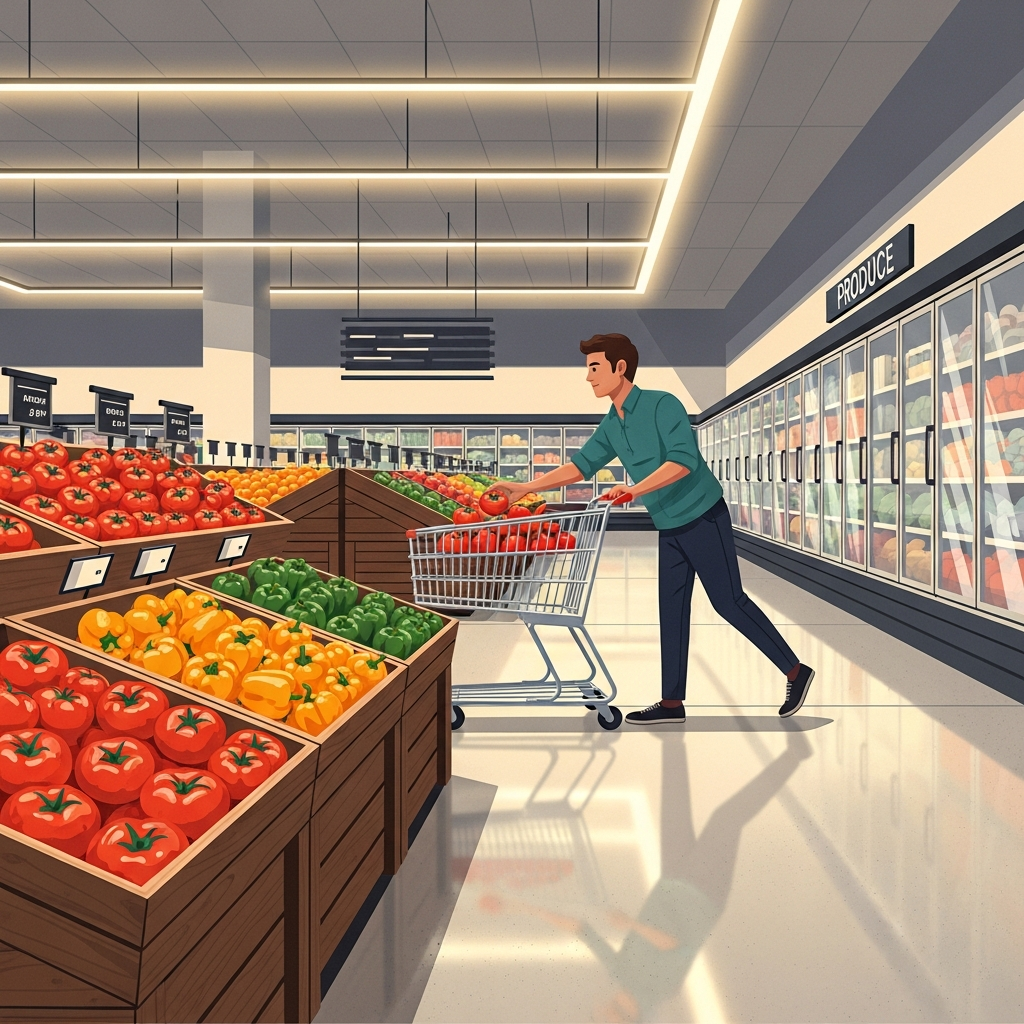
Grocery shopping in Naperville has its own rhythm, from early morning runs before a stroll on the Riverwalk to weekend stock-ups after a game at Frontier Sports Complex. If you’re leaning into organic foods, that rhythm can become even more satisfying, because the choices you make in the aisles ripple through your entire week. You feel it in the lunchboxes you pack for Elmwood or Fry, in the calm of a weeknight dinner that comes together in 20 minutes, and in the steady energy that carries your family through practices, rehearsals, and a few homework marathons. What follows is a local’s guide to shopping smarter for organic groceries here in town—how to plan, how to choose, and how to keep the process as easy as stepping onto the Riverwalk on a bright Saturday. At the outset, know that there is a well-stocked organic foods section nearby that makes it simple to build a weekly cart without zig-zagging across multiple stores.
A good trip begins before you leave the driveway. Take five minutes to scan your fridge and pantry, noting what’s low and what needs to be used first. Organic shopping rewards organization because it helps you eat what you buy at peak freshness. If you keep a whiteboard or a notes app, jot down meals that match your week’s schedule—super-fast pastas on late nights, something you can throw in the slow cooker on days with stacked meetings, and a more relaxed dinner for Friday. Add breakfast and lunch ideas your family loves, then map ingredients to those plans. You’ll arrive with a sense of purpose that makes the store feel smaller and the decisions easier.
When you walk the aisles, start with produce while your eyes and energy are fresh. In Naperville, seasonal cues help you decide quickly. Spring and early summer bring tender greens and berries; mid-summer is a glory of tomatoes, cucumbers, peppers, and corn; fall arrives with apples, squash, and sturdy greens that welcome roasting. Because organic farms tend to harvest at peak ripeness, you get the best flavor by leaning into what looks vibrant today. Hold the peach—does it smell like summer? Peek at the greens—do they stand tall and crisp? Let your senses guide you, because organic shopping is as much about connecting with food as it is about checking boxes.
Next, move to proteins and dairy. Whether your household is plant-forward or includes meat and fish, you’ll find organic choices that slide easily into weeknight templates. Organic eggs are the breakfast workhorse; pair them with spinach or mushrooms and a slice of toast. For dinners, think about speed: salmon with lemon and herbs, chicken thighs roasted with carrots and potatoes, or tofu stir-fried with broccoli and peppers. Yogurt, milk alternatives, and cheeses round out breakfast and snack time. Look for short ingredient lists and plain versions you can flavor at home; it’s amazing how a spoonful of honey and fresh fruit can transform a simple bowl into something you look forward to every morning.
The pantry aisle is where your efficiency multiplies. Stock organic beans, tomatoes, coconut milk, broths, and a few whole grains. Keep olive oil and vinegars you trust, mustard for quick dressings, and spices that make meals feel new without extra work. With these staples, dinner is often as simple as sautéing aromatics, adding a can of beans and tomatoes, and finishing with herbs over warm grains. Even on nights when the schedule sprints, you’ll have a clear path to a hot meal that tastes like you planned for it.
Midway through your trip, give yourself permission to wander a bit in the middle aisles that house snacks and specialty items. This is where you’ll discover the organic cracker your kids suddenly love, the salsa that saves Tuesday tacos, or the nut butter that upgrades your morning toast. Keep an eye on cereals with high whole-grain content and minimal added sugar; pair them with fruit and yogurt for balanced breakfasts on days when the clock isn’t your friend. In this same stretch, it’s helpful to know there’s a dedicated organic foods department where thoughtfully chosen items sit side by side so you can compare labels quickly and build a cart that matches your household’s rhythms.
Local geography matters more than you’d think. If you plan to swing by the store after a practice at Nike Park or a matinee at Pfeiffer Hall, consider a soft cooler in your trunk to protect delicate items until you get home. In summer, grab your cold items last to keep them frosty; in winter, be mindful of produce near the car’s heating vents. Little logistics add up in ways that keep your groceries tasting their best when you finally reach your kitchen.
Food safety and storage are the quiet heroes of a good shopping trip. When you arrive home, wash and spin lettuce, wrap herbs in a damp towel or place them upright in a jar of water, and give berries room to breathe in the fridge. Store carrots in cold water to keep them crisp, and keep tomatoes at room temperature for better flavor. Label leftovers with dates, and put the foods you want to use first in front. When your refrigerator looks like a curated pantry, cooking feels like pulling ideas off a shelf rather than starting from scratch every night.
For families concerned about additive ingredients, organic packaged foods offer a helpful shorthand. You’ll often find labels with fewer artificial colors, flavors, and preservatives, which makes it easier to choose snacks and quick fixes that align with your values. Read labels with a calm eye—if you recognize the ingredients and can imagine them in a home kitchen, you’re on the right track. This approach turns shopping into a confidence-building exercise rather than a negotiation with the unknown.
Another rewarding habit is to build a small repertoire of house sauces and dressings. A lemon-tahini sauce brings roasted vegetables to life; a yogurt-dill dressing makes cucumbers and tomatoes sing; and a quick salsa verde livens up grilled meats or grain bowls. Pick one or two each week and keep them in jars. Suddenly, the same set of core ingredients tastes fresh and new night after night, which means your organic cart goes further and your family stays engaged.
Naperville’s sense of community extends into the kitchen. Kids can help choose a new fruit or vegetable each week, then learn to prep it when you get home. Let a second-grader rinse berries while a teen practices knife skills on bell peppers under your supervision. This not only distributes the workload; it builds comfort around real ingredients and an appreciation for the effort behind a shared meal. Over time, your household becomes a little team that knows how to navigate the week’s meals without panic.
It’s also useful to think of your cart in terms of time horizons. What will we eat in the next two days? That’s where the most perishable items live: salad greens, herbs, berries, and fresh fish. What will carry us through midweek? Sturdier produce like carrots, cabbage, broccoli, and apples. And what anchors next weekend or sits patiently in the pantry? Squash, potatoes, onions, grains, beans, and tomatoes. This gentle sequencing ensures that you enjoy everything at its peak and avoid the guilt of cleaning out the fridge on Sunday night.
While organic shopping sometimes gets framed as rigid, the most successful routines in Naperville are flexible. If soccer runs late and you miss your window for a planned meal, pivot to a template: sautéed greens, a protein, and a grain or pasta, finished with a house sauce. If friends drop by unexpectedly, pull together a snack board from what you have—sliced apples and pears, a couple of cheeses or a hummus, crackers, and olives. When your pantry is thoughtfully stocked, hospitality becomes effortless.
Staying inspired helps you maintain momentum. Once a month, choose a theme—Mediterranean bowls, taco night variations, Italian pastas, or a plant-based week—and shop toward it. That little bit of intention turns the cart into a story you and your family tell together. Everyone knows what to expect and gets excited for the favorites that fit the theme, and you benefit from a narrow focus that keeps shopping quick.
How can I plan a fast organic shopping trip that still covers all the bases?
Spend five minutes at home aligning meals with your calendar, then map your list to the store’s layout: produce first, proteins and dairy next, pantry and snacks last. Keep a short roster of go-to meals in mind so you can swap ingredients if something doesn’t look its best. A little structure turns a long errand into a simple loop.
What are the best organic staples for a Naperville family pantry?
Keep beans, canned tomatoes, coconut milk, broth, olive oil, vinegars, whole grains such as rice and quinoa, and a few pastas. Add nuts, seeds, and dried fruit for quick energy, and cheeses or yogurts for satisfying snacks. With these basics, you can assemble soups, bowls, and pasta dishes with almost no notice.
How do I make produce last longer once I’m home?
Wash and dry greens right away, store herbs upright in water, give berries room and airflow, and keep carrots in cold water to stay crisp. Tomatoes prefer the counter, while apples do well in the fridge. Label cooked items and leftovers so they don’t disappear into the back shelf.
How can I keep kids engaged with healthier foods?
Offer choices between two organic options—grapes or berries, broccoli or green beans—and involve them in simple prep. Celebrate small tastes of new foods and repeat them gently over time. When kids contribute, they often feel braver about what lands on their plates.
Is it possible to shop organic on a tight schedule?
Absolutely. Build a repeating list of staples, keep meals template-based, and do minimal prep after you unload the car. A clear fridge filled with prepped vegetables, cooked grains, and a few sauces lets you cook faster than you can decide on takeout.
What if I prefer to see and choose my produce but still want speed?
Shop in person when you have a few extra minutes, then lean on curbside or delivery when the week gets busy. Either way, having a favorite, well-curated organic foods department ensures you can restock reliable items quickly and confidently.
If you’re ready to make organic grocery shopping feel easy in Naperville, start with a simple plan, shop the seasons, and stock a pantry that supports quick, delicious meals. With a few habits in place, your cart becomes a weekly expression of how you want to eat—colorful, nourishing, and delightfully doable. When it’s time to refill the basics and bring home a few fresh ideas, swing by the dedicated organic foods department, gather what you need in one calm pass, and head home knowing dinner will take care of itself.