Walk through any Naperville neighborhood on a Saturday morning and you can practically smell the rhythm of family life in the air—kids piling into cars for games at Frontier Sports Complex, parents juggling a stop at the library on 95th Street, a quick stroll along the Riverwalk before the afternoon fills up. In the middle of this bustle, the food we bring home has to work harder than ever: to nourish, to energize, and to calm the chaos with simple routines that feel good. That is where organic food can become more than a trend; it can be a steady, local habit that families in Naperville embrace together. In these first few paragraphs, I want to set the table for what “organic” looks like here in town—how it shows up in lunchboxes at Ranch View Elementary, on grills in White Eagle, and on dinner tables from Naper Boulevard to Tall Grass. And yes, you can find a thoughtful range of options right here, including a strong organic foods selection that makes a healthier routine feel wonderfully local and doable.
When people ask me why organic foods resonate so much with families, I always start with the values piece. Organic is often less about chasing perfection and more about embracing consistent, mindful choices. For many Naperville parents, that means prioritizing fruits and vegetables grown without synthetic pesticides, dairy from cows raised without routine hormones, and pantry staples that avoid artificial colors and flavors. These are practical decisions that add up over the course of an ordinary week, the kind that help you feel good about the snacks in your child’s backpack or the quick dinners you pull off between orchestra practice and a late soccer scrimmage near Knoch Knolls Park.
Another reason organic fits our local lifestyle is taste. When you bite into a ripe organic apple in October—picked in season and held at the right temperature—it often tastes like the fall mornings we love around here: crisp, clean, deeply fragrant. Many families notice that organic produce can hold its own in simple recipes, which is fitting because weeknights rarely leave time for elaborate meals. A pan of roasted organic carrots, a sheet tray of broccoli and chickpeas tossed with olive oil and lemon, or a pot of tomato-basil soup made from bright Roma tomatoes can be absolute weeknight heroes. Around Naperville, I see parents leaning into these kinds of unfussy meals, focusing less on fussy techniques and more on the confidence that the ingredients will deliver.
Nutrition is, of course, part of the conversation. While research on nutrient differences can be nuanced, the larger picture feels clear for many families: choosing organic ingredients often goes hand in hand with cooking at home more frequently, eating seasonally, and setting a calmer tone at the table. That kind of holistic shift has ripple effects. When kids see parents rinse lettuce for tacos or measure oats for warm breakfasts before school in District 203 or 204, they aren’t just getting vitamins. They’re building skills, preferences, and food memories that last.
In Naperville, organic options are wonderfully accessible, and not just as a special occasion. You can map your week around family-friendly meals that are fast to assemble and abundant in produce. Breakfast might be organic eggs and sautéed spinach on whole-grain toast or overnight oats with diced pears and cinnamon. School lunches come together with sliced cucumbers, cherry tomatoes, hummus, and a leftover portion of roasted chicken or a bean salad. And dinner can be a steady rotation of one-pot pastas, burrito bowls, baked salmon with lemon and herbs, or a generous salad anchored by crunchy romaine and shredded carrots.
What makes this routine work, especially if you have children with varied tastes, is offering organic versions of the foods your family already loves. Favorite marinara, nut butters, salsa, yogurt, and cereals often have organic counterparts, so the learning curve stays gentle. For toddlers, organic fruit pouches and simple snacks can be reassuring. For teens, organic granola, jerkies, or protein-rich dairy alternatives make quick refueling between extracurriculars painless. The best part is that these swaps often feel seamless—familiar foods, just with ingredient lists that reflect your family’s priorities.
Because we’re talking about Naperville, I’d be remiss not to mention the rhythm of local seasons and how that shapes organic eating. Spring greens arrive just as our parks wake up; strawberries roll in when the school year winds down; summer tomatoes coincide with evenings at Centennial Beach; and squash and apples flourish right alongside Friday night lights in the fall. When you lean into what’s naturally at its peak, you cook faster and tastier. Organic produce picked in season is incredibly forgiving in the kitchen—grilled zucchini with only salt and pepper, peaches sliced over yogurt, or corn quickly steamed and tossed with butter and herbs. Those simple combinations are what families come back to again and again because they fit into real life.
On busy days, convenience matters. It helps to map a mental route through a familiar store so you can assemble meals quickly. I like to start with produce and then head to proteins and dairy, rounding out the cart with pantry items and a few treats. Somewhere in the middle of that loop, it’s comforting to know there’s a reliable, well-stocked organic foods department where you can pick up greens, grains, sauces, and snacks in one efficient pass. It’s there you’ll often find the essentials that keep weeknights running smoothly—tomato paste for a fast skillet meal, coconut milk for a quick curry, or broth for a hearty vegetable soup when someone is under the weather.
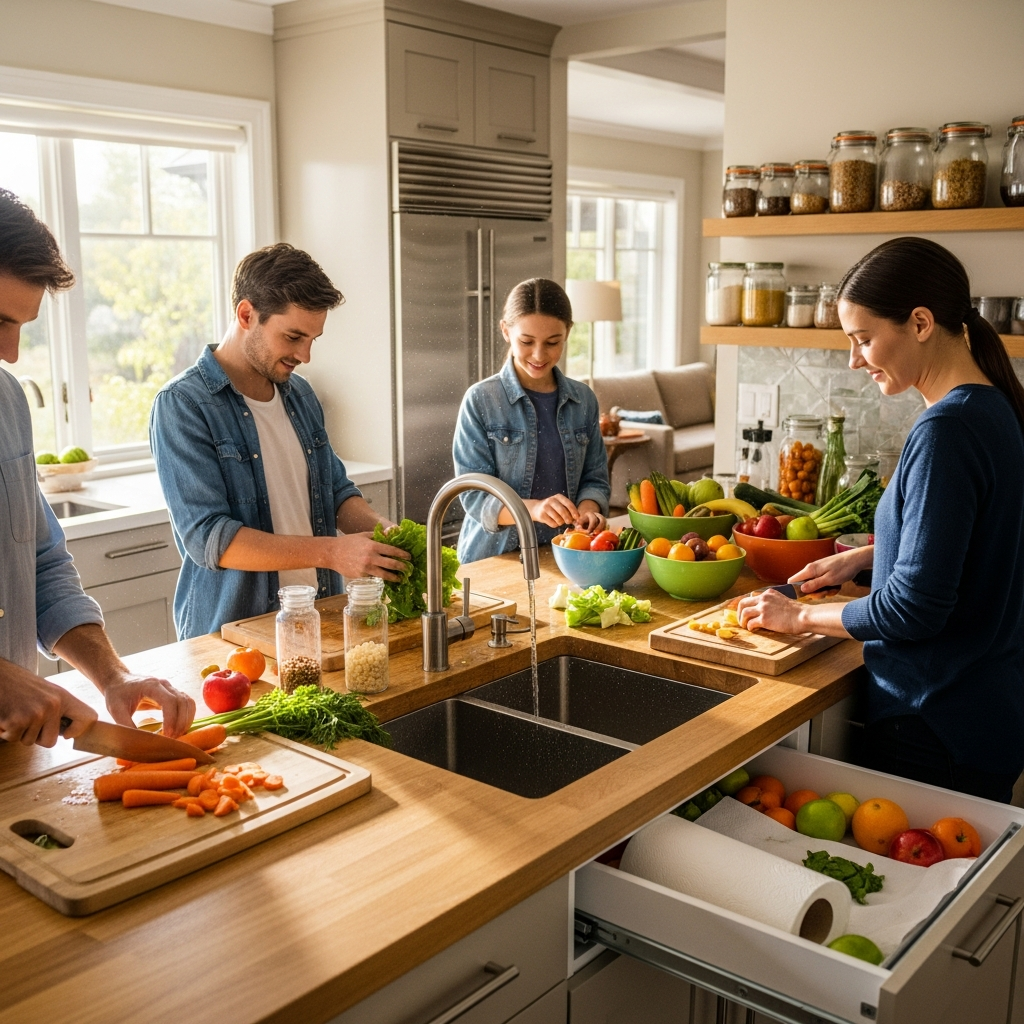
Families also appreciate how organic eating can create shared habits, particularly around prepping ahead. Setting aside an hour on Sunday can pay off all week: wash and spin lettuce, slice cucumbers and peppers, roast a tray or two of mixed vegetables, and cook a pot of brown rice or quinoa. Store them in clear containers so everyone can see what’s ready to grab. On a Tuesday when the calendar is unforgiving, that mise en place can be the difference between takeout and a homemade rice bowl piled with vegetables, beans, avocado, and a drizzle of yogurt-lime sauce. This is where organic truly shines—it supports a pattern of eating that’s centered on real, whole ingredients that make sense in busy family life.
Parents of younger children often ask about getting kids on board. Around Naperville, I’ve seen success with offering small portions of new organic vegetables alongside familiar foods, pairing sweet with savory (carrots with a touch of honey, or roasted sweet potatoes with a sprinkle of cinnamon), and giving kids meaningful choices. Let them decide between broccoli or green beans, strawberries or blueberries, brown rice or whole-wheat pasta. when children feel some agency, they show up at the table more curious and less defensive. Cooking together helps too. Even simple jobs—tearing lettuce, rinsing beans, stirring a pot—build comfort and pride.
Families navigating allergies or sensitivities can find organic eating particularly helpful. Whether you are gluten-free, dairy-free, or watching certain additives, organic labels tend to emphasize straightforward ingredients. That transparency is reassuring when you’re trying to manage a peanut-free classroom or an activity schedule that spans three practice fields. Keep a few emergency snacks in your car or in backpacks during the busiest weeks. Rye crackers and seed butter, dried fruit, roasted chickpeas, and simple applesauce cups are frequent heroes on days when the schedule backflips.
Another overlooked benefit of organic choices is the sense of connection to where food comes from. Even if you’re not visiting farms regularly, you can bring that story home. Talk with kids about soil and pollinators, about how rain and sun transform seeds into the vegetables on their plates, about why composting banana peels can become nourishment for the next season. If your family enjoys the outdoors at places like Greene Valley or Springbrook Prairie, it’s easy to draw lines from those ecosystems to soil health on organic farms and the long-term wellness of our rivers and air.
On the practical side, handling and storage routines make a huge difference. Keep herbs like cilantro and parsley in jars of water in the fridge, just like flowers. Store greens with a paper towel in their container to capture moisture. Freeze berries on a sheet tray before transferring to a bag so they don’t clump, then use them in smoothies or oatmeal. Leftovers are a superpower; the second day is when soups and stews often taste best. Teach older kids how to reheat safely and how to assemble a balanced plate, so that grabbing lunch at home becomes almost automatic during study days or after a morning at the 95th Street Library.
From an environmental perspective, many Naperville families appreciate that organic agriculture emphasizes soil fertility, biodiversity, and thoughtful water use. Those values dovetail with our own community’s investment in parks, trails, and open spaces. When we choose organic, we participate in a broader pattern of care, one that stretches beyond a single meal and supports a healthier place to live. It’s satisfying to think that the greens on your plate or the oats in your breakfast bowl are part of a larger circle of stewardship that your children will inherit.
Of course, the most potent benefit of organic eating is the way it stabilizes the routine of feeding a family. It’s not about restriction; it’s about clarity. You know what’s in your pantry, you know what dinner will look like even on hard days, and you know that the snacks in your child’s hands reflect your values. In Naperville, where the calendar can feel breathless, that kind of clarity is a gift.
How can Naperville families start switching to organic without overhauling everything?
Begin with the items you use most often. If your family eats berries weekly, make those organic first. If yogurt or milk is a daily staple, start there. Shift pantry items you buy every month—like pasta sauce, oats, nut butter, or beans—to organic versions. These swaps have an outsized impact on how you feel about your groceries, and they integrate seamlessly into existing recipes. Build momentum gradually, celebrate small wins, and notice how your habits evolve naturally over a few weeks.
What are some easy, kid-friendly organic meals for busy weeknights?
Think in terms of templates rather than strict recipes. Burrito bowls with brown rice, black beans, salsa, avocado, and a sprinkle of cheese are endlessly adaptable. Pasta with sautéed cherry tomatoes, garlic, spinach, and olive oil takes minutes. Sheet-pan dinners with chicken thighs or tofu, potatoes, and carrots roast while you help with homework. Breakfast-for-dinner—scrambled eggs, whole-grain toast, and fruit—always saves the day. Keep spice blends handy so you can add personality without extra steps.
How does seasonality in Naperville shape organic choices?
Seasonality is your ally. In spring and early summer, greens, herbs, and strawberries are at their best. Mid-summer brings cucumbers, zucchini, tomatoes, and corn. Fall leans into squash, apples, pears, and hearty greens. Aligning your meals with these waves makes cooking easier and tastier. It also helps you discover new favorites; a September apple crisp or an August tomato salad can become cherished family rituals that mark the calendar as reliably as back-to-school nights or homecoming games.
Can organic eating support common dietary needs like gluten-free or dairy-free?
Yes. Organic labeling often goes hand-in-hand with attention to clear ingredient lists and third-party certifications. You can find organic gluten-free grains like quinoa, rice, and certified oats, plus dairy alternatives such as almond, oat, or soy beverages and cultured yogurts. For families juggling multiple needs, this transparency simplifies shopping and helps minimize kitchen confusion.
What are the best ways to reduce food waste when buying organic?
Plan simple meals for the first two days after shopping that use the most perishable produce, like salad greens and herbs. Roast, blanch, or freeze produce that might linger. Repurpose leftovers into wraps, quesadillas, fried rice, or hearty soups. Label containers with the date and keep the most perishable foods at the front of the fridge so they are the first thing you see when the door opens.
How can kids help make organic eating stick?
Invite them to choose a new fruit or vegetable each week, to wash produce, and to build their own lunchboxes from a set of ready-to-go items you’ve prepped on Sunday. Give older children the job of choosing one dinner each week and helping make it. When kids contribute, they feel ownership, and that expands their willingness to explore new flavors.
Is organic meat and dairy part of a balanced approach?
For families who eat animal products, organic meat and dairy can be an excellent fit because they reflect standards around animal welfare and avoid routine synthetic inputs. Combine them with abundant vegetables, legumes, and whole grains. If your household is plant-forward, organic tofu, tempeh, legumes, and plant-based yogurts offer satisfying, protein-rich options that sit easily in family meal plans.
How do I keep organic meals interesting week after week?
Rotate cuisines and flavor profiles. One week lean Italian with tomatoes, basil, and balsamic; the next, drift toward Tex-Mex with beans, corn, and avocado; later, spotlight Mediterranean bowls with cucumbers, olives, and lemon-tahini dressing. Keep a short list of house sauces—chimichurri, peanut-lime, yogurt-dill—that instantly change the mood of familiar staples.
What if my family has picky eaters?
Patience and exposure matter most. Offer small, no-pressure tastes of new organic foods alongside favorites. Serve vegetables in multiple forms—raw, roasted, blended into soups—so kids encounter them in different textures. Praise curiosity rather than insisting on clean plates. Over time, familiarity builds comfort, and comfort opens the door to acceptance.
Where can I find a dependable selection of organic staples close to home?
Right here in Naperville you can shop a focused range of produce, dairy, pantry staples, and snacks that make weekly planning easier. Explore the dedicated organic foods selection to gather everything for quick breakfasts, packable lunches, and simple dinners without zig-zagging across town.
If you are ready to make organic eating part of your family’s everyday rhythm in Naperville, there is no need to reinvent the wheel. Start with a few swaps, lean into seasonal produce, and keep prep simple. Most of all, choose a nearby spot where you can count on consistency week after week. Visit the local aisle for greens, grains, and snacks, and let these choices anchor your routine. When you are set to shop for the week ahead, stop by the dedicated organic foods department, pick up the essentials you’ll reach for every day, and head home with confidence that dinner is about to get easier.