
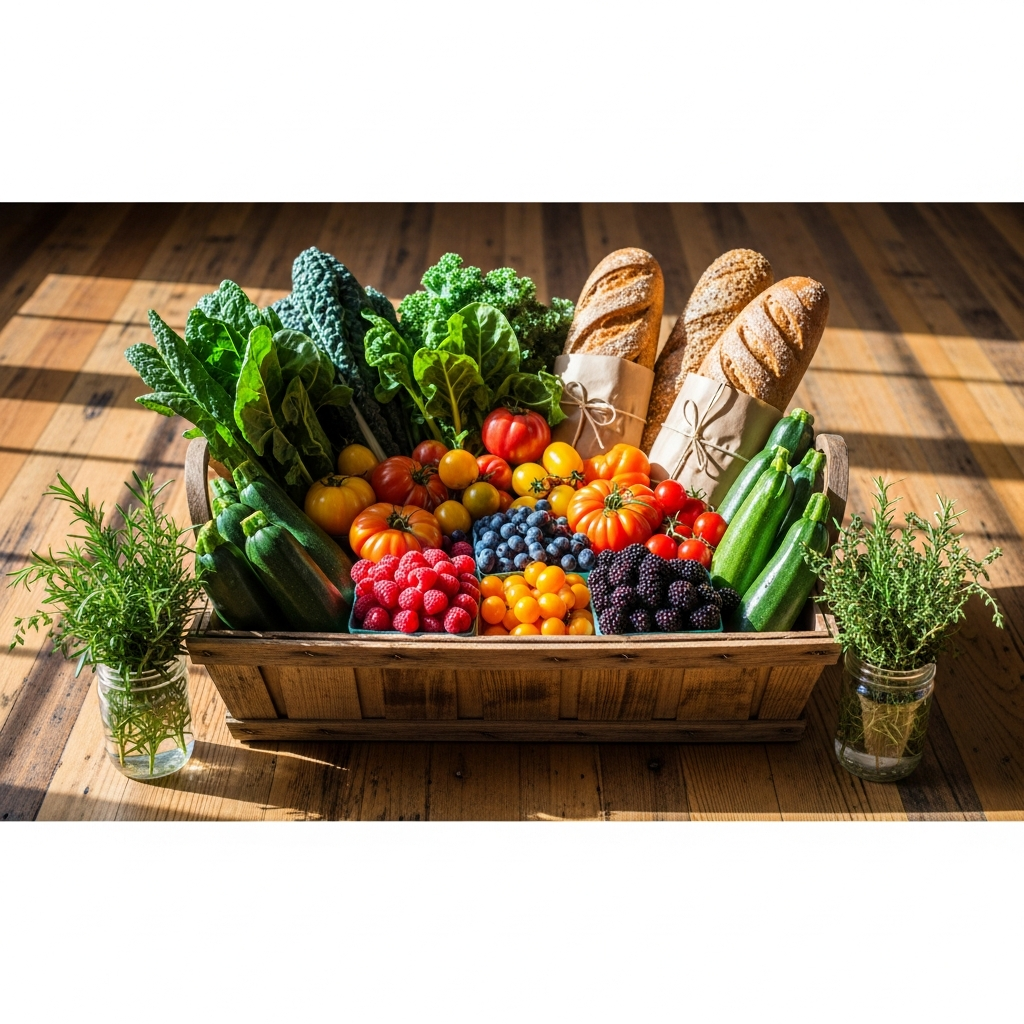
Shopping Organic in Naperville with Confidence
Naperville is the kind of place where neighbors swap tips about the best tomatoes of the season, debate the merits of different sourdoughs, and trade notes about which stores rotate their greens most carefully. If you’re focusing on organic, the conversation gets even more interesting. Going organic is not just a label choice—it’s a way of shopping that rewards freshness, seasonality, and smart storage. Knowing what to buy fresh, what to enjoy right away, and what holds well for a few days makes a visible difference on your plate.
In practical terms, “organic” shines brightest when you can taste or feel the difference immediately. Tender leafy greens, thin-skinned fruits, and herbs benefit from organic growing practices and minimal synthetic inputs. When you lean into those categories and time your visits around deliveries and restocking, you bring home ingredients that taste alive. A quick look through the front of the grocery department each trip helps you spot what’s just landed and what’s ready for a few more days in the crisper.
Naperville’s geography helps. With easy access to regional growers and robust distribution, organic options arrive steadily throughout the week. Spring’s baby spinach and arugula are tender, summer berries and tomatoes perfume the air, and fall roots and greens give you the sturdy building blocks of soups and roasts. Winter brings citrus brightness and cool-weather lettuces that hold their texture. If you sync your basket with the season and understand a few local rhythms, your organic cart will be both vibrant and practical.
What to Buy Fresh Right Now
Leafy greens top the list of “buy it fresh, eat it soon.” Organic spinach and arugula wilt quickly under improper storage, so plan them for early-week meals. Kale and chard, while sturdier, still shine brightest the first few days. Herbs follow a similar rule: basil, cilantro, parsley, dill, and mint all reward same-week use. Give them a trim and stand them in a jar with an inch of water in the fridge, loosely covered, and you’ll extend their life just enough without losing fragrance.
Berries are the other big category. Organic strawberries, blueberries, and raspberries are spectacular when they’re dry, cool, and handled gently. Inspect clamshells for dry caps and no pooled juice; at home, sort out any soft berries and store the rest unwashed until you’re ready to eat. Stone fruits—peaches, nectarines, apricots, and plums—love a day or two on the counter to finish ripening. Choose fruit that gives slightly at the stem and smells fragrant. If you overbuy, slice and freeze for smoothies before texture declines.
Tomatoes deserve special attention. Organic heirlooms and vine-ripened varieties vary week to week, but when they peak, you’ll taste a field-fresh sweetness even before salting. Keep them on the counter out of direct sun, and plan a salad, bruschetta, or a simple bowl of pasta tossed with chopped tomatoes, olive oil, garlic, and basil. Cucumbers, zucchini, and eggplant should feel heavy for their size and smooth; they don’t demand immediate use but are at their best within a few days of purchase.
In the organic bakery section, fresh loaves are worth planning around. If you see a just-baked sourdough or country loaf, build meals to enjoy crusty slices while they sing—soup night, toast-and-salad dinners, or bruschetta with those peak tomatoes. Portion and freeze leftovers in thick slices to revive in the toaster later. For tortillas and pitas, warmth on day one is hard to beat, so plan tacos or wraps in the first 48 hours.
Organic Proteins and Dairy: Freshness Cues
When it comes to organic meat and poultry, the freshness you taste starts at the counter. Look for even color, minimal purge in packaging, and butchers who can discuss sourcing and handling. Ask for cuts that fit your recipe—bone-in for braises, thin-sliced for quick sautés—and plan to cook within a couple of days. If your week is unpredictable, portion and freeze what you won’t use right away, labeling clearly so it moves easily into next week’s plan.
Organic eggs are a Naperville staple. Freshness shows in the whites that hold tall around the yolk and shells free of hairline cracks. Keep them toward the back of the fridge where temperature is stable. For dairy, choose milk and yogurt stored deep in chilled cases and look for rotation labels. Organic cheeses, from sharp cheddars to soft goat cheeses, should be well-wrapped and dated. Ask staff for pairing ideas; many have a favorite cracker or jam that turns a simple cheese plate into a weeknight luxury.
Fish is a category where “organic” might apply to farmed standards rather than wild catch, so freshness cues matter most. The fillet should look moist and glistening with a clean sea smell. If you’re unsure, ask for the day’s best and a suggested cooking method. Simple preparations—lemon, herbs, a drizzle of olive oil—let freshness shine without a heavy hand.
Naperville Timing and Traffic for Organic Finds
Naperville shoppers quickly learn to pair timing with goals. Early weekday mornings are calm, perfect for hand-selecting delicate greens and berries. Midafternoon can be lovely too, with a second wave of restocking before the dinner rush. If you shop on weekends, arrive near opening to beat crowds and claim peak items while they’re still cool from overnight storage. Use traffic flow to your advantage—plan stops near 75th Street or Ogden Avenue when you’ll already be in the area, and keep an insulated tote handy in the trunk so your best finds make it home in good shape.
When the weather turns hot, I shop produce first and dairy last, moving quickly to the car. In winter, the cool air works in your favor; items stay chilled on the way home, though I still group cold goods together in the cart and car to maintain temperature. Weather aside, the store’s cadence remains your friend—ask which days the most delicate organic items tend to arrive, and you’ll learn the sweet spots when displays are vibrant and full.
Pantry Support for Organic Freshness
Organic shopping thrives with a smart pantry. Keep olive oil, vinegars, whole grains, beans, and spices ready to turn fresh produce into meals. A jar of chickpeas meets arugula and tomatoes for a fast salad; farro or quinoa pairs with roasted vegetables and crumbled cheese; lentils simmer quickly with aromatics for a comforting bowl. When your pantry is steady, you can buy fresh organic items with confidence, knowing that dinner practically assembles itself.
Balance is key. Don’t let the pantry become a museum of good intentions. Buy what you cook regularly and rotate small amounts. If you add one new organic staple each week—say, a different whole grain or a specialty vinegar—you’ll build depth without clutter. The goal is to support the produce, not overshadow it.
Storage Habits That Honor Organic Quality
A few simple routines protect your investment in organic goods. Wash leafy greens only when you’re ready to use them, or wash and spin them dry thoroughly before storing in breathable containers with a towel to wick moisture. Keep berries dry until serving and store them in a single layer if possible. Herbs thrive when trimmed and kept in water like flowers; change the water every day or two. Tomatoes and stone fruit belong on the counter until perfectly ripe, then move to the fridge if you need to hold them an extra day.
Label leftovers and partial packages. Half an onion, a wedge of cheese, or a handful of greens easily disappears into the crisper abyss. Clear labels and front-and-center placement make it far more likely that you’ll use them in omelets, sandwiches, or quick sautés before quality dips.
International Aisles and Organic Variety
One of Naperville’s joys is the breadth of international selections. Organic coconut milk, soy sauces, rice noodles, and spices open doors to Thai-inspired stir-fries, Indian dals, and Mediterranean grain salads. Stroll those aisles with a fresh item in mind: basil for a coconut curry, tomatoes for a Tuscan panzanella, or cilantro for a bright salsa. When you let the fresh organic anchor lead, the supporting pantry players make dinner both interesting and easy.
These shelves also help solve the weekday puzzle. A jar of organic marinara and a box of specialty pasta turn market tomatoes and zucchini into a satisfying bowl in minutes. A tin of chickpeas and a can of roasted peppers give you a fast, hearty salad with arugula. The trick is to keep choices focused so you use what you buy, not stack it endlessly.
From Selection to Supper: A Local Flow
Here’s a rhythm that works in Naperville. On Sunday, shop early and select delicate items—greens, berries, herbs—plus a couple of proteins. Plan salads and quick sautés Monday and Tuesday. Midweek, make a light top-up run for bread or a few missing vegetables; enjoy something roasted or braised on Wednesday when evenings feel long. On Thursday, pivot to bright, quick flavors—pasta with cherry tomatoes and basil, tacos with crunchy slaw—so Friday feels breezy. This flow respects organic freshness and Naperville’s weekly beat.
For gatherings, simplify. Buy a stellar loaf, the ripest tomatoes, a handful of basil, a soft cheese, and a crisp green. Arrange them family-style with olive oil, salt, and a squeeze of lemon. This kind of table feels generous and alive, and it lets the quality of your organic items show.
Frequently Asked Questions
Which organic items should I prioritize to buy fresh in Naperville?
Leafy greens, herbs, berries, tomatoes, and fresh bakery loaves. They deliver the biggest flavor and texture payoffs when enjoyed soon after purchase. Plan early-week meals around these, then shift to sturdier produce as the week progresses.
How do I know if organic produce is truly fresh?
Use your senses: vibrant color, firm texture, and a clean, lively aroma. Check that greens look crisp and dry, berries have dry caps with no pooled juice, and tomatoes smell fragrant at the stem. Staff can confirm delivery timing if you’re unsure.
What’s the best time to shop for organic items?
Early weekday mornings or midafternoon, when displays are newly stocked or refreshed and aisles are calmer. On weekends, arrive near opening. Ask which days delicate organic items typically arrive to catch peak displays.
How should I store organic herbs and greens?
Trim herb stems and place them in a jar with an inch of water, loosely covered, changing water every day or two. For greens, either wash, spin dry, and store in breathable containers with a towel, or keep unwashed and dry until use. Avoid crushing delicate leaves under heavier items.
Can I balance organic choices with budget and time?
Yes. Prioritize organic for items where freshness and thin skins matter most, keep a supportive pantry of grains and legumes, and plan simple meals that showcase peak produce. Small, consistent habits deliver the biggest returns without complicating your week.
When you’re ready to refresh your organic routine in Naperville, start your next trip in the grocery department, select what looks vibrant today, and let those choices shape your meals. With a seasonally tuned eye and a few smart habits, your cart—and your table—will reflect the best of what organic has to offer.