
Understanding Delivery in a City That Loves Convenience
Naperville may feel like a small town when you bump into neighbors at the Riverwalk or after a game at Nike Park, but it runs on big-city convenience. Nowhere is that clearer than in grocery delivery. Whether you live near downtown, along Ogden Avenue, or in the subdivisions weaving south toward 95th Street, delivery lets you reclaim time without giving up fresh, thoughtfully chosen ingredients. The key is to understand your options—timing, substitutions, packing practices, building access, and how to keep perishables crisp once they land at your door—so you can tailor services to your household and schedule.
When people ask me where to start, I suggest a quick personal audit. What are your nonnegotiables? If peak-fresh produce matters most, you’ll want a service that lets you add notes for ripeness and swaps. If speed is your priority, look for tight delivery windows and real-time updates. Families juggling school pickups and evening practices might prefer curbside pickup for flexibility, while downtown residents in walk-ups or secure buildings should confirm how drivers handle access and handoff. No matter your setup, a visit through the grocery department page or app interface can reveal how well a store organizes its delivery flow.
Same-Day vs. Scheduled: Choosing the Right Window
Naperville’s delivery ecosystem typically offers two rhythms: same-day, often with shorter windows for quick needs, and scheduled slots that stretch a day or more out. Same-day shines when your dinner plan changes at 4 p.m. and you need salmon, asparagus, and a lemon tart by six. Scheduled delivery is better for weekly planning—think a Saturday morning drop with a fuller basket, including pantry items and household supplies.
I encourage a hybrid routine. Keep a standing scheduled window for your big order and rely on same-day for top-ups: herbs, berries, a missing spice, or a last-minute baguette. This blend guards against the “we shopped but forgot the avocados” scenario and prevents pantry build-up from too many emergency orders. Plus, drivers get to know your address, your building quirks, and your preferences, making each delivery smoother.
Timing around Naperville’s traffic matters too. If you live near Route 59 or along 75th Street, late afternoon windows can fall into rush hour. A late-morning or early-afternoon slot often delivers better consistency and fewer delays. In winter, consider earlier deliveries before snow picks up, and in summer, plan around evening sports traffic that can cause brief slowdowns near fields and parks.
Substitutions: Turning a Frustration into an Advantage
Substitutions are the heart of delivery anxiety, but handled well, they become a feature, not a bug. Good services let you pre-approve swaps or choose “no substitutions” for key items. I tend to be flexible on pantry goods and dairy but specific about fresh herbs, berries, and fish. Leave detailed notes: “Two ripe avocados for guacamole today” or “Firm peaches for slicing this weekend.” The more precise your cue, the better your result.
If you have a favorite brand or size for staples like broth, pasta, or cereal, designate it clearly in your list, and consider adding a secondary option just in case. Over time, the best stores remember your preferences, and your order accuracy improves. Substitutions also spark discoveries—your shopper may introduce you to a new lentil brand or a slightly different cut of meat that suits your recipe even better.
When you unpack, check substitutions first. If something doesn’t work, contact support with a calm, specific note. Well-run services appreciate constructive feedback and use it to refine future picks. You’re not just venting; you’re helping the system learn what “fresh” and “right” mean for your kitchen.
Packing and Temperature Control
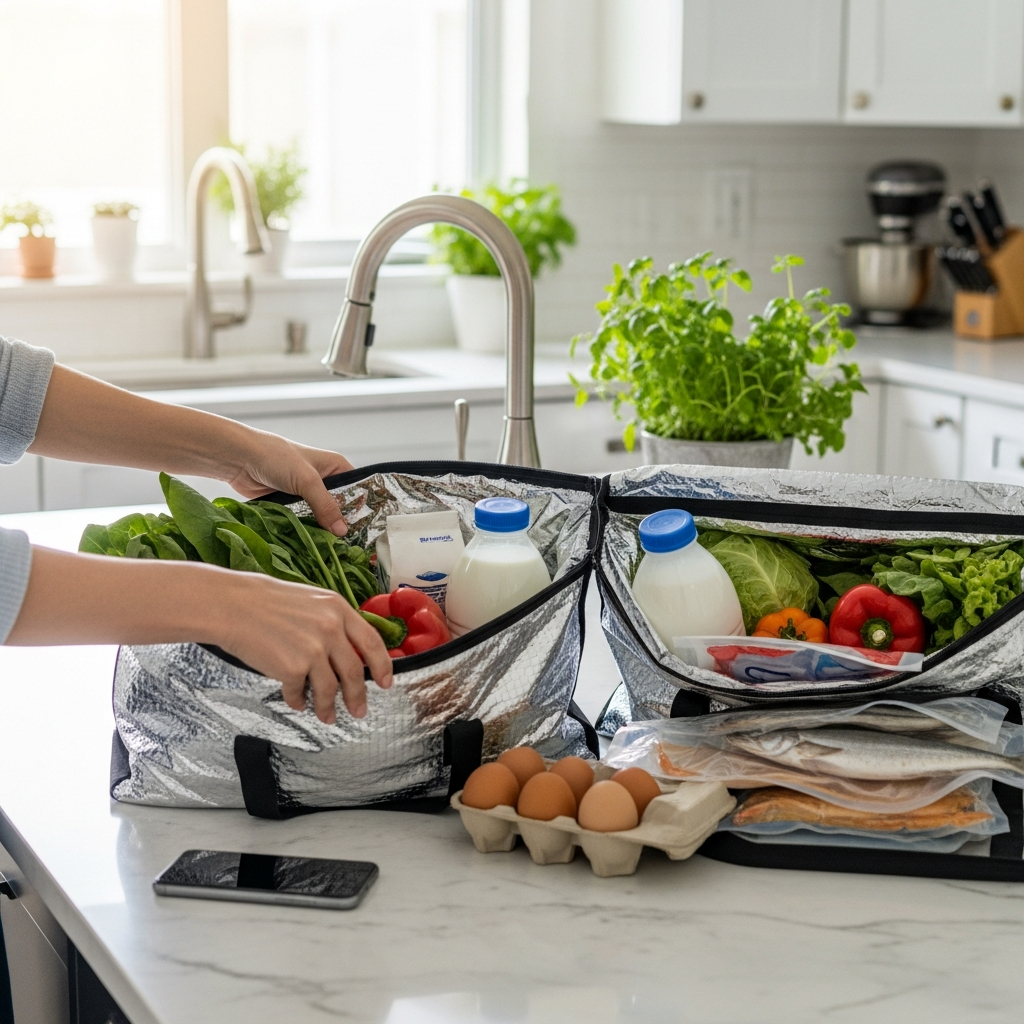
Delivery success lives or dies on packing. A careful packer separates fragile produce from heavy items, keeps pantry staples together, and seals chilled goods in insulated bags. In Naperville’s summers, I like to request that ice packs ride along with seafood or delicate greens; in winter, I ask that cold items not sit outside too long to avoid freezing. A quick doorstep handoff is ideal in both extremes.
Think about your home layout. If stairs are steep or entryways narrow, let the service know where to place bags. Clear labels on bags save time as you unpack—nothing slows a dinner plan like hunting for cilantro mixed among cereal boxes. And it helps to keep a folding insulated tote by the door for quick transfers to the fridge, especially when a delivery lands during a busy moment.
For eggs and bread, I request top-of-bag placement. For berries and greens, I ask shoppers to pick containers with no pooled juice or wilt. These tiny details travel well and safeguard the freshness you’re paying for. Over time, consistent notes turn into muscle memory for your favorite shoppers.
Apartment, Townhome, and Gated Access
Downtown units and gated communities each add a wrinkle. Clarify access: Does your building require a buzzer entry? Can drivers leave items with the front desk? Is there a specific gate code that changes seasonally? Provide the simplest, safest handoff instructions and consider a backup phone number in case a driver needs assistance.
For secure buildings, try meeting drivers in the lobby for a faster exchange and to prevent perishables from waiting on a cold or hot exterior stoop. If you’re on the third floor of a walk-up, a polite note about fragile items can cue extra care on the stairs. The smoother you make access, the more efficient your time window—and the happier your produce and seafood will be when you unpack.
Pickup vs. Delivery: When Curbside Wins
As much as I love delivery, curbside pickup solves a different problem: control. If you want to approve produce on the spot or ensure a baguette is truly crusty, pickup after work can be perfect. You still skip the aisles, but you can ask for a quick swap if an item isn’t to your liking. In Naperville, where parking is generally easy, curbside becomes a five- to ten-minute task once you’re used to the flow.
Pickup also suits evenings when family calendars are crammed. Place your order during a break, select a post-practice window on 95th Street, and swing through. If you coordinate the route with your commute, the entire errand feels frictionless. For larger weekend orders, I’ll sometimes pair pickup with a brief, in-store dash to hand-select a few delicate items and check for a seasonal surprise in the front displays.
Communication: Notes, Updates, and Photos
Clear communication distinguishes a so-so delivery from a great one. In your order notes, be friendly and direct: “Green bananas please,” “Firm tomatoes for slicing,” or “Please bag raw meat separately.” If a service offers chat or photo approval, use it sparingly but strategically—approve the ripest-looking avocado or ask for a photo of the fish fillet thickness if that matters to your recipe.
Real-time updates help you prep your kitchen. When you see the driver is ten minutes away, clear counter space, set out a cutting board for quick herb trimming, and designate a spot for cold items. A few minutes of readiness pays you back immediately, especially on busy weeknights when you want dinner moving the moment those bags hit the island.
Freshness on Arrival: Your Unpacking Routine
Make unpacking efficient and freshness-focused. Move seafood, meat, dairy, and eggs into the fridge first. Sort berries, removing any soft ones, and store them dry. Trim herb stems and stand them in water like flowers, loosely covered. If you received ripe fruit, keep it on the counter on a cool section away from direct sun; transfer to the fridge the next day if needed.
Label anything that’s destined for a specific meal—“Tuesday stir-fry” on the snap peas, “Friday tacos” on the limes—so you don’t lose track midweek. For pantry items, group grains, beans, and sauces so the week’s menu is visible at a glance. Delivery should feel like a head start, not another task.
Special Requests: Cutting, Trimming, and Custom Orders
Don’t be shy about requesting specific cuts or portions. Ask the butcher to halve chicken breasts or the fishmonger to portion salmon. If you want a steak sliced for stir-fry or a roast tied for even cooking, say so. In produce, note your ripeness target: “Two ready today, two firm for later in the week.” Shoppers appreciate clarity; it makes their job easier and your meals better.
When a service sees repeat patterns—like your preference for thin asparagus or your affection for a particular yogurt brand—they start to anticipate your needs. That’s when delivery feels like a personal assistant rather than a transaction.
Seasonal Shifts in Delivery Demand
Delivery demand follows Naperville’s seasons. Early fall brings a spike as school routines settle in; winter weather drives more indoor weeks with heavier baskets; spring lightens the load as people spend more time out and about; and peak summer alternates between barbecue-driven surges and lazy, late-night top-ups. If you prefer prime time slots, book a bit earlier in winter and the week of major holidays. For flexible schedules, late morning and early afternoon remain reliable and calm most of the year.
In all seasons, the stores that excel at delivery mirror their in-store excellence. If you’ve had great conversations at the fish counter or discovered a fantastic seasonal display, chances are their delivery team handles goods with equal care. A quick scan of the online grocery department is often enough to see whether categories are clearly organized and seasonal items are front and center.
Frequently Asked Questions
How do I make sure produce arrives at the ripeness I want?
Leave detailed notes specifying ripeness and timing, such as “ripe today” or “firm for the weekend.” Be flexible on secondary items and strict on must-haves. The combination improves both accuracy and freshness.
Is delivery or pickup better for fragile items like berries and bread?
Pickup offers more immediate control if you want to approve items in person, but well-managed delivery with clear notes travels beautifully. Request top-of-bag placement and avoid leaving deliveries outside in extreme temperatures.
What should I do if a substitution doesn’t work for my recipe?
Check substitutions first while unpacking and contact support promptly with clear, polite feedback. Good services refine future orders based on your input and will help you land closer to your preferences next time.
How far in advance should I schedule around busy seasons?
In winter or the week of a major holiday, reserve a preferred slot a few days ahead. For typical weeks, late-morning or early-afternoon windows are reliable and often have same-day availability.
Can I request custom cuts from the butcher or fish counter for delivery?
Yes. Add detailed notes for thickness, portioning, or preparation. The more specific your request, the better the result, and repeat patterns help teams anticipate your needs.
If you’re ready to make delivery work for your life in Naperville—saving time without compromising on what lands in your skillet or on your cutting board—start by exploring the online grocery department, set your preferred time windows, and use clear notes to shape every order to your taste. Convenience should taste as fresh as a market-day find—and with the right plan, it will.