
How Naperville’s Grocery Hours Shape Smart Shopping
Ask any longtime Naperville resident about the best time to shop and you’ll get a knowing smile and an answer that starts with, “Well, it depends.” In a city spread from the historic streets by the Riverwalk to the broad avenues along Route 59, store hours subtly shape your week. Early risers find calm aisles and newly stocked produce, while night owls appreciate the quiet hum of a store winding down after the dinner rush. Understanding how hours intersect with deliveries, staffing, and neighborhood traffic patterns can transform a simple errand into a smarter, faster, fresher experience.
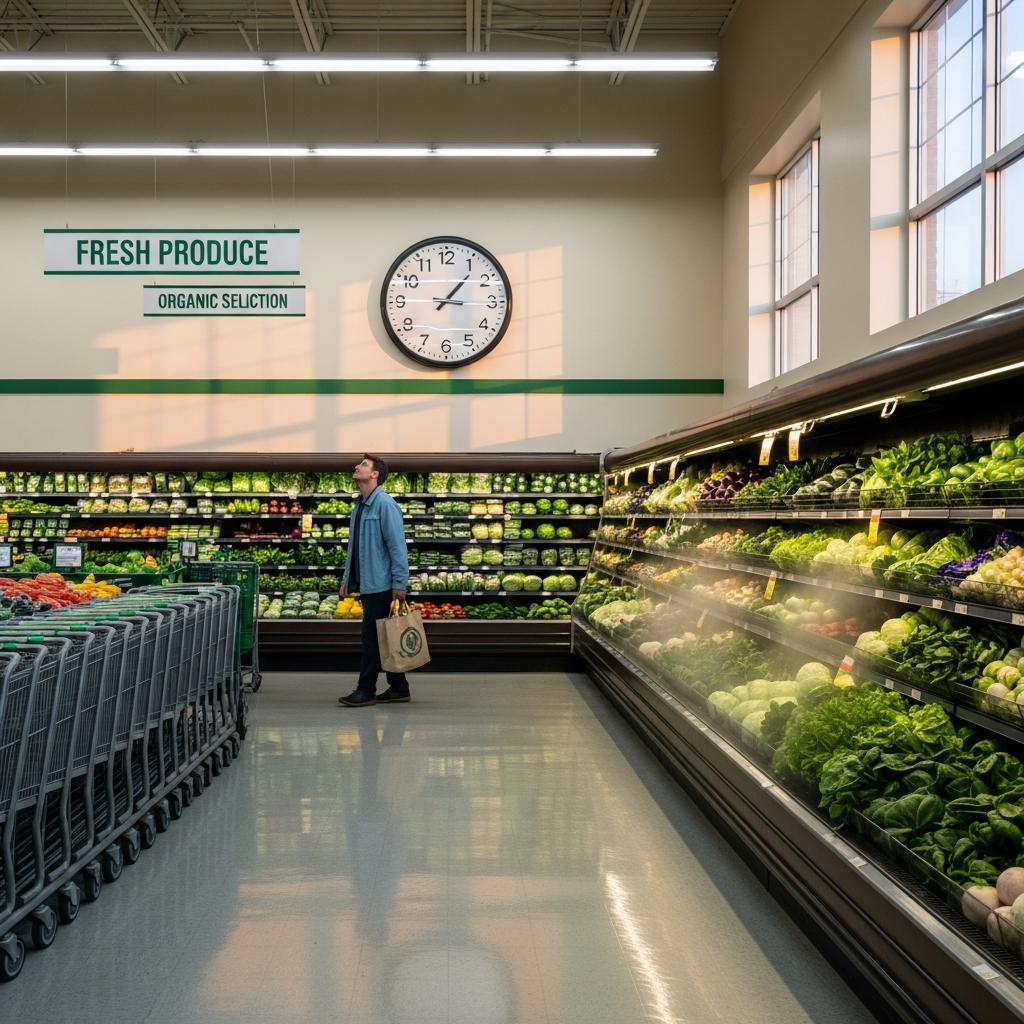
Time of day matters more than many realize. When doors first open, the store feels crisp: floors gleam, carts are neatly corralled, and departments like produce and bakery showcase the morning’s first rotation. If your schedule allows, arriving during the first hour on a weekday can mean shorter lines and a wider choice of the day’s highlights. Later, as the sun dips and families finish dinner, another peaceful window appears; the energy changes, staff tidy displays, and you can browse without jockeying for position in the cereal aisle. In between, midafternoon sweet spots often emerge as teams restock for the evening crowd.
Season adds another layer. Winter mornings tend to be serene, with fewer shoppers venturing out in the cold, while late spring and summer bring bursts of activity before weekend barbecues, school events, and trips to Centennial Beach. Around local happenings like the Last Fling or a big weekend at Naper Settlement, you’ll notice earlier buildups that can nudge your visit an hour this way or that. If you learn the cycle in your favorite store, you can pick a window that lines up with restocking, so you see displays at their best instead of at the tail end of a rush.
When someone asks me how to navigate hours effectively, I start with a simple plan. Identify your two ideal shopping windows—one early, one late—so you always have a fallback. If a morning meeting appears on your calendar, you’re set for a post-dinner run; if your evening gets busy, you can pivot to opening time the next day. Keep a small list going during the week so you’re not overwhelmed, and prioritize perishables when you know you’ll hit the freshest rotation. And for the best read on day-to-day rhythms, walk through the grocery department first; it tells you right away how the store is feeling that day.
Early Birds: What to Expect
The first hours attract a specific crowd—people commuting along Washington Street who swing in for coffee and fruit, parents dropping kids near 95th Street who grab a quick breakfast item, and professionals staging their week with crisp greens and a bakery loaf. It’s a time when produce misters have just cycled, storage cases are cold and full, and the staff is tuned in. You’ll also find calmer parking lots and less jockeying for those close spots on blustery days. If you need help from the butcher or fish counter, early visits make it easier to ask detailed questions and get personalized cuts or recommendations before the line forms.
Bakery items shine early. If you adore a particular bread, ask when it typically comes out warm and plan a trip within that window. You’ll taste the difference, especially with crusty loaves and breakfast pastries. Dairy sections feel especially brisk in the morning, with newly fronted milk and yogurt and fewer shoppers reaching deep into cases. This is your moment for delicate produce like herbs and berries, which love cooler displays and less handling.
Another perk of the early window is mental space. You’re less likely to impulse-buy when you have room to think through meals for the week. I’ll often plan a simple arc: hearty salads early in the week, quick stir-fries midweek, and something roasted or grilled for the weekend. With a quiet store, you can shop those plans without distraction, and you’re more likely to spot seasonal gems staged near the front of the produce section.
Night Owls: Late Hours with a Purpose
There’s a distinct charm to shopping in the evening. Aisles settle, the hum of the store softens, and you can move with ease. I like to check the deli for end-of-day rotations—fresh salads and sliced items often get fronted for the after-dinner crowd—and I’ll swing by the bakery to choose items that will be perfect for the next morning. The fish counter may have fewer selections on display late, but staff often knows what’s freshest and can pull from the back if you ask. In produce, I look for the sections that were restocked for dinner rush and are still crisp.
Late visits are also practical for families. If you’re juggling evening activities and homework, a post-8 p.m. shop can feel like a breather. The parking lot is easier, you’ll spot a cart right away, and lines are at their shortest. This is a good moment for pantry items and beverages, since those aisles are quiet and you can compare labels without feeling rushed. I also find that late-night browsing sparks creativity; I’ll discover a new grain or sauce and rethink Friday’s dinner plan.
Of course, not every evening is equally calm. Fridays can be lively as people prep for the weekend, and the hour just after dinner sees a quick pop in traffic. If you aim slightly later, you’ll catch that second wave waning as the store tidies up. And in winter, keep an eye on the forecast—before a snow, the evening can fill fast with last-minute runs for soups, baking staples, and easy breakfasts.
Weekday vs. Weekend: Plan Around the Pulse
Weekdays and weekends each have a vibe. Monday mornings feel methodical, with staff resetting from the weekend; Tuesday and Wednesday often offer the steadiest midweek rhythm; Thursday sees the first weekend build-up; and Friday hums as people plan gatherings or stock up for travel sports. Saturdays are lively from midmorning until early afternoon, while Sunday mornings can start strong and taper by late afternoon. The trick is to pick your preferred energy—quiet efficiency or upbeat bustle—and plan accordingly.
On weekends, consider a split strategy: a quick, early-morning trip for produce and bakery, then a short late-afternoon swing for anything you missed, like a special cut from the butcher or a dessert for guests. That way, you don’t fight the busiest hours and still enjoy full selections. During the week, I’ll sometimes do a short lunchtime run if I’m near downtown or Ogden Avenue; you’ll find shorter lines and enough turnover that items look refreshed.
Another advantage of understanding weekday patterns is learning when department managers are most available. If you want to ask about sourcing, delivery days, or the best time to find a particular cheese, those quiet weekday windows are ideal. Make it a habit to ask one question per visit—you’ll gather a treasure trove of practical knowledge before you know it.
Naperville Nuances: Weather, Schools, and Events
Life here is seasonal. When school resumes in late summer, grocery traffic shifts almost overnight. Mornings get busier as families refine their breakfast and lunch routines; afternoons can get jammed near pickup; and evenings become a popular time for quick top-ups. In deep winter, earlier sunsets bring shoppers in sooner, and weekend mornings gain popularity as people try to get errands done before afternoon plans. Spring sports add a twist—late-in-the-day runs for quick dinners and snacks shoot up midweek.
Weather is a strong driver. Before storms, traffic rises in the few hours right before the system moves in. On picture-perfect days, stores see a lighter late-morning crowd as people stay outside longer, then a swell in the early evening when the sun eases. Understanding these ebbs lets you thread the needle and enjoy more space and better-stocked shelves.
For truly efficient trips, build a mental map of a few stores that fit your lifestyle—maybe one near your gym on 75th Street, another on your commute up Washington, and a favorite near the Riverwalk for weekend strolls. That way, whichever direction your day takes, you have a convenient option with hours that align to your schedule. And always start your sweep through the grocery department, where you’ll instantly see how the day’s rhythm has shaped freshness.
Making the Most of Your Window
Whether you’re an early or late shopper, a few simple habits stretch the value of your chosen hour. Bring a flexible list that highlights what’s truly perishable, and let the store’s displays refine your choices. If the greens look spectacular, pivot your meal plan to feature a big salad or sautéed greens. If the bakery has just laid out a special loaf, plan soup, stew, or bruschetta around it. Choose one “anchor” item—like fish or a roast—and build your sides from what’s brightest that day.
Protect your perishables on the ride home. Keep a cooler bag in your car during summer and an insulated tote year-round. If you’re headed to a practice or a meeting after shopping, group cold items together so they stay cooler longer. A little forethought pays dividends—especially after a late-night shop when you want to tuck everything away quickly and relax.
Finally, know when to ask. Department pros love questions like “What was delivered today?” or “When does this usually sell out?” They’ll give you honest answers that help you decide whether to grab your favorite now or wait for a better batch tomorrow. Over time, this dialogue becomes part of your routine and ensures that your chosen hour—even on a busy day—yields high-quality results.
Frequently Asked Questions
What’s the calmest time to shop on weekdays in Naperville?
Typically, the first hour after opening and the late evening after dinner are calmest. Midafternoon can also be a sweet spot when staff restock for the evening crowd and lines are shorter.
Are weekends always crowded?
They’re busier, but not uniformly. Early Saturday and Sunday mornings are often pleasant, and late Sunday afternoon can taper. Split your weekend trip into a brief morning run for perishables and a short late-day stop for anything you missed.
Do delivery schedules affect which hour I should shop?
Yes. Many stores restock produce and bakery shortly after opening, and some departments get a second wave midafternoon. Ask staff about typical delivery days for fish, meat, and specialty items, then time your visits accordingly.
Is late-night shopping good for freshness?
It can be. While selection might narrow slightly, turnover from the dinner rush means many items were fronted not long before you arrive. It’s also a peaceful time to browse pantry items and plan meals without distraction.
How do local events change store traffic?
Big weekends around the Riverwalk, Naper Settlement, or school events can push shoppers earlier in the day. On beautiful afternoons, traffic may dip until evening. Adjust your window by an hour or two and you’ll often regain that easy, unrushed experience.
If you want to shop when aisles are calm and departments are at their best, map two go-to windows—one at dawn’s edge and one after dinner—and let the city’s rhythm work for you. When you’re ready to turn that plan into fresher meals and smoother trips, begin your route in the grocery department, pick up what looks brightest, and let your week’s menu fall into place.