A Local’s Guide to Finding the Freshest Groceries in Naperville
When you live in Naperville, fresh food doesn’t just show up on your table by accident—it’s the product of knowing the right stores, the best times to shop, and the subtle local cues that hint at what’s just been delivered or baked. Over the years, I’ve learned that the “best grocery store near me” isn’t a single place so much as a set of habits and choices that consistently lead to better produce, beautiful bakery items, and vibrant international ingredients. In Naperville, where neighborhoods stretch from the leafy streets near the Riverwalk to the busy corridors along Route 59 and 75th Street, the trick is matching your routine to the city’s rhythms. From early-morning produce checks to late-afternoon bakery runs, each part of town offers a slightly different pathway to freshness.
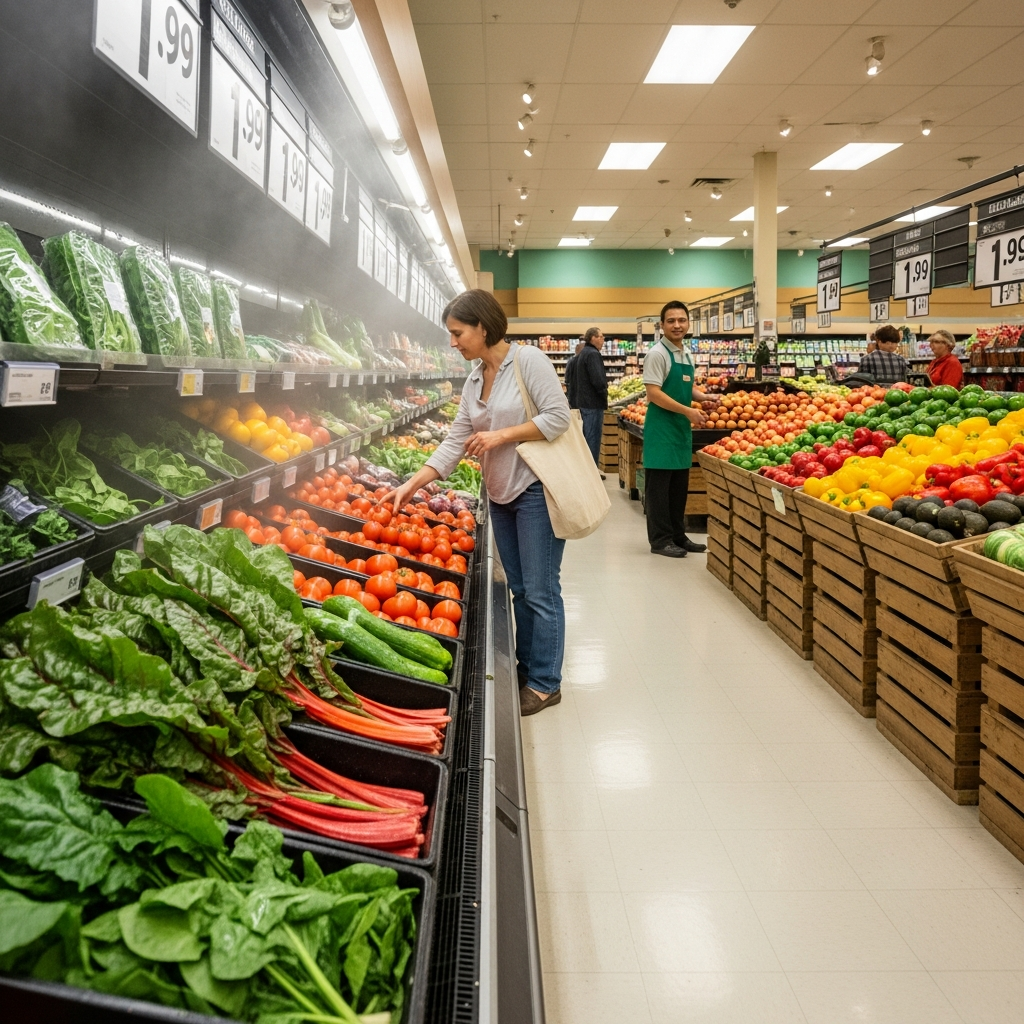
The first thing I tell neighbors who ask for the freshest options is to start by thinking seasonally and locally. Even in a suburban market, seasonal cycles matter. Spring spinach and asparagus often carry that just-picked snap, while late summer tomatoes turn up deep red and perfumed. In the fall, apples and squash come into their prime, and in winter, crisp storage apples and hearty greens from regional growers still make appearances. Pair that seasonality with the right in-store strategy, and you’ll feel like you’ve struck gold. It also helps to get familiar with a store’s layout and signage so you can spot what has rotated in that day; if a stack looks undisturbed and the misting system has just cycled, there’s a good chance it’s newly stocked. If you’re new to town or just fine-tuning your routine, a quick orientation through the primary grocery department tells you volumes about how a store treats freshness.
Naperville’s spread makes traffic patterns part of the equation. Early weekday mornings, before commuters fill Route 59 and Washington Street, are some of the calmest times to shop. You’ll often find the floors still gleaming from overnight cleaning and the produce team rolling out crates. By contrast, weekend late mornings can feel bustling—great if you like the energy and want staff readily available, but not ideal if you’re hoping to slip in and out quickly. The sweet spot in many neighborhoods lands in the early afternoon on weekdays, after the lunchtime rush and before school pickup.
What makes a grocery store “best” in practice? It’s a combination of fresh rotation, clear labeling, attractive but not excessive displays, and knowledgeable staff who can answer questions without guessing. In Naperville, I pay close attention to how greens are handled—are herbs kept perky with gentle misting and proper airflow, or are they matted down and limp? Do citrus and stone fruit smell fragrant from a few feet away? Is the fish counter iced properly, with fillets glistening and tags that specify origin? These seemingly small signals tell you whether freshness is a priority or an afterthought.
Reading the Rhythm of Freshness
Every store has a heartbeat. If you walk the same aisles at the same time each week for a month, you’ll learn it. In Naperville, restocking often happens just after opening and again midafternoon, but that varies by department. The bakery may pull hot loaves onto shelves within an hour of opening, while the deli sizzles to life closer to lunch. If you’re chasing just-baked bread, try arriving shortly after breakfast time. For the crispest greens, I’ve had luck midmorning right after a produce manager finishes a quality check, or in the early afternoon after the lunch crowd has thinned and a second wave of stocking happens.
I also watch for staff who are actively rotating items. When an associate lifts a crate to slide older items to the front and newer to the back, that’s a store following first-in, first-out properly. If you see a quick huddle between produce staff about a crate that arrived cooler than expected, or one with slightly bruised edges that needs culling, that’s a sign of real care. You don’t need to eavesdrop—freshness is visible if you look: bright stems on greens, firm-topped mushrooms, and strawberries with dry caps and no pooling juice beneath the clamshell.
The fish counter deserves its own routine. Naperville’s better counters smell like the sea, not the shore at low tide. Ask the fishmonger what came in that day and what they’d serve at home. You’ll quickly learn which days see the best deliveries—often midweek—and when specialty items land. Pair a piece of flaky white fish with just-shelled peas in spring or a late-summer tomato salad, and you’ll understand why finding the right counter can transform weeknight cooking.
For meat, I look for marbling that’s even, not blotchy, and I’ll ask about grinds that are done in-house. If a store is proud to grind fresh in small batches, that’s great news for burgers or meatballs. Poultry should be plump and well-trimmed, without excess moisture in the tray. And don’t underestimate the value of the butcher’s recommendations; a well-run counter will happily suggest the right cut for braising versus quick searing, saving you time and stress later.
Neighborhoods and Routes That Matter
Naperville’s neighborhoods each nudge you toward different grocery strengths. If you’re near the Riverwalk or North Central College, you may favor compact stores where quick trips feel effortless, especially on foot after a stroll along the DuPage River. Along 75th Street and Ogden Avenue, parking is typically easier, with wide aisles and room to explore extended perimeters like international aisles or a broader dairy selection. South Naperville near 95th Street often carries a strong showing in prepared foods and family-friendly staples, handy for post-practice dinners or impromptu gatherings.
Route planning also helps. On school days, I’ll swing by a store near 95th Street on the way home, since traffic often loosens up after the 3 p.m. pickup surge. When I’m downtown Saturday mornings, I prefer a spot with brisk produce turnover to catch leafy greens that haven’t warmed under display lights. Paying attention to parking lots tells you more than you think—if you see staff collecting carts continuously and steady foot traffic without lines snaking out the door, chances are the store manages volume well while keeping shelves restocked.
One underappreciated detail is the specialty and international selections. Naperville’s diverse community means you can track down spices, grains, and sauces for everything from Middle Eastern feasts to Latin stews and Southeast Asian stir-fries. The stores that excel tend to treat these aisles as integral, not token additions. Well-organized shelves, fresh turnover, and helpful labeling suggest you’ll find a fragrant garam masala or a complex gochujang that livens up your weeknight rotation. If the global aisle looks vibrant, the rest of the store usually follows suit. As you wander, a quick detour back through the grocery department can reveal newer seasonal staples—think artisanal stocks, noodle varieties, or heirloom beans—that complement that evening’s meal plan.
Dairy and eggs deserve a slow browse too. I look for local and regional labels with short supply chains, plus organic picks that cycle frequently. Yogurt cups should be cool to the touch even when you reach deep in the case, and milk should sit in properly chilled displays with steady airflow. Cheese counters are a joy when they offer tastes, but even without sampling you can spot good management: firm rinds on wedges, clear wrap dates, and staff who’ll talk pairings. Whenever a store shows that level of care, it’s a great candidate for your weekly go-to.
Timing Your Trips for Peak Freshness
Even if you love a particular store, timing can make or break the freshness of your basket. Early weekday mornings often bring newly washed produce bins, stacked greens, and fuller bakery racks. In winter, mornings can be especially crisp in the produce section—cold weather outside keeps deliveries cool and counters tidy. Spring and fall see a sweet equilibrium, with lighter crowds and deliveries rolling in like clockwork. Summer, especially before big local events or long weekends, can be busier, but that bustle also means high turnover, which is great for freshness if you plan a midmorning or midafternoon visit.
If you can, build some flexibility into your plan. I’ll glance at my calendar and weather app the night before a big shop. If a storm is rolling through, I shift to the morning to beat the crowds who stock up as clouds gather. If a sunny afternoon follows a busy weekend, I aim for that window when staff is rebalancing shelves and restocking perishables. These small adjustments become second nature and pay dividends when you want ripe avocados that mash like velvet or berries that hold up through dessert.
Don’t overlook the human side. A short, friendly conversation can unlock the best of any store. Ask when your favorite bread is baked, which day strawberries tend to arrive at peak, or whether the butcher can trim a roast for slow-cooking. Naperville’s store teams are used to fielding these questions, and most are genuinely proud to point you toward the best of the day. Over time, they’ll remember that you’re the one who loves Tuscan loaves or seeks out the sweetest clementines, and you’ll get a quiet heads-up when something excellent hits the floor.
What to Pick, How to Judge
Freshness is a sensory skill. Use your eyes first: bright color without dull patches on peppers, crisp and unblemished leaves on lettuces, and taut, unwrinkled skins on eggplant and zucchini. Then touch, gently—ripe peaches give slightly at the stem, while cucumbers and carrots should feel firm throughout. Smell brings it home. A ripe cantaloupe smells floral near the stem end, basil should smell intense when you rub a leaf between your fingers, and tomatoes, when at their best, carry that green, almost grassy perfume even before you slice them.
For bakery items, listen subtly: a crisp baguette crackles when you squeeze gently, and a hearty country loaf feels heavy for its size. Cookies and pastries should be tender but not oily; a good store displays them with care and rotates them throughout the day. If you’re grabbing desserts for a gathering, ask which items were baked most recently or which hold best on the counter. Most Naperville bakeries know their items intimately and will happily steer you toward something that fits your schedule.
Pantry staples might not scream “fresh,” but turnover and storage matter there too. Flour that’s stored away from heat and light, olive oil in dark bottles, and beans with recent pack dates all contribute to better flavors in your kitchen. The stores I consider “best” make the pantry section feel alive with seasonal pairings: polenta near mushrooms in the fall, dried pasta set beside San Marzano tomatoes, toasted sesame oil adjacent to rice noodles and scallions. This kind of thoughtful curation mirrors chef’s logic and makes it easier to cook well without overthinking it.
From Cart to Kitchen
Once you’ve chosen well, protect your haul. Bring insulated bags for dairy and frozen items, and pack produce so squish-prone fruits don’t rest under heavy greens. At home, give herbs a quick trim and set them in a jar of water in the fridge, loosely covered, and roll tender greens in paper towels to wick off residual moisture. Tomatoes, stone fruit, and bananas usually prefer the counter, while berries last longer if you sort out any soft ones right away and store them dry. Good storage practice extends the life of your fresh finds, giving you the flexibility to cook when inspiration strikes.
One of my favorite Naperville rituals is a midweek top-up trip. After Sunday’s big shop, I’ll swing by midweek for a handful of fresh items: a bunch of arugula, a ripe avocado or two, and a crusty loaf to refresh dinners. This habit keeps meals vibrant without the feeling that you’re always in the store. And because Naperville’s traffic ebbs after dinner time on weekdays, a quick evening visit can be surprisingly peaceful—just enough time to grab a treat from the bakery and a few crisp apples for tomorrow’s lunches.
Keep an eye on cross-department cues. If the florist is building new bouquets in the late morning, chances are produce and bakery are humming too. If you notice a seasonal display shifting—pumpkins giving way to winter citrus, or grilling marinades yielding to slow-simmer sauces—you can expect complementary items to appear nearby. Pop back through the grocery department when you see those transitions; that’s when limited-time gems sneak onto shelves.
Seasonal Snapshots Around Town
Spring in Naperville feels like herbs and crisp greens, and I look for the freshest chives, tender lettuces, and the first bunches of radishes. Early summer brings a rush of berries, and stores that prioritize cool, careful handling will win your heart. By late summer, tomatoes, peaches, and sweet corn are the trio to beat—if you’ve ever grilled corn brushed with a little olive oil and finished with flaky salt, you know the magic. Fall kicks off squash season and the kind of apples that taste like they were pressed into your palm that morning. And winter, despite shorter days, can be a sleeper hit for freshness because steady demand and cold transport keep items crisp.
Of course, not every trip needs to be a culinary quest. Sometimes the best grocery store is the one that meets you where you are—convenient, consistent, and welcoming after a long day. The good news is that Naperville offers several stores that check all these boxes. With a practiced eye and a simple routine, you can turn any weekday errand into a chance to discover something peak-season and delicious.
Frequently Asked Questions
What time of day is best for the freshest produce in Naperville?
Midmorning on weekdays is often ideal, when overnight deliveries are already rotated and the first rush has passed. Early afternoons can also be excellent as teams restock for the post-work crowd. Weekend mornings are lively and can still yield great finds if you arrive close to opening.
How do I tell if a store really prioritizes freshness?
Look for active rotation, clean and cool displays, clear origin labels, and staff who confidently answer questions about delivery days. Fresh aromas at the bakery and fish counter, plus vibrant herbs and crisp leafy greens, are strong signs you’re in the right place.
Any Naperville-specific tips for faster, fresher trips?
Plan around traffic on Route 59, Washington Street, and 75th Street. If you can shop after school pickup or in the late morning, you’ll often find calmer aisles and better-stocked departments. Pair errands—like a stop near the Riverwalk or after the gym—so your cold items get home quickly.
How should I store fragile produce once I’m home?
Keep berries dry and cold, sort out any soft ones, and line containers with a paper towel. Store herbs like flowers in a jar with an inch of water, loosely covered, and keep leafy greens dry in the crisper drawer. Tomatoes and stone fruits prefer the counter until they’re perfectly ripe.
What’s the smartest way to try new ingredients?
Use seasonal anchors—like asparagus in spring or squash in fall—and add one new supporting ingredient from the international aisle. A good store will showcase complementary pantry items near produce, making it easy to experiment without a long search.
If you’re ready to upgrade your weekly shopping routine and bring home food that tastes like it was meant for tonight’s table, make a plan for your next visit. Map your route, pick a calm window, and start with the freshest sections first. And when you want a dependable selection that rewards curiosity and care, head straight to the grocery department, ask a couple of smart questions, and let the day’s best ingredients lead the way. Your next great meal in Naperville is closer than you think.