
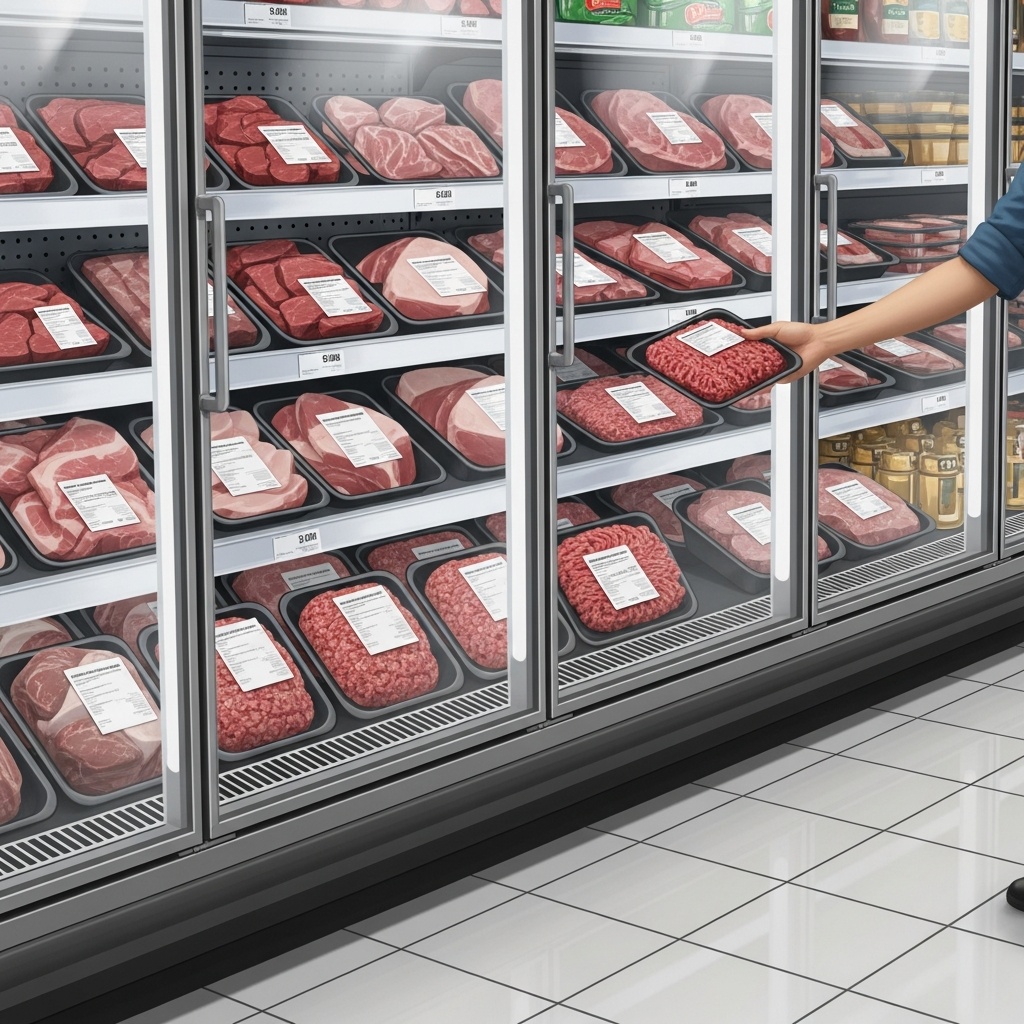
Finding frozen quality that cooks like fresh
In Naperville, stocking the freezer is not just a convenience—it is strategy. Between busy weekdays, weekend plans, and the swing of Midwest seasons, keeping a reliable stash of frozen halal selections can be the difference between a calm dinner and a last-minute scramble. The trick is knowing what “quality” looks like when you are shopping frozen, and where to buy with confidence so the results on your plate rival fresh. Start by seeking out stores that treat their frozen section with the same respect as the butcher counter: careful sourcing, tight packaging, clear labeling, and steady turnover. When you anchor your routine to a trusted source of well-prepared halal meat, frozen becomes a feature of great cooking rather than a compromise.
Naperville shoppers are discerning. They look for signs of thoughtful handling—freezer cases that are clean and cold, products arranged logically, and labels that tell you exactly what cut you are buying. Frozen does not mean mysterious. The best options give you clarity about the cut, weight, and any seasoning involved. If you prefer unseasoned meats for your own marinades, seek plain, vacuum-sealed packs with minimal surface frost. If you like convenience, lightly seasoned options can shave minutes off prep without locking you into a single cuisine.
How to read a frozen case like a pro
When you are standing in front of the freezer, scan for consistency. Quality packs lie flat, the plastic is tight, and the labeling is easy to read. Excess frost or ice crystals inside the package suggest temperature fluctuations, which can affect texture. Vacuum-sealed packs are ideal because they reduce exposure to air and stack neatly at home. You also want reasonably uniform pieces within a package; even sizing leads to even cooking. Flip a pack in your hands and check that pieces are not fused into an awkward block—it is a sign they were frozen properly before packaging.
Another cue is organization. A well-run section groups items by protein and cut—beef cubes near stew packs, chicken drumsticks near thighs, lamb chops alongside shoulder pieces. This might sound simple, but it signals that the team managing the freezer treats it as an extension of the butcher case. Good organization usually rides with good inventory rotation, which is what you want when you are shopping for long-term kitchen planning.
Choosing cuts that thrive from frozen
Some cuts are natural champions in the freezer. Bone-in chicken parts, stew-friendly beef like chuck cubes, and lamb shoulder pieces hold texture and flavor beautifully after thawing. Ground meats also freeze well when packed flat; they defrost quickly and shape easily for kofta or patties. Delicate cuts like thin steaks or small lamb chops can do well, too, if they are vacuum sealed and frozen promptly after butchering. The key is to match your cooking method with the cut. If you plan to braise, the freezer is your friend. If you want a quick sear, aim for cuts that will thaw evenly and stay tender.
Think about versatility. Chicken thighs transition smoothly across cuisines, lamb shoulder supports skewers, stews, and sheet-pan roasts, and beef cubes move from curry to chili-style dishes without missing a beat. In Naperville households where tastes vary at the same table, frozen staples become the backbone of flexible menus. You can split a pack, season each portion differently, and satisfy preferences without extra shopping.
Freezer management for real life
Your home setup matters as much as what you buy. Flat-freeze ground packs so they stand like books; label them with the date and a quick note like “tacos,” “kebabs,” or “stew.” Keep roasts on the bottom shelf for weekends and stack family packs of chicken where you can grab them midweek. If you have space, dedicate a section to quick-cook items for emergencies—a bag of boneless thighs or a pack of thin-sliced beef turns a late afternoon into dinner in a flash. Organization prevents forgotten packages and ensures you rotate through items while they are at their best.
Defrosting is another place where habits pay off. For planned meals, thaw in the refrigerator a day ahead. For speed, submerge sealed packs in cold water, changing the water every 30 minutes. Avoid leaving meat on the counter to thaw; it is not worth the risk. If you partially thaw ground meat and only use some, cook the remainder before refreezing to maintain quality and safety. Small, consistent steps keep dinner timelines stress-free.
Matching frozen choices to Naperville seasons
When winter settles over DuPage County, freezers become command centers. That is when roasts, shanks, and braising cubes shine. A thawed pack of lamb shoulder cubes can transform a cold evening, and a stash of beef chuck turns into a stew that perfumes the kitchen while you manage indoor activities. In warm months, quick-cooking cuts like kebab-ready lamb, boneless chicken thighs, and grill-friendly beef slices earn their space. Pull a pack in the morning, thaw gently in the fridge, and dinner waits for you after a swim at the pool or a walk along the Riverwalk.
Holidays and celebrations also benefit from a smart frozen plan. Keep a few special-occasion cuts ready—like racks or roasts—so you can say yes to a gathering without a last-minute store run. Freezer-ready marinades are useful, too; stash sauce bases in small containers so meat can go from thawed to seasoned with almost no prep.
Evaluating value beyond the label
Buying frozen is not about chasing a number on a tag; it is about choosing products that keep their integrity from freezer to plate. Value is measured in results: even thawing, sturdy textures, and flavors that respond to your seasonings. Consistent sizing, clean trimming, and transparent labeling are hallmarks of a good selection. In Naperville, where home cooks are loyal once they find a reliable source, these signals build trust and keep meal planning easy.
A helpful habit is to buy one new frozen item at a time and test it. Note how it thaws, how it cooks, and what you would change next time. Share your findings with the team managing the section; good stores welcome feedback and use it to refine offerings. Over a few weeks, you will assemble a personal shortlist that you know performs every time.
Mid-aisle moment: exploring variety
Midway through a shop, when your list is half-checked and dinner ideas are forming, pause at a freezer case that shows care and range. This is your chance to stock up on a foundation that carries you through busy days. If you are ready to expand what your freezer can do, explore a well-rounded Halal meat selection that includes everyday staples and occasional specialties. Seeing options side-by-side—ground packs, stew cubes, bone-in pieces, and grill cuts—helps you plan a week’s worth of meals in one pass.
Remember to think in pairings. If you buy frozen chicken thighs, grab yogurt and lemons for quick marinades. If lamb shoulder is on deck, consider onions, peppers, and herbs that roast well alongside. Planning supports the goal of turning frozen ingredients into meals that taste fresh and intentional.
Cooking from frozen when time is tight
Sometimes you forget to thaw, and that is okay. Certain preparations tolerate cooking from frozen surprisingly well. Bone-in chicken pieces can go into a covered oven pan with a splash of broth to start, then finish uncovered for crisp skin. Ground meat can be partially defrosted in a pan over low heat and gently crumbled as it softens. Stew cubes can move straight to a simmering pot if you account for extra time and keep the liquid at a gentle bubble. The key is patience and seasoning in layers to build depth.
Air fryers and pressure cookers are allies here. An air fryer can crisp chicken pieces after an initial covered bake, and a pressure cooker can turn partially thawed cubes into tender bites without losing the evening to the stove. Adjustments are small—slightly longer cook times, an extra seasoning pass at the end—but the payoffs are big on nights when daylight runs out quickly.
What to ask at the store
Do not be shy about questions. Ask when the frozen section is restocked, which items are vacuum sealed, and whether certain cuts are frozen in-house or received already frozen. If you need specific cube sizes for skewers or thin slices for a quick stir-fry, see if those options are available frozen. In Naperville, teams that manage strong frozen selections often mirror their butcher counter’s flexibility; take advantage of that by requesting packs that fit your cooking plans.
Also, ask about handling tips. Staff members who know the product can advise on thawing, marinating, and cooking methods that bring out the best in each cut. This conversation shortens your learning curve and keeps weeknights moving smoothly.
Frequently asked questions
How can I tell if frozen halal meat is high quality? Look for vacuum-sealed packs with minimal frost, clear labels, and uniform pieces. A well-organized, cold case and steady turnover are strong signs the section is managed with care.
Which cuts freeze and thaw best for weeknights? Bone-in chicken parts, ground meats packed flat, beef chuck cubes, and lamb shoulder pieces hold texture well and adapt to quick, flavorful preparations.
What is the safest way to thaw meat when I am short on time? Keep meat sealed and submerge it in cold water, changing the water every 30 minutes. For planned meals, thaw in the fridge the day before. Avoid room-temperature thawing.
Can I cook meat directly from frozen? Yes, for certain preparations. Start covered to gently bring the temperature up, then finish uncovered or with higher heat to build color and texture. Expect slightly longer cook times.
How should I organize my freezer to avoid waste? Flat-freeze ground packs, label everything with dates and short notes, and group items by cooking method—quick-cook pieces together, braise-friendly cuts on a lower shelf. This makes grabbing the right item easy on busy nights.
Stock your freezer with confidence
When your freezer holds the right cuts in the right packaging, dinner becomes a promise you can keep no matter what the week brings. If you want frozen to taste like fresh, start by choosing a carefully managed selection of Halal meat, ask a few smart questions at the store, and set up a simple system at home. Your Naperville kitchen will be ready for weeknights, weekends, and everything in between—deliciously and on your terms.