
Finding Organic Food Culture in Naperville
In Naperville, the phrase “organic supermarket near me” is more than a search—it’s a reflection of how families here think about cooking, wellness, and time. Between busy school weeks, after-work workouts, and weekend gatherings, we build our meals around ingredients that feel clean, seasonal, and satisfying. I like to start any week with a loose plan for produce, pantry staples, and a couple of treat items, and I’ll glance at the weekly deals to shape what lands in my cart. That small ritual keeps the menu diverse without overcomplicating things.
Organic shopping in Naperville is a blend of convenience and intention. We have markets where you can trust the labeling, talk to employees who know their departments, and find items that support different eating styles—from omnivorous households to fully plant-based kitchens. The selections rotate with the seasons, and that rhythm lets you design meals that feel fresh and grounded: sturdy winter greens and citrus in the colder months, delicate lettuces and berries in spring, and an explosion of tomatoes, stone fruit, and herbs once summer finally settles in.
Organic Produce: Starting Where Flavor Begins
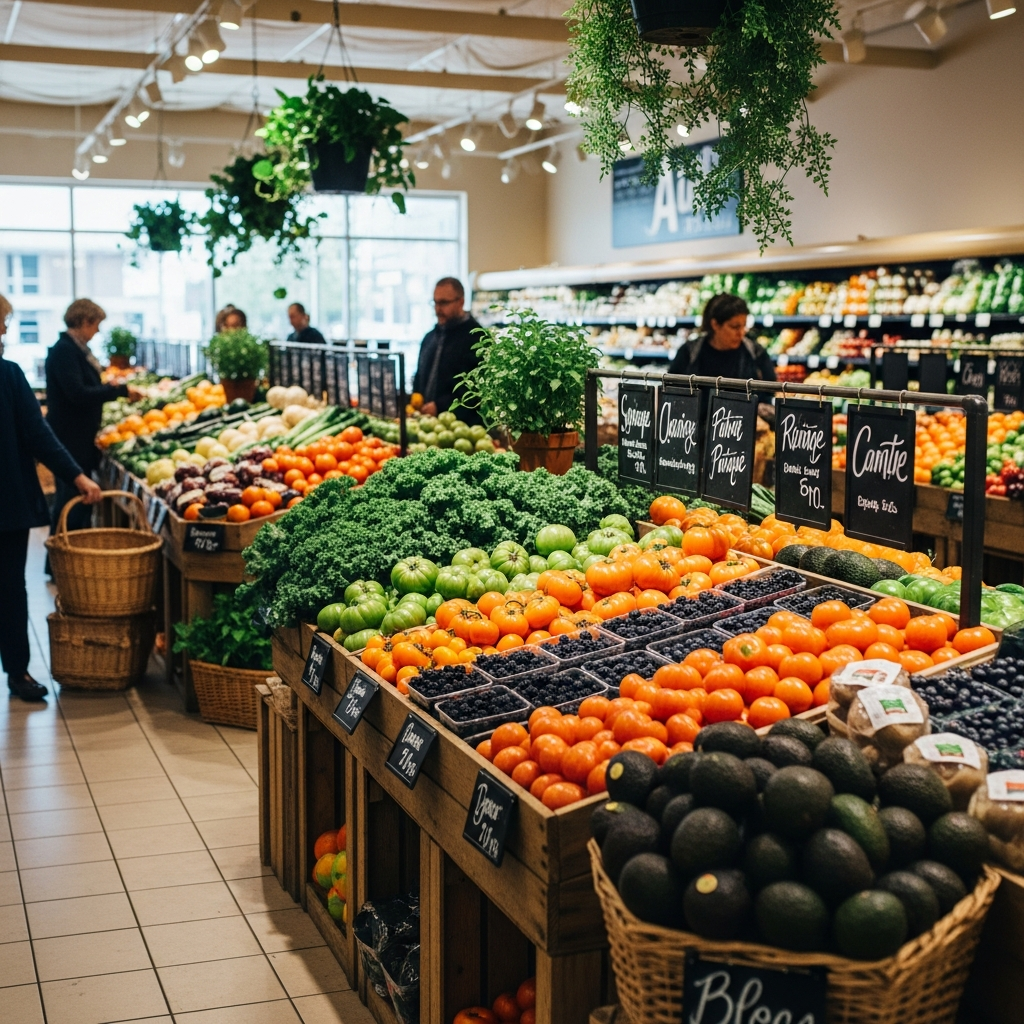
For most of us, produce is the anchor of an organic cart. The leap in taste between a tomato picked at its best and one picked early and shipped far is always worth the effort. I like to build meals around a few hero items: maybe a bright bunch of kale for salads and sautés, a cluster of cucumbers for snacks and tzatziki, and ripe avocados to turn a simple grain bowl into a satisfying lunch. If you spot crisp heads of romaine or butter lettuce, let them guide two dinners—a pile under roasted vegetables one night and a citrus-dressed salad the next.
Herbs are the secret to keeping organic cooking interesting. A bunch of basil or cilantro transforms leftovers into something new, and mint does wonders in chilled drinks and quick sauces. Keep herbs hydrated like flowers in a small jar, loosely covered, and they’ll serve you all week. Roots and alliums—ginger, garlic, scallions—bring depth without fuss, and organic versions often show a surprising intensity that lets you use less while tasting more.
Dairy, Eggs, and Plant-Based Alternatives
When it comes to dairy, clarity matters. Look for well-labeled organic milks and yogurts, then pair them with seasonal fruit for breakfasts that reset the morning. Eggs are the small heroes of organic shopping; their golden yolks bring richness to simple dinners, from shakshuka to herb-filled omelets. If you’re leaning plant-based, organic almond, oat, and soy milks have improved dramatically in texture and flavor. Use the richer versions for coffee and baking, and lighter ones for cereal and smoothies.
Cheese counters in our area offer options that align with organic values even when not certified—traditional practices, transparent sourcing, and simple ingredient lists. Ask questions. You’ll quickly find everyday choices for sandwiches and salads, plus something special for Friday night grazing boards with fruit, nuts, and crusty bread.
Organic Pantry: Grains, Beans, and Everyday Backbone
An organic pantry delivers both comfort and flexibility. Stock a rotation of grains—short-grain brown rice for sushi bowls and stir-fries, quinoa for salads, and old-fashioned oats for breakfasts and baking. Lentils in a few sizes and colors can carry you through the week: red lentils for quick soups, green or brown for hearty stews and salads. Keep a couple of canned or jarred organic tomatoes ready for sauces and braises, and reach for broths with clean labels to pull a meal together in minutes.
Oils and vinegars deserve thoughtful attention. Choose an extra-virgin olive oil you trust for finishing and a neutral oil for cooking. A pair of vinegars—apple cider and red wine—plus good sea salt and black pepper help you season boldly without complexity. I also keep a jar of organic tahini and a mild mustard on hand; together with citrus, they make a creamy, dairy-free dressing that works on roasted vegetables, grains, and salads.
Snacks, Sweets, and Kid-Friendly Staples
Life gets easier when you stock kid-friendly organic snacks that adults love too: lightly salted popcorn, whole-grain crackers, applesauce with nothing extra, and dried fruit with a tender bite. Dark chocolate with a short ingredient list feels like a treat that respects the rest of your choices. For an after-school moment, slice apples, set out peanut or almond butter, and add a sprinkle of cinnamon. Small rituals like that make weekdays feel more generous.
Meal Planning That Stays Flexible
Rigid plans fall apart; flexible ones invite success. I map out three anchors for the week—say, a grain bowl with roasted vegetables, a skillet dinner with beans and greens, and a soup that improves overnight. From there, I let the week decide how we mix and match leftovers. If a surprise soccer practice pops up, that pantry soup becomes dinner, and the roasted vegetables shift into quesadillas or a quick pasta the next day.
Midweek, I’ll glance at the store signage and take another look at the weekly deals to see whether berries, greens, or pantry items are especially abundant. That nudge keeps me honest about eating what I buy, and it injects a bit of fun into an errand that could otherwise feel routine.
Cooking Techniques that Highlight Organic Quality
When ingredients are high quality, simple techniques shine. Roast vegetables hot so they caramelize and sweeten; finish with a squeeze of lemon and a drizzle of olive oil. Sauté greens just until tender, then scatter with herbs. For proteins, use marinades built on citrus and herbs rather than heavy sauces—you’ll taste the ingredient rather than the dressing. Soup-making is a quiet superpower; a good broth, a couple of vegetables, a bean or grain, and you have dinner that improves with a night’s rest.
Don’t overlook the freezer as a tool for reducing waste. If you overbuy herbs, chop and freeze them in olive oil. Stash extra cooked grains in small containers for quick lunches. Freeze vegetable scraps for broth and you’ll have a foundation for soups and risottos without a special trip.
Shopping with Values: Transparency and Community
Part of the pleasure of organic shopping here is the conversation. Naperville’s stores tend to employ people who take pride in their departments, and they recognize regulars. Ask about sourcing, read ingredient lists, and support brands that align with your values. You’ll find makers who prioritize short supply chains, recyclable packaging, and community investment. When you buy with intention, dinner tastes better because the story behind it is stronger.
Frequently Asked Questions
How do I know if a product is truly organic?
Look for clear certification on the label and a short ingredient list. If an item isn’t certified but claims organic practices, read the details and ask staff about sourcing. Trusted brands and store transparency are your best guides.
What organic items are worth buying every week?
Focus on produce you eat most often—greens, berries, and salad foundations—plus eggs, milk or a plant-based alternative, and a couple of pantry staples like oats and beans. Building from these makes weekday cooking easier and more nutritious.
Can I shop organic affordably?
Yes, with planning. Cook from pantry staples, choose versatile vegetables, and make sauces and dressings at home. Batch-cook soups and grains to stretch ingredients across multiple meals, and lean on freezer storage to reduce waste.
What’s a simple organic dinner when I’m pressed for time?
A grain bowl with roasted vegetables, a soft-boiled egg or beans, herbs, and a quick tahini-citrus dressing. It’s filling, adaptable, and tastes great at room temperature, which means it’s forgiving when schedules shift.
How do I introduce organic eating to kids?
Keep it familiar and fun. Offer colorful fruits and vegetables, let kids help wash and tear greens, and build routine snacks that feel special. Small tastes of new foods alongside favorites nurture curiosity without pressure.
When you’re ready to refresh your kitchen, start with a short list, add one new organic item to explore, and let your week shape the rest. For a gentle planning assist before you head out, scan the weekly deals, then enjoy turning Naperville’s organic aisles into everyday inspiration.