
Cooking with local, organic produce in Naperville is like speaking the city’s seasonal language—fresh, bright, and surprisingly forgiving. You don’t have to be a chef to make exceptional meals when your ingredients are harvested at their peak. What you do need is a feel for timing, a willingness to let vegetables lead, and a few reliable techniques that work as the calendar turns from asparagus to tomatoes to apples and winter squash. As a home cook who shops our neighborhood markets and grocers year-round, I’ve learned that recipes are less about strict rules and more about noticing what looks best today. That’s the essence of building a local, organic kitchen in Naperville, and it starts with a mindful stroll through your favorite store’s organic foods department, where you can read the season by what’s stacked, chilled, and gleaming under the misters.
Think of recipes as outlines. The same technique adapts across months: roast in winter, grill in summer, simmer when you want comfort, and flash-sauté when you crave snap. In practice, that means you can trust a handful of methods—sheet-pan roasting, simple soups, sturdy salads, and quick sauces—and plug in whatever local organic produce looks best this week. The joy is in the swap, not the script. When you free yourself from rigid lists, you waste less and eat better, because your meals reflect what the farms around Naperville are actually delivering.
Spring: tenderness and bright flavors
Spring cooking here begins with promise. The first organic greens often arrive shyly, whispering that winter is giving way. Spinach, arugula, and tender lettuces want nothing more than a lemony dressing and a light hand. If you’re lucky, local asparagus appears, and then dinner practically makes itself. Trim the ends, toss with a bit of oil and salt, and either roast hot until the tips are curly and sweet or lay the spears on a preheated grill for a few minutes per side. Serve with a poached egg and a drizzle of vinaigrette, and you have a plate that tastes like sunshine on the Riverwalk.
Herbs come next—chives, parsley, and basil if the weather is kind. Chop them just before serving and scatter generously. They wake up everything from scrambled eggs to a quick pasta. New potatoes slide into the picture, too, and they’re at their best when roasted until the skins wrinkle and the centers go creamy. Toss with olive oil, a squeeze of lemon, and a fistful of herbs. This isn’t complicated cooking; it’s cooperative. You let the ingredients do what they’re itching to do, and your job is to get out of the way.
Summer: tomatoes, sweet corn, and the joy of abundance
By July and August, Naperville’s markets feel like a festival. Organic tomatoes smell like the plant, not just the fruit, and that fragrance alone can lure you into making a simple salad with salt, pepper, a bit of vinegar, and oil. Let the tomatoes sit for ten minutes while you set the table, and you’ll watch the juices pool at the bottom of the bowl into a dressing that asks only for bread to soak it up. Sweet corn follows, and I like to treat it two ways. First, raw, cut from the cob into a bowl with tomatoes, basil, and a splash of lime. Second, lightly charred on a grill pan, then shaved and folded into warm rice with scallions and a crumble of cheese. Both versions taste like a summer evening when the air finally slows down.
Zucchini and cucumbers round out the season’s base notes. For zucchini, a fast sauté in a hot pan concentrates the sweetness, especially if you let the edges brown. Finishing with lemon and mint transforms a humble vegetable into a side that vanishes before you sit. Cucumbers love acidity and crunch; slice them thin, salt them, and let them drain for a few minutes. Rinse, pat dry, and toss with vinegar, dill, and a pinch of sugar. The result is a crisp salad that cuts through richer dishes and thrills kids when served icy cold.
Fall: comfort with a bright edge
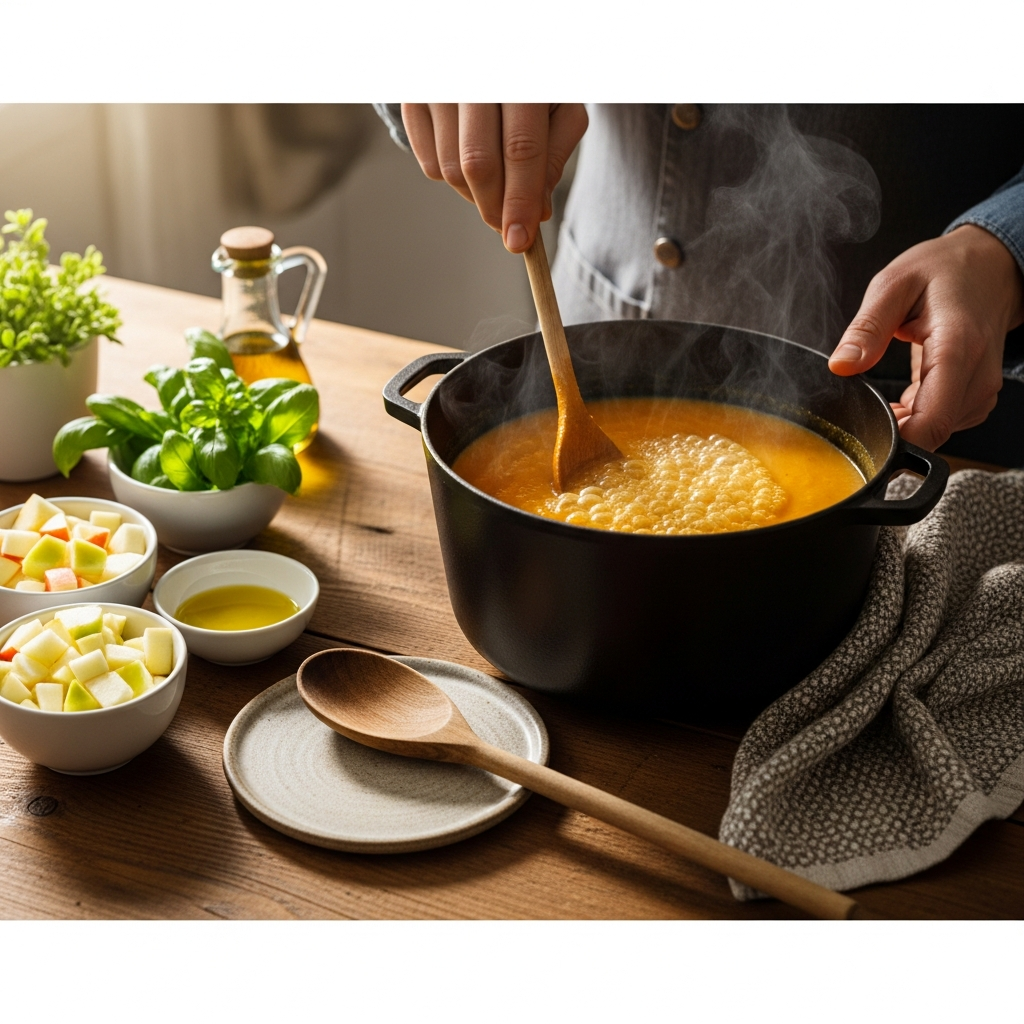
September brings a kind of relief to Naperville kitchens. The heat backs off, but the markets still brim with color. Apples move from snack to centerpiece, and squashes—acorn, delicata, butternut—invite roasting. I like to halve delicata, scrape the seeds, cut into half-moons, and roast at high heat until the edges caramelize. Toss with a handful of arugula and a sharp vinaigrette, and you’ve got a salad that feels like a sweater. Butternut puree makes a silken base for soups; add onion, garlic, and stock, simmer, and blend. Finish with a swirl of yogurt and a dusting of smoked paprika for a bowl that smells like the first cool evening.
Apples deserve more than dessert. Slice them thin into slaws with cabbage and carrots, or roast wedges alongside chicken to perfume the pan. They also shine in grilled cheese—sharp cheddar, thin apple slices, and a smear of mustard between hearty bread. This is food that pleases everyone at the table without much fuss, which is why it becomes a weeknight regular in many Naperville homes.
Winter: roasts, stews, and pantry wisdom
When the snow lines the Riverwalk, kitchens turn inward with pleasure. Organic root vegetables take the spotlight: carrots, beets, parsnips, and potatoes. A roasting pan is your best friend here. Cut everything into even pieces, toss with oil and salt, and roast hot until the edges brown and the interiors turn sweet. A splash of vinegar or a squeeze of lemon at the end brightens the whole pan. Serve over quinoa or farro with a spoonful of garlicky yogurt, and dinner arrives with both warmth and lift.
Beans and lentils belong to winter, too. Cook a pot on Sunday and they’ll pay rent all week. Start with onion, carrot, and celery, add garlic, then beans, water or stock, and a bay leaf. Simmer gently until tender. Some go into soup with kale and pasta, others find their way into tacos with roasted vegetables and a squeeze of lime. The leftovers can become a quick spread with olive oil and herbs. Winter cooking rewards patience but doesn’t demand it; it’s as easy to make a big pot as it is to make a small one, and the payoff is days of calm meals.
Flexible recipes for local organics
Here’s how I translate the season into flexible formulas that work with what Naperville farms are offering. For a sheet-pan dinner, choose one hearty vegetable, one tender vegetable, and one accent. In summer, that could be potatoes, zucchini, and cherry tomatoes. In fall, sweet potato, red onion, and Brussels sprouts. Toss with oil, salt, and your favorite spice blend, roast until everything is caramelized, and finish with lemon or vinegar. This pattern rarely fails, and it welcomes whatever you bring home without a second trip to the store.
For salads, think in layers: tender leaves, something crunchy, something creamy, and something bright. Spring greens with radishes, feta, and lemon; summer arugula with peaches, almonds, and balsamic; fall kale with roasted squash, pumpkin seeds, and apple cider vinegar. Once you practice this approach, you’ll breeze through the produce section and build dinners that feel different each night even though you’re using the same techniques.
Cooking for families and weeknights
When schedules stack up, build around “cooked once, used twice.” Roast extra vegetables and repurpose them in omelets, quesadillas, or grain bowls. Cook a double batch of brown rice and freeze half in a flat container so it thaws quickly. Make a jar of vinaigrette on Sunday to dress salads, drizzle on roasted vegetables, and splash over beans. The goal is to layer fresh, organic produce into meals without creating work every single night. Kids appreciate the familiarity of favorite components, and adults appreciate not chopping onions at 8 p.m.
Another trick is to keep a soup kit in the fridge: washed greens, diced carrots and celery, a small container of cooked beans, and stock. In fifteen minutes, you can have a bowl on the table that tastes like you planned ahead. Serve with toast rubbed with garlic and a drizzle of oil, and suddenly Tuesday feels intentional.
Shopping smart in Naperville
Begin where selection is consistent, especially in winter. A reliable grocery’s organic section lets you fill gaps with confidence. If peaches aren’t singing this week, maybe the plums are. If the kale looks perkier than the spinach, switch your plan. Flexibility is the home cook’s secret weapon. Keep a short list of staples in mind—eggs, yogurt, sturdy greens, onions, citrus—and build outward from what looks best. I like to walk the perimeter first and then dart back for pantry items that support whatever caught my eye.
Midweek, a quick stop to refresh greens and fruit can save the whole week’s plan. There’s a particular relief in walking straight to the coolers in the organic foods area, grabbing what’s vibrant, and slipping back into the evening without derailing dinner. That’s the rhythm that keeps you cooking happily even when your calendar is full.
Respecting ingredients in the kitchen
Organic produce asks for care but not fuss. Don’t wash delicate greens until you’re ready to eat them. Salt early and taste often. Give vegetables room on the pan so they roast rather than steam. Use acid—lemon juice, vinegar—to finish dishes and bring flavors into focus. Keep herbs visible in a glass of water in the fridge so you remember to use them. And don’t hesitate to rely on the freezer for soups and stocks; they’re your insurance policy against nights when energy runs thin.
The most powerful habit is also the simplest: taste as you go. When tomatoes are extra sweet, you’ll hold back on sugar in your sauce. When a bunch of kale is stout and earthy, you’ll massage it a little longer with salt and lemon. This responsiveness is what makes home cooking feel alive, and it’s especially satisfying when your ingredients were grown close to home.
Frequently asked questions
How do I adapt recipes to what’s available locally? Think in techniques, not ingredients. If a recipe calls for spinach but you find beautiful kale, switch and adjust the cooking time. If it suggests peaches and the plums are better, use plums and add a touch more sweetness to balance. Locally driven cooking rewards flexibility.
What should I keep on hand to make quick organic meals? Stock eggs, yogurt, a couple of whole grains, beans, onions, garlic, lemons, and a mix of sturdy and tender greens. With those, you can assemble soups, salads, frittatas, and grain bowls in minutes. Add seasonal vegetables and fruit as you shop.
How can I reduce waste when buying abundant produce in summer? Prep and freeze. Roast extra tomatoes and puree them for sauces. Blanch green beans and freeze flat on a tray before bagging. Turn soft fruit into compote. Label everything with the date so you remember to rotate it into meals when winter arrives.
What if my family has mixed tastes? Cook components. Roast a big pan of vegetables, cook a grain, and set out a protein. Let everyone build their bowl. This approach keeps the cook sane and gives picky eaters safe choices without turning dinner into a juggling act.
Are organic ingredients really worth it for simple recipes? Yes, because simple cooking puts flavor in the spotlight. When the tomato is excellent and the greens are lively, you need less of everything else. That clarity is where organic produce shines most.
If you’re ready to cook more confidently with what Naperville’s farms and markets are offering, trust the season, keep techniques simple, and let your senses lead. When it’s time to restock, stroll through your favorite grocer’s organic foods in Naperville, pick what looks alive, and bring it home. Your table will tell you, bite by bite, that you chose well.