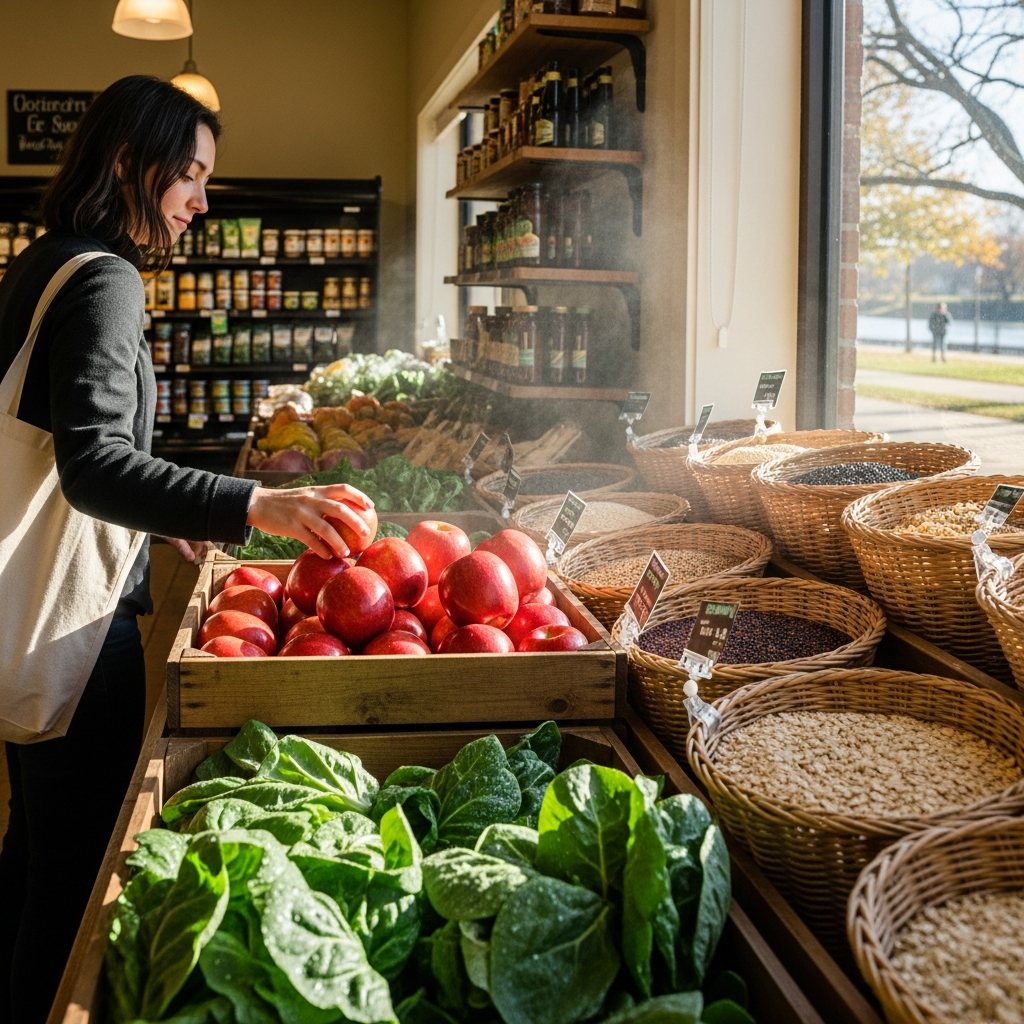
If you live in Naperville, you know the city has a way of blending suburban comfort with a lively, walkable spirit, where a Saturday morning can carry you from the Riverwalk to a buzzing market stall without so much as a second thought. That rhythm is exactly what makes searching for organic food here feel personal and easy—once you know a few insider routes. When neighbors ask me where to find dependable organic options “near me,” I start with a simple truth: what’s “near” changes with your day. Sometimes it’s a quick grocery run along Ogden Avenue, and other times it’s a sunny stroll through the open-air market by the train station. Either way, there is no shortage of places to point your cart or carry your tote, and one of the most consistent stops, especially if you like to browse a curated selection, is the local grocer’s organic foods department, where you can feel the difference in how the produce is handled and displayed.
Before you set off, think about what organic means to you. For some, it’s an emphasis on produce grown without synthetic pesticides. For others, it extends to dairy, eggs, pantry staples, and even snacks for the kids’ after-school routine. Naperville’s advantage is variety: there are aisles for the weeknight essentials, farm stands for seasonal surprises, and small shops that specialize in the kinds of items you might only read about if you weren’t lucky enough to find them at a neighborhood counter. The trick is mapping your goals to your errands, and that’s where a few local patterns make all the difference.
Understanding what “near me” really means in Naperville
Naperville is big enough to have distinct pockets of activity and small enough that you can cross town for a unique item without feeling like you’ve lost half your day. If you’re in the downtown core, the Riverwalk and nearby streets are an easy launch point for a morning of food discovery. Out by 95th Street, you’ll find family-friendly hubs with parking that makes a quick in-and-out practical after soccer practice or a library visit. Along Route 59 and Ogden Avenue, larger footprints mean broader selections and the likelihood that organic options share shelf space with conventional counterparts, letting you compare varieties and choose what fits your plans.
Proximity is about more than miles on a map. It’s about predictability. In Naperville, that can mean a store that reliably carries organic greens through the winter, a bakery that sources organic grains, or a weekend market stand that saves a pint of berries for your household because you’ve been chatting with the grower since the first spring asparagus came in. Once you experience that level of familiarity, “near me” becomes a relationship, not a pin on your phone.
Farmers markets and seasonal rhythm
You can feel the local calendar shift through what you find in market bins. Early spring rewards patience with tender greens and the first herbs. By June, tomatoes, zucchini, and cucumbers roll in as if they’ve been waiting just for your salad bowl. Late summer is sweet corn, the kind that interrupts your dinner conversation because everyone is happily quiet, working through each kernel. Then autumn arrives with apples and winter squash to simmer into soups that make the house smell like a long weekend. These seasonal waves are the best reason to develop a habit of shopping markets for organic produce. You learn what shows up when, and you get to ask the people who raised it how they grow, wash, store, and cook it.
Another benefit of local markets is accountability. Organic certification is one path, while many small farms follow organic practices without the certification, explaining their approach in detail when you ask. The conversations are part of the purchase, and if you return week after week, you’ll track the farm’s progress through weather shifts and bumper crops. That context helps you decide when to stock up and when to pivot to something else that’s shining that week. Over time, your shopping list becomes a dialogue with the season.
Independent grocers and neighborhood gems
Not every errand fits a Saturday morning. On a Tuesday at 6 p.m., you may need a refrigerated case that keeps spinach crisp, yogurt tangy, and eggs sturdy in their carton. Naperville’s independent grocers are a lifeline for those quick stops, especially if you prefer to keep your cart rolling while still honoring organic preferences. What I value most is how these stores integrate organic choices across the floor. You’ll find premium pantry staples not in a siloed aisle, but shoulder to shoulder with familiar brands, inviting you to compare ingredient lists and make a calm, confident decision without driving across town. And when staff know their products, a quick question—“Which of these is best for roasting?”—saves an entire evening.
The layout matters too. A well-organized produce section leads you through leafy greens to roots, then onward to herbs and aromatics, inspiring meals you didn’t plan on when you walked in. Nearby, you might catch sight of a new organic salsa or a small-batch tahini made with care. That sense of discovery keeps you engaged and keeps your weeknight dinners from feeling repetitive. When a store takes pride in how it curates and cares for organic options, you’ll sense it immediately in the freshness, the turnover, and the conversations you overhear at the counter.
CSAs, farm shares, and planning ahead
Community Supported Agriculture (CSA) programs work beautifully for Naperville households that like a little surprise alongside structure. You commit to a farm’s harvest for the season and receive a rotating box of what’s ready. If you’ve ever wished you could cook more adventurously without micromanaging a list, a CSA will do the planning for you. It nudges you toward recipes that celebrate what’s actually thriving in our soil at this moment. You start to think not in terms of “what do I feel like eating” but “what is at its very best today,” which is the single most satisfying shift home cooks can make.
What I advise is to supplement a CSA with targeted grocery runs for dairy, bread, spices, and pantry staples. That way, the produce leads the way, and the rest of your kitchen supports it. It’s also wise to talk with your farmer about how to store and cook unfamiliar items. A quick tip on massaging kale or roasting kohlrabi can turn a tentative trial into a new favorite side dish. The education is part of the value, and in a town like ours, it becomes another neighborly thread.
Dining out with organic sensibilities
There are nights when you don’t want to sauté a thing, and Naperville accommodates that desire with restaurants that respect organic sourcing. You can taste the difference in salads that crunch cleanly, in broths that feel wholesome, and in simply prepared vegetables that arrive at the table with real personality. When choosing a spot, I look for menus that mention farms by name or signal their sourcing philosophy. If a place is proud of its ingredients, it will tell you, and the servers will know the story behind the plate they deliver. That transparency gives you the same reassurance you enjoy at the market or grocer.
Don’t be shy about asking how a dish is prepared if you’re after something specific, like organic dairy or pasture-raised proteins. Kitchens that value these choices are usually delighted to explain their approach. In return, they get feedback from guests who notice and appreciate the effort. Over time, those conversations shape what shows up on menus season after season, and diners benefit from a virtuous cycle of demand and care.
Midweek strategy and the art of the small refill
The best way to keep organic eating manageable is to split your errands. Do a larger shop on a day when you have time to browse, then plan a small refill midweek for salad greens, fruit, and milk. Naperville’s grid of thoroughfares makes those quick stops painless, particularly if you’ve mapped two or three stores that you trust for the exact items your household powers through first. In the middle of the week, I often find myself back at a favorite market aisle or the store’s curated set of staples in the organic foods section, topping off what I need to keep meals colorful and simple.
I also keep a mental list of standbys that are forgiving if my schedule changes. Cabbage holds well and transforms into slaws or sautés. Carrots and beets anchor roasts, soups, and grain bowls. Apples and citrus give lunches a lift without requiring prep. Having a core of sturdy organic items on hand lets you flex the rest of the week with less stress, and it cuts down on food waste because you’re not racing a wilting clock.
Storage, freshness, and reducing waste
Organic produce deserves a little respect once it reaches your kitchen. Wash greens just before you use them to avoid waterlogging. Wrap herbs loosely in a damp towel and tuck them into a breathable container. Give tomatoes a place on the counter away from direct sunlight to finish ripening, and don’t be afraid to lean on your freezer for broths, blanched vegetables, and cooked beans. These small acts preserve quality and help your budget stretch, especially if you use weekend energy to prep for the busy days ahead.
Another Naperville-specific tip: plan around the traffic of your life. If your commute takes you past a reliable store, make that your default. If you’re usually on foot downtown, adopt the European rhythm of buying a little each day. This not only keeps ingredients at peak flavor, it also builds a sense of place as you greet familiar faces at the register or the stall. Meals begin long before the knife hits the cutting board; they start when you choose your ingredients with intention.
Cooking simply to let organics shine
When organic ingredients taste this clean, you don’t need much to make them sing. A pan, a little oil, salt, and heat are often enough. Roast vegetables on high heat until the edges caramelize. Toss leafy greens with lemon and a spoonful of good olive oil. Layer sliced tomatoes with basil and let the aroma do the work. Protein and grains follow suit: a gentle simmer for beans, a quick sear for fish, a rest after roasting so juices settle. The confidence you gain from letting ingredients lead will make you a calmer, faster cook, and that’s the real gift of organic shopping in a town where quality is at your fingertips.
As you build these habits, you’ll notice your kitchen shifting toward fewer, better things. Jars you can see through, a drawer with spices you actually use, and a crisper that looks like a promise rather than a chore. Organic food isn’t a trend to keep up with; it’s a daily practice of paying attention to what feels and tastes right for your household. And in Naperville, that practice is easier than it might be in other places, because the options are close, the people are helpful, and the seasons reward patience.
Community, sustainability, and a sense of place
Buying organic in Naperville is also a vote for the kind of food system we want. It supports farms that care for their soil, stores that invest in careful sourcing, and restaurants that treat ingredients with respect. That care ripples outward into cleaner water, more resilient land, and a community that understands where dinner comes from. You don’t have to carry a sign to make a difference. Just choose the apples that tell a story, the milk that reflects mindful stewardship, and the greens that keep your week lively and nourishing.
And if you ever feel overwhelmed by the options, take a breath and return to the basics: buy what looks vibrant, ask a question or two, and cook simply. The rest will sort itself out as the calendar turns, the leaves change along the DuPage River, and the first frost hints at soups to come. In time, you’ll have your own map of Naperville, drawn not with streets but with flavors and the friendly nods you collect each time you shop.
Frequently asked questions
How do I know if produce at a market is truly organic? The best approach is to ask the grower directly. Some farms are certified, and they will display that documentation. Others follow organic practices but choose not to certify; they should be willing to explain their methods, including crop rotation, pest control, and soil health. Over several visits, consistency in their answers and the quality of the produce build trust.
Is “local” always better than “organic”? Not always—it depends on your priorities. Local food can be fresher and support nearby farms, while organic reduces your exposure to certain synthetic inputs. In Naperville, you can often find both together, especially during peak season. When you can’t, decide based on the item. For thin-skinned fruits and leafy greens, many shoppers prioritize organic; for sturdy roots at peak season, local might take the lead.
What are the best organic items to keep on hand for quick meals? I rely on greens that wash and dry quickly, eggs for any-time protein, a couple of in-season fruits, and a rotating mix of roots for roasting. With those in the kitchen, you can assemble salads, frittatas, grain bowls, and simple sautés in minutes. Add a few pantry basics—beans, rice, and spices—and you’ve got flexibility all week.
How can I shop organically on a tight schedule? Choose two reliable stores that you pass during your normal routines, and designate one day for a larger shop and one quick refill day. Keep a short list on your phone for items that run out first, and cook a bit extra on the weekend so you’ve got building blocks in the fridge—roasted vegetables, cooked grains, and a jar of dressing. These habits keep decision-making light on busy nights.
Are there kid-friendly organic options in Naperville? Absolutely. Look for crunchy vegetables that invite dipping, apples and berries for lunchboxes, yogurt with simple ingredients, and breads made from organic grains. Involve kids at the market by letting them choose a new fruit or vegetable each week. When they help pick it out, they’re far more likely to eat it enthusiastically.
If you’re ready to make your next grocery run a little more intentional—and a lot more satisfying—start local, ask questions, and let the season lead the way. When you want a dependable selection you can browse without rushing, stop by the curated aisles of an established grocer’s organic foods in Naperville, then bring home what speaks to you. Your table will tell you you’ve chosen well, and your week will feel lighter for it.