Understanding halal meat certification requirements in Naperville, Illinois begins with recognizing how a global standard meets local practice. The residents who shop here—along Route 59, near Ogden Avenue, and throughout the neighborhoods that stretch southward—expect clarity and consistency. They want to know that a product labeled halal has followed a verifiable path from sourcing and slaughter to storage, preparation, and sale. The result is a framework that blends religious guidelines with modern food safety principles, ensuring integrity at every step and confidence at the table.
Halal certification is more than a stamp; it’s a system of accountability. It encompasses who performs the slaughter, how the animal is handled, which tools are used, and how the meat is kept separate from non-halal products. In Naperville, reputable markets and restaurants treat certification as a daily discipline, not a marketing slogan. For families who cook regularly at home, keeping a dependable local source for fresh, well-handled halal meat aligns with that discipline and turns weekly shopping into a reassuring routine.
Core Principles Behind Certification
At the heart of halal certification are principles rooted in compassion, cleanliness, and intentionality. The process starts before slaughter, with attention to the animal’s well-being and fitness for consumption. The slaughter itself is performed by a qualified individual, and specific invocations are made. Equipment must be clean and used in a way that meets religious requirements, and the process should minimize stress and ensure proper bleeding. Once slaughter is complete, the chain of custody becomes the focus—every handoff, label, and storage decision matters.
In Naperville, consumers can expect established businesses to be transparent about these steps. Certification bodies review documentation, conduct inspections, and verify that procedures are followed consistently, not sporadically. Because local shoppers often ask informed questions, stores typically maintain up-to-date records that can be referenced when customers want reassurance about a product’s journey.
Separation and Cross-Contamination Prevention
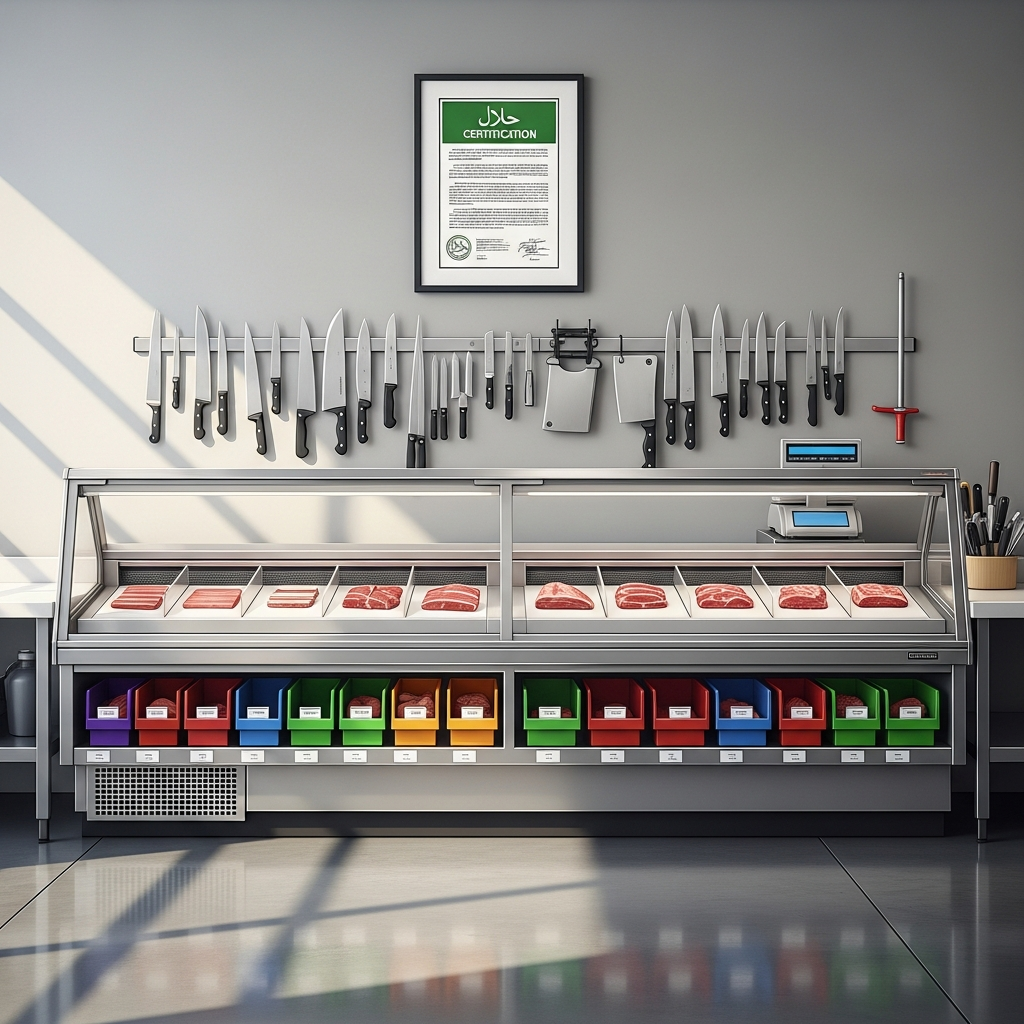
One of the most visible aspects of halal compliance is separation. From receiving deliveries to butchering, packaging, and display, halal products must remain distinct from non-halal items. In practice, that means dedicated cutting boards and knives, color-coded storage containers, and carefully labeled shelving. In mixed facilities, staff follow standard operating procedures that specify where each item goes, how it’s handled, and how cleaning occurs between tasks.
Shoppers in Naperville will often notice this organization right at the counter. Clean lines, tidy cases, and clear signage signal that the store takes its role seriously. Staff should be able to explain the workflow—how halal products move through back-of-house spaces, how equipment is sanitized, and how inventory is tracked. These operational details transform certification from a certificate on the wall into a living practice you can observe and trust.
Documentation and Traceability
Paperwork may not be glamorous, but it’s the backbone of verification. Certification requirements typically demand purchase records from approved suppliers, batch tracking, and logs that detail receiving dates, storage temperatures, and product rotation. If an auditor visits, these records demonstrate that protocols weren’t followed just yesterday but have been sustained over time. In Naperville’s established markets, managers can pull up documentation quickly and describe it in everyday language so customers understand what it represents.
Traceability also aids in problem-solving. If a question arises about a specific batch, records allow swift investigation and, if necessary, removal. That speed protects consumers and underlines the seriousness with which reputable businesses treat their responsibilities.
Training and Culture of Compliance
Certification requirements are only as strong as the people applying them. That’s why staff training is central. Teams learn not just the “what” of halal protocols but the “why.” New hires are introduced to separation practices, labeling rules, and hygiene standards that go beyond the basics. Ongoing refreshers keep skills sharp, and managers model the behavior they expect—clean workstations, proper attire, and meticulous attention to detail.
In Naperville, this training culture intersects with customer service. Employees who understand the purpose behind each step are better prepared to explain it at the counter, translating technical requirements into clear, friendly guidance. It’s a feedback loop: informed customers ask good questions, and well-trained staff provide reassuring answers, raising standards across the community.
Receiving, Storage, and Display
Halal integrity continues after procurement. Deliveries are checked against invoices that identify certified suppliers, and storage areas maintain appropriate temperatures with logs that verify compliance. In mixed facilities, halal products occupy designated shelves and bins, often color coded to reduce errors. Display cases are organized so that halal items are never adjacent to non-halal in a way that risks contact, and utensils used to stock the case are kept separate and sanitized.
Naperville’s best markets demonstrate this attention to detail visibly. Look for crisp labeling, intact packaging, and a counter team that can tell you when a new shipment arrived. The rhythm of the week is predictable: pre-weekend stocking, midweek rotations, and holiday surges planned in advance. All of this activity rides on certification requirements that turn intention into daily practice.
Restaurant Considerations: From Kitchen Line to Dining Room
Restaurants add another layer of complexity. A certified halal kitchen ensures that meats are sourced properly, stored separately, and cooked on equipment that doesn’t introduce cross-contact. Line cooks follow sequences that minimize risk, and servers are trained to answer diners’ questions about ingredients and preparation. When menus include both halal and non-halal items, it’s critical that symbols are clear, fryers are dedicated where required, and communication between front and back of house is crisp.
In Naperville’s dining scene, owners who prioritize certification cultivate trust table by table. If you ask about a dish, you should receive more than a yes-or-no answer—you should hear about sourcing, prep, and verification. This transparency is hospitality at its finest, especially for families balancing dietary needs and cultural traditions.
Audits, Renewals, and Continuous Improvement
Certification isn’t permanent; it’s maintained. Audits and renewals keep businesses aligned with current standards, and many operators go beyond minimum requirements by adopting internal spot checks. Managers might review logs weekly, run mock inspections, or rotate staff through cross-training so everyone understands the full process. These habits turn compliance into culture.
Continuous improvement also reflects customer input. If shoppers in Naperville request clearer labeling or more visibility into supplier lists, responsive businesses often act quickly. Certification, after all, is about serving the community’s trust. The more effectively a business communicates, the stronger that trust becomes.
What Consumers Can Do
Certification requirements protect you, but your role matters too. Ask about documentation, sourcing, and handling. Choose businesses that answer confidently and kindly. Observe how products are displayed and how staff move through tasks at the counter. If you spot practices that don’t match the standards you expect, raise them respectfully; responsible operators appreciate the opportunity to address concerns and explain their process.
At home, continue the chain of care. Keep raw meats cold, use separate cutting boards, and store items in sealed, labeled containers. Certification gets the product to your door with integrity; your kitchen habits carry it the rest of the way to the plate.
Community Influence and Education
In a city as engaged as Naperville, community groups and faith leaders often contribute to education around halal standards. Workshops, cooking demonstrations, and holiday events become opportunities to discuss certification in approachable terms. As more residents understand the why behind the requirements, conversations with store staff grow richer and expectations align, driving overall quality upward.
This educational thread underscores something important: certification is a shared project. Producers, certifiers, retailers, restaurants, and consumers each play a role. When all of these links are strong, the result is a dining culture that feels both authentic and modern, grounded in principle and expressed in everyday meals.
Linking Certification to Daily Shopping
It’s easy to think of certification as paperwork out of sight, but in Naperville it shows up in your cart. Clean packaging, accurate labels, friendly staff who remember your preferences—these are the everyday expressions of a system that respects your standards. When you rely on a local source with a strong certification backbone, you can plan weeknight stir-fries, weekend grills, and holiday feasts with confidence. Maintaining a reliable bookmark to a trusted selection of halal meat helps you restock quickly and reinforces a routine built on clarity and care.
Frequently Asked Questions
Who performs halal slaughter under certification?
A qualified individual trained in the required practices performs the slaughter. Certification bodies verify credentials and ensure that each step aligns with religious and procedural standards.
How do stores prevent cross-contamination?
They use dedicated tools and storage, color-coded containers, clear labeling, and documented cleaning routines. Staff training and checklists reinforce these practices throughout the day.
What documents should a certified business keep?
Purchase records from approved suppliers, delivery logs, temperature logs, storage maps, and procedure manuals. Auditors review these to confirm that compliance is consistent over time.
Are restaurants held to the same standards as markets?
The principles are the same, but restaurants add complexities like line sequencing, dedicated equipment, and service training. Certification requirements address these differences with specific controls.
How often are certifications renewed?
Renewal schedules vary by certifying body, but periodic audits and ongoing documentation ensure that compliance isn’t a one-time event. Many businesses adopt internal checks between audits to maintain readiness.
What should I look for as a shopper?
Clear labeling, tidy cases, knowledgeable staff, and a willingness to show documentation. These visible cues reflect the deeper systems that certification requires.
Cook, Dine, and Shop with Confidence
Halal certification in Naperville turns principles into everyday reliability. Choose businesses that communicate openly, ask questions when you need clarity, and support the local teams who uphold these standards behind the scenes. When it’s time to fill your cart or plan a family gathering, rely on a dedicated, well-curated selection of certified halal meat and enjoy the assurance that your meals are grounded in care from start to finish.