
Quality You Can Taste, Confidence You Can Feel
Ask ten Naperville families where to find the best halal meat grocery, and you will hear different routes—down Ogden Avenue, near Route 59, or tucked by 75th Street. But you will hear the same criteria: consistent Zabiha standards, tidy knife work, and meat that cooks the way it should. Quality is more than a label; it is a pattern you can taste. In a city that prizes both convenience and care, the best grocery marries a strong butcher counter with thoughtful aisles of supporting ingredients. When you are planning dinner for relatives from Aurora or a quiet weeknight at home, the right store turns shopping into a calm habit, and its dependable selection of halal meat becomes the backbone of your kitchen.
Quality begins with how a grocery sources and handles meat before you even see it in the case. Reliable stores maintain strict cold-chain protocols from the moment deliveries arrive, moving primals quickly into chilled rooms and cutting to order throughout the day. You can sense that discipline the way you feel good management anywhere: cases that are stocked but not crowded, labels that are precise rather than generic, and butchers who speak comfortably about where the lamb or goat came from this week. When the staff can tell you about delivery rhythms and suggest the best day for a particular cut, you know you’ve found a place where standards live in daily practice, not just in signage.
Reading the Case, Reading the Room
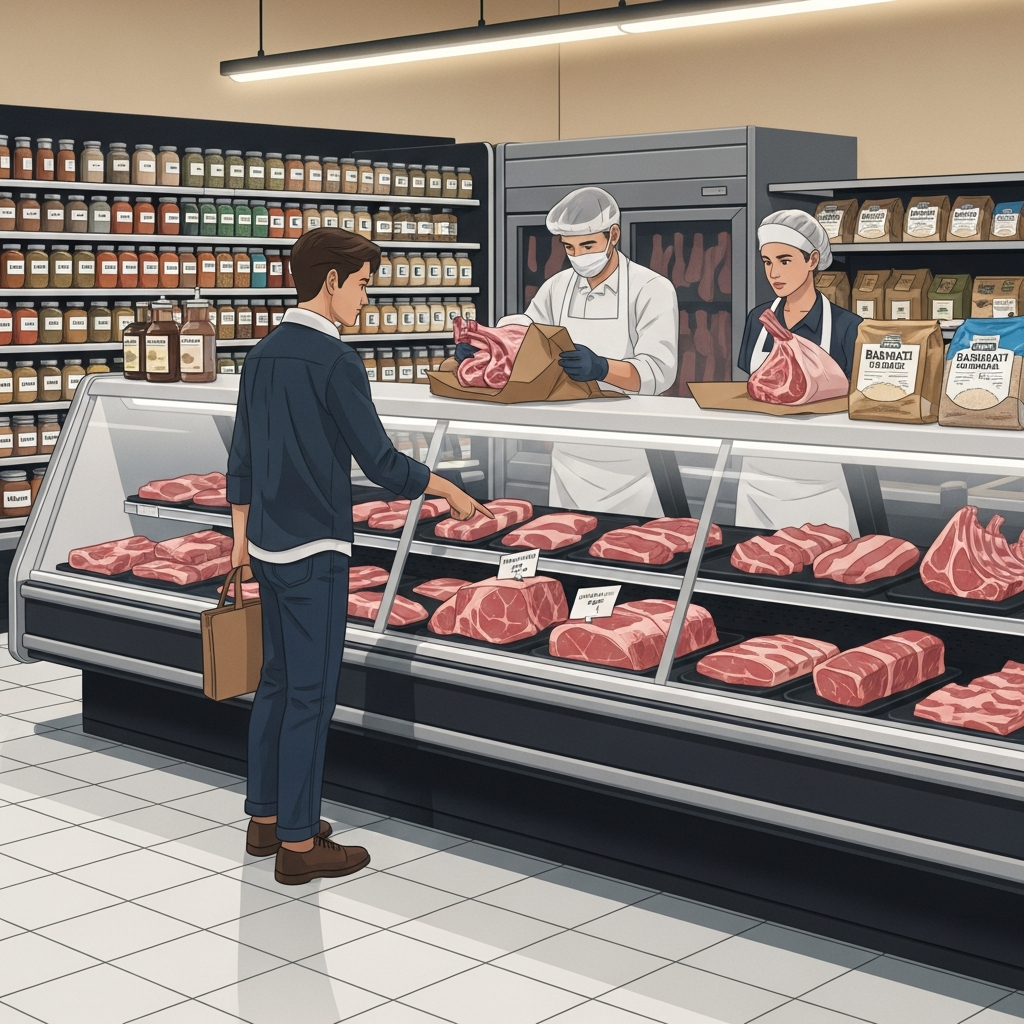
In a first-rate halal grocery, the meat case has a quiet logic. Beef shows deep, even color with threads of marbling that promise tenderness. Lamb looks bright and clean, with a mild aroma. Chicken is neatly portioned, with skins that are taut rather than slick. Goat is cut into sturdy, purposeful pieces with clean bone surfaces. Look for smooth edges and consistent thickness—signs that the knives were steady and the pace unhurried. Then look up. A tidy cutting room, sharp tools, and staff moving with focus all indicate a shop that respects Zabiha in more than name.
The surrounding aisles matter, too. A well-rounded halal grocery stocks the spices, rice, and pantry items that help your meat shine. When cumin is fresh and basmati is fragrant, your dishes pop without extra effort. I love walking these aisles on a quiet weekday morning near downtown, picking up limes and cilantro to match a plan for lamb chops, or finding just-milled garam masala that turns keema into something resonant. The whole store should support your meal, not just the counter.
Why Consistency Becomes Loyalty
Naperville shoppers are loyal for a reason: we return to places that simplify life without sacrificing standards. At the best groceries, staff remember your usuals—bone-in goat for curry, coarse-grind beef for kofta, chicken quarters for the grill—and they prepare them as if they’re cooking with you. This consistency comes from process. Deliveries arrive on predictable days. Primals are broken down with care. The case is replenished in measured intervals so freshness stays high and waste stays low. Over time, you experience steady results at home: sears that brown, curries that deepen, and roasts that rest to a tender slice.
Trust shows up in small kindnesses. A butcher suggests a better cut for your recipe. A clerk points you to a batch of especially fragrant cinnamon sticks. The team holds a special order until your drive back from Warrenville. These moments are not flashy, but they are the foundation of a great halal grocery. They make it feel like a neighborhood institution even if it sits on a busy road.
Weeknights, Weekends, and Holidays
Weeknight shopping needs speed. I like groceries where I can dart in after school pickup on 95th Street and leave in ten minutes with a plan: boneless chicken for a fast marinade, a pound of ground beef for keema, and a handful of cilantro. On weekends, I slow down and let the butcher help map a menu—lamb shoulder for a braise, goat with cleanly cut bones for a pressure cooker, and a few chops for Sunday grilling near the Riverwalk. Ahead of holidays, the best groceries move with poise. They expand staff, keep bones for stock neatly labeled, and cut to exact requests without letting the line fray.
The ability to pivot is another hallmark of quality. Maybe you planned sirloin but the chuck looks incredible today; a great butcher will steer you toward the better option for your method. Maybe you intended to grill, but a sudden storm suggests a stovetop braise; the team can cube or slice accordingly. That guidance saves time, and it breeds the kind of loyalty that keeps Naperville families coming back long after the novelty of a new store fades.
Custom Cuts and Everyday Ease
Custom work is not just for special occasions. It is how weeknights stay smooth. Ask for lamb chops just under an inch, goat in sturdy curry pieces, or beef ground coarse with a touch of added fat. Ask for chicken quartered to match your grill, or breast filets trimmed to an even thickness for a skillet dinner. The best groceries embrace these requests; they consider them a form of hospitality and a mark of professionalism. When you cook at home, those tailored details keep the focus on seasoning and timing rather than wrestling with uneven cuts.
I keep a short note on my phone with preferred specs and favorite dishes: lamb shoulder for korma, bone-in goat for curry, chicken thighs for grilling, and ground beef for midweek keema. When I hand that list to the butcher, they nod and cut to fit. That mutual understanding makes even a rushed stop feel calm, and it lets me shop with confidence on days when traffic around Route 59 runs thick.
Storage, Freezing, and Kitchen Rhythm
After a grocery run, I portion and label everything. Flat, well-sealed packages freeze faster and thaw more evenly. If I know a dish is slated for tomorrow, I refrigerate on a plate to catch moisture and pat dry before seasoning. For curries and braises, I salt early to let seasoning sink in; for quick sears and chops, I season closer to the pan. Resting meat after cooking is a non-negotiable—five quiet minutes can be the difference between a pleasant dinner and a memorable one.
Freshness also benefits from shopping at the right time. Many Naperville groceries show their best selection on the day after a major delivery. Ask staff about their schedule; plan your stock-ups accordingly. For Eid and other holidays, share your menu early and request exact cuts. A great grocery will cut, label, and set aside your order so the final days before guests arrive stay focused on cooking, not errands.
Middle of the Store, Middle of the Week
In the middle of the week, I often linger in the spice aisle, letting the butcher prepare a custom cut while I choose cardamom and peppercorns. This is where the grocery shines as a whole. The butcher counter may be the star, but the surrounding shelves are the ensemble—stock, rice, legumes, and aromatics—each playing a role in a complete meal. When the entire store shares the same standards, you feel it. Your dishes taste rounder, your prep feels calmer, and the distance between idea and plate gets delightfully short. It helps, too, that reliable groceries maintain a stable, varied selection of halal meat so your favorite recipes remain on standby without compromise.
Local character matters. In Naperville, staff tend to know the seasonal rhythms—when grills come out in May, when shanks become popular as evenings cool, and when goat demand spikes ahead of family gatherings. They keep an eye on those cycles and adjust. You can feel that attention at the counter, where the best pieces are set aside for those who asked a day early, and in the aisles, where the right spices appear just when you decide to try something new.
Frequently Asked Questions
What distinguishes a top halal meat grocery from an average one?
Discipline and transparency. Look for clear case rotation, tidy cuts, confident answers about deliveries and oversight, and a team that guides you toward the best option for your cooking method. Quality is consistent rather than occasional.
How can I build a reliable weekly shopping routine?
Ask about delivery days, plan stock-ups the day after, keep a short list of go-to cuts, and request packaging in portions that match your family’s meals. Small habits create predictability and reduce weeknight stress.
Are custom cuts practical for everyday meals?
Yes. Custom work saves time and improves results. Specify thickness, bone-in versus boneless, and grind size. The payoff shows up in even cooking and better texture.
What signs of freshness should I look for in the case?
Even color, minimal pooled liquid, clean edges, and a neutral, fresh aroma. For chicken, taut skin and consistent trimming; for lamb and beef, fine marbling and tidy seams; for goat, sturdy pieces with cleanly cut bones.
How do I store and thaw for best results?
Refrigerate promptly, freeze in flat portions, and thaw overnight in the refrigerator. Pat dry before seasoning, cook over adequate heat, and rest the meat before slicing or serving.
What’s the best way to communicate with the butcher?
Lead with the dish. Say how you plan to cook and ask for thickness and bone preferences. Share repeat specs over time so the team can prepare your order quickly and consistently.
Do the best groceries help with holiday planning?
They do. Place orders early, specify cuts in detail, and ask for bones for stock. A top grocery will set aside your items, label clearly, and keep pickup calm even on busy days.
Can I trust a larger grocery as much as a small butcher shop?
Yes, when management is disciplined. Look for visible cutting rooms, engaged staff, and clear rotation. Some of the best results in Naperville come from groceries that combine scale with personal attention.
Bring Home Consistent Quality
Choose a Naperville grocery where Zabiha standards shape daily practice and where the butcher counter and aisles work in harmony. Ask questions, request the cuts that match your recipes, and build a routine that keeps dinner effortless. When you start with a dependable selection of fresh halal meat, the rest of the meal falls naturally into place.